Udupi Anushree, Shetty Sachin, Aranjani Jesil Mathew, Kumar Rajesh, Bharati Sanjay
Department of Nuclear Medicine, Manipal College of Health Professions, Manipal Academy of Higher Education, Manipal, 576104, Karnataka, India.
Department of Pharmaceutical Biotechnology, Manipal College of Pharmaceutical Sciences, Manipal Academy of Higher Education, Manipal, 576104, Karnataka, India.
Drug Deliv Transl Res. 2025 Mar;15(3):1023-1042. doi: 10.1007/s13346-024-01655-1. Epub 2024 Jul 11.
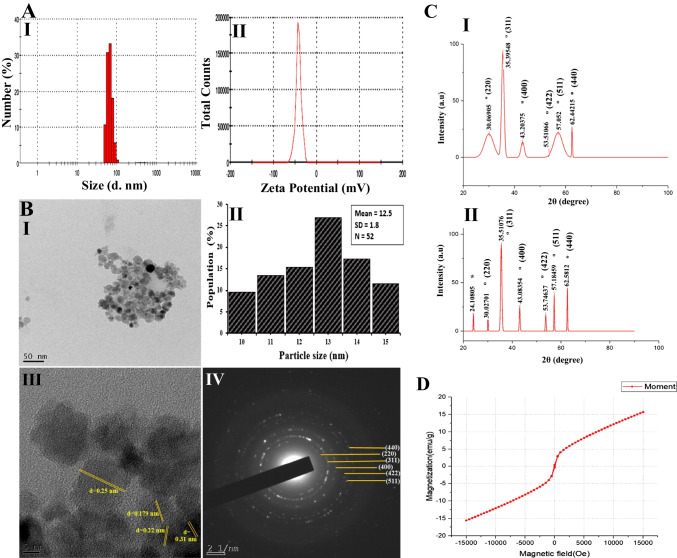
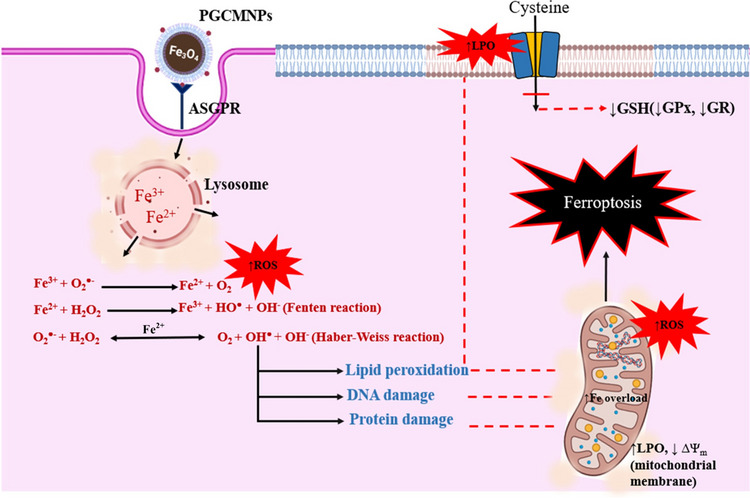
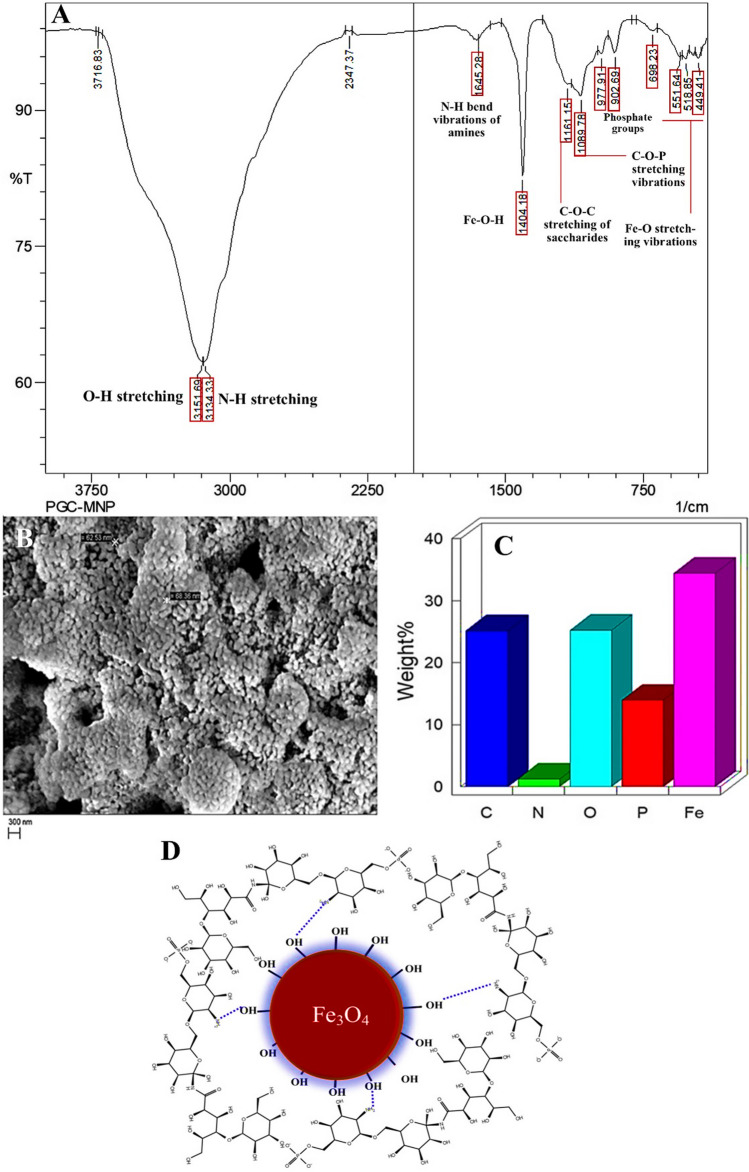
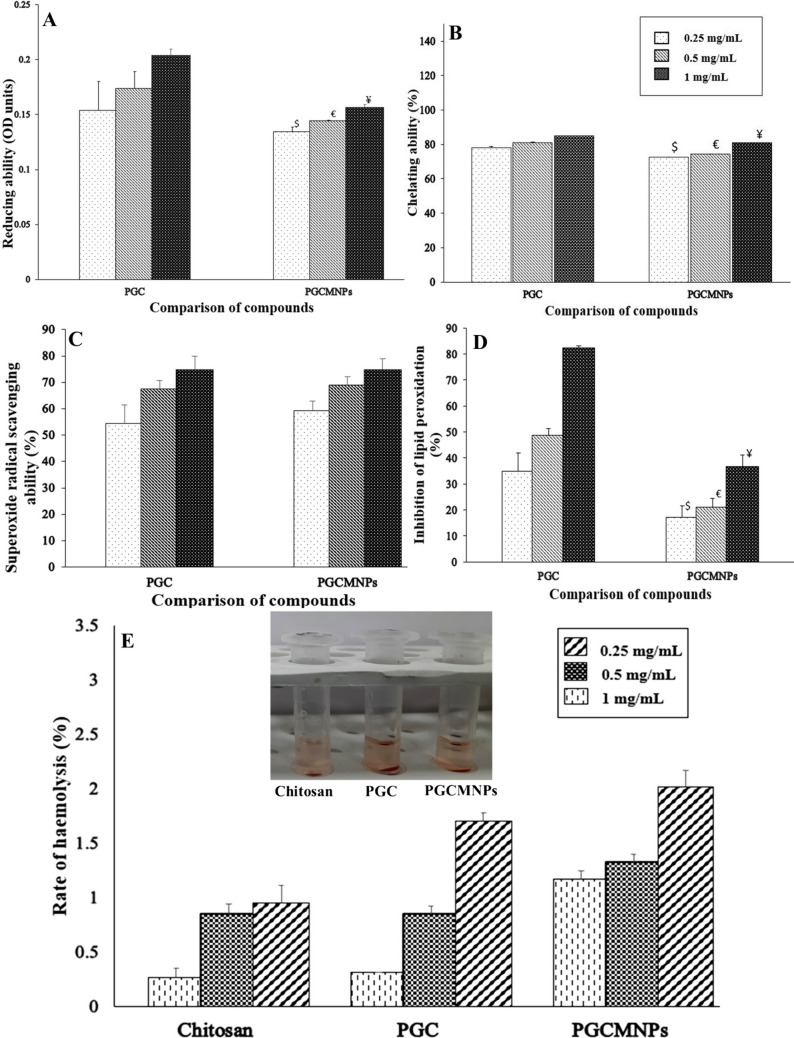
Superparamagnetic iron oxide nanoparticles (SPIONs) are extensively used as carriers in targeted drug delivery and has several advantages in the field of magnetic hyperthermia, chemodynamic therapy and magnet assisted radionuclide therapy. The characteristics of SPIONs can be tailored to deliver drugs into tumor via "passive targeting" and they can also be coated with tissue-specific agents to enhance tumor uptake via "active targeting". In our earlier studies, we developed HCC specific targeting agent- "phosphorylated galactosylated chitosan"(PGC) for targeting asialoglycoprotein receptors. Considering their encouraging results, in this study we developed a multifunctional targeting system- "phosphorylated galactosylated chitosan-coated magnetic nanoparticles"(PGCMNPs) for targeting HCC. PGCMNPs were synthesized by co-precipitation method and characterized by DLS, XRD, TEM, VSM, elemental analysis and FT-IR spectroscopy. PGCMNPs were evaluated for in vitro antioxidant properties, uptake in HepG2 cells, biodistribution, in vivo toxicity and were also evaluated for anticancer therapeutic potential against NDEA-induced HCC in mice model in terms of tumor status, electrical properties, antioxidant defense status and apoptosis. The characterization studies confirmed successful formation of PGCMNPs with superparamagnetic properties. The internalization studies demonstrated (99-100)% uptake of PGCMNPs in HepG2 cells. These results were also supported by biodistribution studies in which increased iron content (296%) was noted inside the hepatocytes. Further, PGCMNPs exhibited no in vivo toxicity. The anticancer therapeutic potential was evident from observation that PGCMNPs treatment decreased tumor bearing animals (41.6%) and significantly (p ≤ 0.05) lowered tumor multiplicity. Overall, this study indicated that PGCMNPs with improved properties are efficiently taken-up by hepatoma cells and has therapeutic potential against HCC. Further, this agent can be tagged with P and hence can offer multimodal cancer treatment options via radiation ablation as well as magnetic hyperthermia.
超顺磁性氧化铁纳米颗粒(SPIONs)在靶向药物递送中被广泛用作载体,并且在磁热疗、化学动力疗法和磁辅助放射性核素疗法领域具有若干优势。SPIONs的特性可以进行调整,以通过“被动靶向”将药物递送至肿瘤,并且它们还可以用组织特异性试剂进行包被,以通过“主动靶向”增强肿瘤摄取。在我们早期的研究中,我们开发了用于靶向去唾液酸糖蛋白受体的肝癌特异性靶向剂——“磷酸化半乳糖基化壳聚糖”(PGC)。鉴于其令人鼓舞的结果,在本研究中,我们开发了一种用于靶向肝癌的多功能靶向系统——“磷酸化半乳糖基化壳聚糖包被的磁性纳米颗粒”(PGCMNPs)。PGCMNPs通过共沉淀法合成,并通过动态光散射(DLS)、X射线衍射(XRD)、透射电子显微镜(TEM)、振动样品磁强计(VSM)、元素分析和傅里叶变换红外光谱(FT-IR)进行表征。对PGCMNPs进行了体外抗氧化性能、在HepG2细胞中的摄取、生物分布、体内毒性评估,并且还根据肿瘤状态、电学性质、抗氧化防御状态和细胞凋亡,对其在小鼠模型中针对NDEA诱导的肝癌的抗癌治疗潜力进行了评估。表征研究证实成功形成了具有超顺磁性特性 的PGCMNPs。内化研究表明PGCMNPs在HepG2细胞中的摄取率为(99 - 100)%。这些结果也得到了生物分布研究的支持,其中在肝细胞内观察到铁含量增加(296%)。此外,PGCMNPs在体内未表现出毒性。从观察到PGCMNPs治疗使荷瘤动物数量减少(41.6%)并且显著(p≤0.05)降低肿瘤多发性可以明显看出其抗癌治疗潜力。总体而言,本研究表明具有改进性能的PGCMNPs能被肝癌细胞有效摄取,并且对肝癌具有治疗潜力。此外,这种试剂可以用磷进行标记,因此可以通过放射消融以及磁热疗提供多模态癌症治疗选择。