Department of Pharmaceutics and Industrial Pharmacy, Faculty of Pharmacy, Modern University of Technology and Information (MTI), Cairo, Egypt.
Department of Dermatology, Venereology and Andrology, Faculty of Medicine, Ain Shams University, Cairo, Egypt.
Pharm Res. 2024 Jul;41(7):1475-1491. doi: 10.1007/s11095-024-03733-y. Epub 2024 Jul 12.
Zinc Oxide nanoparticles (ZnO NPs) are used widely in nowadays personal care products, especially sunscreens, as a protector against UV irradiation. Yet, they have some reports of potential toxicity. Silica is widely used to cage ZnO NPs to reduce their potential toxicity. Vitamin C derivative, Magnesium Ascorpyl Phosphate (MAP), is a potent antioxidant that can efficiently protect human skin from harmful impacts of UV irradiation and oxidative stress. The combination of silica coated ZnO NPs and MAP nanovesicles could have potential synergistic protective effect against skin photodamage.
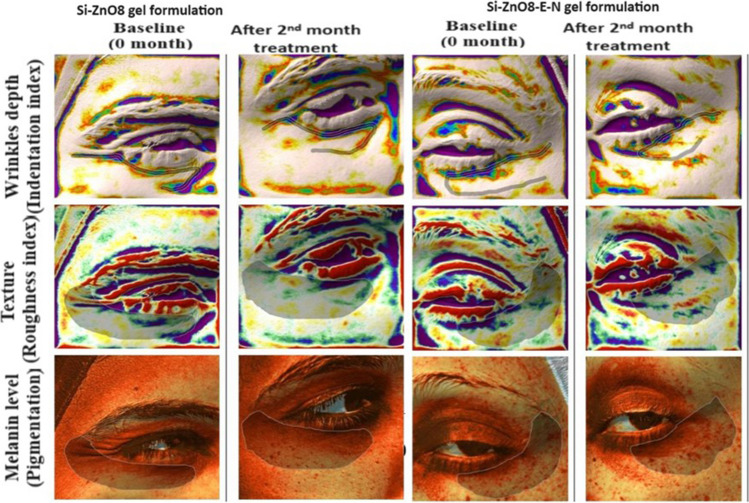
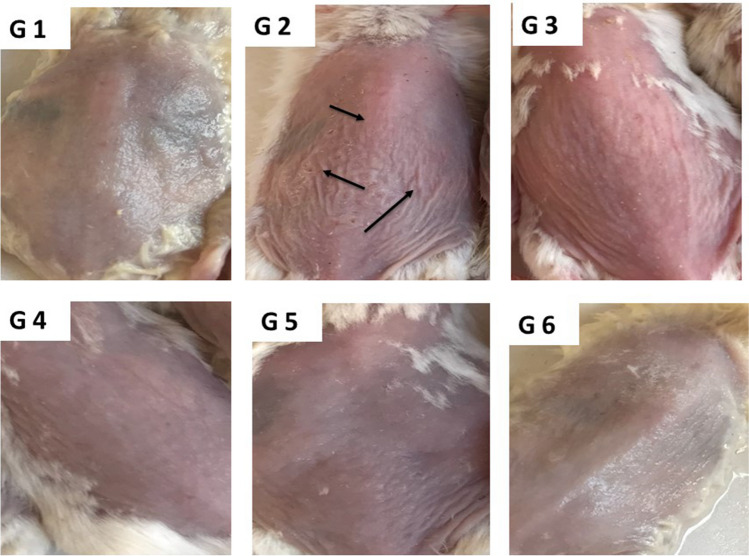
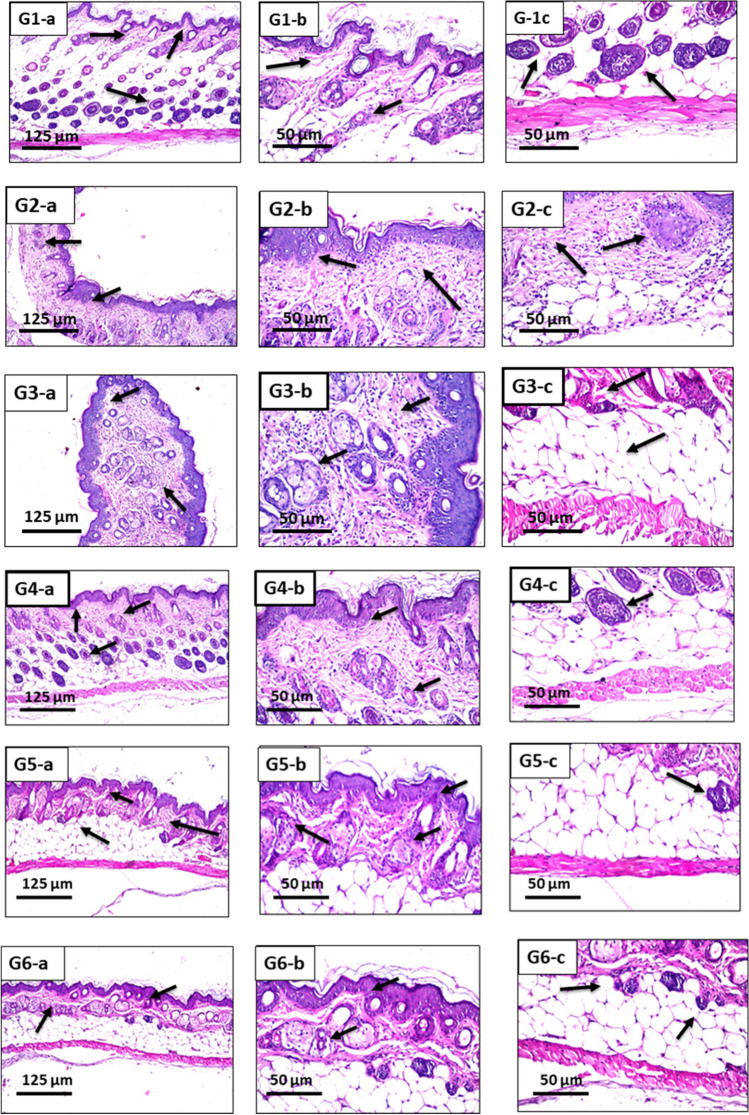
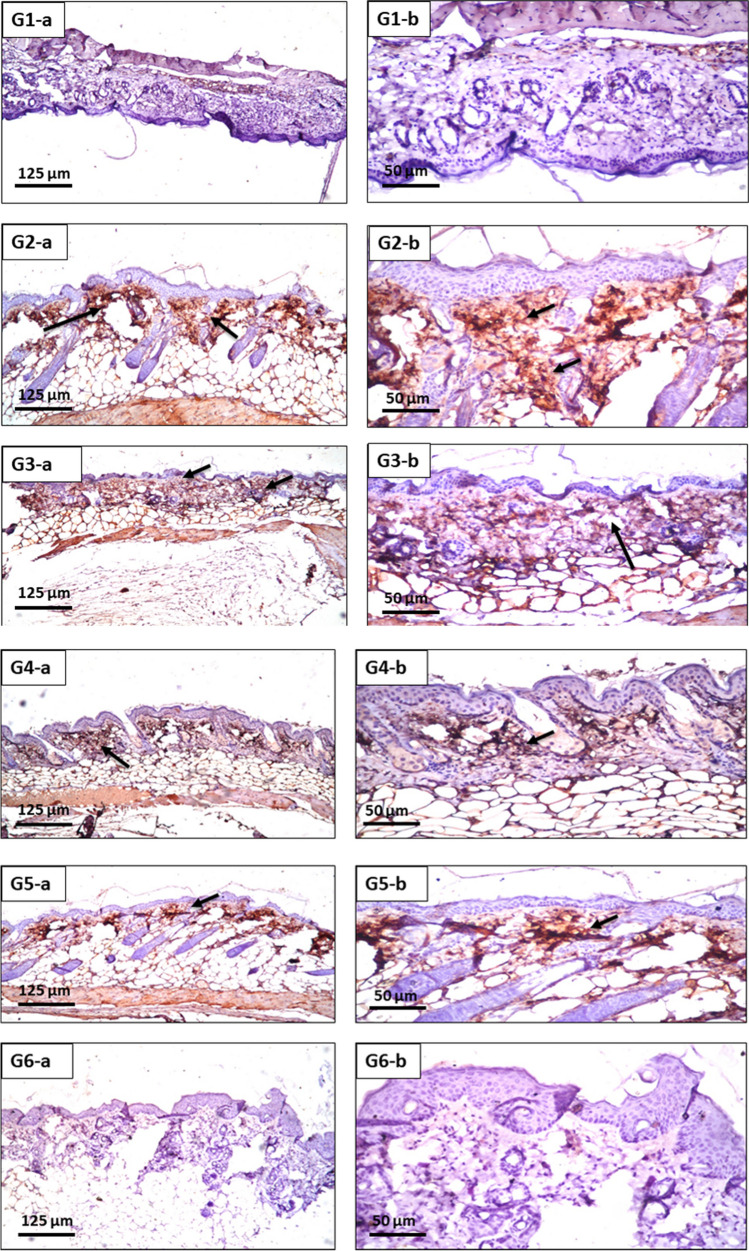
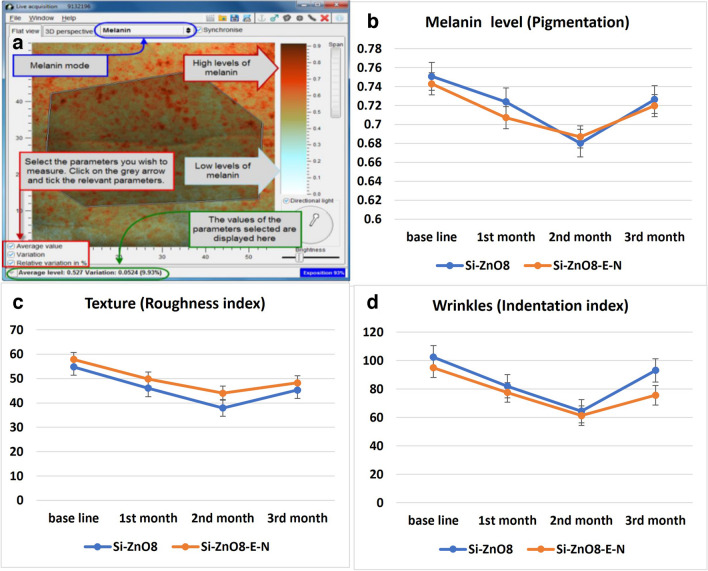
Silica coated ZnO NPs and MAP nanovesicles (ethosomes and niosomes) were synthesized, formulated, and evaluated as topical gels. These gel formulations were evaluated in mice for their photoprotective effect against UV irradiation through histopathology and immuno-histochemistry study. Split-face clinical study was conducted to compare the effect of application of silica coated ZnO NPs either alone or combined with MAP nanovesicles. Their photoprotective action was evaluated, using Antera 3D® camera, for melanin level, roughness index and wrinkles depth.
Silica coated ZnO NPs when combined with MAP nanovesicles protected mice skin from UV irradiation and decreased the expression of the proinflammatory cytokines, NF-κB. Clinically, silica coated ZnO NPs, alone or combined with MAP nanovesicles, could have significant effect to decrease melanin level, roughness index and wrinkles depth with higher effect for the combination.
A composite of silica coated ZnO NPs and MAP nanovesicles could be a promising cosmetic formulation for skin protection against photodamage signs such as hyperpigmentation, roughness, and wrinkles.
氧化锌纳米粒子(ZnO NPs)广泛应用于当今的个人护理产品中,尤其是防晒霜,作为抵御紫外线辐射的保护剂。然而,它们有一些潜在毒性的报告。二氧化硅广泛用于笼状 ZnO NPs 以降低其潜在毒性。维生素 C 衍生物,抗坏血酸镁(MAP),是一种有效的抗氧化剂,可有效地保护人体皮肤免受紫外线辐射和氧化应激的有害影响。用二氧化硅包覆的 ZnO NPs 和 MAP 纳米囊泡的组合可能对皮肤光损伤具有潜在的协同保护作用。
合成、配制并评价了二氧化硅包覆的 ZnO NPs 和 MAP 纳米囊泡(醇质体和非离子囊泡)作为局部凝胶。通过组织病理学和免疫组织化学研究,在小鼠中评估这些凝胶制剂对紫外线照射的光保护作用。进行了分割面临床研究,以比较单独应用或联合应用 MAP 纳米囊泡的二氧化硅包覆 ZnO NPs 的效果。使用 Antera 3D®相机评估其对黑色素水平、粗糙度指数和皱纹深度的光保护作用。
二氧化硅包覆的 ZnO NPs 与 MAP 纳米囊泡联合使用可保护小鼠皮肤免受紫外线照射,并降低促炎细胞因子 NF-κB 的表达。临床上,单独或联合应用 MAP 纳米囊泡的二氧化硅包覆 ZnO NPs 可显著降低黑色素水平、粗糙度指数和皱纹深度,联合应用的效果更高。
二氧化硅包覆的 ZnO NPs 和 MAP 纳米囊泡的组合可能是一种有前途的化妆品配方,可用于保护皮肤免受光损伤迹象,如色素沉着、粗糙和皱纹。