Department of Health Policy & Management, School of Management and Medical Informatics, Tabriz University of Medical Sciences, Tabriz, Iran.
School of Health and Social Care, University of Essex Colchester, Colchester, UK.
Glob Health Action. 2024 Dec 31;17(1):2370095. doi: 10.1080/16549716.2024.2370095. Epub 2024 Jul 12.
Emigration of health workers has emerged as a significant obstacle in Iran, compelling policymakers to implement a diverse range of interventions and reforms to enhance healthcare services. It is imperative to comprehend the efficacy of emigration control interventions. To explore the intricate dynamics of elite emigration, this study employs a system dynamics modeling approach. The objective is to scrutinize Iranian health workers' emigration, examine the relationships, and evaluate the impact of various factors involved.
The general purpose of this study is to analyze the policy interventions affecting the emigration of human resources in the field of health in Iran based on the system's dynamic approach.
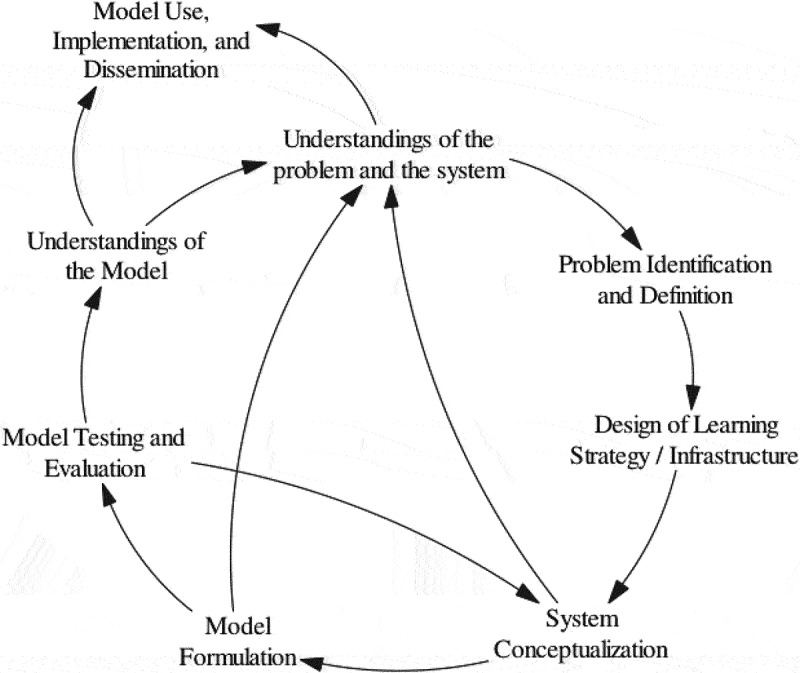
The research consists of four phases including analyzing the emigration status of health workers in developing countries, studying health personnel emigration in Iran, developing a System Dynamics (SD) model, and determining evidence-based policy interventions to address health worker emigration. These phases involve realist review, document analysis, qualitative interviews, data integration, and policy scenario planning. The primary objective is to gain a profound understanding of the underlying causes, mechanisms, and consequences of migration, as well as assess the impact of policies, in order to prioritize effective interventions.
It seems that the SD model developed in this study can highlight the interconnectedness of various factors that influence health worker emigration, including demographic changes, economic conditions, and characteristics of healthcare systems.
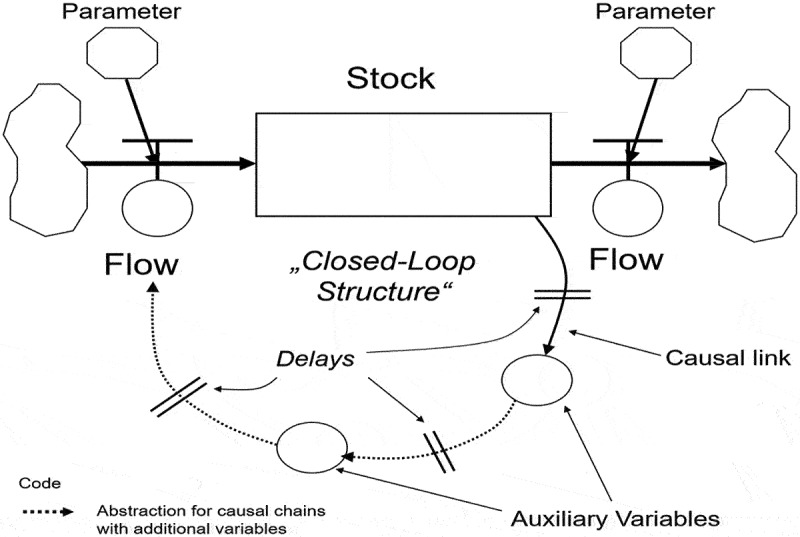
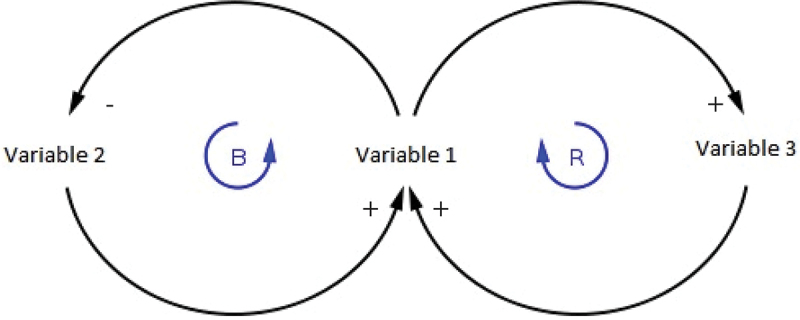
This study uses a systems dynamics approach to analyze health worker emigration from Iran, focusing on policies that promote retention and explore the implications of emigration on the healthcare system. By examining interrelationships and feedback loops within the healthcare system and socioeconomic factors, the study aims to identify effective policy interventions that can mitigate the negative effects of emigration.
卫生工作者移民已成为伊朗面临的重大障碍,迫使政策制定者实施各种干预措施和改革,以加强医疗保健服务。了解移民控制干预措施的效果至关重要。为了探究精英移民的复杂动态,本研究采用系统动力学建模方法。目的是研究伊朗卫生工作者移民的情况,考察各种因素之间的关系,并评估它们的影响。
本研究的总体目的是基于系统动力学方法分析影响伊朗卫生领域人力资源移民的政策干预措施。
该研究包括四个阶段,包括分析发展中国家卫生工作者移民状况、研究伊朗卫生人员移民、开发系统动力学(SD)模型以及确定解决卫生工作者移民的基于证据的政策干预措施。这些阶段包括现实主义审查、文件分析、定性访谈、数据整合和政策情景规划。主要目的是深入了解移民的根本原因、机制和后果,并评估政策的影响,以便优先考虑有效的干预措施。
似乎本研究中开发的 SD 模型可以突出影响卫生工作者移民的各种因素之间的相互关系,包括人口变化、经济条件和医疗保健系统的特征。
本研究使用系统动力学方法分析伊朗卫生工作者移民,重点关注促进保留的政策,并探讨移民对医疗保健系统的影响。通过考察医疗保健系统和社会经济因素中的相互关系和反馈回路,本研究旨在确定能够减轻移民负面影响的有效政策干预措施。