Hargraves Ian G, Boehmer Kasey R, Amer Hatem, Kennedy Cassie C, Griffin Joan M, Finnie Dawn M, Montori Victor M, Smither Fantley Clay, Mardini Samir, Moran Steven, Jowsey-Gregoire Sheila
Knowledge and Encounter Research (KER) Unit, Mayo Clinic, Rochester, MN, United States.
Division of Nephrology and Hypertension, Mayo Clinic, Rochester, MN, United States.
Front Transplant. 2024 Jul 9;3:1421154. doi: 10.3389/frtra.2024.1421154. eCollection 2024.
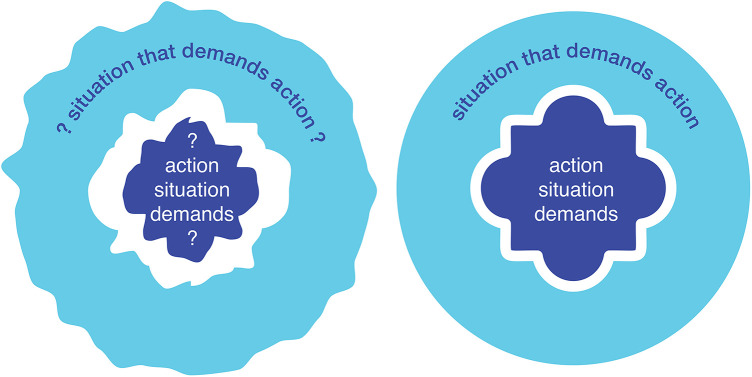
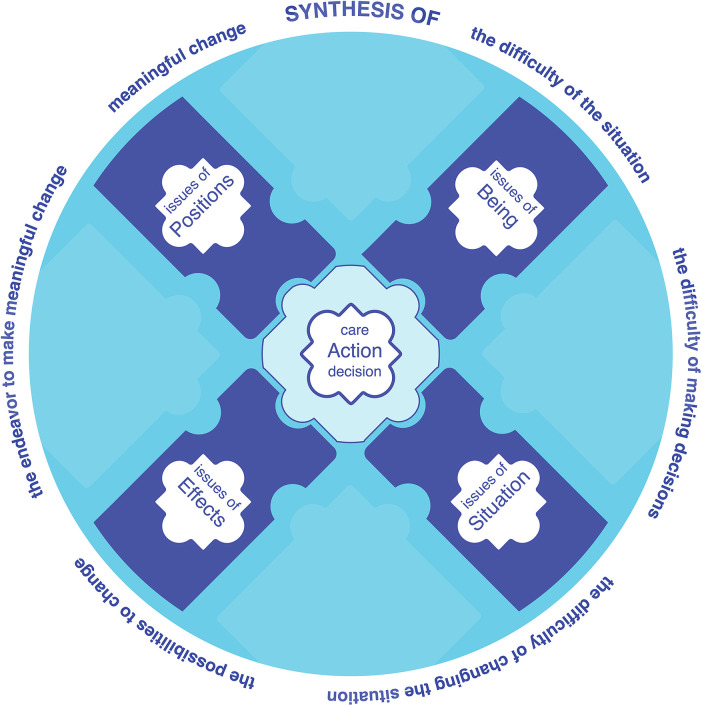
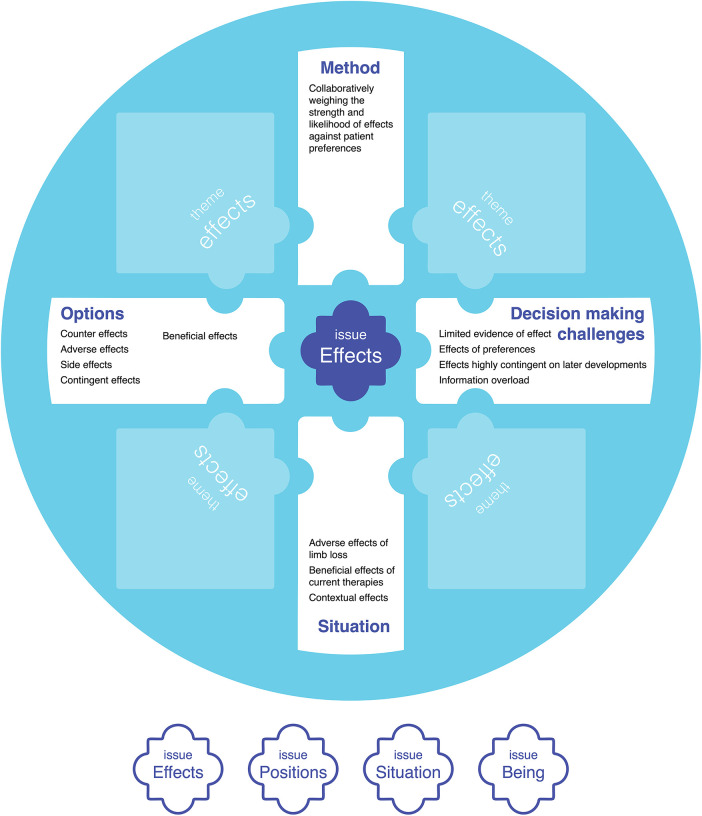
For some patients who have lost the lower part of an arm, hand transplant offers the possibility of receiving a new limb with varying degrees of sensation and function. This procedure, Vascularized Composite Allotransplantation (VCA), is demanding for patients and their care community and comes with significant risks. As a high-stakes decision, patients interested in VCA are subject to extensive clinical evaluation and eligibility decision making. Patients and their care community must also decide if hand transplant (versus other approaches including rehabilitative therapies with or without prosthesis) is right for them. This decision making is often confusing and practically and emotionally fraught. It is complicated in four ways: by the numerous beneficial and harmful potential effects of hand transplant or other options, the number of people affected by VCA and the diverse or conflicting positions that they may hold, the practical demands and limitations of the patient's life situation, and the existential significance of limb loss and transplant for the patient's being. Patients need support in working through these treatment determining issues. Evaluation does not provide this support. Shared decision making (SDM) is a method of care that helps patients think, talk, and feel their way through to the right course of action for them. However, traditional models of SDM that focus on weighing possible beneficial and harmful effects of treatments are ill-equipped to tackle the heterogeneous issues of VCA. A recent model, Purposeful SDM extends the range of troubling issues that SDM can help support beyond opposing effects, to include conflicting positions, life situations, and existential being. In this paper we explore the pertinence of these issues in VCA, methods of SDM that each require of clinicians, the benefits of supporting patients with the breadth of issues in their unique problematic situations, implications for outcomes and practice, and extend the theory of the Purposeful SDM model itself based on the issues present in hand transplant decision making.
对于一些失去手臂下半部分的患者来说,手部移植为他们提供了获得具有不同程度感觉和功能的新肢体的可能性。这种手术,即血管化复合异体移植(VCA),对患者及其护理团队来说要求很高,并且伴随着重大风险。作为一个高风险的决定,对VCA感兴趣的患者需要接受广泛的临床评估和资格判定。患者及其护理团队还必须决定手部移植(与其他方法,包括有无假体的康复治疗)是否适合他们。这种决策往往令人困惑,在实际操作和情感上都充满压力。它在四个方面很复杂:手部移植或其他选择的众多潜在利弊、受VCA影响的人数以及他们可能持有的不同或相互冲突的立场、患者生活状况的实际需求和限制,以及肢体缺失和移植对患者生存的重要意义。患者在解决这些决定治疗方案的问题时需要支持。评估并不能提供这种支持。共同决策(SDM)是一种护理方法,它帮助患者思考、交谈并摸索出适合他们的正确行动方案。然而,传统的SDM模式侧重于权衡治疗可能的利弊,却没有能力处理VCA的异质性问题。一种新的模式,即有目的的SDM,将SDM能够帮助支持的棘手问题范围扩展到了对立影响之外,包括相互冲突的立场、生活状况和生存意义。在本文中,我们探讨了这些问题在VCA中的相关性、每种SDM方法对临床医生的要求、在患者独特的问题情境中支持他们处理广泛问题的益处、对结果和实践的影响,并基于手部移植决策中存在的问题扩展有目的的SDM模式的理论。