Department of Clinical Nutrition, Maria Sklodowska-Curie National Research Institute of Oncology, 02-781 Warsaw, Poland.
Department of Oncology Diagnostics, Cardio-Oncology and Palliative Medicine, Maria Sklodowska-Curie National Research Institute of Oncology, 02-781 Warsaw, Poland.
Nutrients. 2024 Jun 30;16(13):2093. doi: 10.3390/nu16132093.
Patients during radiotherapy due to head and neck cancers experience a lot of side effects which may have a considerable impact on the patients' ability to meet individual daily energy demands by means of oral diet.
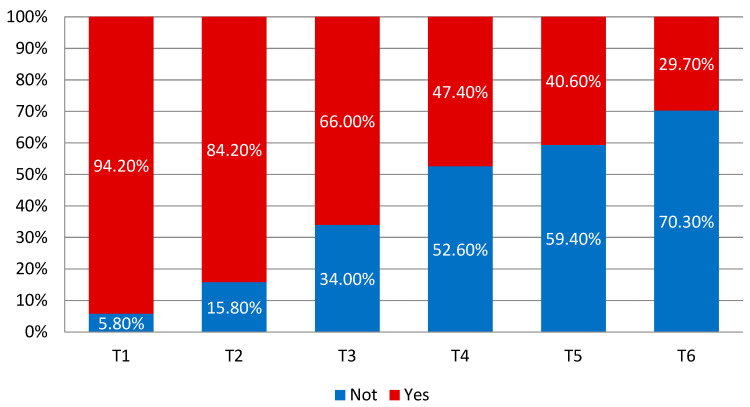
The study included 104 head and neck cancer patients who qualified for radical radiotherapy. Radical treatment takes 6 weeks and every week the patients were assessed for dietary intake. The subjects were covered with the constant care of a dietician, received FSMP (food for special medical purposes), and, if necessary, enteral nutrition.
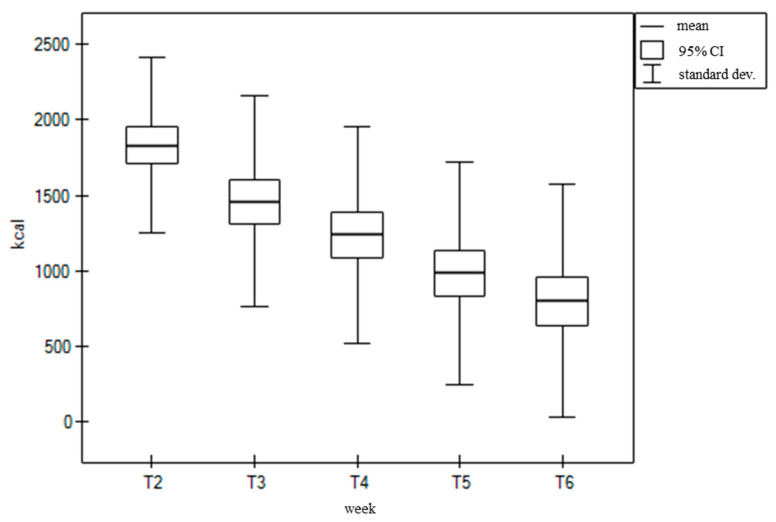
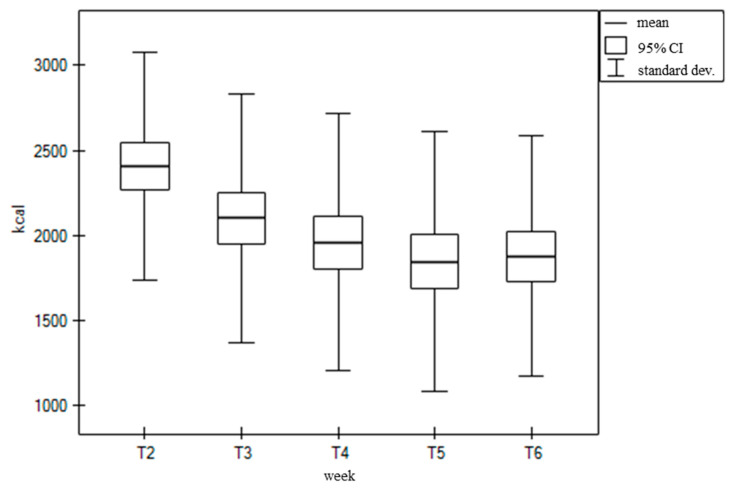
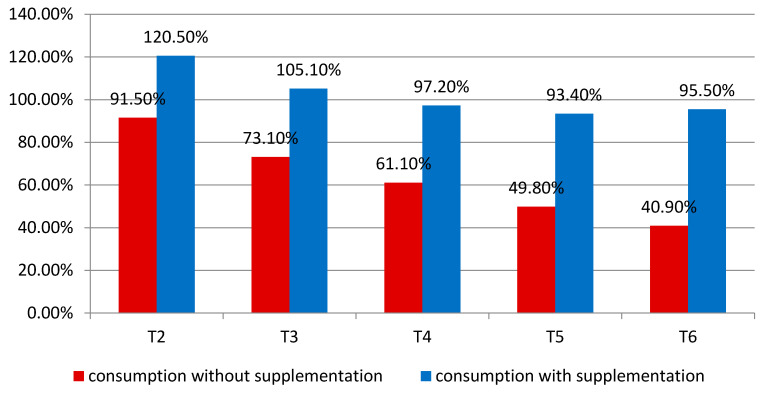
In the first week of treatment, the patients, from the kitchen diet alone, met 91.5% of the energy demand, while in the last week of treatment, only 40.9%. After introducing the FSMP or enteral nutrition, the patients met 120% of the demand in the first week of therapy and 95% in the last week, respectively. The patients who followed the dietary recommendations were characterized by significantly lower weight loss (3.07 kg) compared to non-adherent patients (5.56 kg).
The used therapy significantly contributed to decreasing nutritional intake in the subsequent weeks of treatment. On the other hand, incorporating FSMP in the diet and enteral nutrition with industrial diets significantly increased the fulfilled energy demand of patients.
头颈部癌症患者在接受放射治疗期间会经历许多副作用,这可能会极大地影响患者通过口服饮食满足个人日常能量需求的能力。
本研究纳入了 104 名符合根治性放疗条件的头颈部癌症患者。根治性治疗需要 6 周,每周评估一次患者的饮食摄入情况。研究对象接受营养师的持续护理,接受特殊医学用途配方食品(FSMP),并在必要时接受肠内营养。
在治疗的第一周,患者仅从厨房饮食中摄入了 91.5%的能量需求,而在治疗的最后一周,仅摄入了 40.9%。在引入 FSMP 或肠内营养后,患者在治疗的第一周分别满足了 120%和 95%的需求,在最后一周分别满足了 100%和 90%的需求。遵循饮食建议的患者与不遵守饮食建议的患者相比,体重减轻明显(3.07 公斤)。
所使用的治疗方法显著导致治疗后几周的营养摄入减少。另一方面,在饮食中加入 FSMP 和以工业配方制成的肠内营养显著增加了患者满足的能量需求。