Laboratory of Molecular and Metabolic Biochemistry, Faculty of Medicine and Pharmacy, Research Institute for Health Sciences and Technology, University of Mons (UMONS), 20, Place du Parc, 7000 Mons, Belgium.
Laboratory of Biochemistry and Cell Biology (URBC), Namur Research Institute for Life Sciences (NARILIS), University of Namur (UNamur), 61, Rue de Bruxelles, 5000 Namur, Belgium.
Int J Mol Sci. 2024 Jun 25;25(13):6936. doi: 10.3390/ijms25136936.
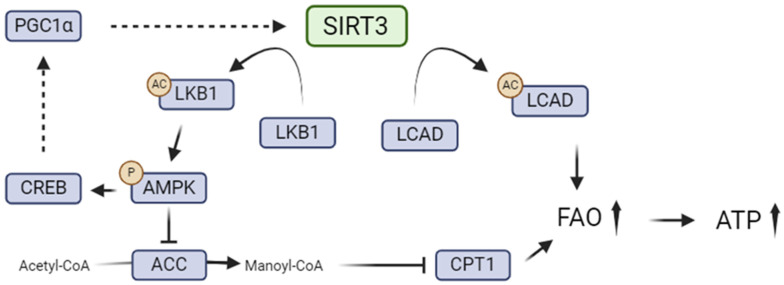
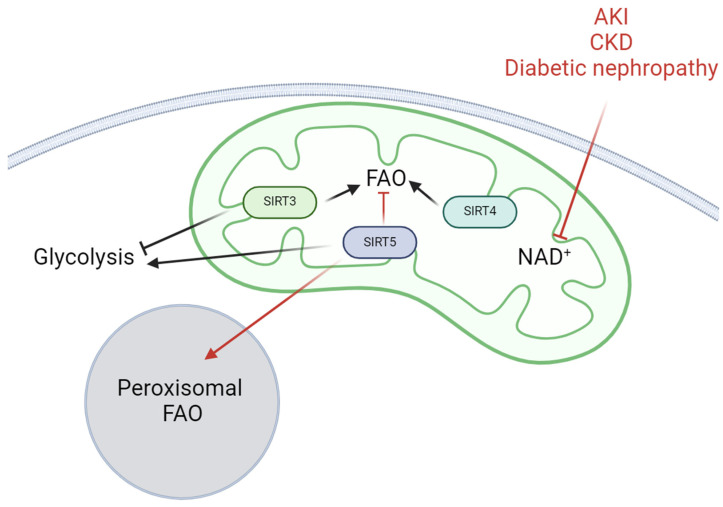
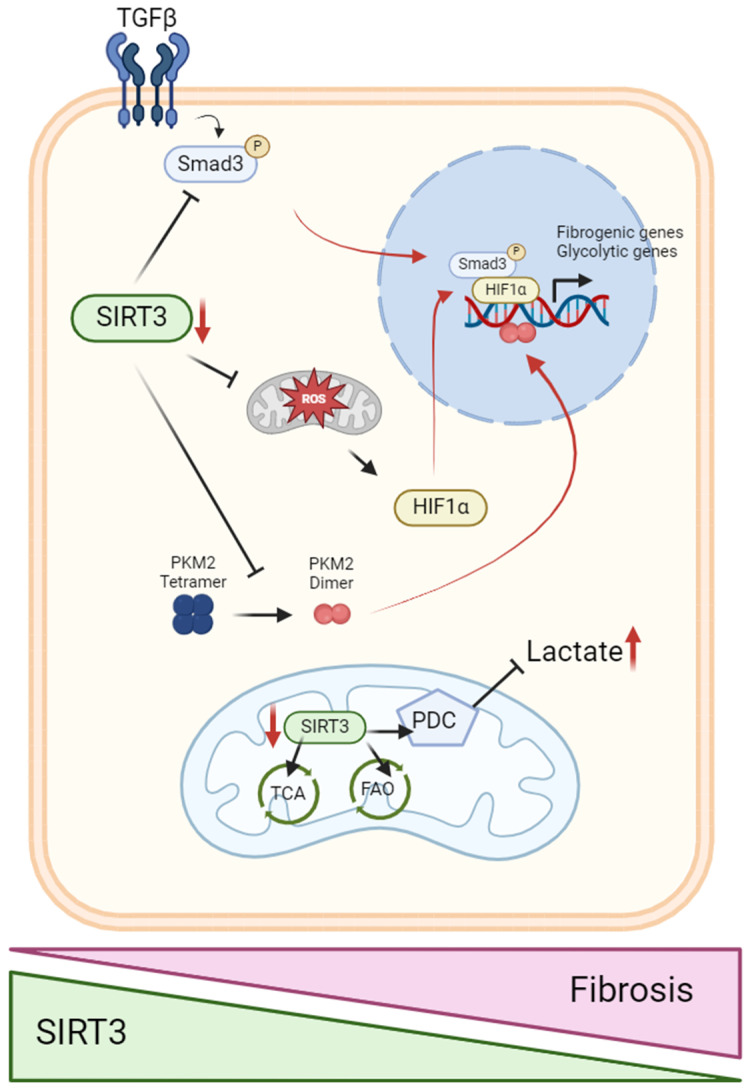
Kidney diseases, including chronic kidney disease (CKD), diabetic nephropathy, and acute kidney injury (AKI), represent a significant global health burden. The kidneys are metabolically very active organs demanding a large amount of ATP. They are composed of highly specialized cell types in the glomerulus and subsequent tubular compartments which fine-tune metabolism to meet their numerous and diverse functions. Defective renal cell metabolism, including altered fatty acid oxidation or glycolysis, has been linked to both AKI and CKD. Mitochondria play a vital role in renal metabolism, and emerging research has identified mitochondrial sirtuins (SIRT3, SIRT4 and SIRT5) as key regulators of renal cell metabolic adaptation, especially SIRT3. Sirtuins belong to an evolutionarily conserved family of mainly NAD-dependent deacetylases, deacylases, and ADP-ribosyl transferases. Their dependence on NAD, used as a co-substrate, directly links their enzymatic activity to the metabolic status of the cell. In the kidney, SIRT3 has been described to play crucial roles in the regulation of mitochondrial function, and the antioxidative and antifibrotic response. SIRT3 has been found to be constantly downregulated in renal diseases. Genetic or pharmacologic upregulation of SIRT3 has also been associated with beneficial renal outcomes. Importantly, experimental pieces of evidence suggest that SIRT3 may act as an important energy sensor in renal cells by regulating the activity of key enzymes involved in metabolic adaptation. Activation of SIRT3 may thus represent an interesting strategy to ameliorate renal cell energetics. In this review, we discuss the roles of SIRT3 in lipid and glucose metabolism and in mediating a metabolic switch in a physiological and pathological context. Moreover, we highlight the emerging significance of other mitochondrial sirtuins, SIRT4 and SIRT5, in renal metabolism. Understanding the role of mitochondrial sirtuins in kidney diseases may also open new avenues for innovative and efficient therapeutic interventions and ultimately improve the management of renal injuries.
肾脏疾病,包括慢性肾脏病(CKD)、糖尿病肾病和急性肾损伤(AKI),是全球重大健康负担。肾脏是代谢非常活跃的器官,需要大量的 ATP。它们由肾小球和随后的管状隔室中的高度特化细胞类型组成,这些细胞类型精细地调节代谢以满足其众多和多样化的功能。肾细胞代谢的缺陷,包括脂肪酸氧化或糖酵解的改变,与 AKI 和 CKD 都有关。线粒体在肾脏代谢中起着至关重要的作用,新兴的研究已经确定了线粒体中的 SIRTuins(SIRT3、SIRT4 和 SIRT5)是肾细胞代谢适应的关键调节剂,特别是 SIRT3。Sirtuins 属于一个进化上保守的 NAD 依赖性去乙酰化酶、去酰基酶和 ADP-核糖基转移酶家族。它们对 NAD 的依赖性,作为一种共底物,直接将它们的酶活性与细胞的代谢状态联系起来。在肾脏中,SIRT3 被描述为在调节线粒体功能、抗氧化和抗纤维化反应中发挥关键作用。在肾脏疾病中发现 SIRT3 持续下调。SIRT3 的遗传或药理学上调也与有益的肾脏结局相关。重要的是,实验证据表明,SIRT3 可以通过调节参与代谢适应的关键酶的活性,作为肾细胞中的重要能量传感器发挥作用。因此,SIRT3 的激活可能代表改善肾细胞能量学的一种有趣策略。在这篇综述中,我们讨论了 SIRT3 在脂质和葡萄糖代谢中的作用,以及在生理和病理环境中调节代谢转换的作用。此外,我们强调了其他线粒体 SIRTuins,SIRT4 和 SIRT5,在肾脏代谢中的新兴意义。了解线粒体 SIRTuins 在肾脏疾病中的作用也可能为创新和有效的治疗干预开辟新途径,并最终改善肾脏损伤的管理。