Instituto de Neurociencias, Centro Interdisciplinario de Neurociencia, Universidad de Valparaíso, Valparaíso 2362807, Chile.
Department of Pediatrics, University of Chicago, Chicago, IL 60637, USA.
Int J Mol Sci. 2024 Jun 30;25(13):7246. doi: 10.3390/ijms25137246.
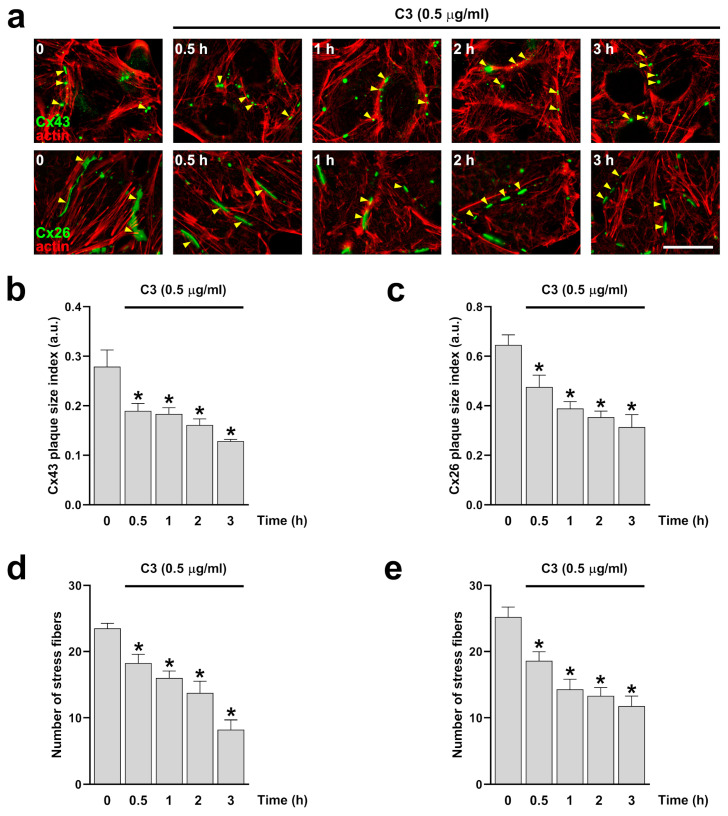
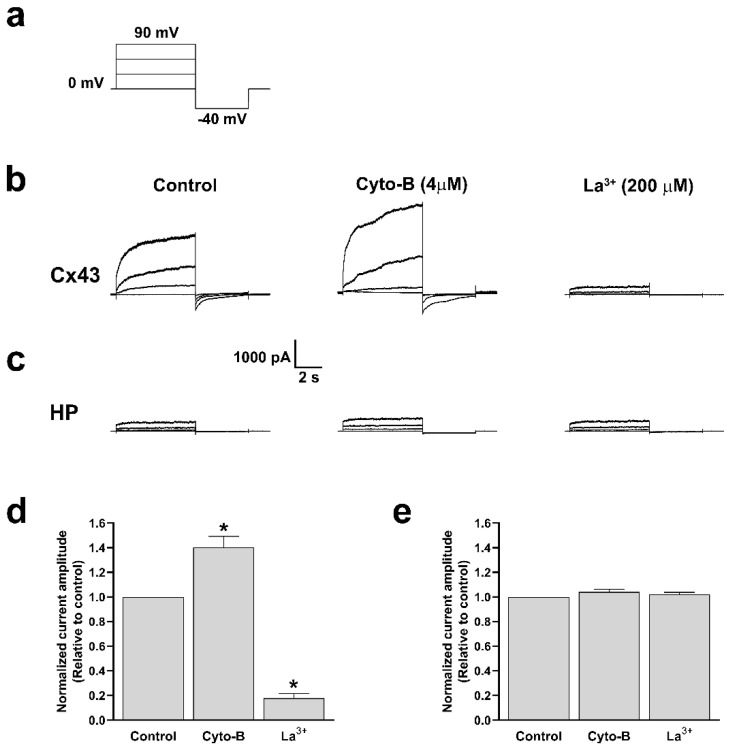
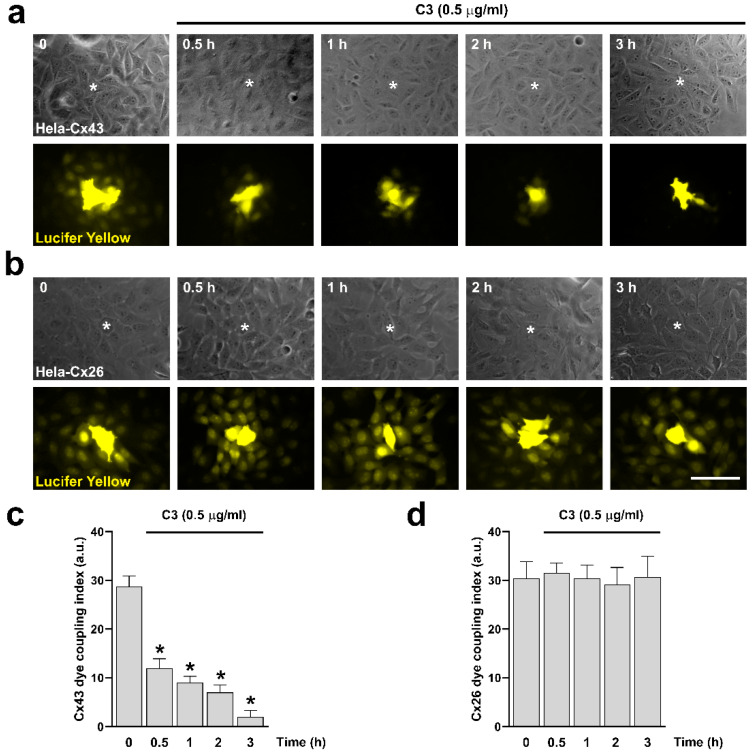
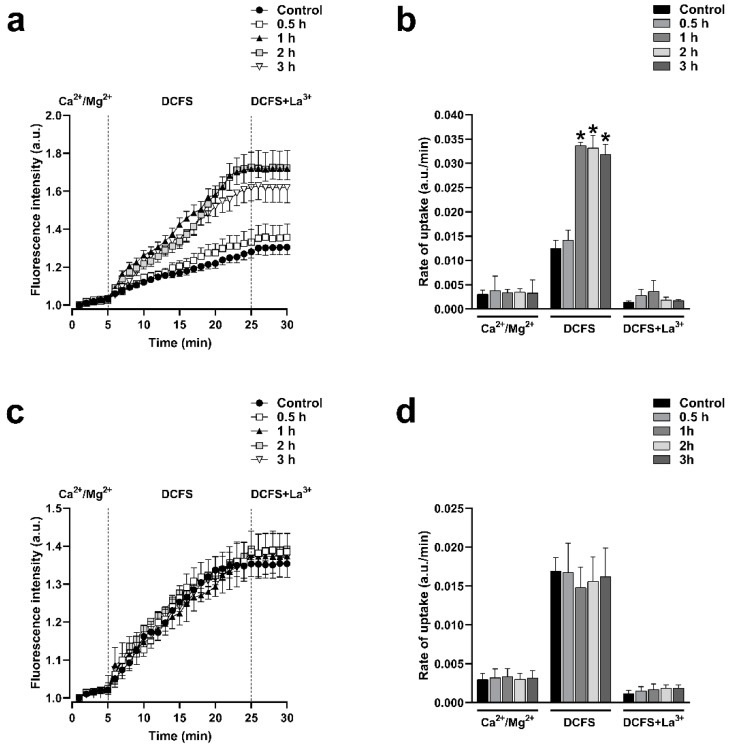
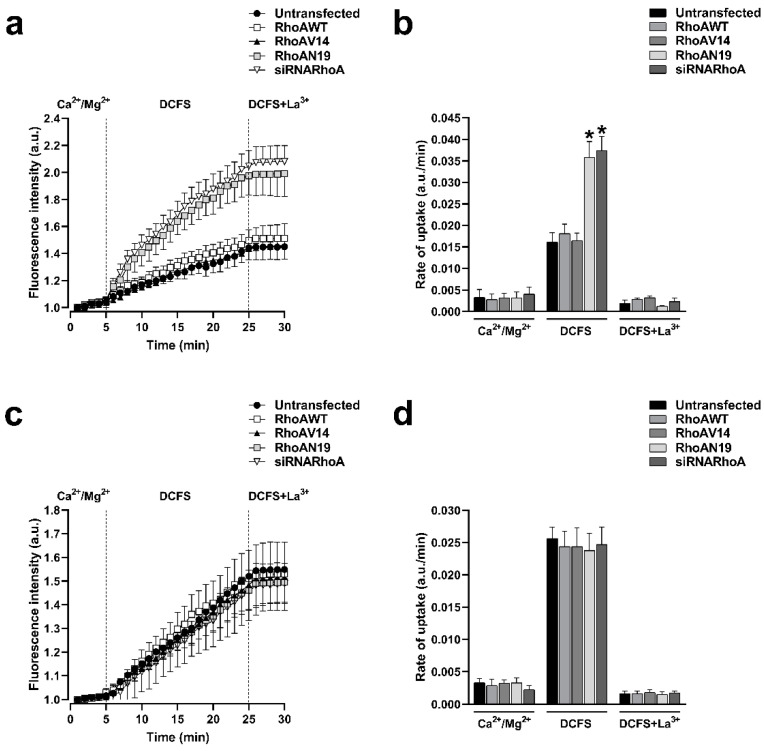
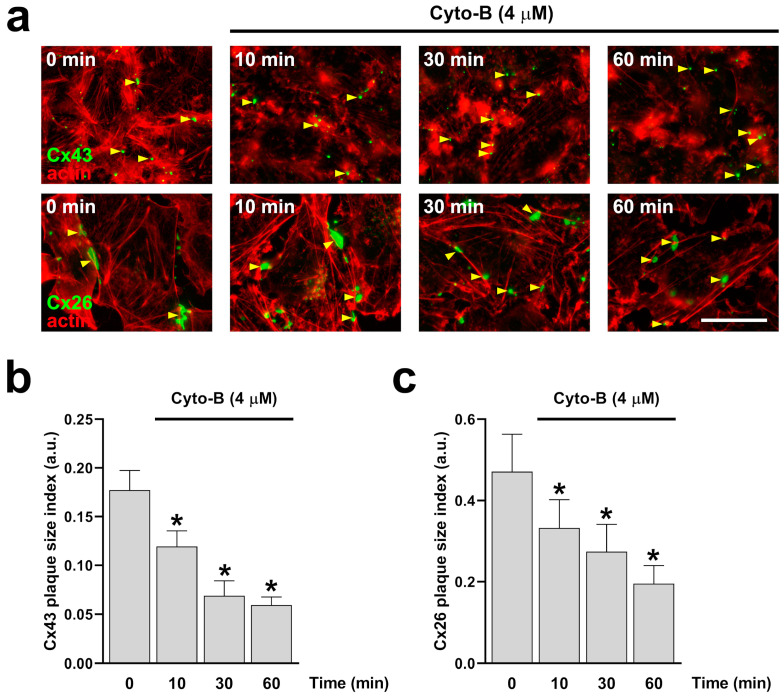
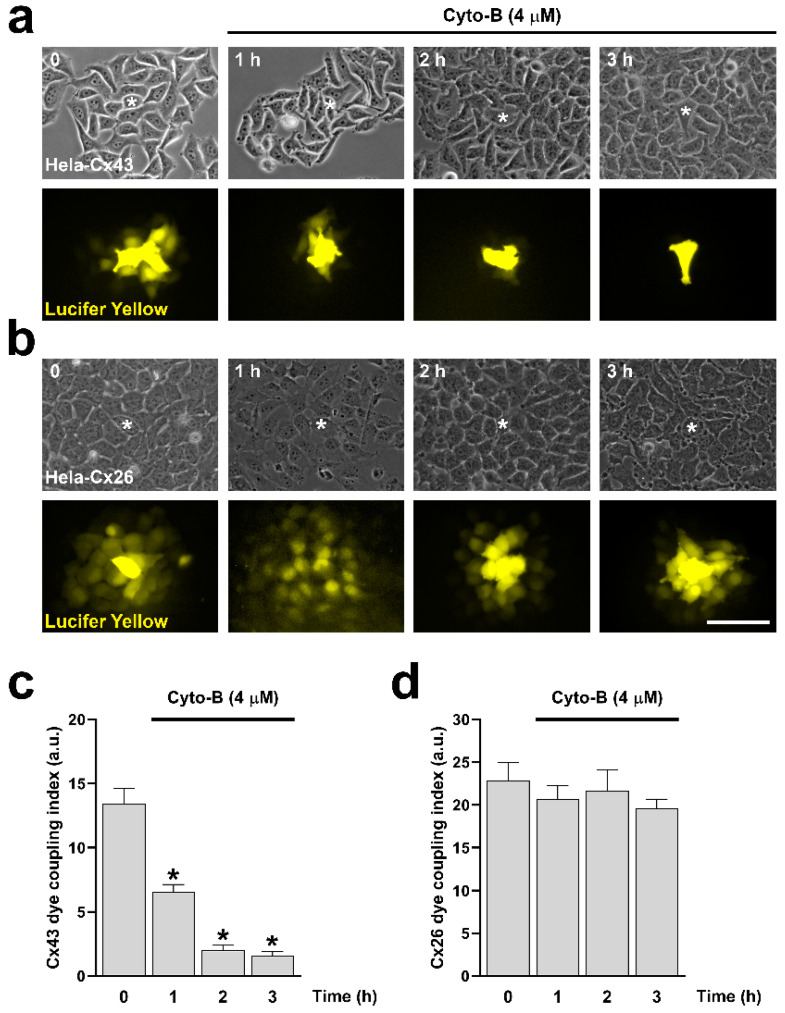
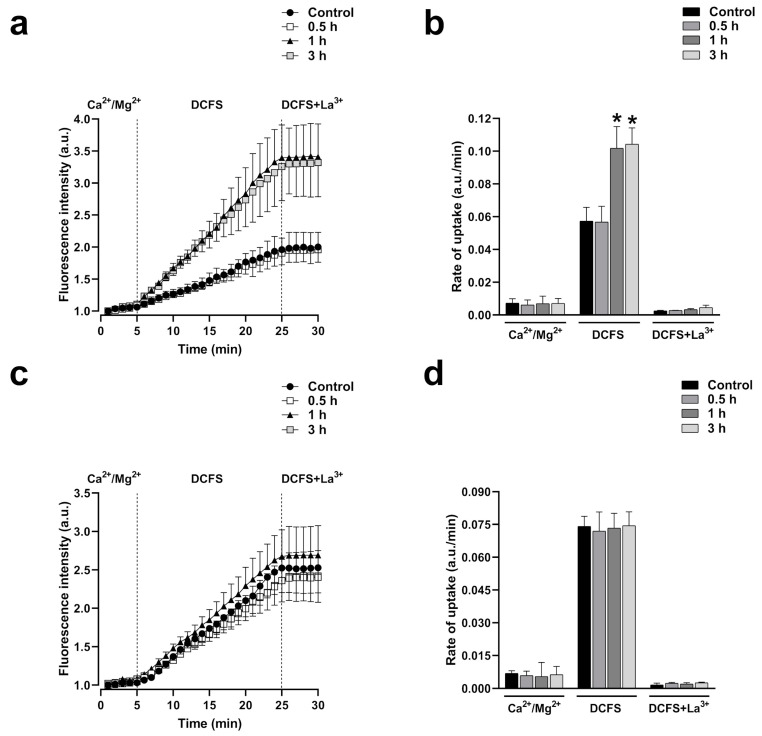
Connexins (Cxs) are transmembrane proteins that assemble into gap junction channels (GJCs) and hemichannels (HCs). Previous researches support the involvement of Rho GTPases and actin microfilaments in the trafficking of Cxs, formation of GJCs plaques, and regulation of channel activity. Nonetheless, it remains uncertain whether distinct types of Cxs HCs and GJCs respond differently to Rho GTPases or changes in actin polymerization/depolymerization dynamics. Our investigation revealed that inhibiting RhoA, a small GTPase that controls actin polymerization, or disrupting actin microfilaments with cytochalasin B (Cyto-B), resulted in reduced GJCs plaque size at appositional membranes and increased transport of HCs to non-appositional plasma membrane regions. Notably, these effects were consistent across different Cx types, since Cx26 and Cx43 exhibited similar responses, despite having distinct trafficking routes to the plasma membrane. Functional assessments showed that RhoA inhibition and actin depolymerization decreased the activity of Cx43 GJCs while significantly increasing HC activity. However, the functional status of GJCs and HCs composed of Cx26 remained unaffected. These results support the hypothesis that RhoA, through its control of the actin cytoskeleton, facilitates the transport of HCs to appositional cell membranes for GJCs formation while simultaneously limiting the positioning of free HCs at non-appositional cell membranes, independently of Cx type. This dynamic regulation promotes intercellular communications and reduces non-selective plasma membrane permeability through a Cx-type dependent mechanism, whereby the activity of Cx43 HCs and GJCs are differentially affected but Cx26 channels remain unchanged.
间隙连接蛋白(Cxs)是一种跨膜蛋白,可组装成缝隙连接通道(GJCs)和半通道(HCs)。先前的研究支持 Rho GTPases 和肌动蛋白微丝参与 Cxs 的运输、GJCs 斑块的形成以及通道活性的调节。然而,不同类型的 Cxs HCs 和 GJCs 是否对 Rho GTPases 或肌动蛋白聚合/解聚动力学的变化有不同的反应仍然不确定。我们的研究表明,抑制 RhoA(一种控制肌动蛋白聚合的小 GTPase)或用细胞松弛素 B(Cyto-B)破坏肌动蛋白微丝,会导致贴壁膜处 GJCs 斑块大小减小,并且 HCs 向非贴壁质膜区域的转运增加。值得注意的是,这些效应在不同的 Cx 类型中是一致的,因为 Cx26 和 Cx43 表现出相似的反应,尽管它们有不同的途径到达质膜。功能评估表明,RhoA 抑制和肌动蛋白解聚降低了 Cx43 GJCs 的活性,同时显著增加了 HC 活性。然而,由 Cx26 组成的 GJCs 和 HCs 的功能状态不受影响。这些结果支持了 RhoA 通过其对肌动蛋白细胞骨架的控制,促进 HCs 向贴壁细胞膜的运输以形成 GJCs,同时限制游离 HCs 在非贴壁细胞膜上的定位的假说,这与 Cx 类型无关。这种动态调节通过一种依赖于 Cx 类型的机制促进细胞间通讯并降低非选择性质膜通透性,其中 Cx43 HCs 和 GJCs 的活性受到不同影响,但 Cx26 通道保持不变。