Yiu Mei Kwan, Ho Mary, Ho Assunta C H, Chan Winnie K Y, Yung Wing, Yip Wilson W K, Young Alvin L
Department of Ophthalmology & Visual Sciences, Prince of Wales Hospital, The Chinese University of Hong Kong, 30-32 Ngan Shing Street, Shatin, New Territories, Hong Kong SAR, China.
Department of Paediatrics, Prince of Wales Hospital, The Chinese University of Hong Kong, Hong Kong SAR, China.
J Ophthalmic Inflamm Infect. 2024 Jul 17;14(1):34. doi: 10.1186/s12348-024-00415-z.
To evaluate unique clinical characteristics of paediatric uveitis in our locality and treatment outcomes especially the efficacy of biologics.
This was a retrospective cohort.
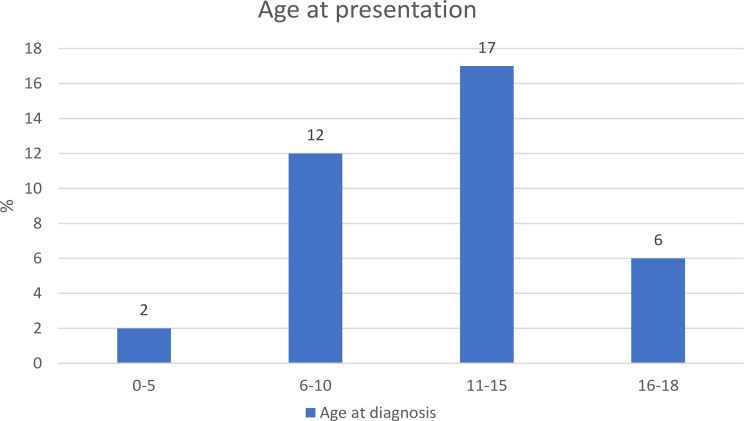
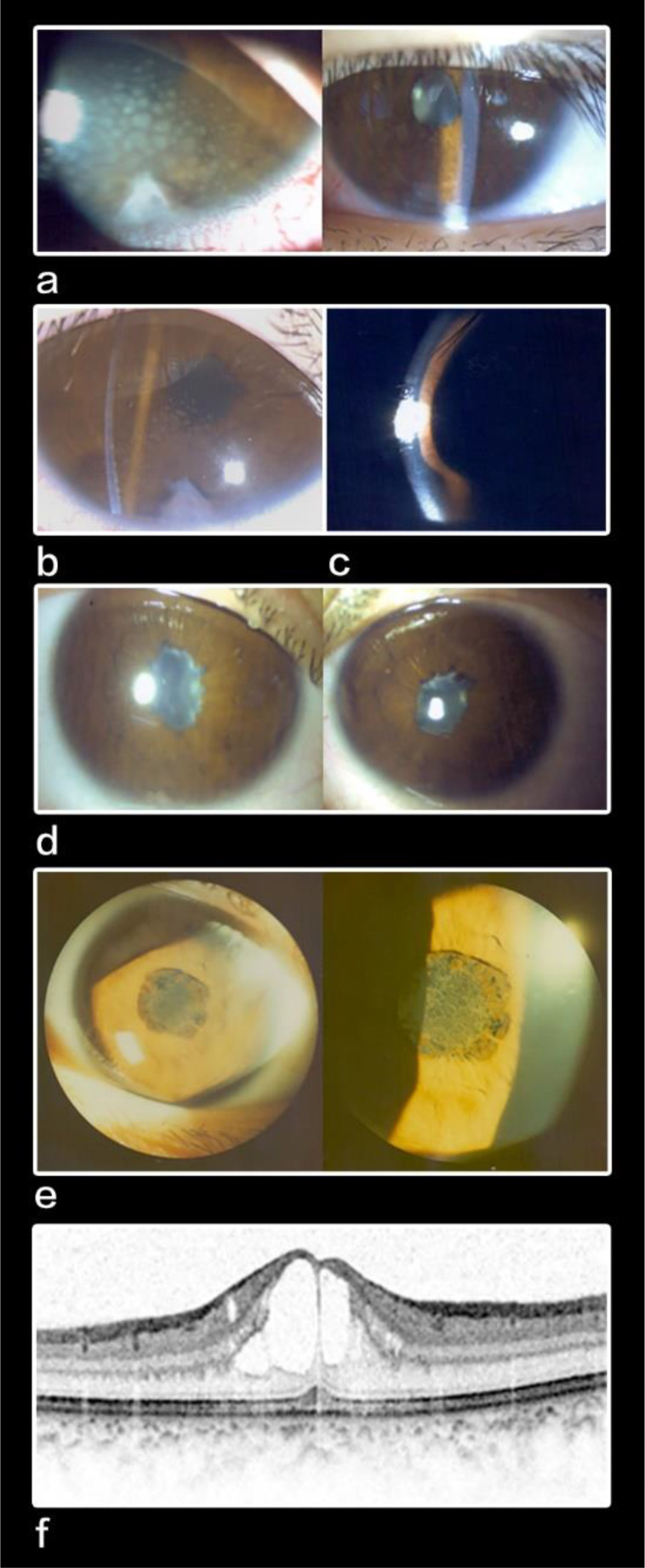
37 paediatric uveitis cases involving 67 eyes were included. Male-to-female ratio was 1:1.3. Mean age of uveitis onset was 11 ± 3.7 (4-18). 81.1% cases suffered from bilateral uveitis. 75.7% cases were chronic uveitis. Nearly half of the cases (40.5%) presented with anterior uveitis. The predominant diagnosis of uveitis in our cohort was idiopathic. Unlike studies from other populations, the associated systemic conditions in this mostly Chinese cohort were Behçet's disease (8.1%), tubulointerstitial nephritis and uveitis (8.1%) and HLA-B27 associated uveitis (8.1%). Steroid response was a common phenomenon, observed in 40.5% of cases. The most common complication was posterior synechiae (45.9%), followed by cataract (37.8%), glaucoma (27.0%), band keratopathy (18.9%) and macular oedema (13.5%). 3/37 patients encountered either first attack of uveitis or flare after receiving COVID-19 vaccine. 54.1% of patients required systemic steroid for disease control. The majority required steroid sparing immunotherapy, including Methotrexate (43.2%), Mycophenolate Mofetil (24.3%), Cyclosporine A (8.1%), Azathioprine (5.4%) and Tacrolimus (2.7%). Resistant cases required biologics including tumour necrosis factor alpha inhibitors (Adalimumab 32.4%, Infliximab 2.7%) and interleukin-6 inhibitors (Tocilizumab 2.7%).
Clinical presentation of the local paediatric uveitis differs from previously described features in Caucasian and other populations. According to our experience as a tertiary eye centre, Behçet's disease, tubulointerstitial nephritis and uveitis and HLA-B27 associated uveitis were more often encountered than Juvenile Idiopathic Arthritis associated uveitis. Our report evaluated the efficacy of immunomodulatory therapy and biologics in controlling uveitis and reducing ocular complications.
评估本地小儿葡萄膜炎的独特临床特征及治疗效果,尤其是生物制剂的疗效。
这是一项回顾性队列研究。
纳入37例小儿葡萄膜炎患者共67只眼。男女比例为1:1.3。葡萄膜炎发病的平均年龄为11±3.7岁(4 - 18岁)。81.1%的病例为双侧葡萄膜炎。75.7%的病例为慢性葡萄膜炎。近一半的病例(40.5%)表现为前葡萄膜炎。本队列中葡萄膜炎的主要诊断为特发性。与其他人群的研究不同,在这个主要为中国人群的队列中,相关的全身疾病为白塞病(8.1%)、肾小管间质性肾炎和葡萄膜炎(8.1%)以及HLA - B27相关葡萄膜炎(8.1%)。类固醇反应是一种常见现象,在40.5%的病例中观察到。最常见的并发症是虹膜后粘连(45.9%),其次是白内障(37.8%)、青光眼(27.0%)、带状角膜病变(18.9%)和黄斑水肿(13.5%)。37例患者中有3例在接种新冠疫苗后出现葡萄膜炎首次发作或病情复发。54.1%的患者需要全身使用类固醇来控制病情。大多数患者需要使用免疫抑制剂来减少类固醇的用量,包括甲氨蝶呤(43.2%)、霉酚酸酯(24.3%)、环孢素A(8.1%)、硫唑嘌呤(5.4%)和他克莫司(2.7%)。耐药病例需要使用生物制剂,包括肿瘤坏死因子α抑制剂(阿达木单抗32.4%,英夫利昔单抗2.7%)和白细胞介素 - 6抑制剂(托珠单抗2.7%)。
本地小儿葡萄膜炎的临床表现与先前描述的白种人和其他人群的特征不同。根据我们作为三级眼科中心的经验,白塞病、肾小管间质性肾炎和葡萄膜炎以及HLA - B27相关葡萄膜炎比青少年特发性关节炎相关葡萄膜炎更常见。我们的报告评估了免疫调节治疗和生物制剂在控制葡萄膜炎及减少眼部并发症方面的疗效。