• 文献检索
  • 文档翻译
  • 深度研究
  • 学术资讯
  • Suppr Zotero 插件Zotero 插件
  • 邀请有礼
  • 套餐&价格
  • 历史记录
应用&插件
Suppr Zotero 插件Zotero 插件浏览器插件Mac 客户端Windows 客户端微信小程序
定价
高级版会员购买积分包购买API积分包
服务
文献检索文档翻译深度研究API 文档MCP 服务
关于我们
关于 Suppr公司介绍联系我们用户协议隐私条款
关注我们

Suppr 超能文献

核心技术专利:CN118964589B侵权必究
粤ICP备2023148730 号-1Suppr @ 2026

文献检索

告别复杂PubMed语法,用中文像聊天一样搜索,搜遍4000万医学文献。AI智能推荐,让科研检索更轻松。

立即免费搜索

文件翻译

保留排版,准确专业,支持PDF/Word/PPT等文件格式,支持 12+语言互译。

免费翻译文档

深度研究

AI帮你快速写综述,25分钟生成高质量综述,智能提取关键信息,辅助科研写作。

立即免费体验

人 TMFF1 是大脑中单纯疱疹病毒的限制因子。

Human TMEFF1 is a restriction factor for herpes simplex virus in the brain.

机构信息

St. Giles Laboratory of Human Genetics of Infectious Diseases, Rockefeller Branch, The Rockefeller University, New York, NY, USA.

Paris Cité University, Imagine Institute, Paris, France.

出版信息

Nature. 2024 Aug;632(8024):390-400. doi: 10.1038/s41586-024-07745-x. Epub 2024 Jul 24.

DOI:10.1038/s41586-024-07745-x
PMID:
39048830
原文链接:https://pmc.ncbi.nlm.nih.gov/articles/PMC11306101/
Abstract

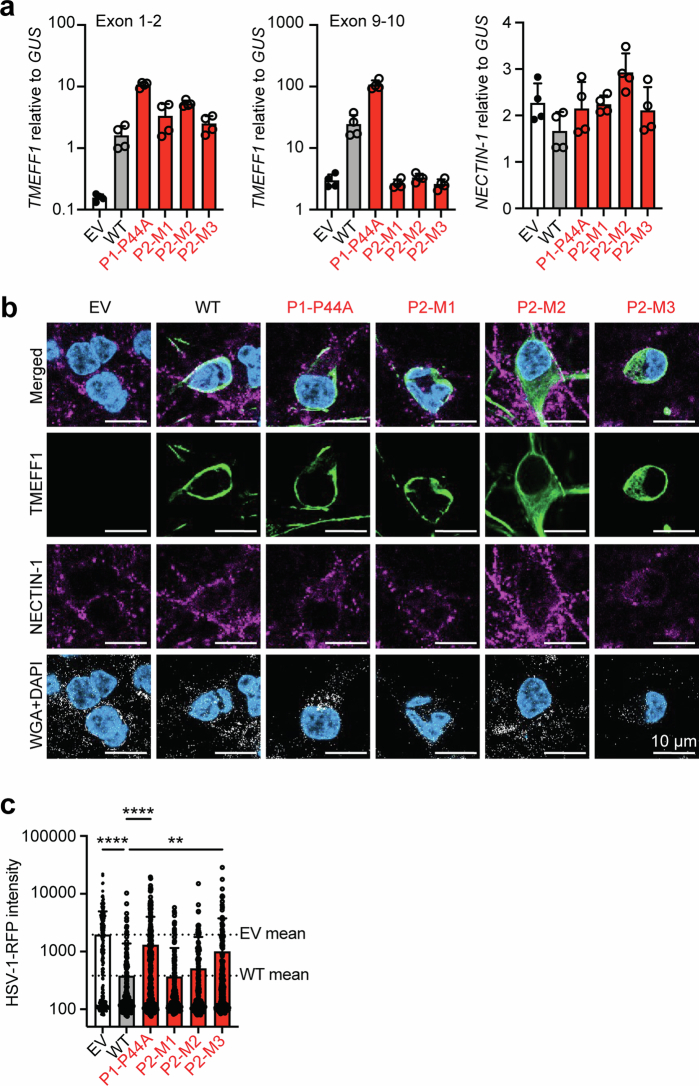
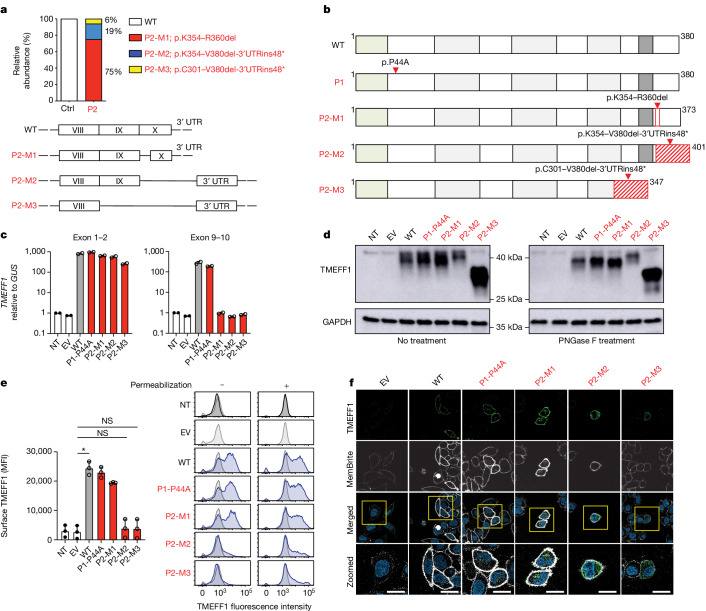
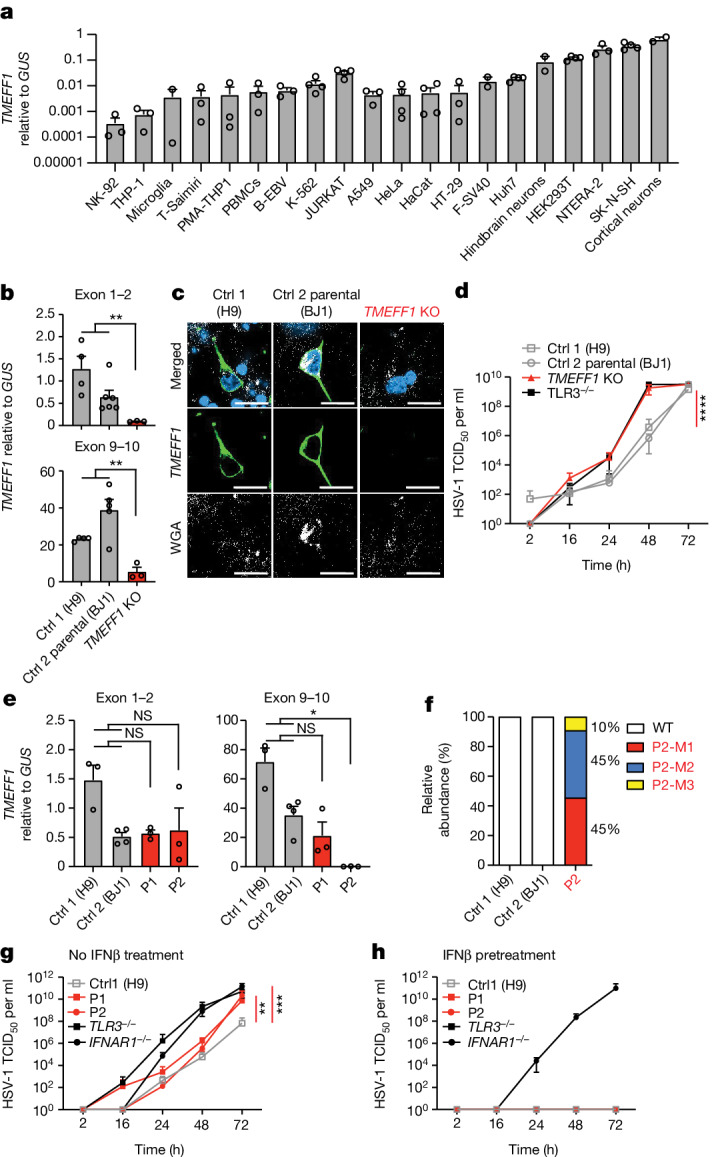
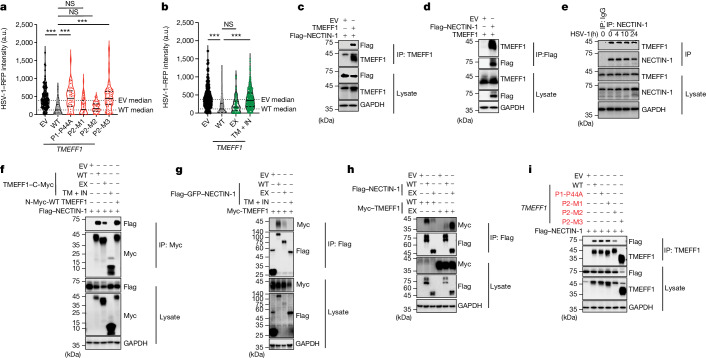
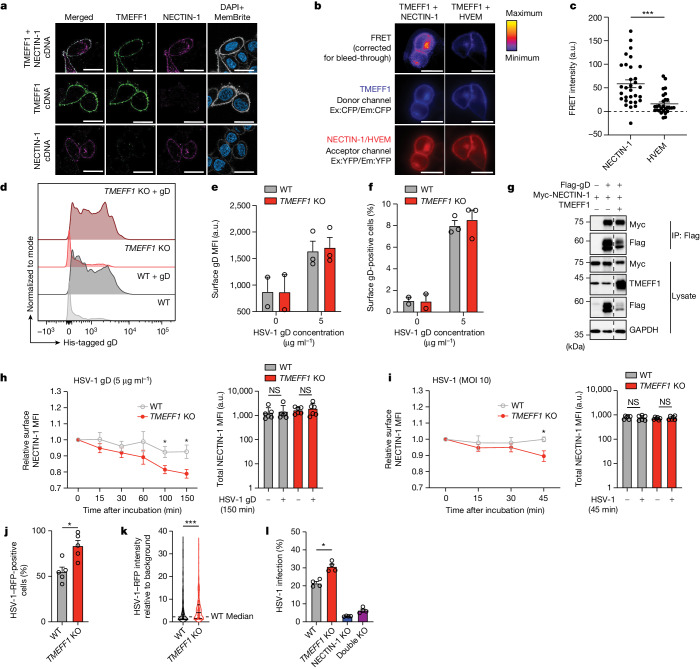
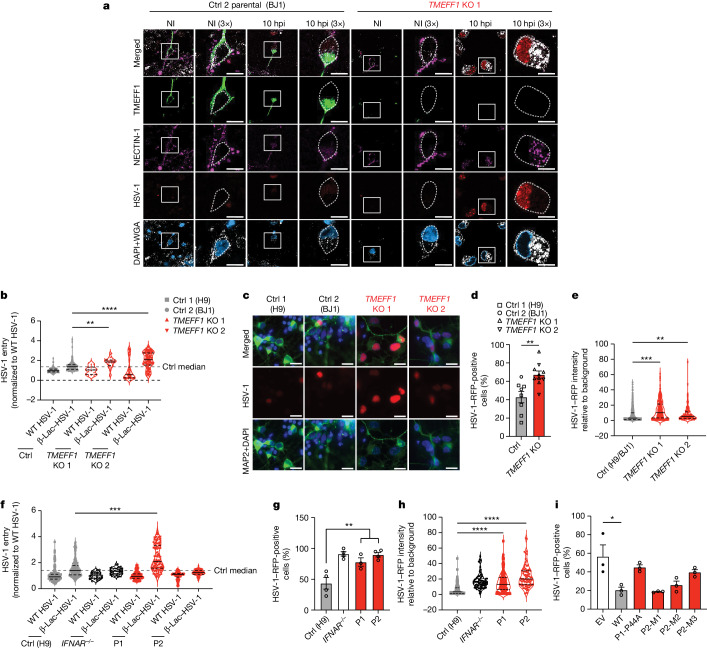
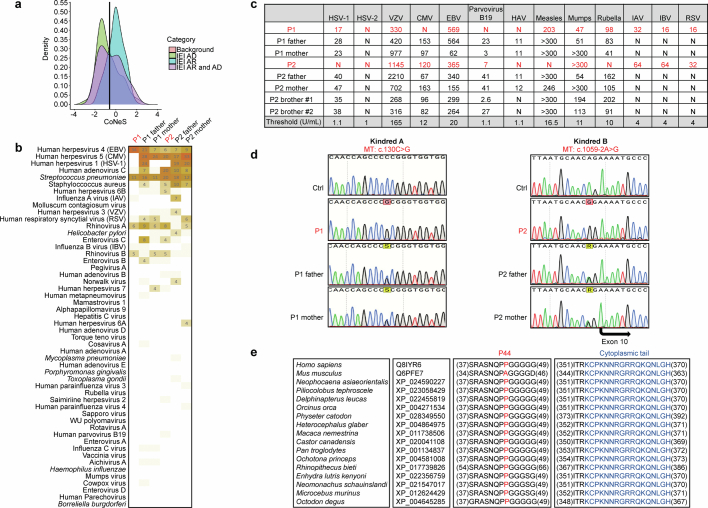
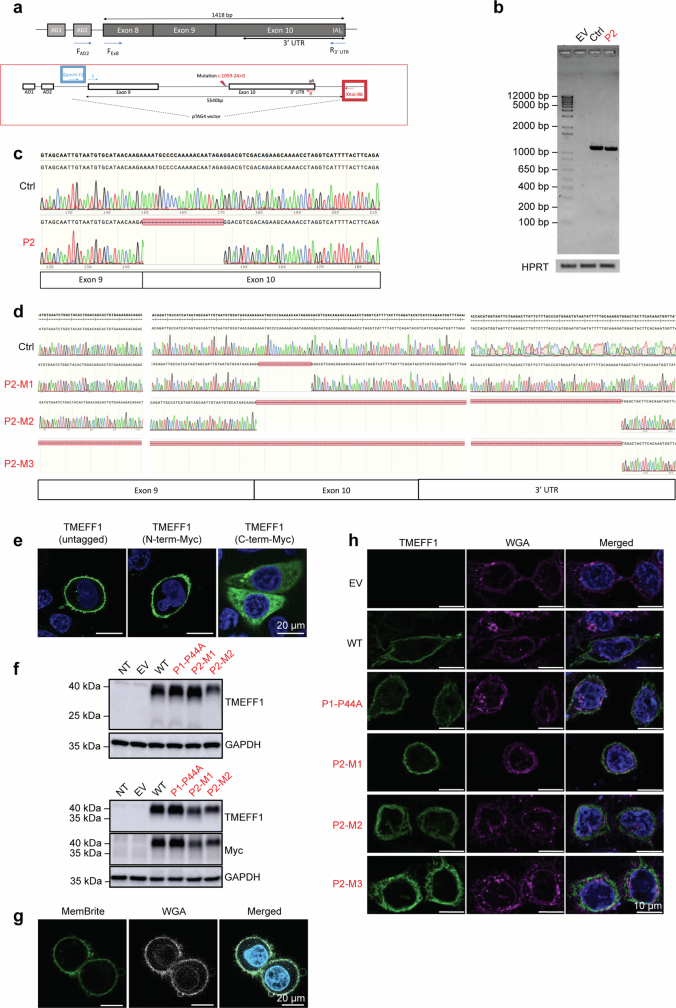
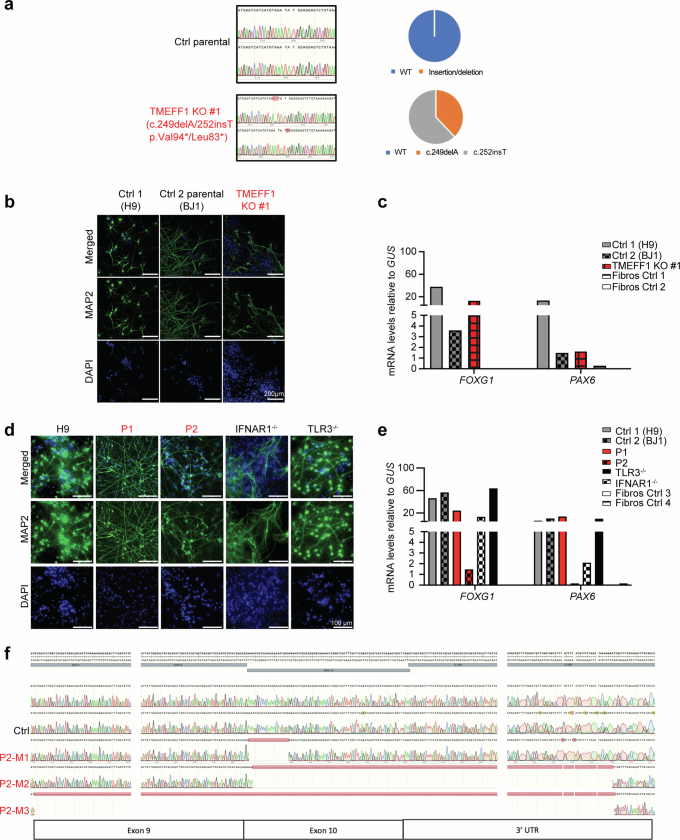
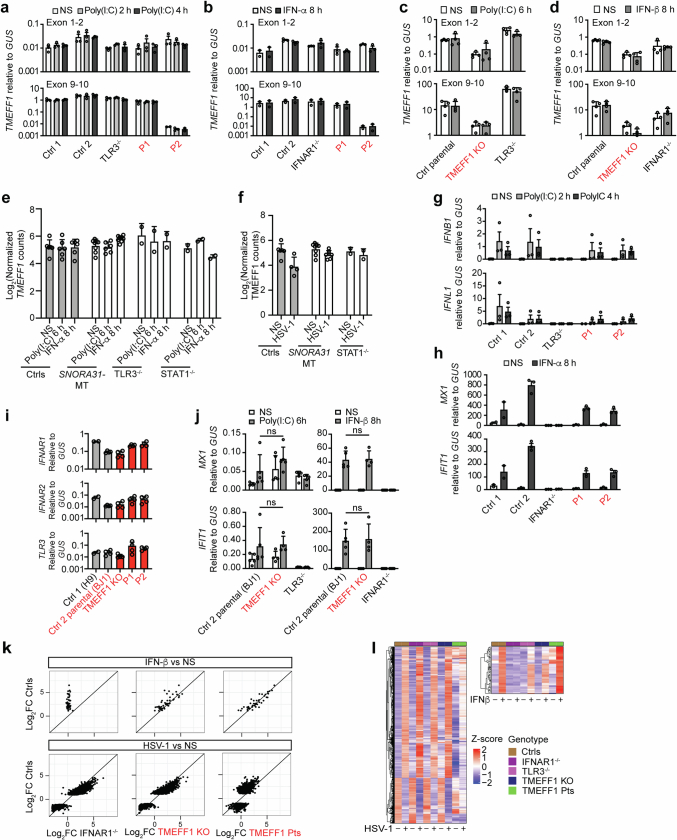
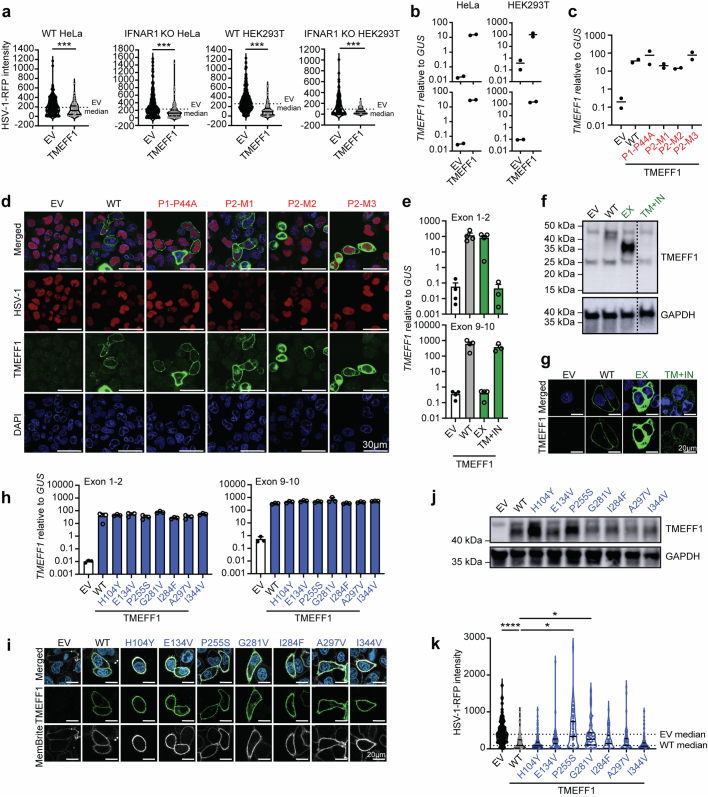
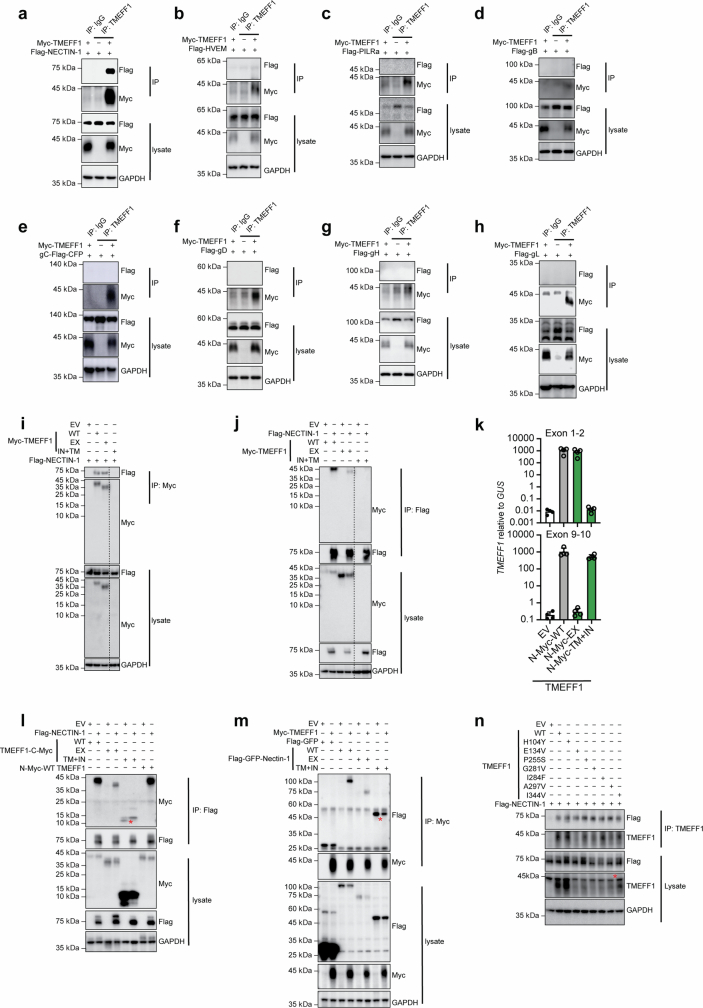
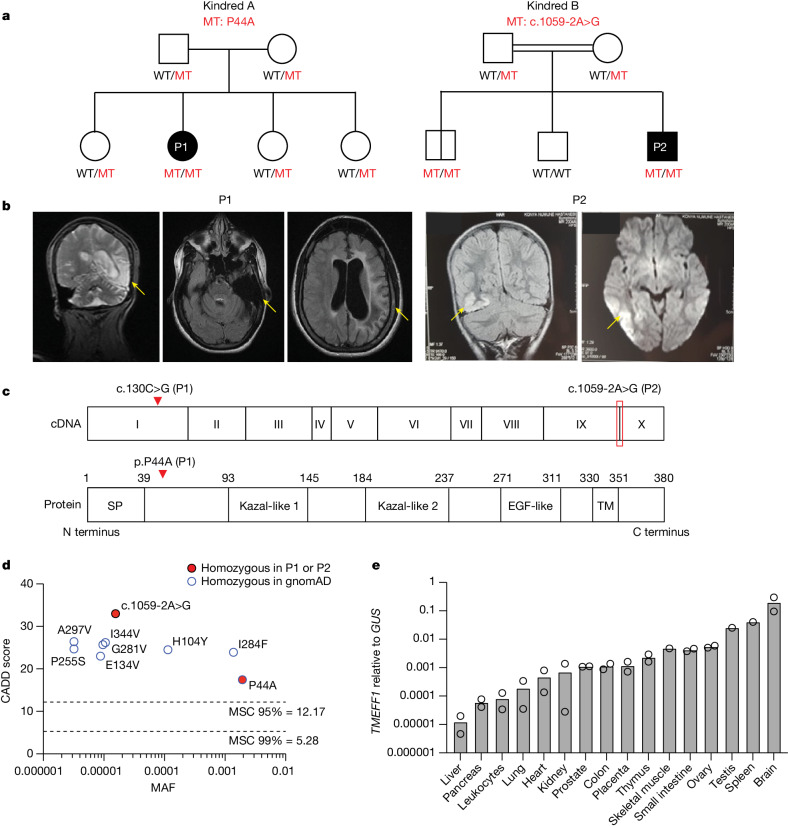
Most cases of herpes simplex virus 1 (HSV-1) encephalitis (HSE) remain unexplained. Here, we report on two unrelated people who had HSE as children and are homozygous for rare deleterious variants of TMEFF1, which encodes a cell membrane protein that is preferentially expressed by brain cortical neurons. TMEFF1 interacts with the cell-surface HSV-1 receptor NECTIN-1, impairing HSV-1 glycoprotein D- and NECTIN-1-mediated fusion of the virus and the cell membrane, blocking viral entry. Genetic TMEFF1 deficiency allows HSV-1 to rapidly enter cortical neurons that are either patient specific or derived from CRISPR-Cas9-engineered human pluripotent stem cells, thereby enhancing HSV-1 translocation to the nucleus and subsequent replication. This cellular phenotype can be rescued by pretreatment with type I interferon (IFN) or the expression of exogenous wild-type TMEFF1. Moreover, ectopic expression of full-length TMEFF1 or its amino-terminal extracellular domain, but not its carboxy-terminal intracellular domain, impairs HSV-1 entry into NECTIN-1-expressing cells other than neurons, increasing their resistance to HSV-1 infection. Human TMEFF1 is therefore a host restriction factor for HSV-1 entry into cortical neurons. Its constitutively high abundance in cortical neurons protects these cells from HSV-1 infection, whereas inherited TMEFF1 deficiency renders them susceptible to this virus and can therefore underlie HSE.

摘要

大多数单纯疱疹病毒 1(HSV-1)脑炎(HSE)病例仍然无法解释。在这里,我们报告了两例无关联的患者,他们在儿童时期患有 HSE,并且是 TMEFF1 罕见有害变异的纯合子,该基因编码一种优先表达于大脑皮质神经元的细胞膜蛋白。TMEFF1 与细胞表面 HSV-1 受体 NECTIN-1 相互作用,削弱 HSV-1 糖蛋白 D 和 NECTIN-1 介导的病毒与细胞膜融合,阻断病毒进入。遗传 TMEFF1 缺陷允许 HSV-1 迅速进入特定于患者或源自 CRISPR-Cas9 工程化人类多能干细胞的皮质神经元,从而增强 HSV-1 向细胞核的易位和随后的复制。这种细胞表型可以通过用 I 型干扰素(IFN)预处理或表达外源性野生型 TMEFF1 来挽救。此外,全长 TMEFF1 或其氨基末端细胞外结构域的异位表达,但不是其羧基末端细胞内结构域的异位表达,会损害 HSV-1 进入除神经元以外的表达 NECTIN-1 的细胞的进入,从而增加这些细胞对 HSV-1 感染的抵抗力。因此,人类 TMEFF1 是 HSV-1 进入皮质神经元的宿主限制因子。其在皮质神经元中持续高丰度可保护这些细胞免受 HSV-1 感染,而遗传性 TMEFF1 缺陷使它们易受该病毒感染,因此可能是 HSE 的基础。
https://cdn.ncbi.nlm.nih.gov/pmc/blobs/063d/11306101/951c0488356f/41586_2024_7745_Fig17_ESM.jpg
https://cdn.ncbi.nlm.nih.gov/pmc/blobs/063d/11306101/ead05b3828cb/41586_2024_7745_Fig1_HTML.jpg
https://cdn.ncbi.nlm.nih.gov/pmc/blobs/063d/11306101/7afca2805ea2/41586_2024_7745_Fig2_HTML.jpg
https://cdn.ncbi.nlm.nih.gov/pmc/blobs/063d/11306101/6fcc62849d83/41586_2024_7745_Fig3_HTML.jpg
https://cdn.ncbi.nlm.nih.gov/pmc/blobs/063d/11306101/16d519093caf/41586_2024_7745_Fig4_HTML.jpg
https://cdn.ncbi.nlm.nih.gov/pmc/blobs/063d/11306101/4f66fce48834/41586_2024_7745_Fig5_HTML.jpg
https://cdn.ncbi.nlm.nih.gov/pmc/blobs/063d/11306101/a627b1139bfb/41586_2024_7745_Fig6_HTML.jpg
https://cdn.ncbi.nlm.nih.gov/pmc/blobs/063d/11306101/659894a3bf69/41586_2024_7745_Fig7_ESM.jpg
https://cdn.ncbi.nlm.nih.gov/pmc/blobs/063d/11306101/5eef735131e4/41586_2024_7745_Fig8_ESM.jpg
https://cdn.ncbi.nlm.nih.gov/pmc/blobs/063d/11306101/8a3b4159fd30/41586_2024_7745_Fig9_ESM.jpg
https://cdn.ncbi.nlm.nih.gov/pmc/blobs/063d/11306101/52d8efdbadb9/41586_2024_7745_Fig10_ESM.jpg
https://cdn.ncbi.nlm.nih.gov/pmc/blobs/063d/11306101/15bb5fba05ff/41586_2024_7745_Fig11_ESM.jpg
https://cdn.ncbi.nlm.nih.gov/pmc/blobs/063d/11306101/4f04ef329491/41586_2024_7745_Fig12_ESM.jpg
https://cdn.ncbi.nlm.nih.gov/pmc/blobs/063d/11306101/1baaf922351c/41586_2024_7745_Fig13_ESM.jpg
https://cdn.ncbi.nlm.nih.gov/pmc/blobs/063d/11306101/68afe9175fbd/41586_2024_7745_Fig14_ESM.jpg
https://cdn.ncbi.nlm.nih.gov/pmc/blobs/063d/11306101/0c433c28268e/41586_2024_7745_Fig15_ESM.jpg
https://cdn.ncbi.nlm.nih.gov/pmc/blobs/063d/11306101/ab6093a93ed7/41586_2024_7745_Fig16_ESM.jpg
https://cdn.ncbi.nlm.nih.gov/pmc/blobs/063d/11306101/951c0488356f/41586_2024_7745_Fig17_ESM.jpg
https://cdn.ncbi.nlm.nih.gov/pmc/blobs/063d/11306101/ead05b3828cb/41586_2024_7745_Fig1_HTML.jpg
https://cdn.ncbi.nlm.nih.gov/pmc/blobs/063d/11306101/7afca2805ea2/41586_2024_7745_Fig2_HTML.jpg
https://cdn.ncbi.nlm.nih.gov/pmc/blobs/063d/11306101/6fcc62849d83/41586_2024_7745_Fig3_HTML.jpg
https://cdn.ncbi.nlm.nih.gov/pmc/blobs/063d/11306101/16d519093caf/41586_2024_7745_Fig4_HTML.jpg
https://cdn.ncbi.nlm.nih.gov/pmc/blobs/063d/11306101/4f66fce48834/41586_2024_7745_Fig5_HTML.jpg
https://cdn.ncbi.nlm.nih.gov/pmc/blobs/063d/11306101/a627b1139bfb/41586_2024_7745_Fig6_HTML.jpg
https://cdn.ncbi.nlm.nih.gov/pmc/blobs/063d/11306101/659894a3bf69/41586_2024_7745_Fig7_ESM.jpg
https://cdn.ncbi.nlm.nih.gov/pmc/blobs/063d/11306101/5eef735131e4/41586_2024_7745_Fig8_ESM.jpg
https://cdn.ncbi.nlm.nih.gov/pmc/blobs/063d/11306101/8a3b4159fd30/41586_2024_7745_Fig9_ESM.jpg
https://cdn.ncbi.nlm.nih.gov/pmc/blobs/063d/11306101/52d8efdbadb9/41586_2024_7745_Fig10_ESM.jpg
https://cdn.ncbi.nlm.nih.gov/pmc/blobs/063d/11306101/15bb5fba05ff/41586_2024_7745_Fig11_ESM.jpg
https://cdn.ncbi.nlm.nih.gov/pmc/blobs/063d/11306101/4f04ef329491/41586_2024_7745_Fig12_ESM.jpg
https://cdn.ncbi.nlm.nih.gov/pmc/blobs/063d/11306101/1baaf922351c/41586_2024_7745_Fig13_ESM.jpg
https://cdn.ncbi.nlm.nih.gov/pmc/blobs/063d/11306101/68afe9175fbd/41586_2024_7745_Fig14_ESM.jpg
https://cdn.ncbi.nlm.nih.gov/pmc/blobs/063d/11306101/0c433c28268e/41586_2024_7745_Fig15_ESM.jpg
https://cdn.ncbi.nlm.nih.gov/pmc/blobs/063d/11306101/ab6093a93ed7/41586_2024_7745_Fig16_ESM.jpg
https://cdn.ncbi.nlm.nih.gov/pmc/blobs/063d/11306101/951c0488356f/41586_2024_7745_Fig17_ESM.jpg

相似文献

1
Human TMEFF1 is a restriction factor for herpes simplex virus in the brain.人 TMFF1 是大脑中单纯疱疹病毒的限制因子。
Nature. 2024 Aug;632(8024):390-400. doi: 10.1038/s41586-024-07745-x. Epub 2024 Jul 24.
2
TMEFF1 is a neuron-specific restriction factor for herpes simplex virus.TMEFF1 是单纯疱疹病毒的一种神经元特异性限制因子。
Nature. 2024 Aug;632(8024):383-389. doi: 10.1038/s41586-024-07670-z. Epub 2024 Jul 24.
3
Herpes simplex virus serotype and entry receptor availability alter CNS disease in a mouse model of neonatal HSV.单纯疱疹病毒血清型和进入受体的可用性会改变新生儿单纯疱疹病毒小鼠模型中的中枢神经系统疾病。
Pediatr Res. 2014 Dec;76(6):528-34. doi: 10.1038/pr.2014.135. Epub 2014 Sep 8.
4
Infection of neurons and encephalitis after intracranial inoculation of herpes simplex virus requires the entry receptor nectin-1.颅内接种单纯疱疹病毒后神经元感染和脑炎需要进入受体nectin-1。
Proc Natl Acad Sci U S A. 2009 Oct 20;106(42):17916-20. doi: 10.1073/pnas.0908892106. Epub 2009 Oct 5.
5
Human SNORA31 variations impair cortical neuron-intrinsic immunity to HSV-1 and underlie herpes simplex encephalitis.人类 SNORA31 变异会损害皮质神经元对 HSV-1 的内在免疫,从而导致单纯疱疹脑炎。
Nat Med. 2019 Dec;25(12):1873-1884. doi: 10.1038/s41591-019-0672-3. Epub 2019 Dec 5.
6
Impaired intrinsic immunity to HSV-1 in human iPSC-derived TLR3-deficient CNS cells.人诱导多能干细胞衍生的 TLR3 缺陷性中枢神经系统细胞中对 HSV-1 的固有免疫受损。
Nature. 2012 Nov 29;491(7426):769-73. doi: 10.1038/nature11583. Epub 2012 Oct 28.
7
Role of Nectin-1 and Herpesvirus Entry Mediator as Cellular Receptors for Herpes Simplex Virus 1 on Primary Murine Dermal Fibroblasts.Nectin-1和疱疹病毒进入介质作为单纯疱疹病毒1在原代小鼠真皮成纤维细胞上的细胞受体的作用。
J Virol. 2015 Sep;89(18):9407-16. doi: 10.1128/JVI.01415-15. Epub 2015 Jul 1.
8
B Virus (Macacine Herpesvirus 1) Divergence: Variations in Glycoprotein D from Clinical and Laboratory Isolates Diversify Virus Entry Strategies.B病毒(猕猴疱疹病毒1型)的差异:临床和实验室分离株中糖蛋白D的变异使病毒进入策略多样化。
J Virol. 2016 Sep 29;90(20):9420-32. doi: 10.1128/JVI.00799-16. Print 2016 Oct 15.
9
Invasion of Herpes Simplex Virus 1 into Murine Dermis: Role of Nectin-1 and Herpesvirus Entry Mediator as Cellular Receptors during Aging.单纯疱疹病毒 1 入侵小鼠真皮:在衰老过程中作为细胞受体的神经纤毛蛋白 1 和疱疹病毒进入介体的作用。
J Virol. 2020 Feb 14;94(5). doi: 10.1128/JVI.02046-19.
10
Entry mechanisms of herpes simplex virus 1 into murine epidermis: involvement of nectin-1 and herpesvirus entry mediator as cellular receptors.单纯疱疹病毒 1 进入鼠表皮的进入机制:神经节苷脂 1 和疱疹病毒进入介体作为细胞受体的参与。
J Virol. 2015 Jan;89(1):262-74. doi: 10.1128/JVI.02917-14. Epub 2014 Oct 15.

引用本文的文献

1
A Better Understanding of the Clinical and Pathological Changes in Viral Retinitis: Steps to Improve Visual Outcomes.对病毒性视网膜炎临床和病理变化的更好理解:改善视觉预后的步骤
Microorganisms. 2024 Dec 5;12(12):2513. doi: 10.3390/microorganisms12122513.
2
The monogenic landscape of human infectious diseases.人类传染病的单基因格局。
J Allergy Clin Immunol. 2025 Mar;155(3):768-783. doi: 10.1016/j.jaci.2024.12.1078. Epub 2024 Dec 24.
3
Human DBR1 deficiency impairs stress granule-dependent PKR antiviral immunity.人类DBR1缺乏会损害应激颗粒依赖性PKR抗病毒免疫。

本文引用的文献

1
An epigenetic barrier sets the timing of human neuronal maturation.表观遗传屏障决定了人类神经元成熟的时间。
Nature. 2024 Feb;626(8000):881-890. doi: 10.1038/s41586-023-06984-8. Epub 2024 Jan 31.
2
Encephalitis and poor neuronal death-mediated control of herpes simplex virus in human inherited RIPK3 deficiency.人类遗传性 RIPK3 缺陷导致单纯疱疹病毒脑炎和神经元死亡失控。
Sci Immunol. 2023 Apr 21;8(82):eade2860. doi: 10.1126/sciimmunol.ade2860.
3
mutations predispose to herpes simplex encephalitis by disrupting biogenesis of the host-derived RIG-I ligand .
J Exp Med. 2025 Jan 6;222(1). doi: 10.1084/jem.20240010. Epub 2024 Dec 5.
4
Genetic defects of brain immunity in childhood herpes simplex encephalitis.儿童单纯疱疹脑炎的脑免疫遗传缺陷。
Nature. 2024 Nov;635(8039):563-573. doi: 10.1038/s41586-024-08119-z. Epub 2024 Nov 20.
突变通过破坏宿主来源的 RIG-I 配体的生物发生而导致单纯疱疹脑炎易感性。
Sci Immunol. 2022 Nov 25;7(77):eabq4531. doi: 10.1126/sciimmunol.abq4531. Epub 2022 Nov 18.
4
Genome-wide detection of human variants that disrupt intronic branchpoints.全基因组检测破坏内含子分支点的人类变异。
Proc Natl Acad Sci U S A. 2022 Nov;119(44):e2211194119. doi: 10.1073/pnas.2211194119. Epub 2022 Oct 28.
5
VirScan: High-throughput Profiling of Antiviral Antibody Epitopes.VirScan:抗病毒抗体表位的高通量分析
Bio Protoc. 2022 Jul 5;12(13). doi: 10.21769/BioProtoc.4464.
6
Respiratory viral infections in otherwise healthy humans with inherited IRF7 deficiency.遗传性 IFN 调节因子 7 缺陷的健康人群中的呼吸道病毒感染。
J Exp Med. 2022 Jul 4;219(7). doi: 10.1084/jem.20220202. Epub 2022 Jun 7.
7
A loss-of-function IFNAR1 allele in Polynesia underlies severe viral diseases in homozygotes.在波利尼西亚,IFNAR1 失活等位基因导致纯合子中严重的病毒病。
J Exp Med. 2022 Jun 6;219(6). doi: 10.1084/jem.20220028. Epub 2022 Apr 20.
8
Life-threatening viral disease in a novel form of autosomal recessive IFNAR2 deficiency in the Arctic.北极地区新型常染色体隐性 IFNAR2 缺陷导致危及生命的病毒性疾病。
J Exp Med. 2022 Jun 6;219(6). doi: 10.1084/jem.20212427. Epub 2022 Apr 20.
9
Mechanisms of viral inflammation and disease in humans.人类病毒炎症和疾病的机制。
Science. 2021 Nov 26;374(6571):1080-1086. doi: 10.1126/science.abj7965. Epub 2021 Nov 25.
10
Herpesviruses assimilate kinesin to produce motorized viral particles.疱疹病毒利用驱动蛋白来产生运动型病毒颗粒。
Nature. 2021 Nov;599(7886):662-666. doi: 10.1038/s41586-021-04106-w. Epub 2021 Nov 17.