Coelho Laura Lacerda, Vianna Matheus Menezes, da Silva Debora Moraes, Gonzaga Beatriz Matheus de Souza, Ferreira Roberto Rodrigues, Monteiro Ana Carolina, Bonomo Adriana Cesar, Manso Pedro Paulo de Abreu, de Carvalho Marcelo Alex, Vargas Fernando Regla, Garzoni Luciana Ribeiro
Laboratory of Innovations in Therapies, Education and Bioproducts, Oswaldo Cruz Institute (IOC), Oswaldo Cruz Foundation (Fiocruz), Rio de Janeiro 21040-900, Brazil.
Laboratory of Osteo and Tumor Immunology, Department of Immunobiology, Fluminense Federal University (UFF), Rio de Janeiro 24020-150, Brazil.
Biology (Basel). 2024 Jun 21;13(7):463. doi: 10.3390/biology13070463.
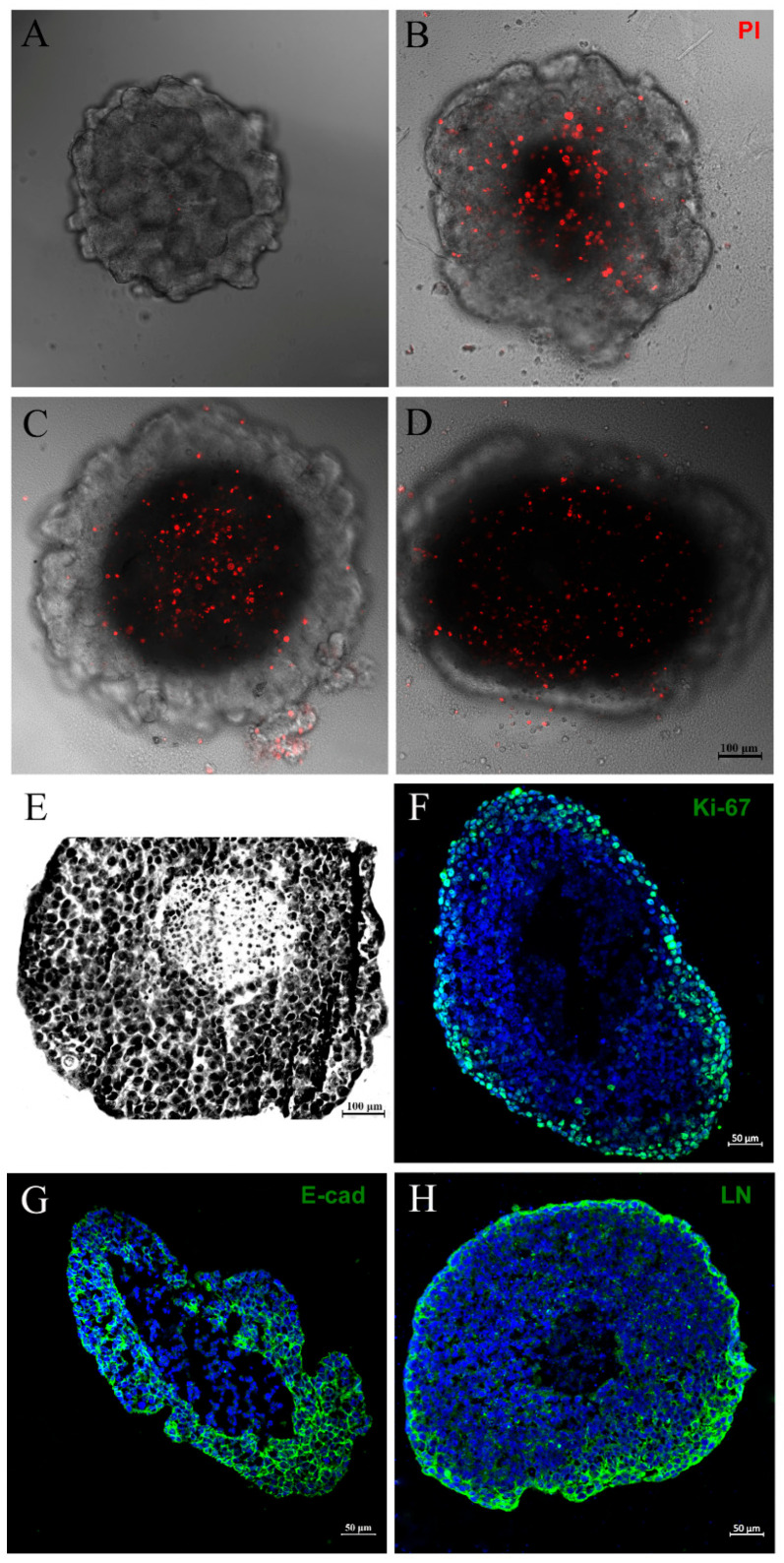
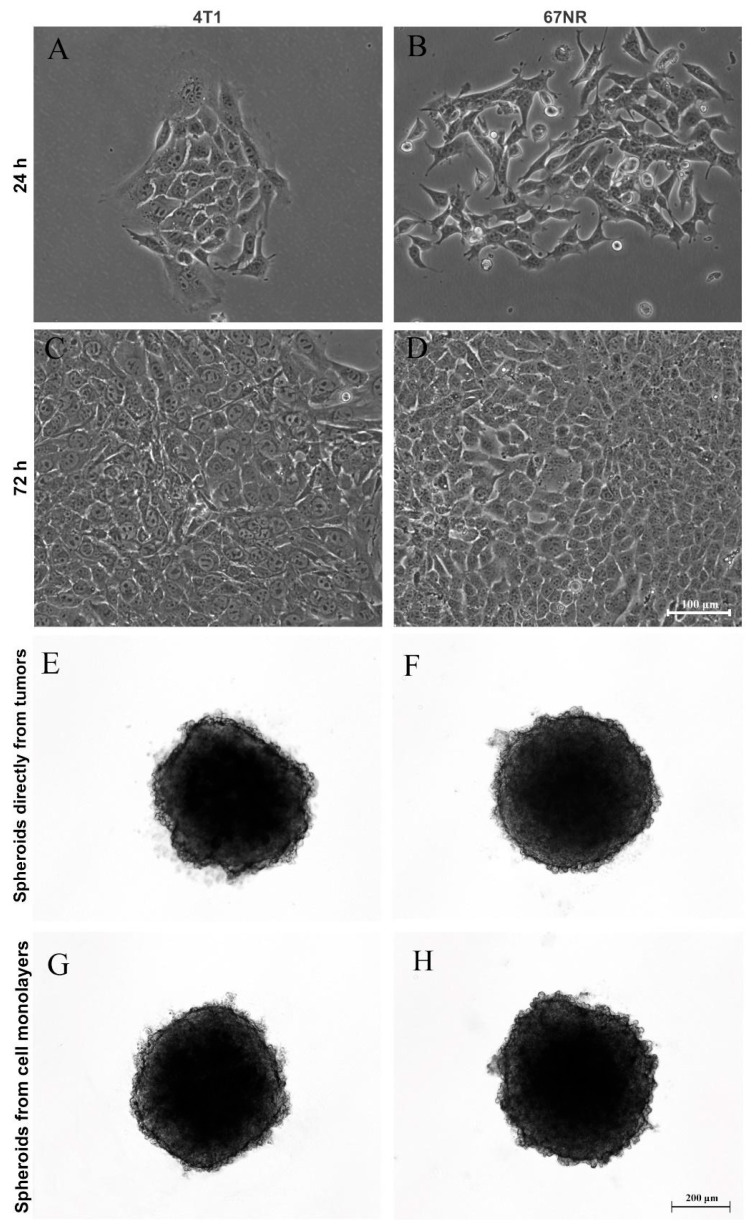
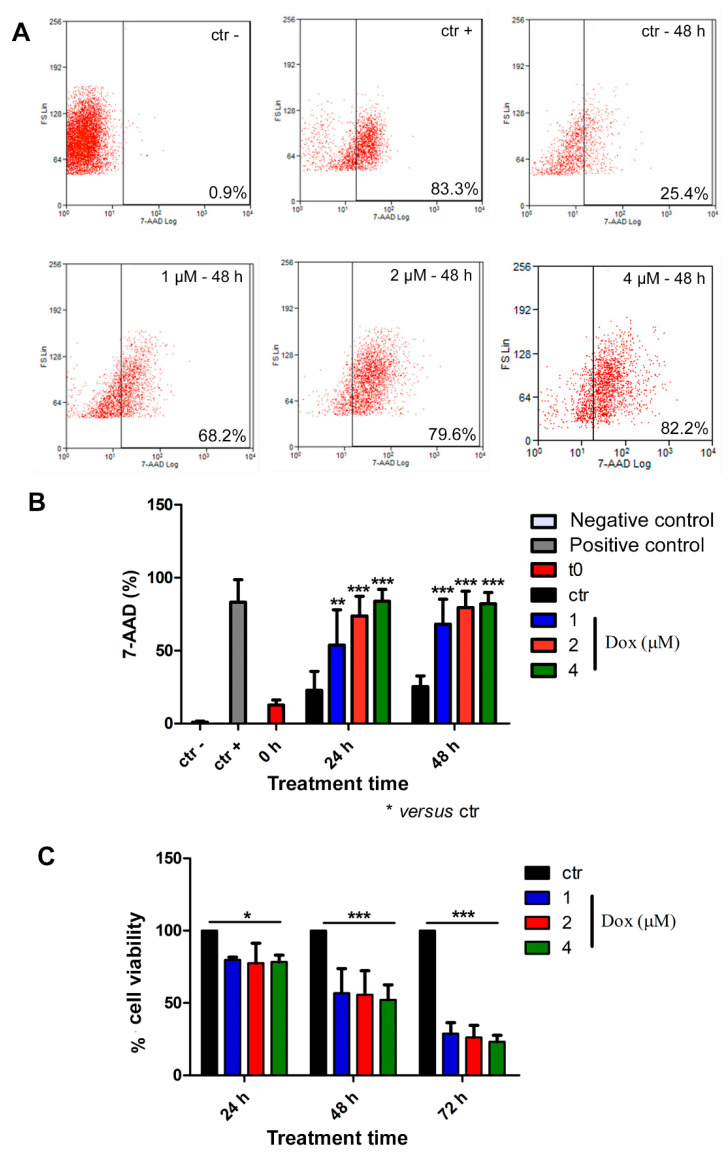
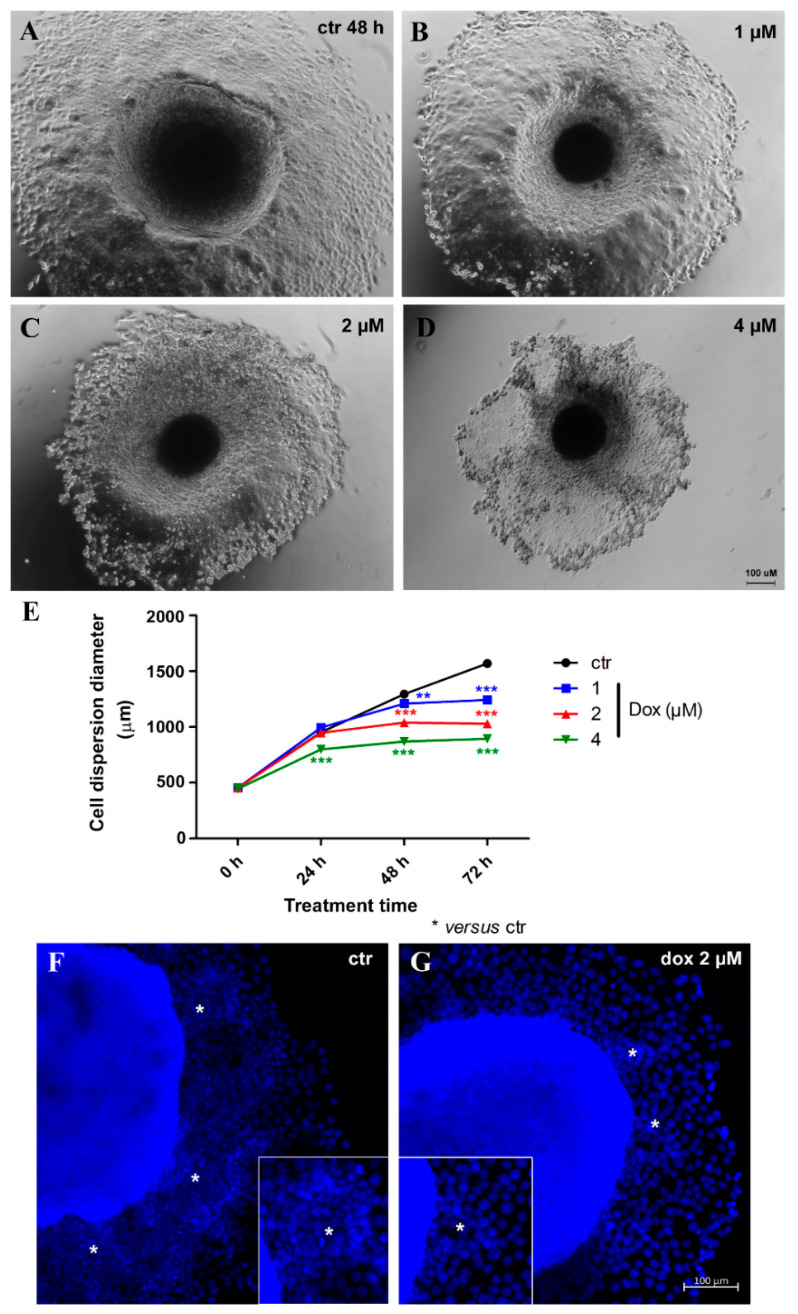
Breast cancer is the most prevalent cancer among women worldwide. Therapeutic strategies to control tumors and metastasis are still challenging. Three-dimensional (3D) spheroid-type systems more accurately replicate the features of tumors in vivo, working as a better platform for performing therapeutic response analysis. This work aimed to characterize the epithelial-mesenchymal transition and doxorubicin (dox) response in a mammary tumor spheroid (MTS) model. We evaluated the doxorubicin treatment effect on MCF-7 spheroid diameter, cell viability, death, migration and proteins involved in the epithelial-mesenchymal transition (EMT) process. Spheroids were also produced from tumors formed from 4T1 and 67NR cell lines. MTSs mimicked avascular tumor characteristics, exhibited adherens junction proteins and independently produced their own extracellular matrix. Our spheroid model supports the 3D culturing of cells isolated from mice mammary tumors. Through the migration assay, we verified a reduction in E-cadherin expression and an increase in vimentin expression as the cells became more distant from spheroids. Dox promoted cytotoxicity in MTSs and inhibited cell migration and the EMT process. These results suggest, for the first time, that this model reproduces aspects of the EMT process and describes the potential of dox in inhibiting the metastatic process, which can be further explored.
乳腺癌是全球女性中最常见的癌症。控制肿瘤和转移的治疗策略仍然具有挑战性。三维(3D)球体类型系统能更准确地复制体内肿瘤的特征,是进行治疗反应分析的更好平台。这项工作旨在表征乳腺肿瘤球体(MTS)模型中的上皮-间质转化和阿霉素(dox)反应。我们评估了阿霉素处理对MCF-7球体直径、细胞活力、死亡、迁移以及上皮-间质转化(EMT)过程中涉及的蛋白质的影响。球体也由4T1和67NR细胞系形成的肿瘤产生。MTS模拟了无血管肿瘤的特征,表现出黏附连接蛋白并独立产生自身的细胞外基质。我们的球体模型支持对从小鼠乳腺肿瘤分离的细胞进行3D培养。通过迁移试验,我们证实随着细胞与球体距离增加,E-钙黏蛋白表达降低,波形蛋白表达增加。阿霉素促进了MTS中的细胞毒性,并抑制了细胞迁移和EMT过程。这些结果首次表明,该模型再现了EMT过程的某些方面,并描述了阿霉素在抑制转移过程中的潜力,这有待进一步探索。