Department of Anatomy and Embriology, Faculty of Medicine, Carol Davila University of Medicine and Pharmacy, 8 Eroii Sanitari Blvd., 050474 Bucharest, Romania.
Department of Plastic and Reconstructive Surgery, Life Memorial Hospital, 365 Grivitei Street, 010719 Bucharest, Romania.
Int J Mol Sci. 2024 Jul 11;25(14):7630. doi: 10.3390/ijms25147630.
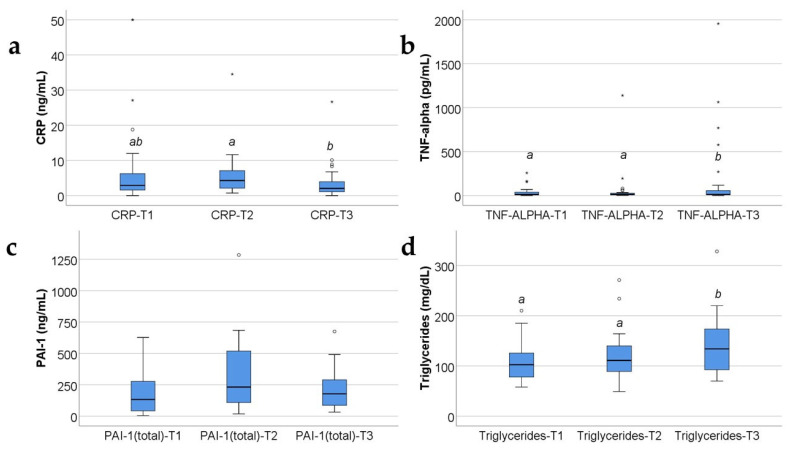
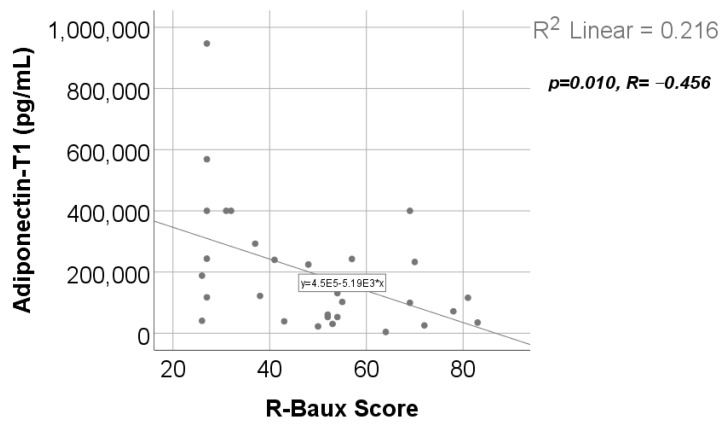
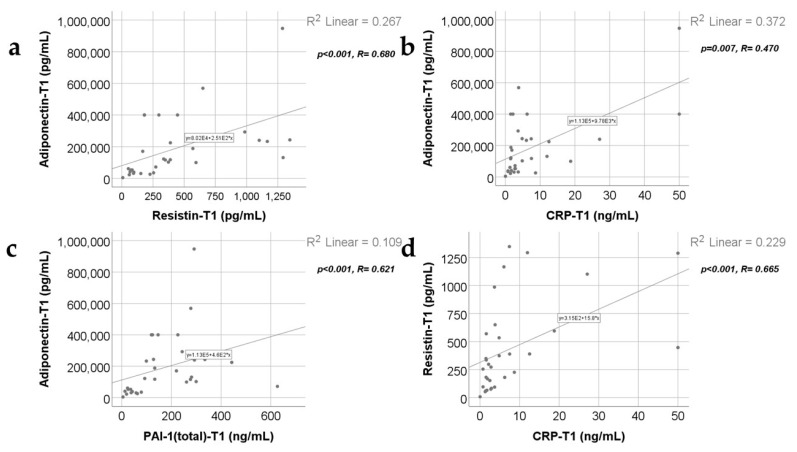
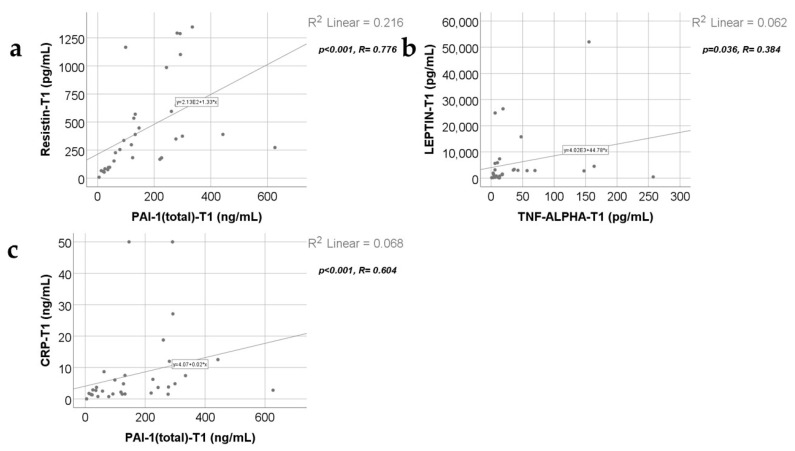
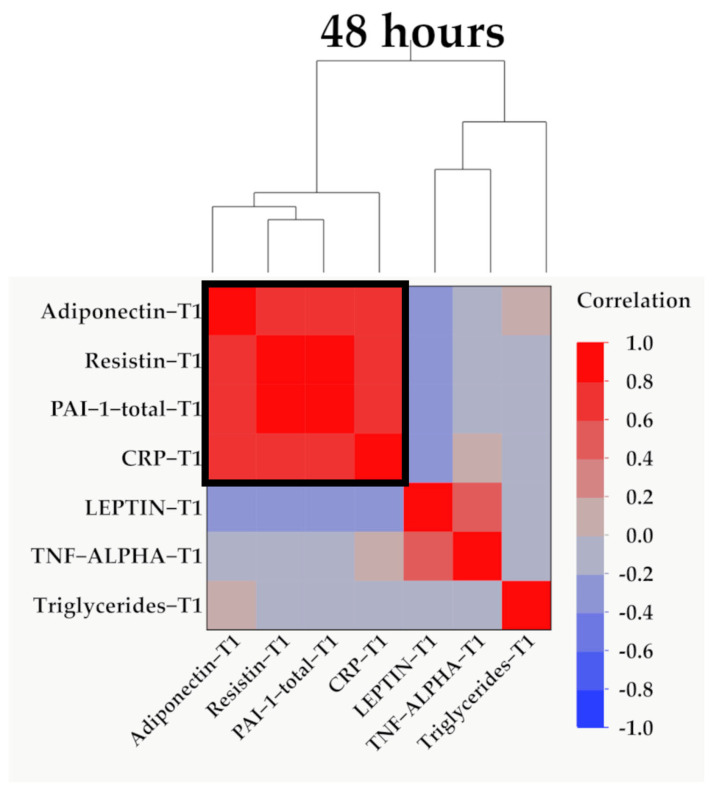
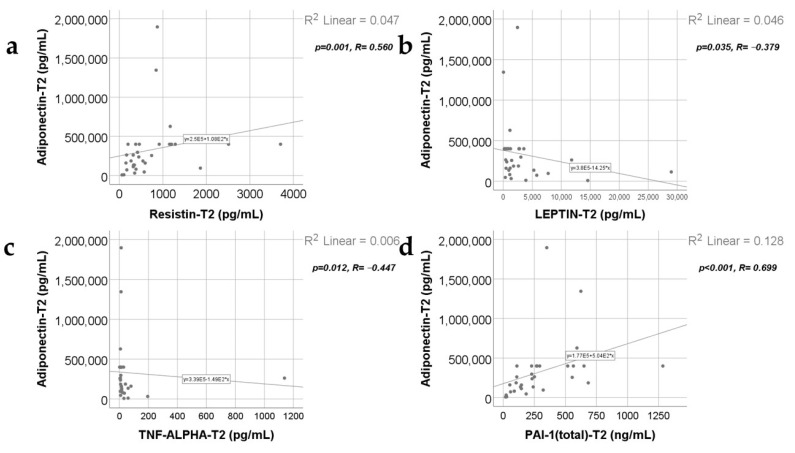
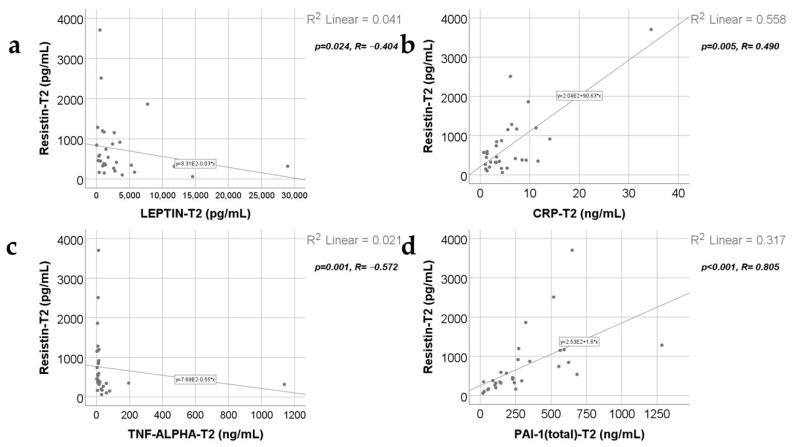
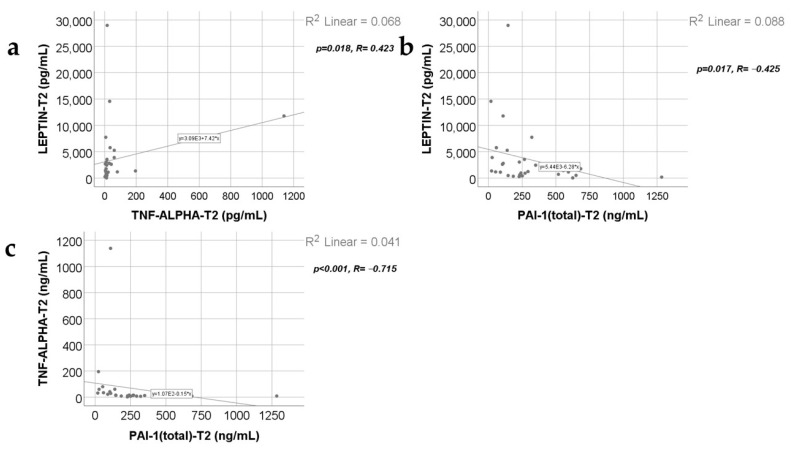
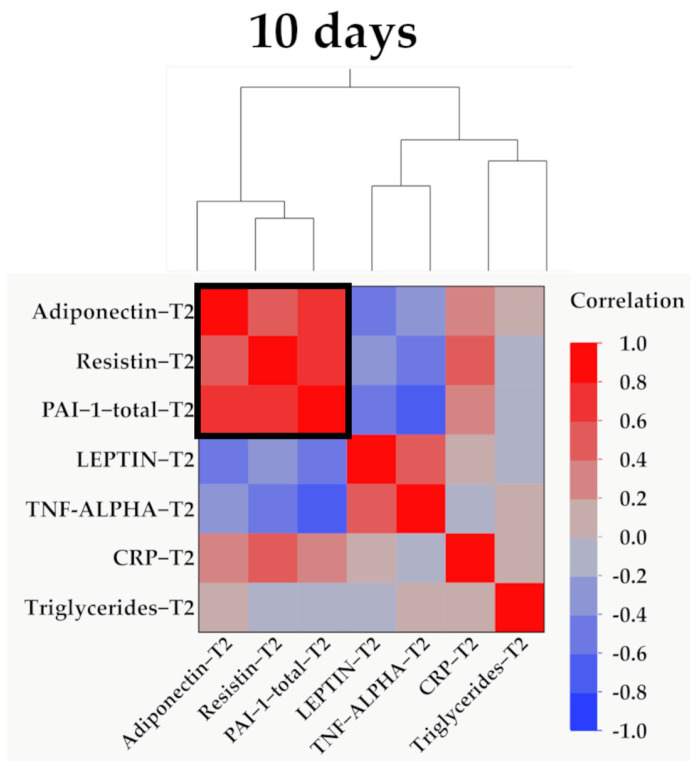
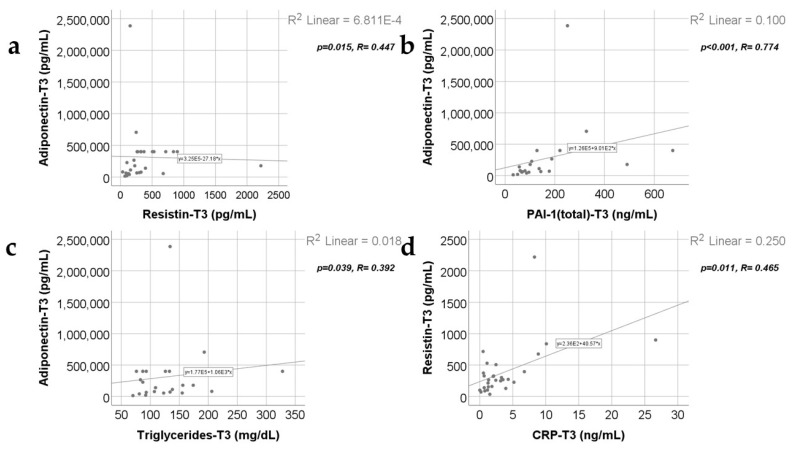
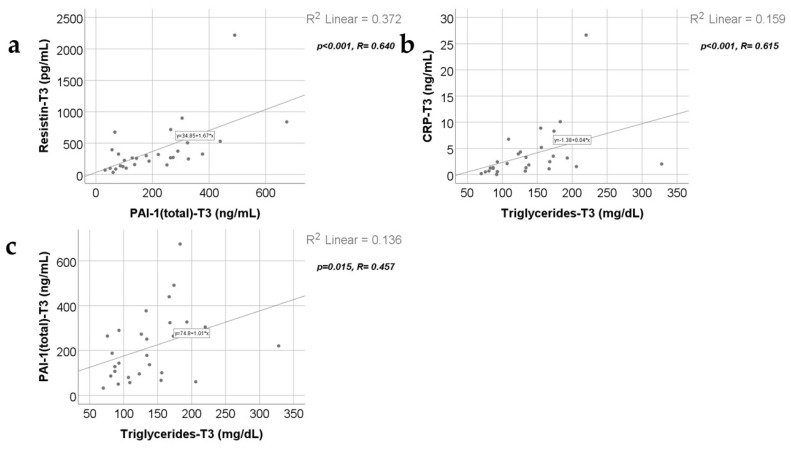
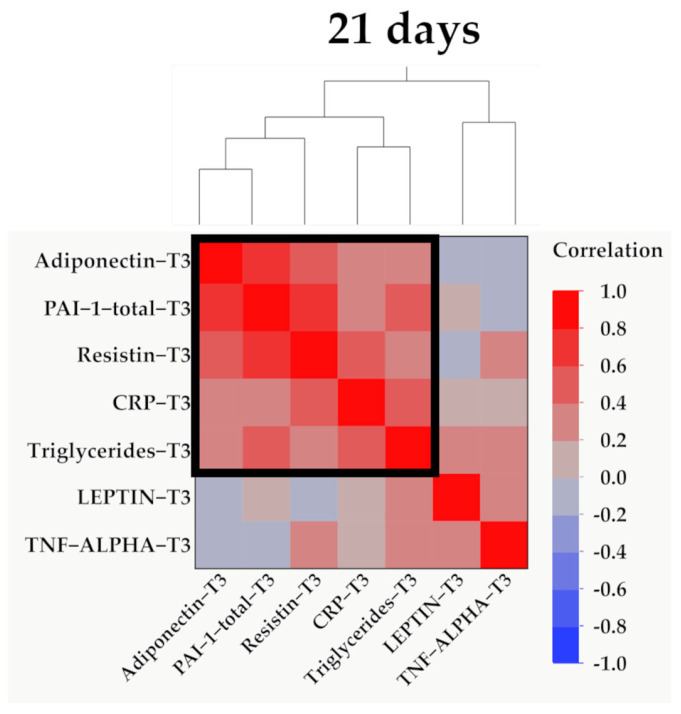
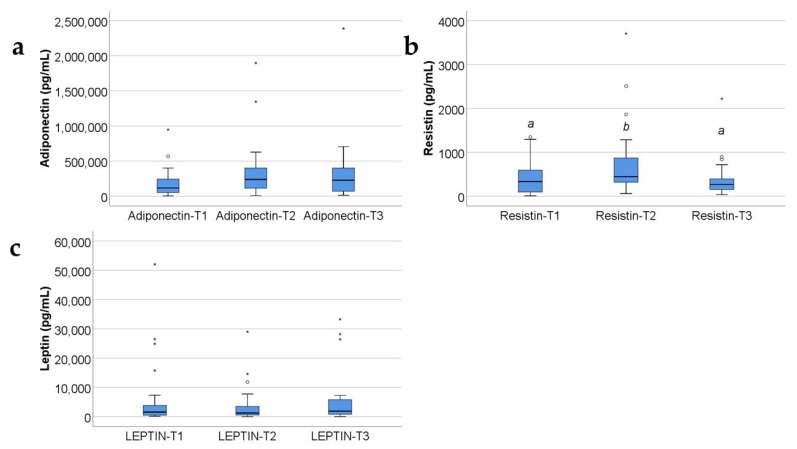
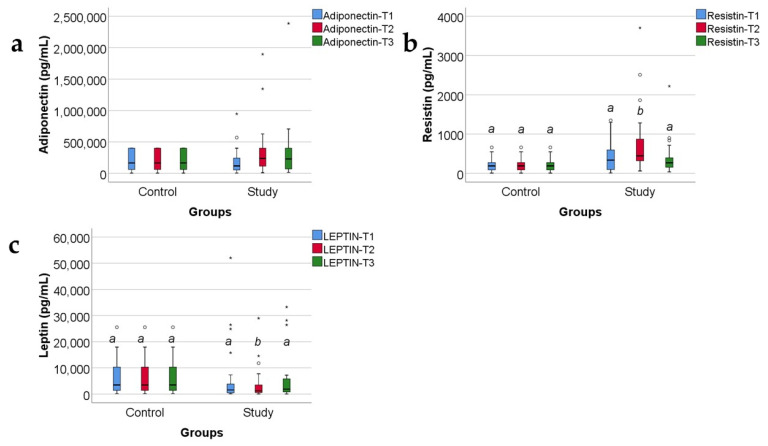
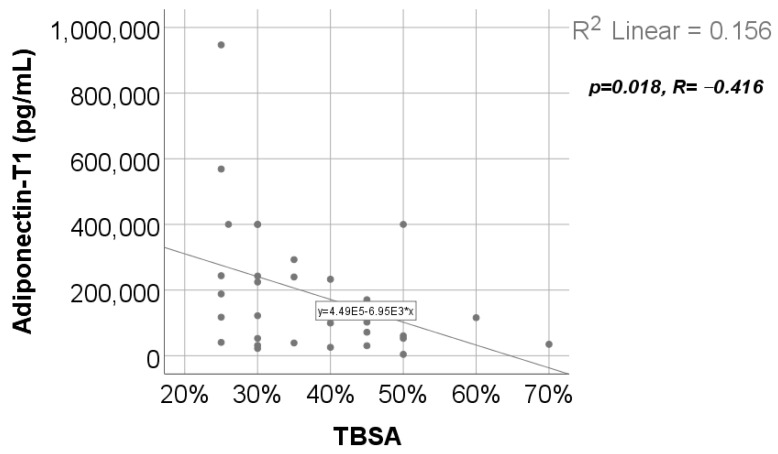
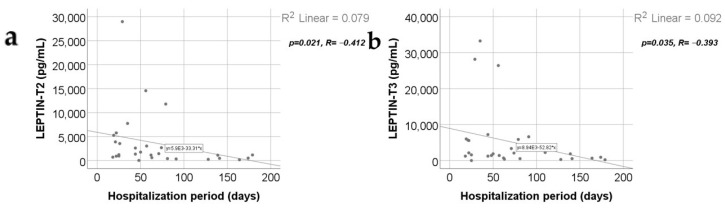
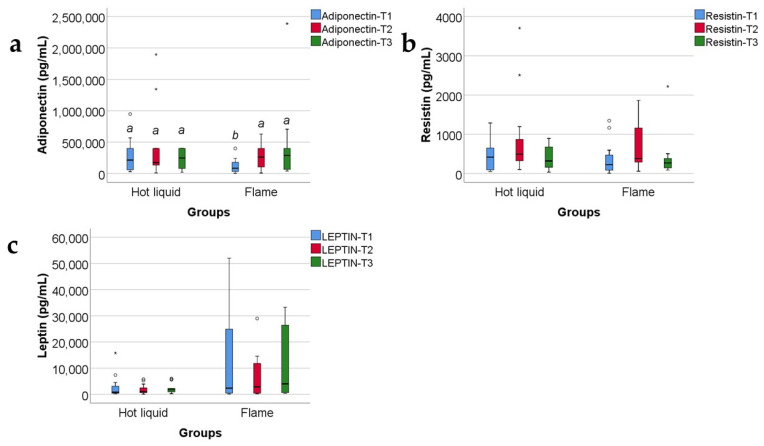
Burns generate every year an important burden of morbidity, being a major global public health problem through prolonged hospitalization, complications, and increased mortality. This study's purpose was to evaluate the serum levels of three adipokines and to establish significant correlations with other circulating molecules and with some clinical parameters. We evaluated 32 children with severe burns (over 25% total burned surface area-TBSA) at 48 h, day 10, and day 21 post burn, and 21 controls. The serum levels of adiponectin, resistin, leptin, tumor necrosis factor-α (TNF-α), plasminogen activator inhibitor-1 (PAI-1), and C-reactive protein (CRP) (among nine other biochemical parameters) were detected by Multiplex technique. Significant statistical differences were obtained for resistin and leptin compared to the control group, in different moments of measurements. Adiponectin serum levels presented statistically significant correlations with hot liquid mechanism of burn, the Revised Baux score, TBSA, resistin, PAI-1, CRP, TNF-α, and triglycerides (TGLs) serum levels. Resistin serum levels presented statistically significant correlations with adiponectin, CRP, PAI-1, leptin, and TNF-α. Additionally, we found statistically significant correlations between leptin serum levels and length of hospitalization, TNF-α, resistin, adiponectin, and PAI-1 serum levels. In severely burned children, adiponectin, resistin, and leptin specifically correlate with clinical parameters and with proteins involved in the systemic inflammatory response and the hypermetabolic response.
烧伤每年都会造成严重的发病负担,是一个主要的全球公共卫生问题,其表现为长时间住院、出现并发症和死亡率增加。本研究旨在评估三种脂肪因子的血清水平,并确定与其他循环分子以及一些临床参数的显著相关性。我们在烧伤后 48 小时、第 10 天和第 21 天评估了 32 名严重烧伤(超过 25%的总烧伤表面积-TBSA)的儿童和 21 名对照者。采用多重技术检测血清脂联素、抵抗素、瘦素、肿瘤坏死因子-α(TNF-α)、纤溶酶原激活物抑制剂-1(PAI-1)和 C 反应蛋白(CRP)(在其他 9 种生化参数中)的水平。与对照组相比,在不同的测量时刻,抵抗素和瘦素的水平存在显著的统计学差异。脂联素血清水平与烧伤的热液机制、修订的 Baux 评分、TBSA、抵抗素、PAI-1、CRP、TNF-α和甘油三酯(TGL)血清水平呈统计学显著相关性。抵抗素血清水平与脂联素、CRP、PAI-1、瘦素和 TNF-α呈统计学显著相关性。此外,我们还发现瘦素血清水平与住院时间、TNF-α、抵抗素、脂联素和 PAI-1血清水平之间存在统计学显著相关性。在严重烧伤的儿童中,脂联素、抵抗素和瘦素与临床参数以及与全身炎症反应和高代谢反应相关的蛋白质特异性相关。