Department of Urology, The First Affiliated Hospital, Jiangxi Medical College, Nanchang University, Nanchang, 330000, China.
Jiangxi Institute of Urology, Nanchang, China.
Eur J Med Res. 2024 Jul 29;29(1):393. doi: 10.1186/s40001-024-01982-6.
Bladder cancer (BLCA) is a prevalent malignancy. Dysregulated propionate metabolism, a key cancer factor, suggests a potential target for treating metastatic cancer. However, a complete understanding of the link between propionate metabolism-related genes (PMRGs) and bladder cancer is lacking.
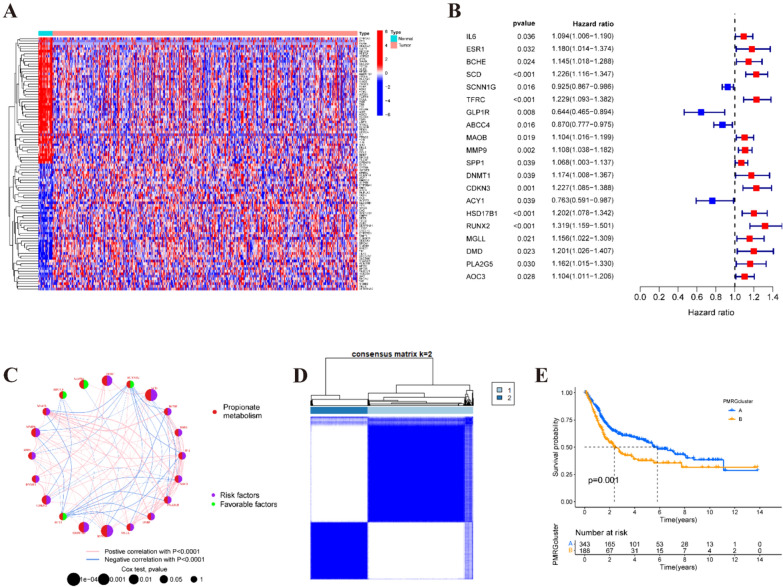
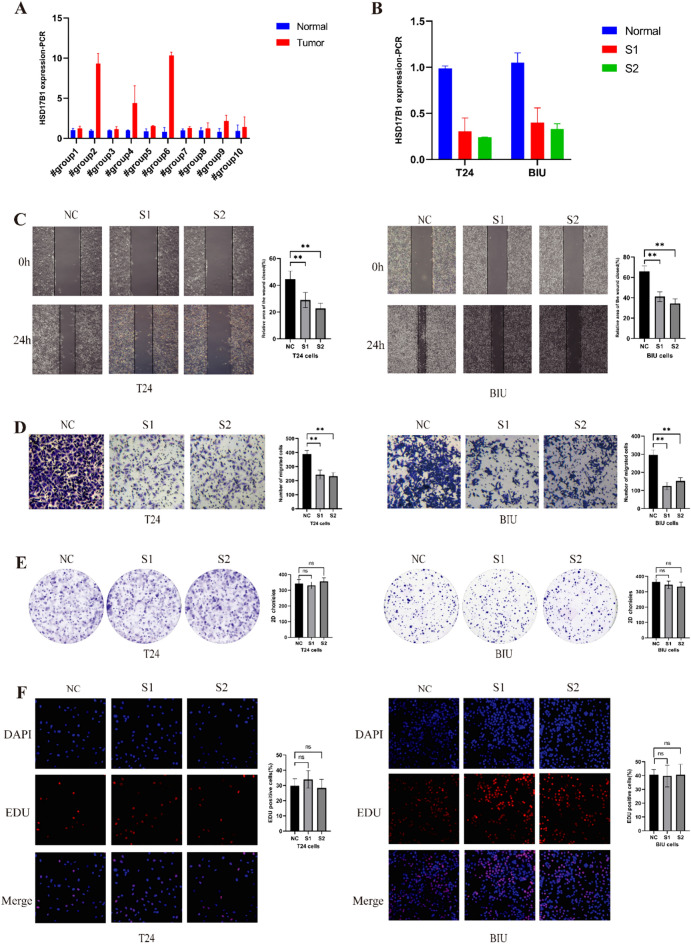
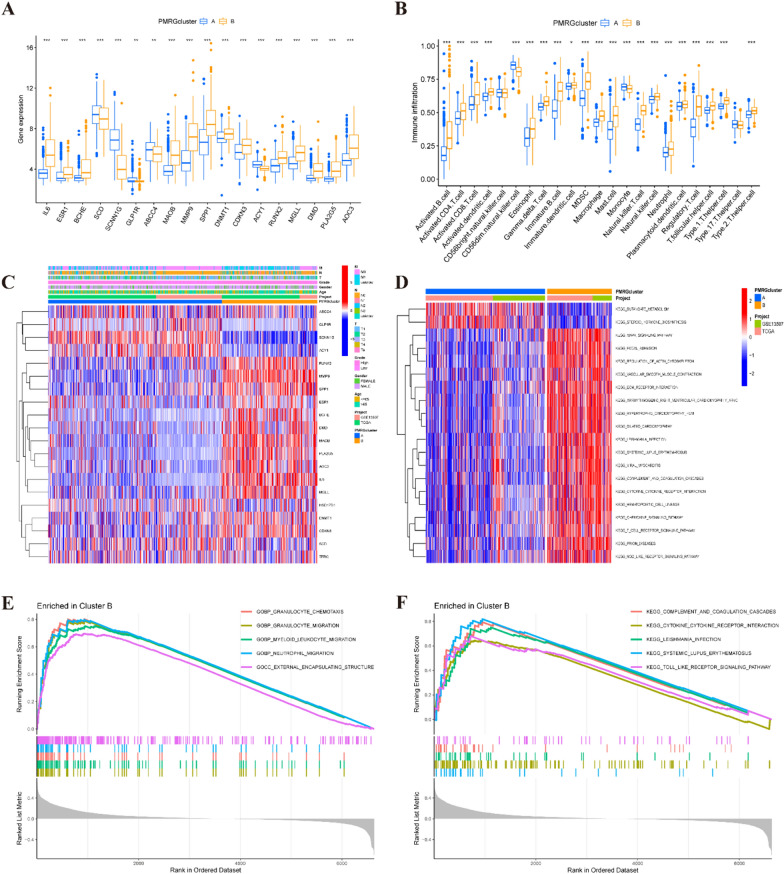
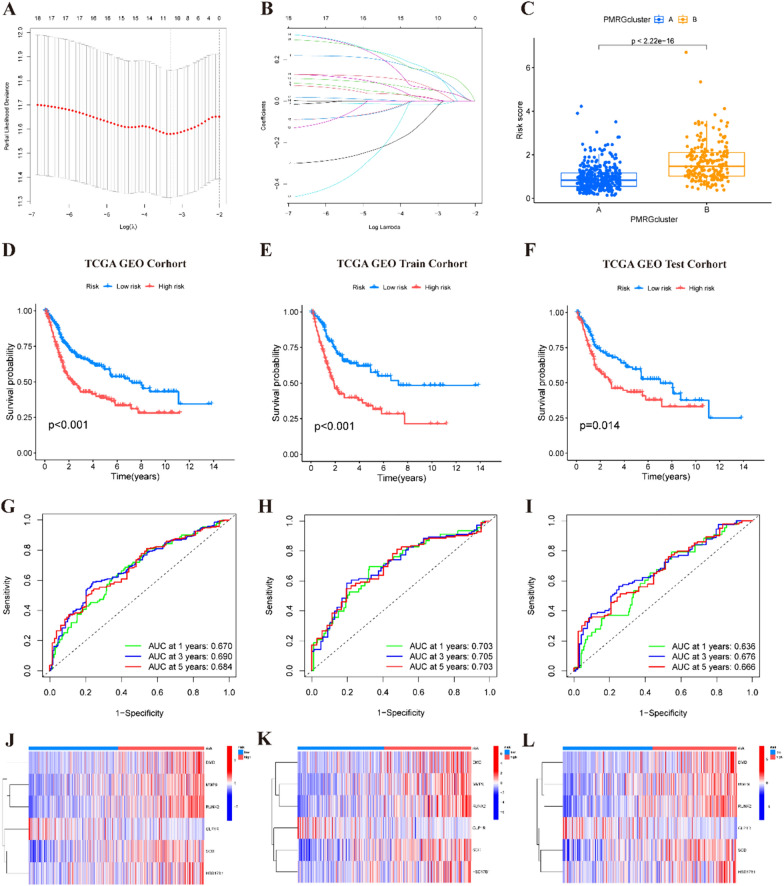
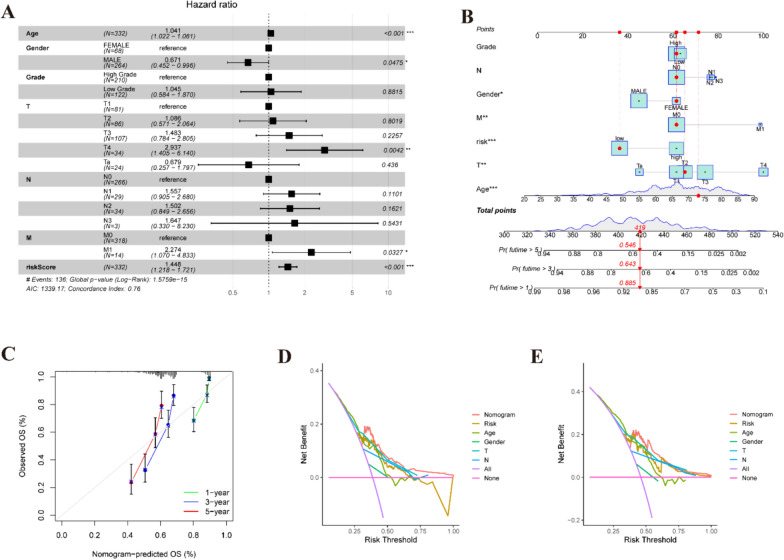
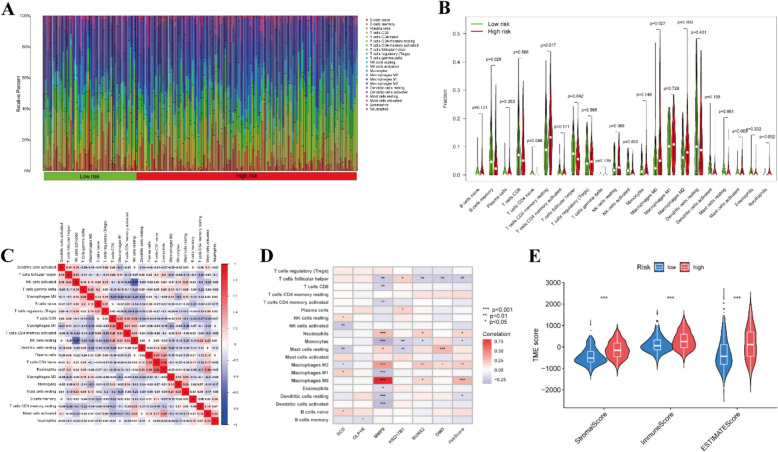
From the Cancer Genome Atlas (TCGA) and Gene Expression Omnibus (GEO) databases, we gathered BLCA patient data, which was classified into distinct subgroups using non-negative matrix factorization (NMF). Survival and pathway analyses were conducted between these clusters. The PMRGs model, created through univariate Cox and least absolute shrinkage and selection operator (LASSO) analyses, was assessed for prognostic significance using Kaplan-Meier and receiver operating characteristic (ROC) curves. A comprehensive evaluation included clinical, tumor microenvironment (TME), drug sensitivity, and immunotherapy analyses. Finally, the expression of HSD17B1 essential genes was confirmed via quantitative real-time polymerase chain reaction (qRT-PCR), with further validation through Transwell, wound healing, colony-formation, and EDU assays.
We discovered two distinct subcategories (CA and CB) within BLCA using NMF analysis, with CA demonstrating significantly better overall survival compared to CB. Additionally, six PMRGs emerged as critical factors associated with propionate metabolism and prognosis. Kaplan-Meier analysis revealed that high-risk PMRGs were correlated with a poorer prognosis in BLCA patients. Moreover, significant differences were observed between the two groups in terms of infiltrated immune cells, immune checkpoint expression, TME scores, and drug sensitivity. Notably, we found that suppressing HSD17B1 gene expression inhibited the invasion of bladder cancer cells.
Our study proposes molecular subtypes and a PMRG-based score as promising prognostic indicators in BLCA. Additionally, cellular experiments underscore the pivotal role of HSD17B1 in bladder cancer metastasis and invasion, suggesting its potential as a novel therapeutic target.
膀胱癌(BLCA)是一种常见的恶性肿瘤。失调的丙酸代谢是一个关键的癌症因素,这表明它可能是治疗转移性癌症的一个潜在靶点。然而,对于丙酸代谢相关基因(PMRGs)与膀胱癌之间的联系,我们还缺乏全面的了解。
我们从癌症基因组图谱(TCGA)和基因表达综合数据库(GEO)中收集了 BLCA 患者的数据,然后使用非负矩阵分解(NMF)将这些数据分为不同的亚组。我们对这些亚组之间的生存和通路进行了分析。通过单变量 Cox 和最小绝对值收缩和选择算子(LASSO)分析建立 PMRGs 模型,并通过 Kaplan-Meier 和接收者操作特征(ROC)曲线评估其预后意义。我们进行了全面的评估,包括临床、肿瘤微环境(TME)、药物敏感性和免疫治疗分析。最后,我们通过实时定量聚合酶链反应(qRT-PCR)验证了 HSD17B1 必需基因的表达,并通过 Transwell、划痕愈合、集落形成和 EDU 测定进行了进一步验证。
我们使用 NMF 分析发现 BLCA 存在两个不同的亚类(CA 和 CB),其中 CA 的总体生存情况明显优于 CB。此外,还发现了六个与丙酸代谢和预后相关的关键 PMRGs。Kaplan-Meier 分析显示,高危 PMRGs 与 BLCA 患者的预后较差相关。此外,两组之间在浸润免疫细胞、免疫检查点表达、TME 评分和药物敏感性方面存在显著差异。值得注意的是,我们发现抑制 HSD17B1 基因表达可抑制膀胱癌细胞的侵袭。
我们的研究提出了分子亚型和基于 PMRG 的评分作为 BLCA 有前途的预后指标。此外,细胞实验强调了 HSD17B1 在膀胱癌转移和侵袭中的关键作用,提示其可能成为一种新的治疗靶点。