Hu Tong, Chen Tongshuai, Maduray Kellina, Han Wenqiang, Zhong Jingquan
National Key Laboratory for Innovation and Transformation of Luobing Theory; The Key Laboratory of Cardiovascular Remodeling and Function Research, Chinese Ministry of Education, Chinese National Health Commission and Chinese Academy of Medical Sciences; Department of Cardiology, Qilu Hospital of Shandong University, 250012 Jinan, Shandong, China.
Department of Cardiology, Qilu Hospital (Qingdao), Cheeloo College of Medicine, Shandong University, 266035 Qingdao, Shandong, China.
Rev Cardiovasc Med. 2024 May 27;25(6):191. doi: 10.31083/j.rcm2506191. eCollection 2024 Jun.
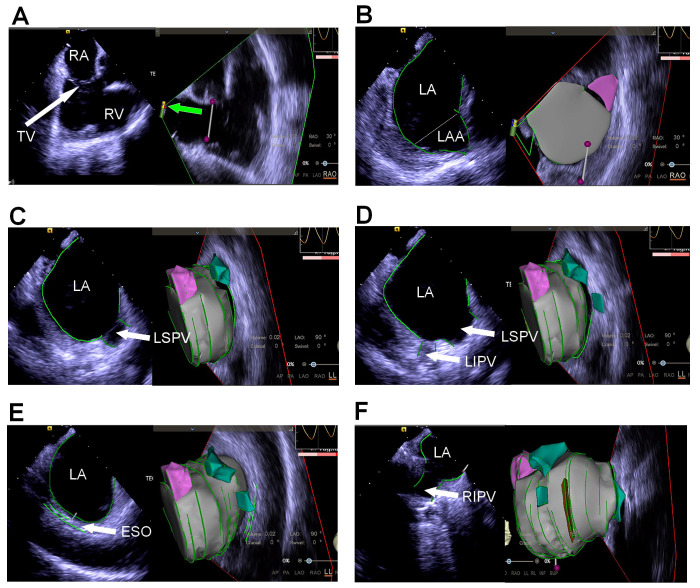
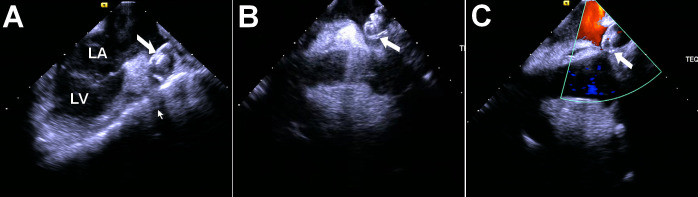
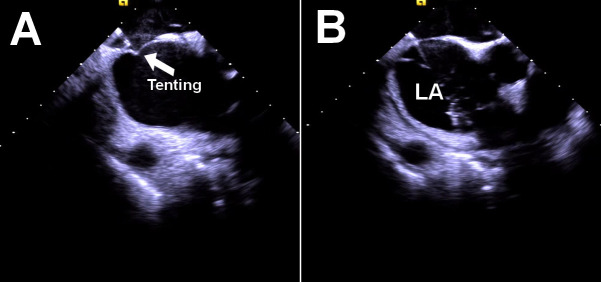
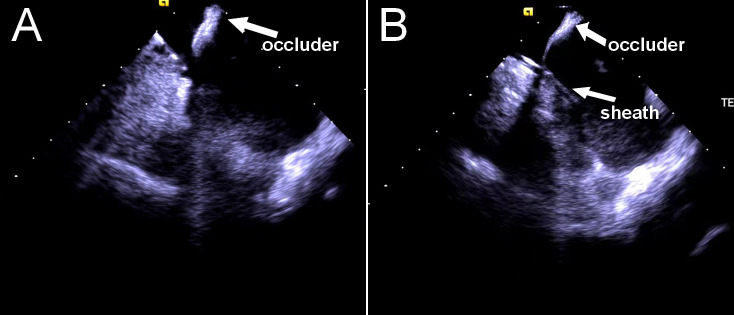
Researchers have investigated ways to develop optimal imaging techniques to increase the safety and effectiveness of electrophysiological (EP) procedures. Intracardiac echocardiography (ICE) is an advanced imaging tool that can directly visualize cardiac anatomical structures in high resolution, assess tissue heterogeneity and arrhythmogenic substrates, locate intracardiac catheters, monitor catheter-tissue contact and ablation injury in real-time, excluding intracardiac thrombi, and quickly detect procedural complications. Additionally, real-time imaging via ICE can be integrated with a three-dimensional (3D) electroanatomical mapping (EAM) system to reconstruct cardiac anatomy. This technique also promotes the development of zero-radiation EP procedures. Many EP studies and procedures have implemented ICE because it has several advantages over fluoroscopy and transesophageal echocardiography (TEE). ICE-guided EP procedures can be performed under conscious sedation; esophageal intubation and additional anesthesiologists are not required. Atrial fibrillation (AF) and supraventricular tachycardias (SVT) are the most common tachyarrhythmias in clinical settings. A comprehensive understanding of critical anatomical structures, such as the atrial septum, fossa ovalis (FO), and great heart vessels, is needed for the successful catheter ablation of these arrhythmias.
研究人员已探索开发优化成像技术的方法,以提高电生理(EP)手术的安全性和有效性。心腔内超声心动图(ICE)是一种先进的成像工具,它能够以高分辨率直接可视化心脏解剖结构,评估组织异质性和致心律失常基质,定位心内导管,实时监测导管与组织的接触及消融损伤,排除心内血栓,并快速检测手术并发症。此外,通过ICE进行的实时成像可与三维(3D)电解剖标测(EAM)系统整合,以重建心脏解剖结构。该技术还推动了零辐射EP手术的发展。许多EP研究和手术都采用了ICE,因为它相对于荧光透视和经食管超声心动图(TEE)具有多个优势。ICE引导的EP手术可在清醒镇静下进行;无需食管插管和额外的麻醉医生。心房颤动(AF)和室上性心动过速(SVT)是临床环境中最常见的快速性心律失常。成功消融这些心律失常需要全面了解关键解剖结构,如房间隔、卵圆孔(FO)和大血管。