Odeibat Ayat Sami, Mohammad Reham, Abu-Zreig Majed
University of Debrecen, Faculty of Economic and Business, Karoly Ihring Doctoral School of Management and Business, H-4032 Debrecen, Böszörményi út 138, Hungary.
Jordan University of Science and Technology, Department of Civil Engineering. Irbid, Jordan.
Heliyon. 2024 Jul 5;10(14):e34164. doi: 10.1016/j.heliyon.2024.e34164. eCollection 2024 Jul 30.
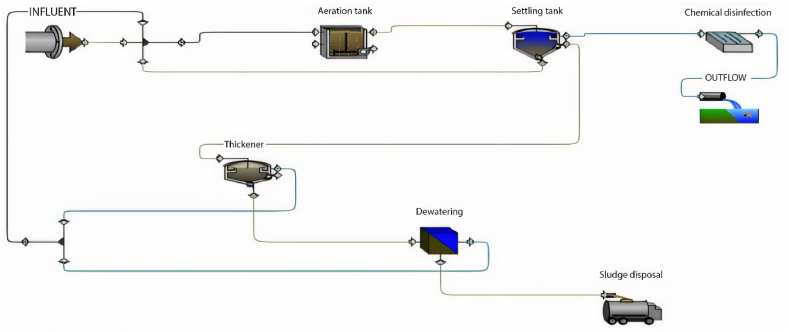
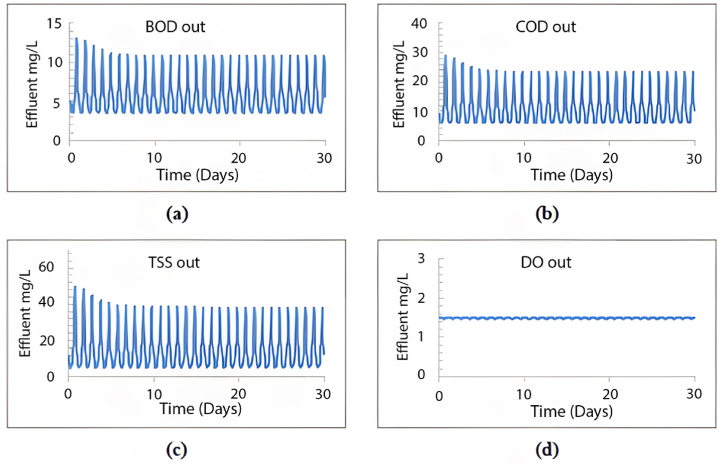
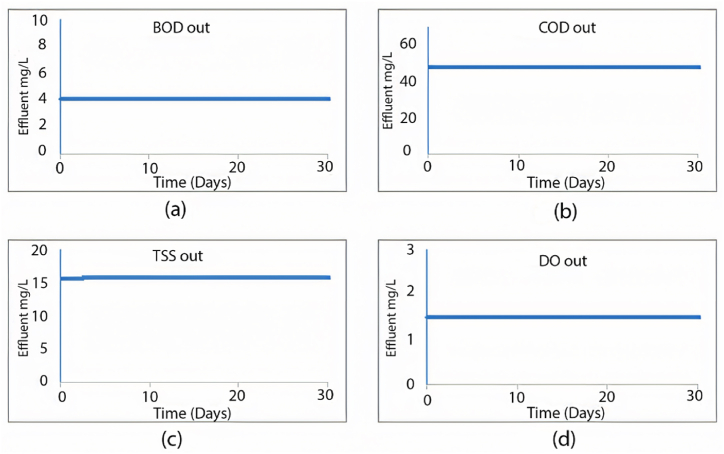
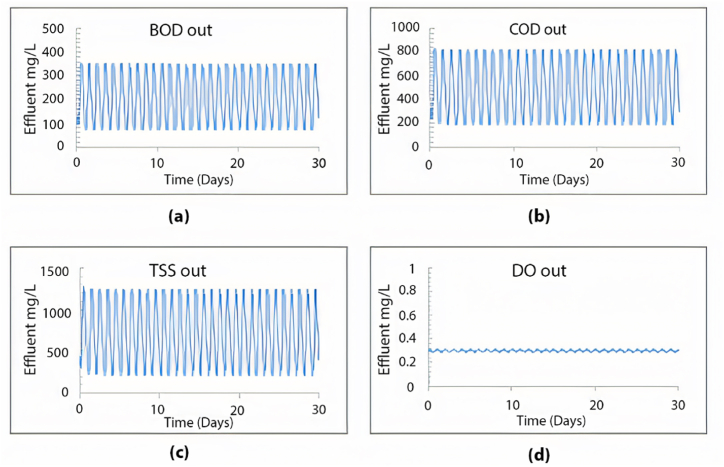
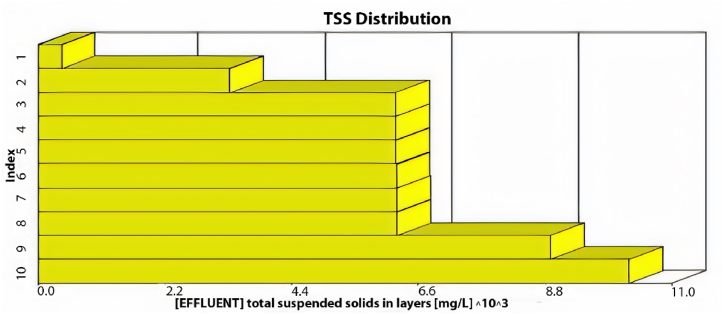
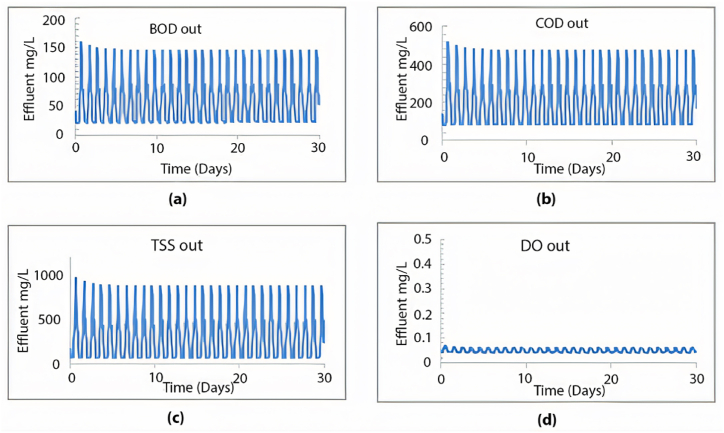
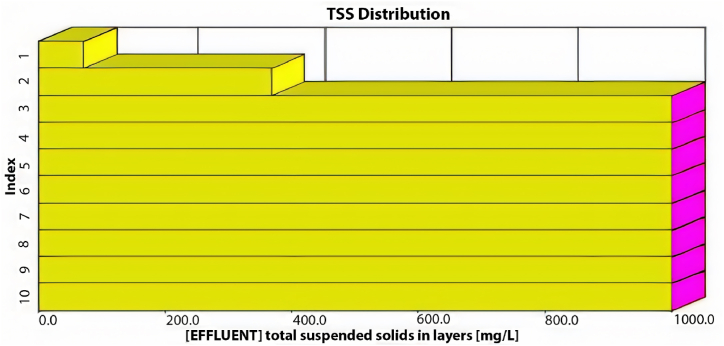
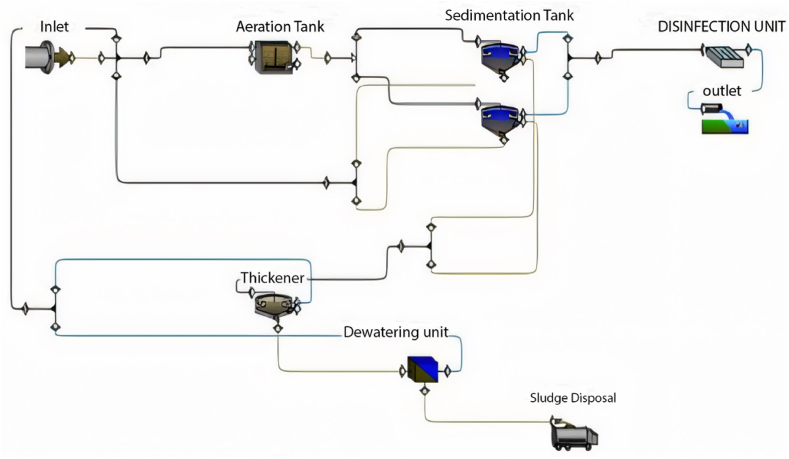
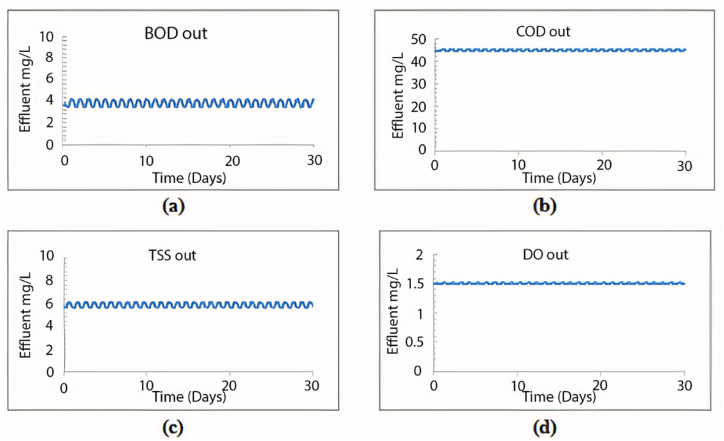
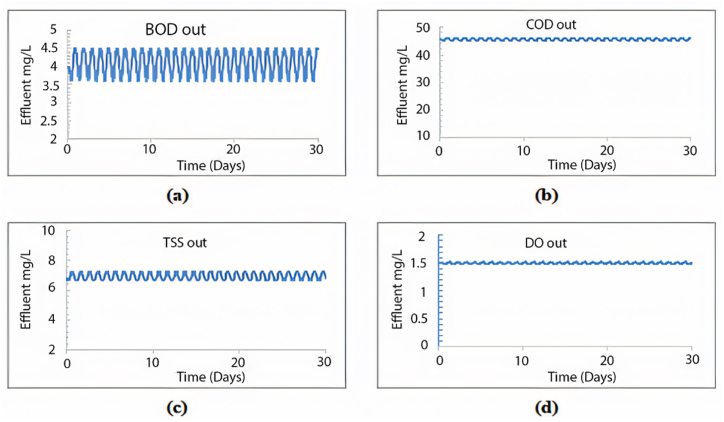
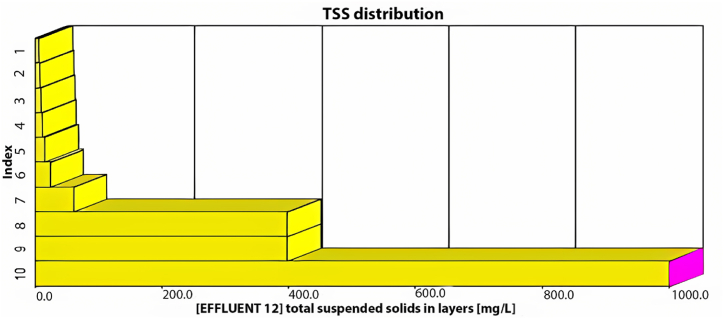
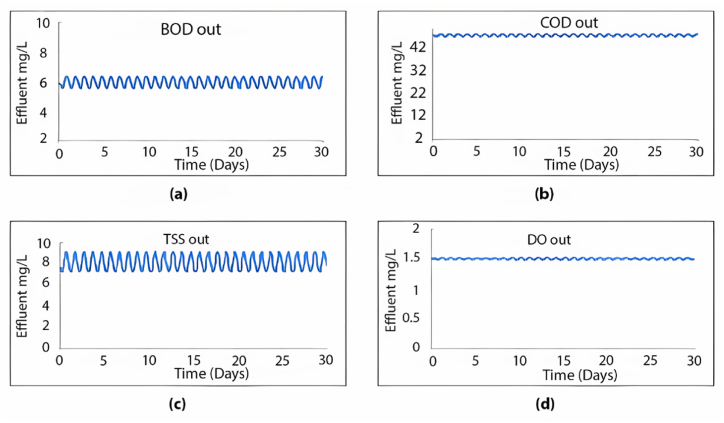
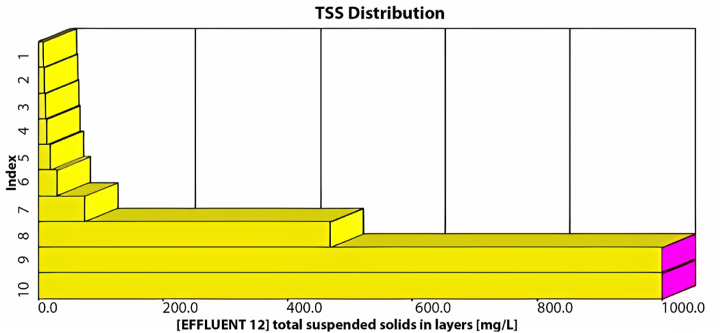
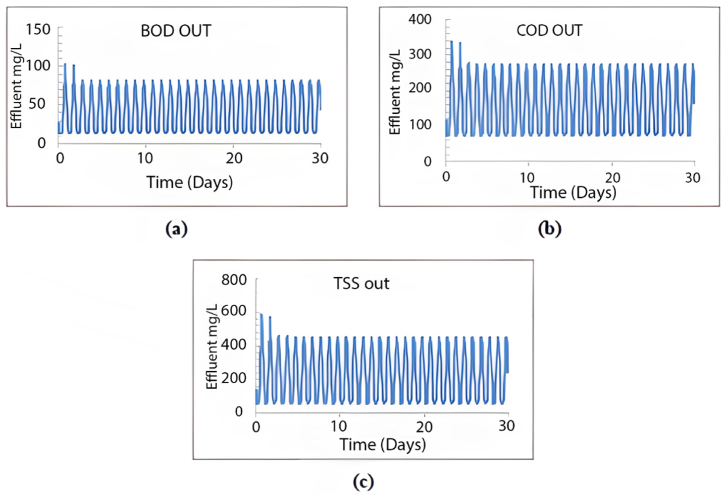
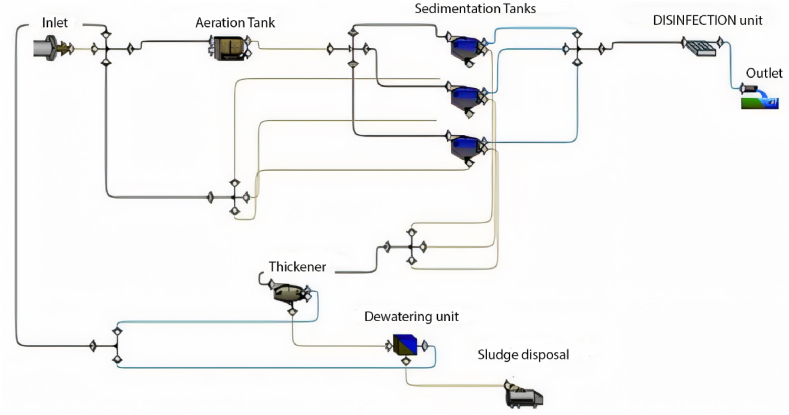
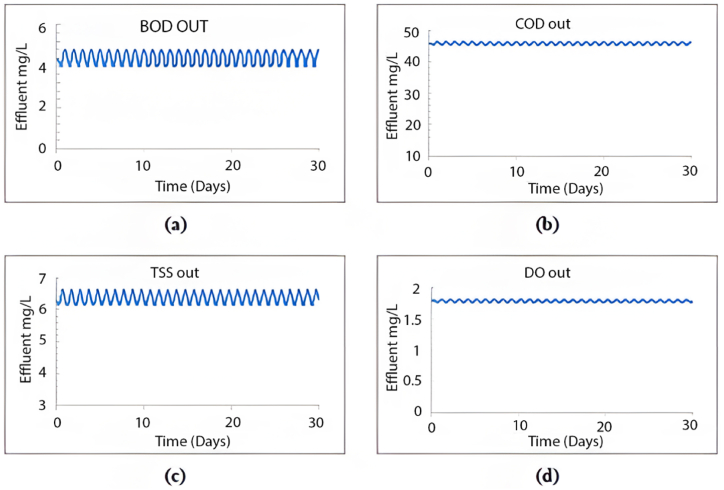
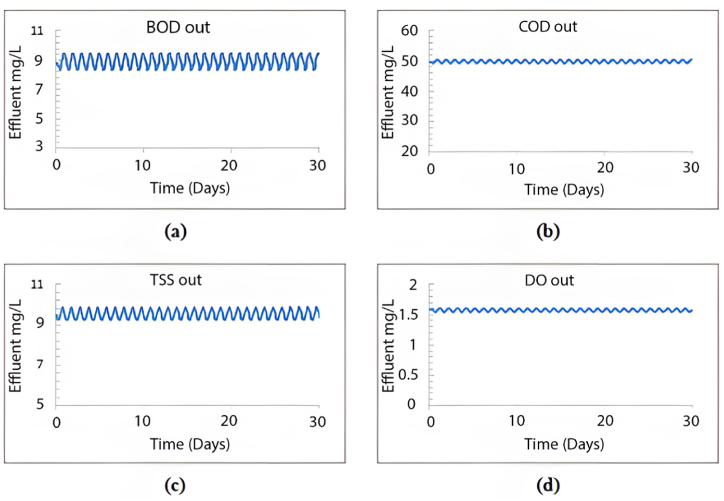
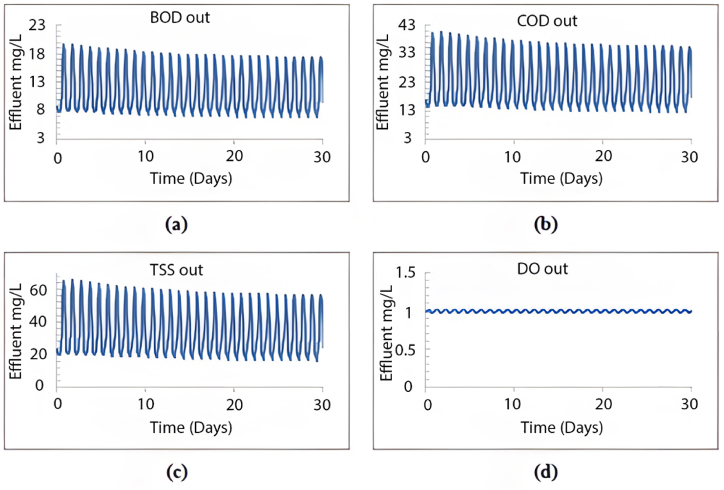
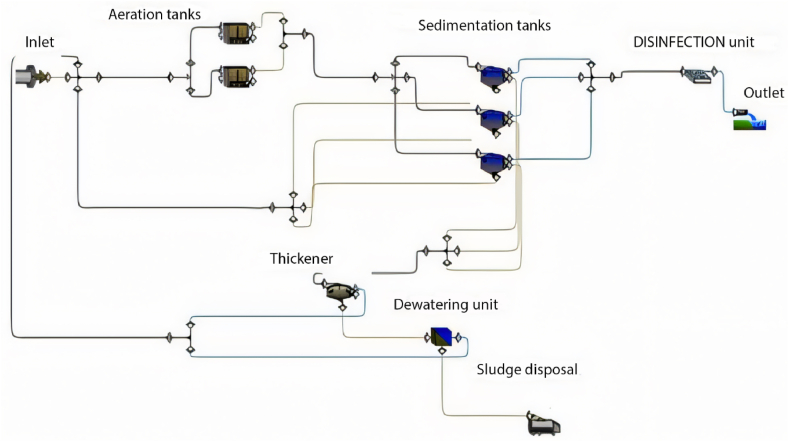
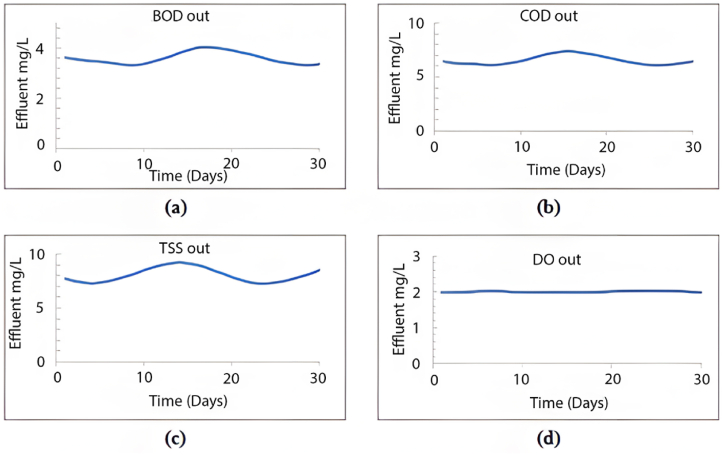
In the context of today's rapidly changing environmental challenges, accurately predicting the performance and efficiency of environmental management strategies is crucial. Particularly in the Middle East, where research on wastewater treatment plants (WWTPs) is notably lacking, addressing this need is imperative. This study investigates the treatment efficiency of a wastewater treatment plant and proposes various techniques to enhance its performance. Employing a case study method, we utilise the GPS-X model to forecast the plant's performance under diverse scenarios, offering solutions for future challenges. The results reveal that the current plant layout operates efficiently, with removal efficiencies for Total Suspended Solids (TSS), Chemical Oxygen Demand (COD), and Biochemical Oxygen Demand (BOD) at 98.3 %, 95.1 %, and 96.1 %, respectively. The outlet Dissolved Oxygen (DO) of 1.9 mg/L meets local wastewater reuse standards. Furthermore, the GPS-X model forecasts the plant's performance under different scenarios, suggesting the feasibility of a new layout within 20-25 years and the need for additional units after 40 years. As inflow approaches maximum design capacity, simulation results underscore the importance of utilising the full plant design and expanding it for optimal operation over 60 years. This research provides critical insights for improving WWTP performance and emphasizes the significance of strategic planning in addressing long-term environmental management challenges. Moreover, this study represents a pioneering effort in addressing critical water scarcity challenges in Jordan by exploring the potential of treated wastewater (TWW) as a sustainable solution, thus contributing to the advancement of environmental management practices in the region.
在当今环境挑战迅速变化的背景下,准确预测环境管理策略的性能和效率至关重要。特别是在中东地区,对污水处理厂(WWTPs)的研究明显不足,满足这一需求势在必行。本研究调查了一座污水处理厂的处理效率,并提出了各种提高其性能的技术。采用案例研究方法,我们利用GPS-X模型预测该厂在不同情景下的性能,为未来的挑战提供解决方案。结果表明,当前的工厂布局运行高效,总悬浮固体(TSS)、化学需氧量(COD)和生化需氧量(BOD)的去除效率分别为98.3%、95.1%和96.1%。1.9mg/L的出水溶解氧(DO)符合当地废水回用标准。此外,GPS-X模型预测了该厂在不同情景下的性能,表明在20至25年内采用新布局的可行性以及40年后需要增加处理单元。随着流入量接近最大设计容量,模拟结果强调了在60年内充分利用全厂设计并进行扩建以实现最佳运行的重要性。这项研究为提高污水处理厂性能提供了关键见解,并强调了战略规划在应对长期环境管理挑战中的重要性。此外,本研究通过探索经处理废水(TWW)作为可持续解决方案的潜力,代表了约旦在应对严重水资源短缺挑战方面的开创性努力,从而为该地区环境管理实践的进步做出了贡献。