Research and Toxicology, Humane Society International, Brussels, Belgium.
European Monitoring Centre for Drugs and Drug Addiction (EMCDDA), Lisbon, Portugal.
Front Public Health. 2024 Jul 22;12:1417684. doi: 10.3389/fpubh.2024.1417684. eCollection 2024.
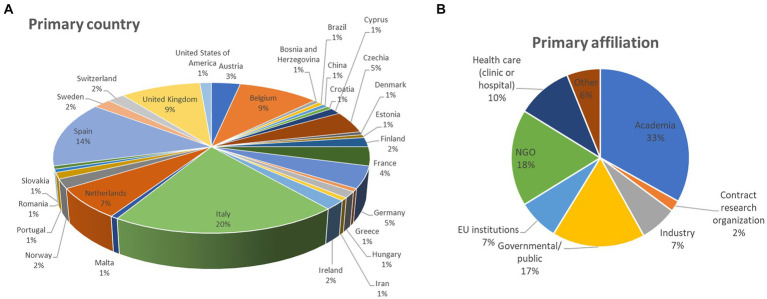
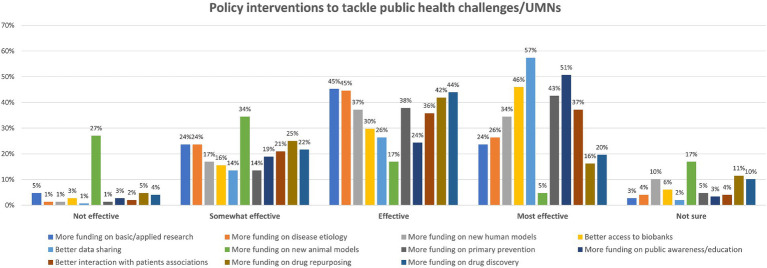
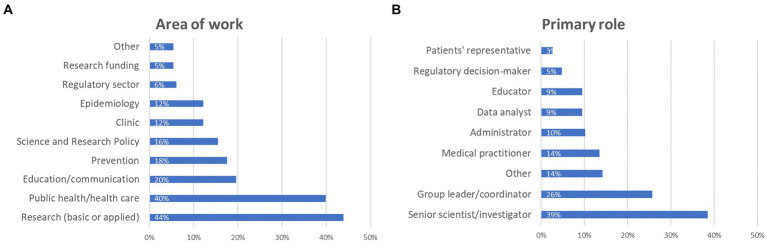
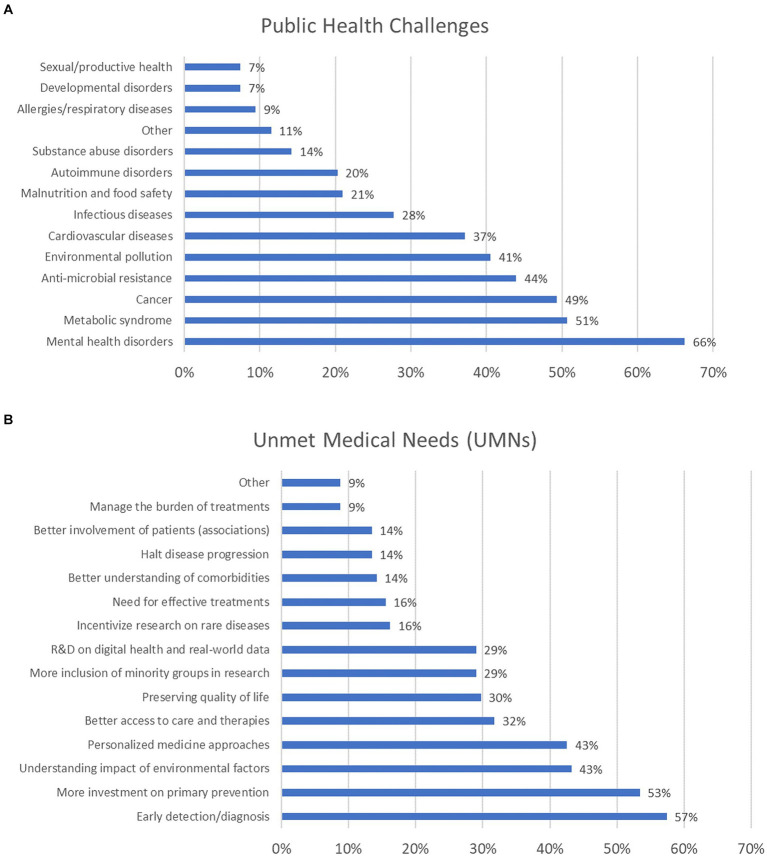
In the past decade, significant European calls for research proposals have supported translational collaborative research on non-communicable and infectious diseases within the biomedical life sciences by bringing together interdisciplinary and multinational consortia. This research has advanced our understanding of disease pathophysiology, marking considerable scientific progress. Yet, it is crucial to retrospectively evaluate these efforts' societal impact. Research proposals should be thoughtfully designed to ensure that the research findings can be effectively translated into actionable policies. In addition, the choice of scientific methods plays a pivotal role in shaping the societal impact of research discoveries. Understanding the factors responsible for current unmet public health issues and medical needs is crucial for crafting innovative strategies for research policy interventions. A multistakeholder survey and a roundtable helped identify potential needs for consideration in the EU research and policy agenda. Based on survey findings, mental health disorders, metabolic syndrome, cancer, antimicrobial resistance, environmental pollution, and cardiovascular diseases were considered the public health challenges deserving prioritisation. In addition, early diagnosis, primary prevention, the impact of environmental pollution on disease onset and personalised medicine approaches were the most selected unmet medical needs. Survey findings enabled the formulation of some research-policies interventions (RPIs), which were further discussed during a multistakeholder online roundtable. The discussion underscored recent EU-level activities aligned with the survey-derived RPIs and facilitated an exchange of perspectives on public health and biomedical research topics ripe for interdisciplinary collaboration and warranting attention within the EU's research and policy agenda. Actionable recommendations aimed at facilitating the translation of knowledge into transformative, science-based policies are also provided.
在过去的十年中,欧洲发出了多项重要呼吁,要求提出研究提案,通过汇集跨学科和跨国界的联盟,支持生物医学生命科学领域针对非传染性和传染性疾病的转化合作研究。这项研究增进了我们对疾病病理生理学的理解,标志着重大的科学进展。然而,回顾评估这些努力对社会的影响至关重要。研究提案的设计应深思熟虑,以确保研究结果能够有效地转化为可行的政策。此外,科学方法的选择在塑造研究发现的社会影响方面起着关键作用。了解导致当前未满足的公共卫生问题和医疗需求的因素对于制定研究政策干预的创新战略至关重要。多利益攸关方调查和圆桌会议有助于确定欧盟研究和政策议程中需要考虑的潜在需求。基于调查结果,心理健康障碍、代谢综合征、癌症、抗菌素耐药性、环境污染和心血管疾病被认为是需要优先考虑的公共卫生挑战。此外,早期诊断、初级预防、环境污染对疾病发病的影响和个性化医疗方法是选择最多的未满足的医疗需求。调查结果促成了一些研究政策干预措施(RPIs)的制定,这些措施在一次多利益攸关方在线圆桌会议上进行了进一步讨论。讨论强调了最近与调查衍生的 RPI 一致的欧盟一级活动,并就公共卫生和生物医学研究主题交流了观点,这些主题适合跨学科合作,值得在欧盟的研究和政策议程中关注。还提供了旨在促进将知识转化为变革性、基于科学的政策的可行建议。