Neural Engineering and Nanobiosensors Group, Biomedical Engineering Program, Maroun Semaan Faculty of Engineering and Architecture, American University of Beirut, Beirut 1107 2020, Lebanon.
Department of Anatomy, Cell Biology, and Physiological Sciences, Faculty of Medicine, American University of Beirut, Beirut 1107 2020, Lebanon.
ACS Appl Mater Interfaces. 2024 Sep 25;16(38):50147-50159. doi: 10.1021/acsami.4c06335. Epub 2024 Aug 6.
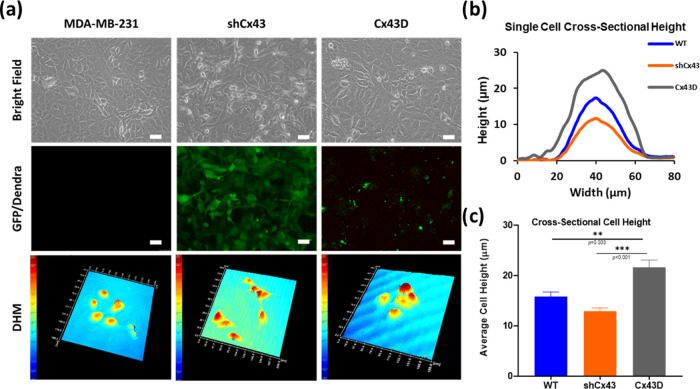
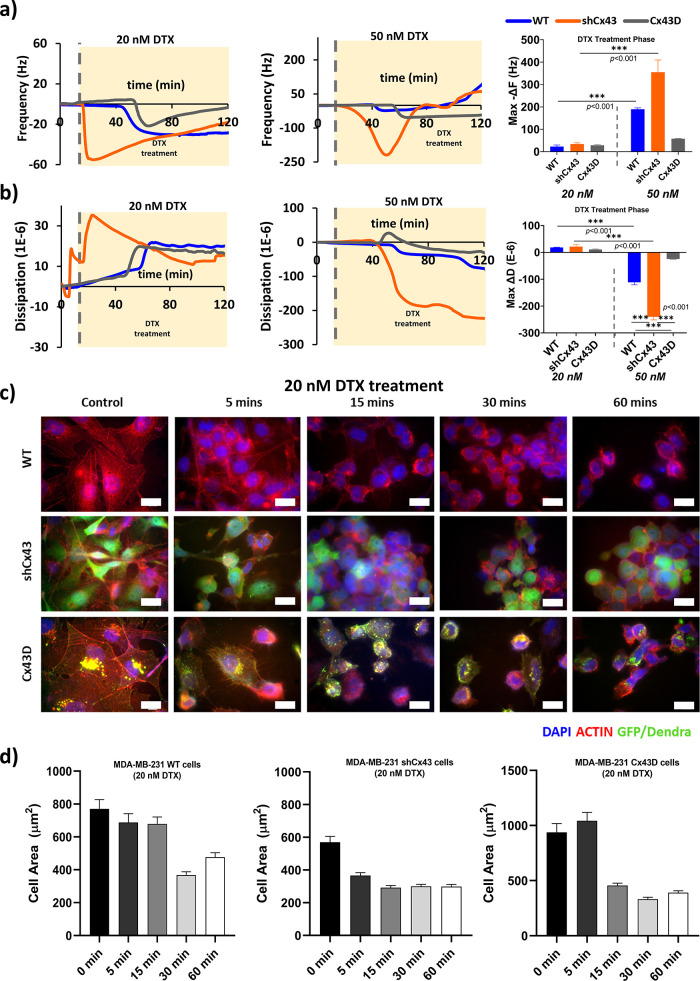
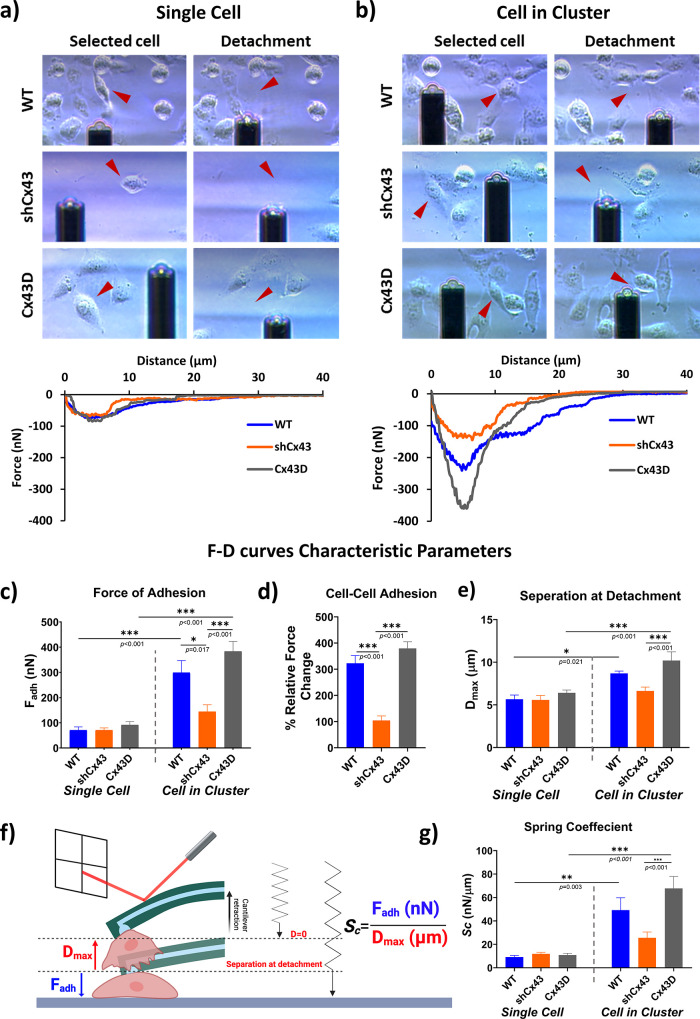
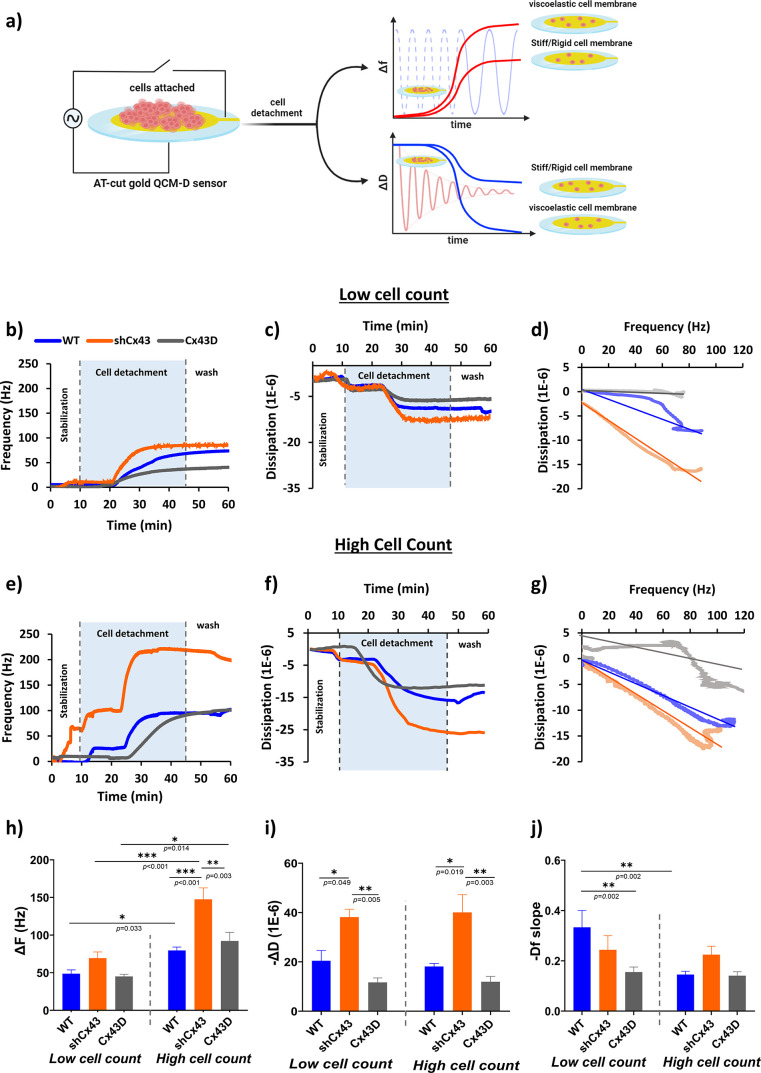
The interplay between cancer cell physical characteristics and metastatic potential highlights the significance of cancer cell mechanobiology. Using fluidic-based single-cell force spectroscopy (SCFS), quartz crystal microbalance with dissipation (QCM-D), and a model of cells with a spectrum of metastatic potential, we track the progression of biomechanics across the metastatic states by measuring cell-substrate and cell-to-cell adhesion forces, cell spring constant, cell height, and cell viscoelasticity. Compared to highly metastatic cells, cells in the lower spectrum of metastatic ability are found to be systematically stiffer, less viscoelastic, and larger. These mechanical transformations in cells within a cluster correlate with cells' metastatic potential but are significantly absent in single cells. Additionally, the response to chemotherapy is found to be highly dependent on cell viscoelastic properties in terms of both response time and magnitude. Shifts in cell softness and elasticity might serve as mechanoadaptive mechanisms during cancer cell metastasis, contributing to our understanding of metastasis and the effectiveness of potential therapeutic interventions.
癌细胞物理特性与转移潜能之间的相互作用凸显了癌细胞机械生物学的重要性。我们使用基于流体的单细胞力谱学(SCFS)、石英晶体微天平耗散(QCM-D)以及一系列具有转移潜能的细胞模型,通过测量细胞-基底和细胞-细胞粘附力、细胞弹性常数、细胞高度和细胞粘弹性,追踪转移状态下生物力学的进展。与高转移性细胞相比,处于较低转移能力范围内的细胞表现出系统的刚性增加、粘弹性降低和体积增大。这些细胞簇内细胞的力学转变与细胞的转移潜能相关,但在单细胞中却显著缺失。此外,发现化疗反应在响应时间和幅度方面都高度依赖于细胞粘弹性特性。细胞柔软度和弹性的变化可能是癌细胞转移过程中的机械适应机制,有助于我们理解转移以及潜在治疗干预的效果。