Yanagisawa Hideaki, Abe Ikuo, Baba Toshitaka
Department of Regional Community Studies, Faculty of Regional Studies, Tohoku Gakuin University, 3-1 Shimizukoji, Wakabayashi-ku, Sendai, Miyagi, 984-8588, Japan.
Department of Social and Environmental Studies, Faculty of Social and Environmental Studies, Tokoha University, 6-1 Yayoicho, Suruga-ku, Shizuoka, Shizuoka, 422-8581, Japan.
Sci Rep. 2024 Aug 6;14(1):18245. doi: 10.1038/s41598-024-69097-w.
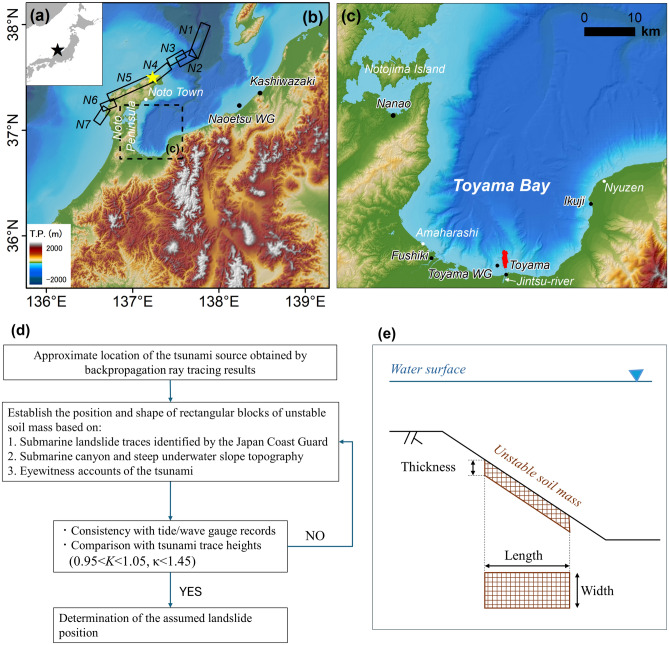
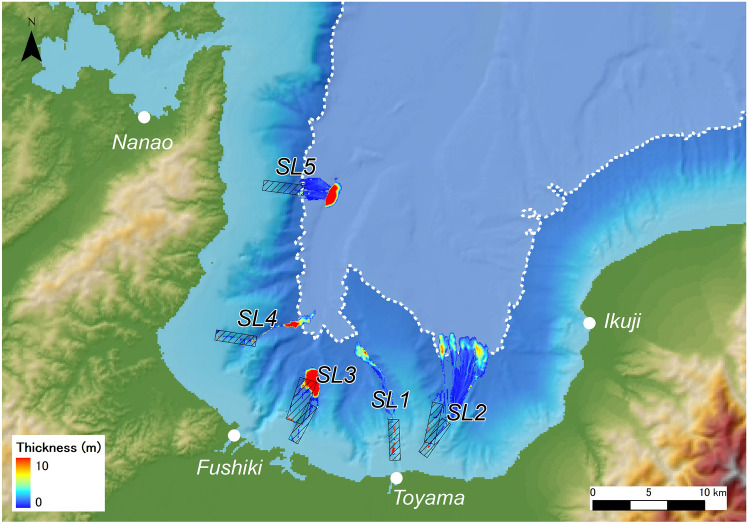
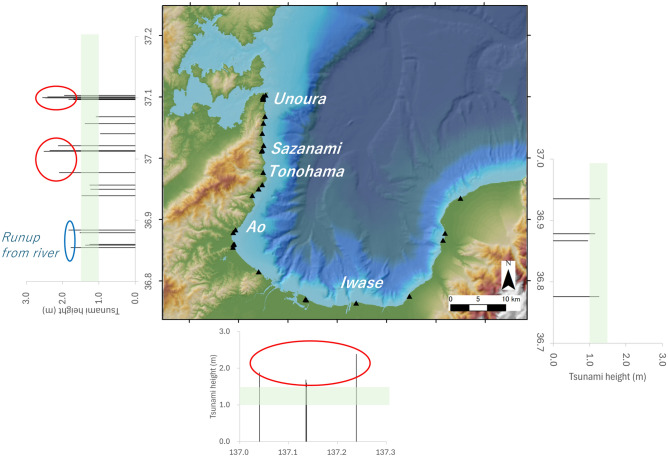
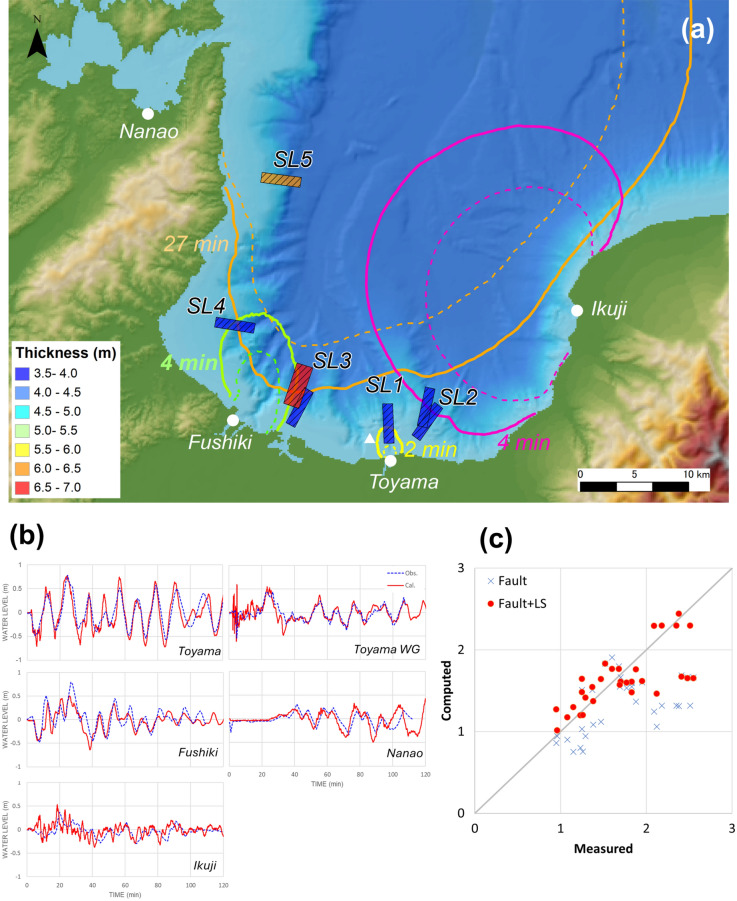
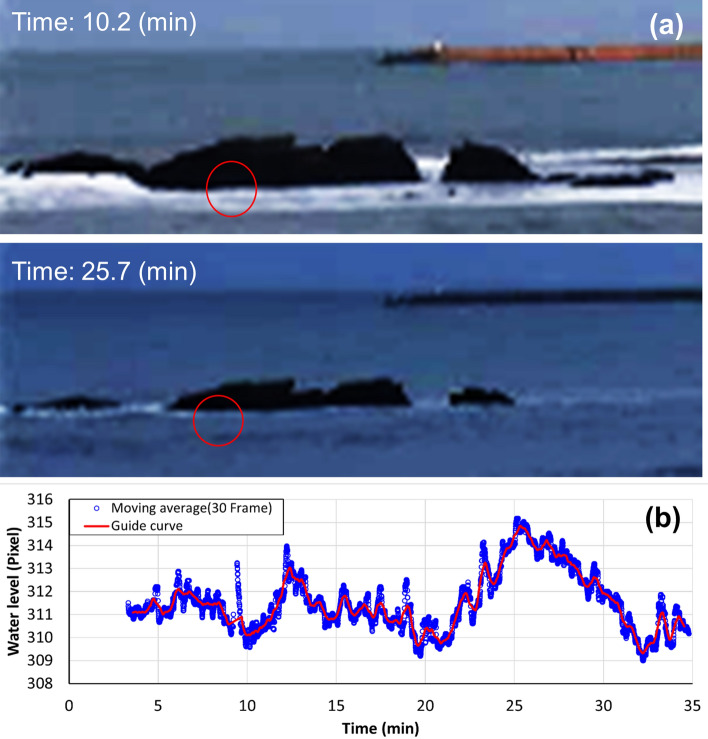
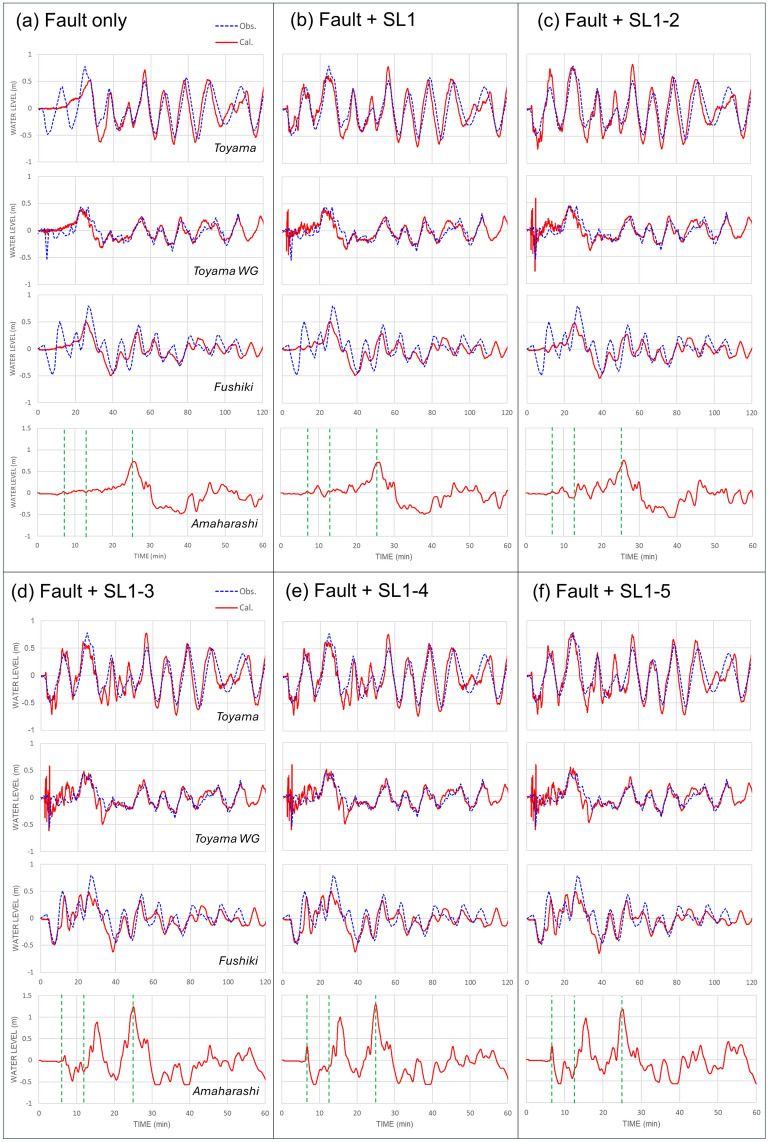
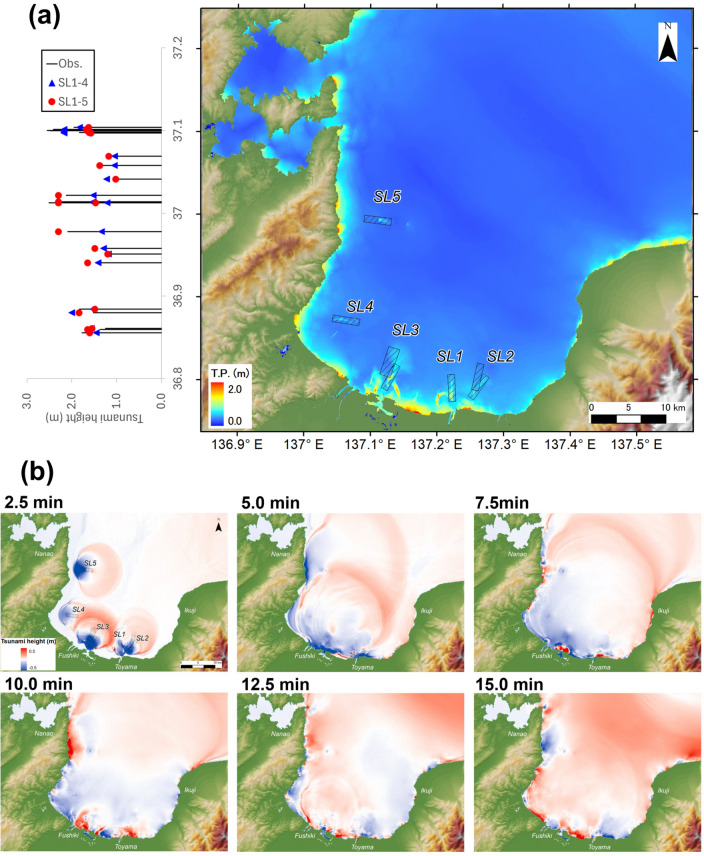
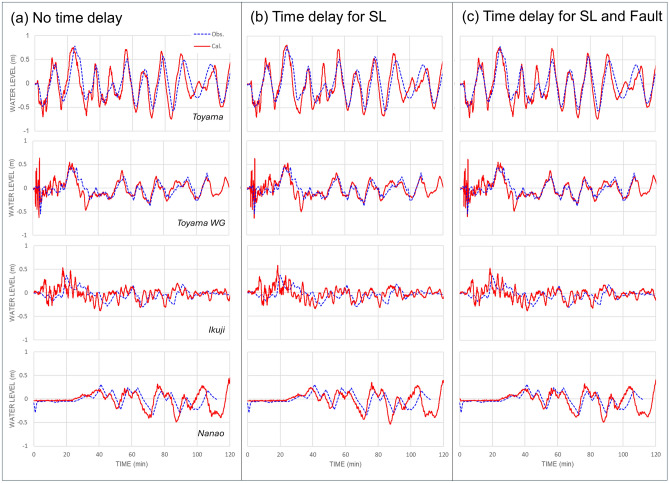
In recent years, there have been worldwide reports of massive tsunamis, drawing attention to how tsunamis are intensified by submarine landslides triggered by earthquakes. However, precise data on tsunamis caused by submarine landslides are scarce, leading to insufficient information for a thorough discussion of the characteristics of such tsunamis. On the other hand, during the Noto Peninsula earthquake (M7.5) that occurred in Japan on January 1, 2024, a nonseismic tsunami distinct from those originating from fault ruptures were observed. To investigate its characteristics, we analyzed tide/wave gauge records, video footage, and tsunami trace heights along the coast of Toyama Bay. Furthermore, we validated scenarios capable of reproducing the observed records using an integrated landslide-tsunami model. It was found that assuming the existence of 5 submarine landslides along the underwater canyons of Toyama Bay enabled the precise explanation of multiple types of data. Additionally, our study revealed that submarine landslides occurred approximately 50 s after the earthquake, coinciding with the peak ground shaking in Toyama Bay. Compared to the seismic tsunami originating solely from the Noto Peninsula offshore fault rupture, the subsequent tsunami triggered by submarine landslides amplified the tsunami height by approximately 30% along Toyama Bay.
近年来,全球范围内都有关于大规模海啸的报道,这引发了人们对地震引发的海底滑坡如何加剧海啸的关注。然而,关于海底滑坡引发海啸的精确数据却很稀少,导致缺乏足够信息来全面讨论此类海啸的特征。另一方面,在2024年1月1日日本能登半岛地震(7.5级)期间,观测到了一种与断层破裂引发的海啸不同的非地震海啸。为了研究其特征,我们分析了富山湾沿岸的潮汐/波浪测量记录、视频 footage 和海啸痕迹高度。此外,我们使用综合滑坡 - 海啸模型验证了能够重现观测记录的情景。结果发现,假设富山湾水下峡谷沿线存在5次海底滑坡,能够精确解释多种类型的数据。此外,我们的研究表明,海底滑坡在地震发生后约50秒出现,与富山湾的地面震动峰值时间一致。与仅由能登半岛近海断层破裂引发的地震海啸相比,随后由海底滑坡引发的海啸使富山湾沿岸的海啸高度放大了约30%。