Polito Maria Pia, Romaldini Alessio, Rinaldo Serena, Enzo Elena
Centre for Regenerative Medicine "Stefano Ferrari", Department of Life Sciences, University of Modena and Reggio Emilia, Modena, 41125, Italy.
Department of Biochemical Sciences "A. Rossi Fanelli", Sapienza University of Rome, Rome, 00185, Italy.
Biol Direct. 2024 Aug 7;19(1):63. doi: 10.1186/s13062-024-00510-0.
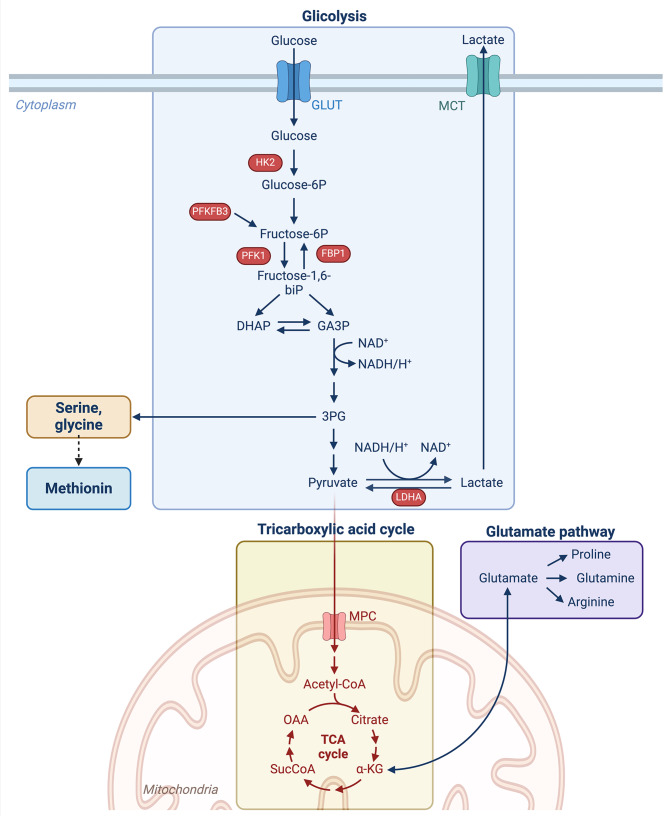
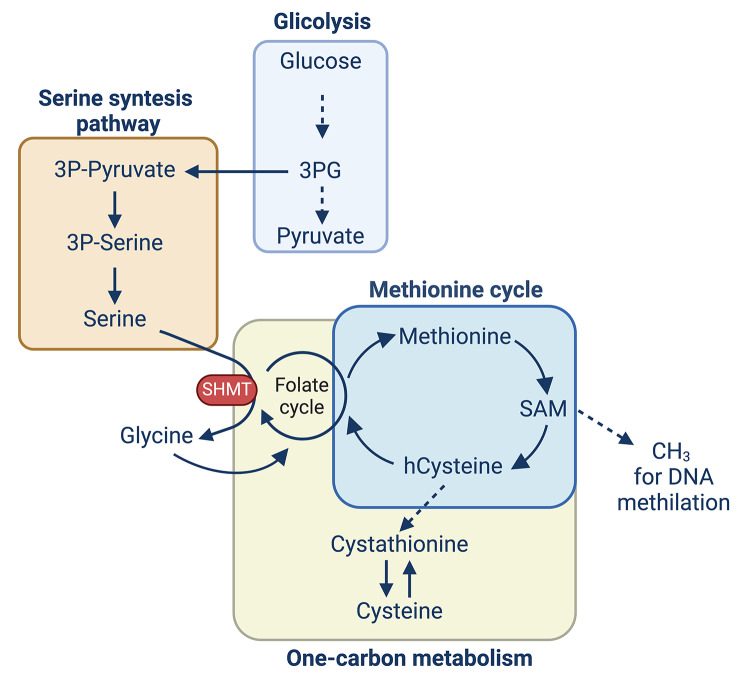
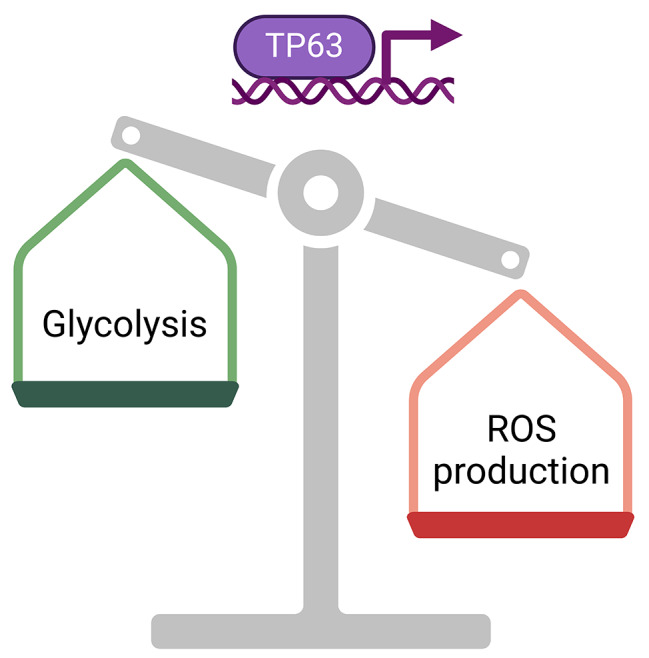
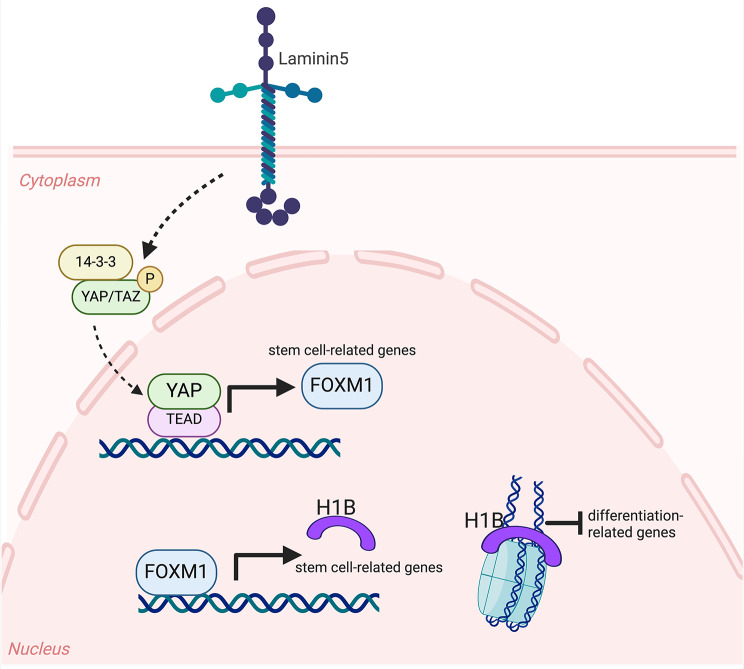
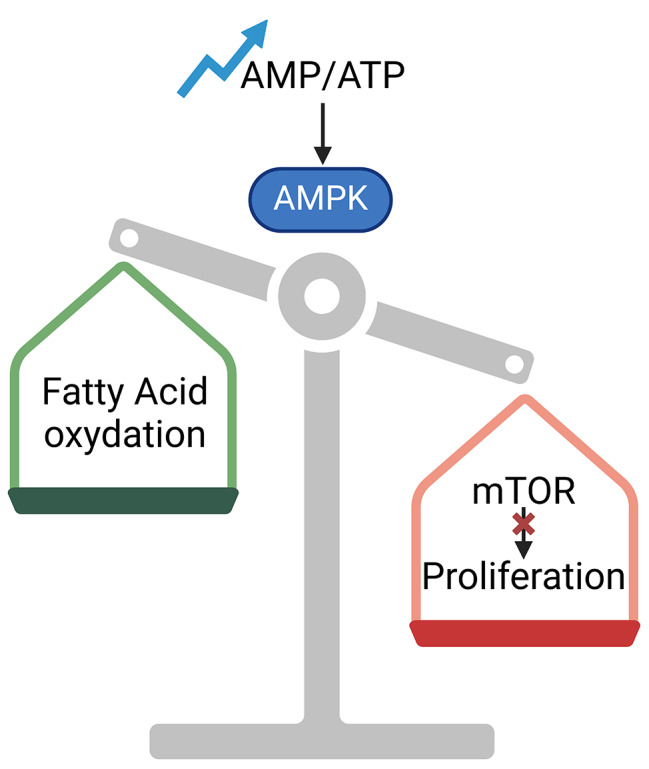
Epidermal stem cells (EPSCs) are essential for maintaining skin homeostasis and ensuring a proper wound healing. During in vitro cultivations, EPSCs give rise to transient amplifying progenitors and differentiated cells, finally forming a stratified epithelium that can be grafted onto patients. Epithelial grafts have been used in clinics to cure burned patients or patients affected by genetic diseases. The long-term success of these advanced therapies relies on the presence of a correct amount of EPSCs that guarantees long-term epithelial regeneration. For this reason, a deeper understanding of self-renewal and differentiation is fundamental to fostering their clinical applications.The coordination between energetic metabolism (e.g., glycolysis, tricarboxylic acid cycle, oxidative phosphorylation, and amino acid synthesis pathways), molecular signalling pathways (e.g., p63, YAP, FOXM1, AMPK/mTOR), and epigenetic modifications controls fundamental biological processes as proliferation, self-renewal, and differentiation. This review explores how these signalling and metabolic pathways are interconnected in the epithelial cells, highlighting the distinct metabolic demands and regulatory mechanisms involved in skin physiology.
表皮干细胞(EPSCs)对于维持皮肤内稳态和确保伤口正常愈合至关重要。在体外培养过程中,表皮干细胞产生短暂扩增祖细胞和分化细胞,最终形成可移植到患者身上的分层上皮。上皮移植物已在临床上用于治疗烧伤患者或患有遗传疾病的患者。这些先进疗法的长期成功依赖于存在适量的表皮干细胞,以保证长期的上皮再生。因此,深入了解自我更新和分化对于促进其临床应用至关重要。能量代谢(如糖酵解、三羧酸循环、氧化磷酸化和氨基酸合成途径)、分子信号通路(如p63、YAP、FOXM1、AMPK/mTOR)和表观遗传修饰之间的协调控制着增殖、自我更新和分化等基本生物学过程。本综述探讨了这些信号通路和代谢途径在上皮细胞中是如何相互连接的,突出了皮肤生理学中涉及的独特代谢需求和调节机制。