Department of Prosthodontic Dentistry, Nimet Bayraktar Oral and Dental Health Center, Kayseri, Turkey.
Faculty of Dentistry, Department of Prosthetic Dentistry, Nuh Naci Yazgan University, Kayseri, Turkey.
BMC Oral Health. 2024 Aug 8;24(1):913. doi: 10.1186/s12903-024-04685-w.
This study aimed to evaluate the feasibility of monolithic zirconia laminate veneers (MZLV) compared to lithium disilicate laminate veneers (LDLV).
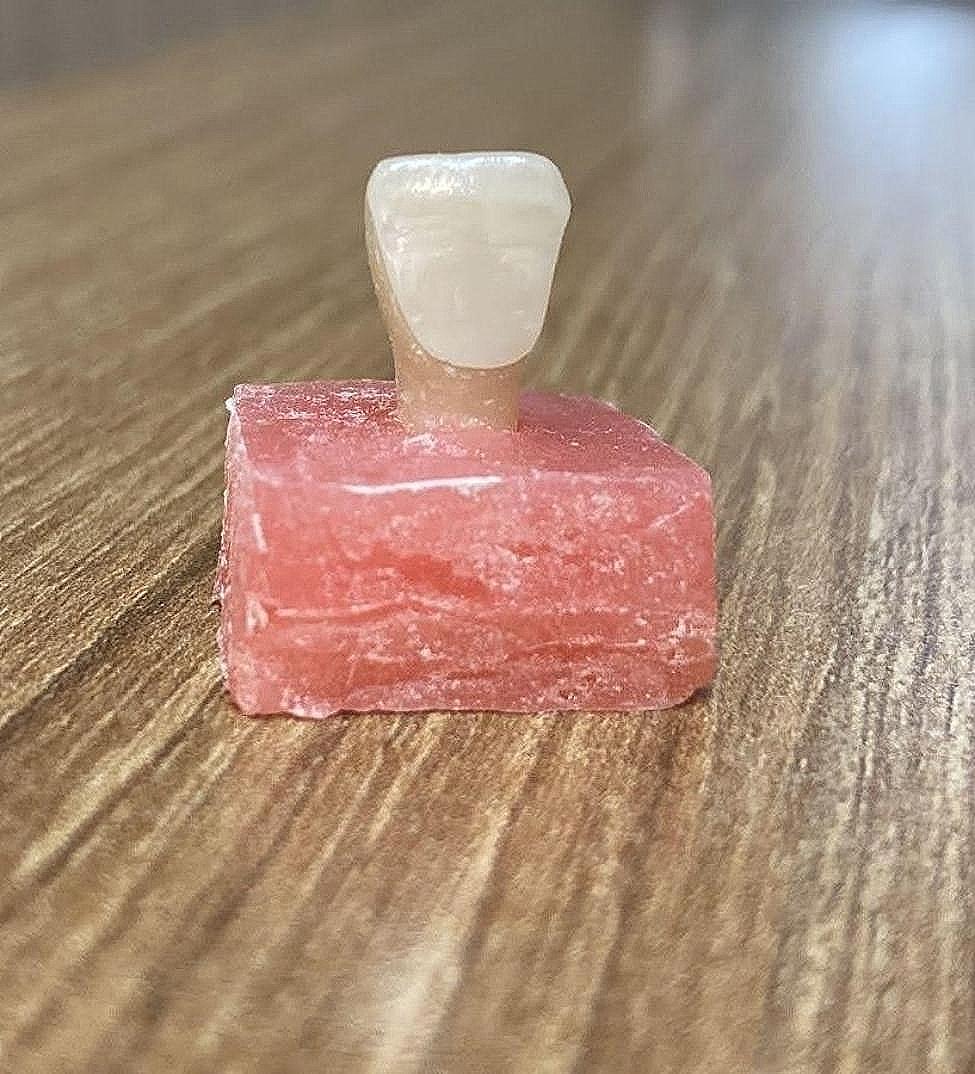
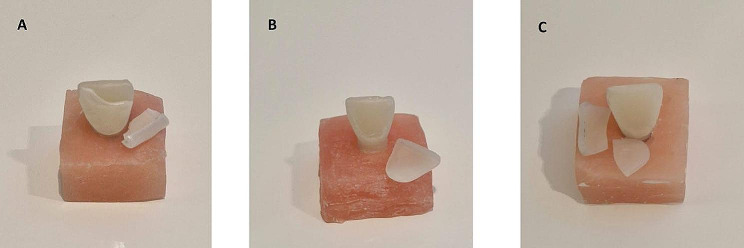
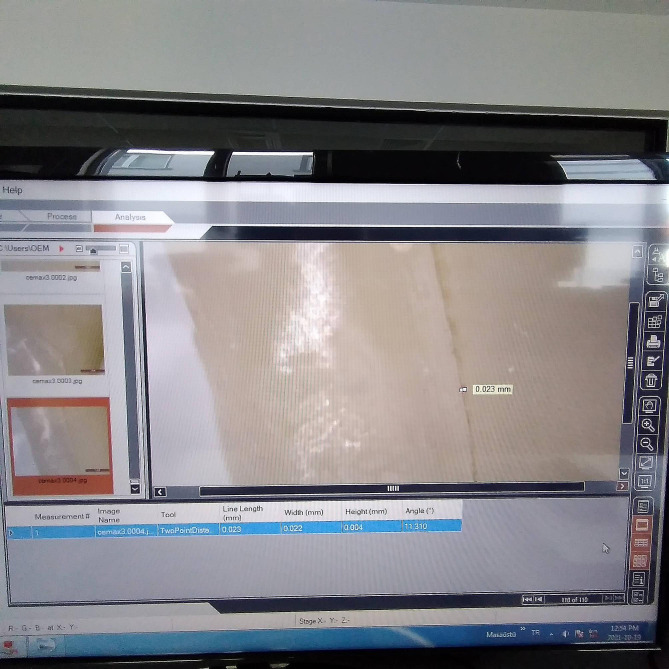
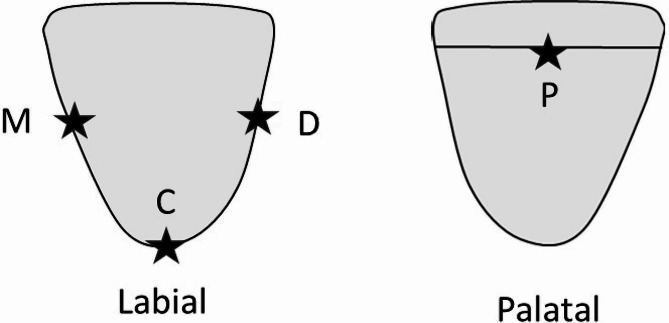
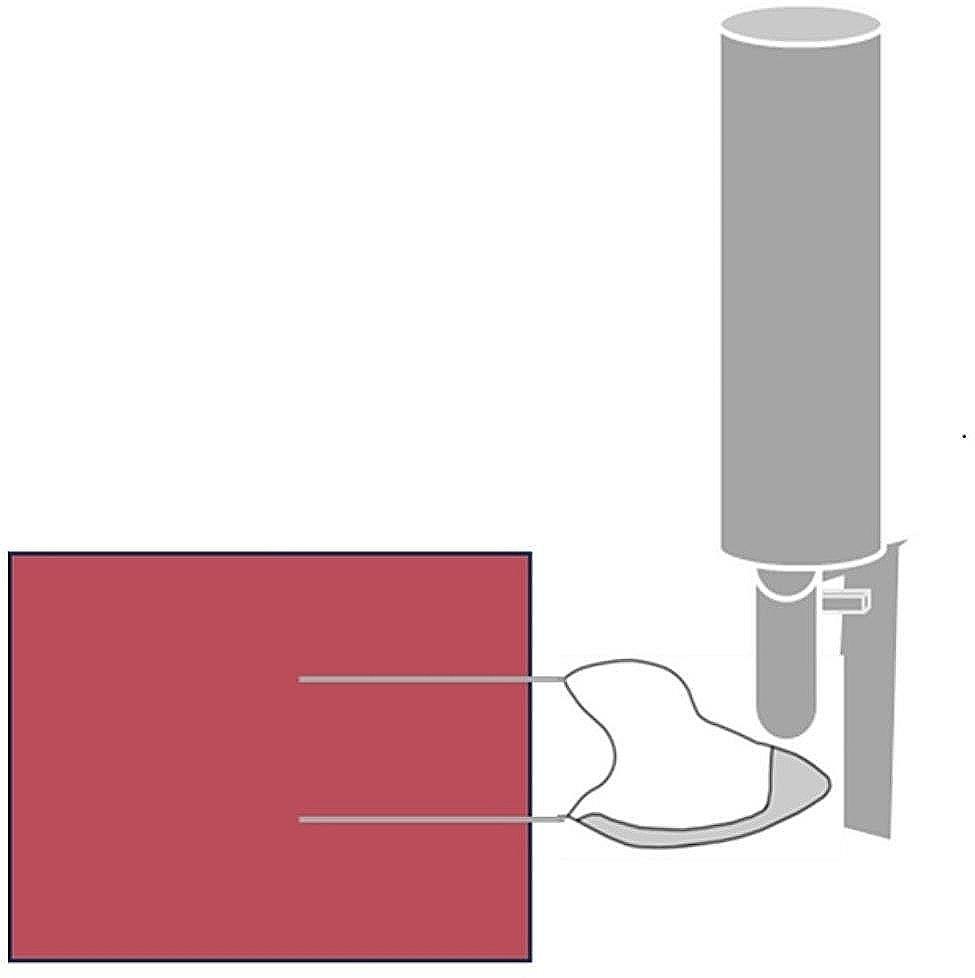
Sixty resin replicas, each prepared with depths of 0.5 mm, 0.7 mm, and 1 mm, were produced using a 3D printer from acrylic teeth. Laminate veneers of these thicknesses were milled from pre-sintered monolithic zirconia (3rd generation) and lithium disilicate blocks. The intaglio surface of MZLV was treated with air abrasion using 110 μm diameter silica-modified aluminium oxide particles and ceramic primer, while LDLV was etched with etchant gel and treated with the ceramic primer before cementation with resin cement. Vertical marginal discrepancy (VMD) was assessed using a stereomicroscope, and a load-to-failure test was conducted using a universal testing machine. Failure modes were evaluated macroscopically on fractured surfaces. Data were analysed statistically using Two-way ANOVA and Bonferroni correction (α = 0.05).
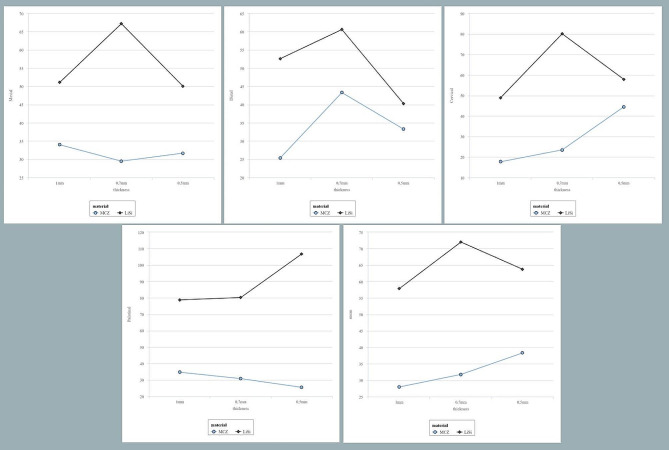
LDLV samples exhibited significantly larger VMD compared to MZLV samples across all thicknesses, especially in cervical, palatal, and mean data. Within the LDLV group, load-to-fracture values for 0.7 mm and 1.0 mm thicknesses were similar, whereas for 0.5 mm thickness, it was significantly lower. In the MZLV group, load-to-fracture values were lower for 0.7 mm and 1.0 mm thicknesses compared to LDLV, but higher for 0.5 mm thickness.
Material choice and restoration thickness significantly influence laminate veneer restorations' success. MZLV generally exhibits superior vertical marginal fit compared to LDLV, with varying load-to-failure values across different thicknesses. Clinical management of debonding in MZLV is simpler compared to restoration fracture in LDLV.
Considering clinical factors, MZLV may be a preferable option to LDLV for this restoration with the thickness of 0.5 mm.
本研究旨在评估整体氧化锆层压贴面(MZLV)与锂硅层压贴面(LDLV)相比的可行性。
使用 3D 打印机从丙烯酸牙齿制作 60 个树脂复制品,每个复制品的深度为 0.5mm、0.7mm 和 1mm。从预烧结整体氧化锆(第三代)和锂硅块中铣削出这些厚度的层压贴面。MZLV 的凹面用 110μm 直径的硅改性氧化铝颗粒和陶瓷底漆进行喷砂处理,而 LDLV 在胶结前用蚀刻凝胶蚀刻并用陶瓷底漆处理。使用立体显微镜评估垂直边缘不匹配(VMD),使用万能试验机进行失效负荷试验。宏观评估断裂表面的失效模式。使用双向方差分析和 Bonferroni 校正(α=0.05)对数据进行统计学分析。
在所有厚度下,LDLV 样本的 VMD 明显大于 MZLV 样本,尤其是在颈缘、腭缘和平均值方面。在 LDLV 组中,0.7mm 和 1.0mm 厚度的断裂负荷值相似,而 0.5mm 厚度的断裂负荷值明显较低。在 MZLV 组中,0.7mm 和 1.0mm 厚度的断裂负荷值低于 LDLV,但 0.5mm 厚度的断裂负荷值较高。
材料选择和修复体厚度显著影响层压贴面修复体的成功。MZLV 通常比 LDLV 具有更好的垂直边缘适合性,不同厚度的断裂负荷值也不同。与 LDLV 修复体断裂相比,MZLV 脱胶的临床处理更为简单。
考虑到临床因素,对于厚度为 0.5mm 的这种修复体,MZLV 可能是 LDLV 的更优选择。