Kuan Che-Yung, Yang I-Hsuan, Chang Chia-Ting, Chen Zhi-Yu, Lin Jhih-Ni, Kuo Wei-Ting, Lin Yu-Ying, Yueh Andrew, Lin Feng-Huei
Institute of Biomedical Engineering and Nanomedicine, National Health Research Institutes, No. 35, Keyan Road, Zhunan, Miaoli 35053, Taiwan.
Department of Biomedical Engineering, College of Medicine and College of Engineering, National Taiwan University, No. 49, Fanglan Rd., Taipei 10672, Taiwan.
APL Bioeng. 2024 Aug 6;8(3):036107. doi: 10.1063/5.0198191. eCollection 2024 Sep.
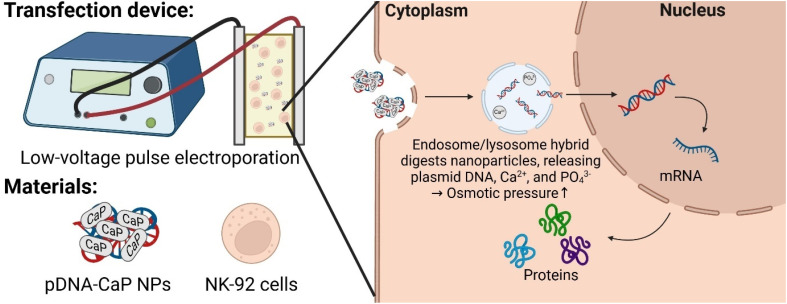
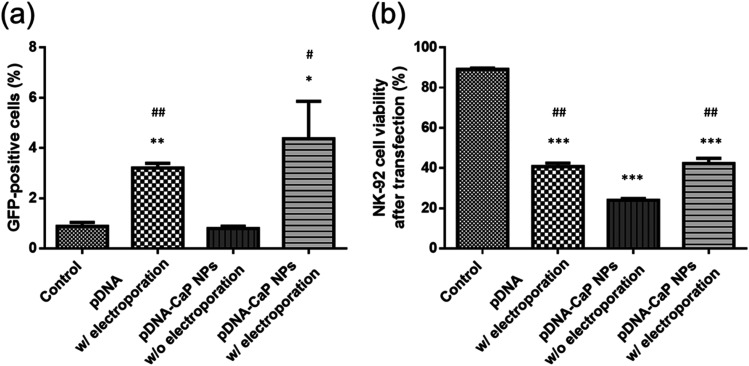
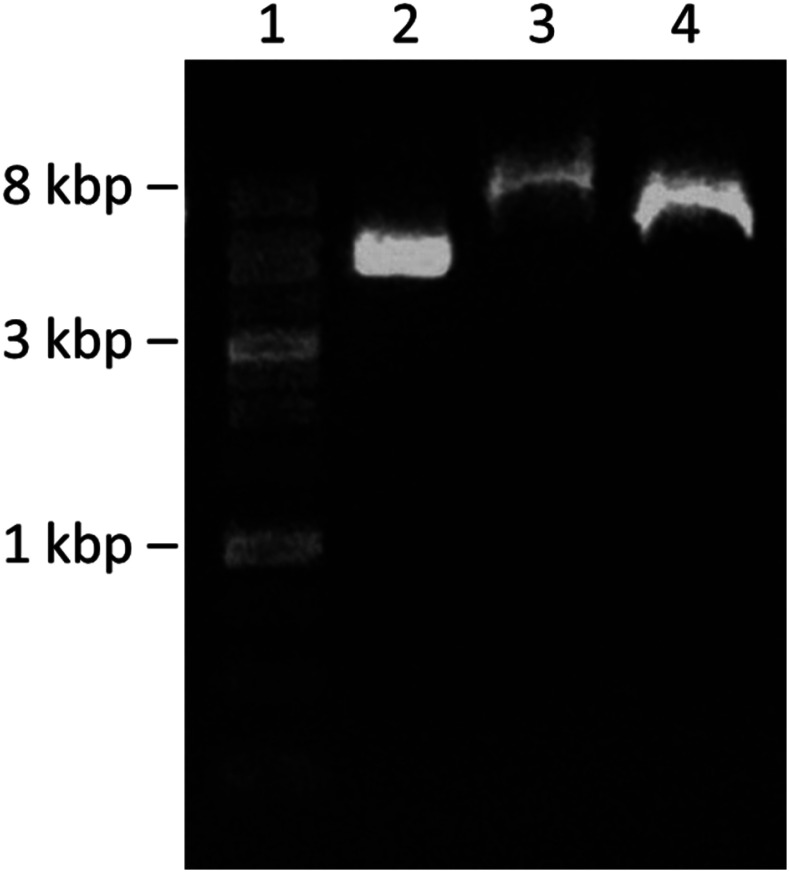
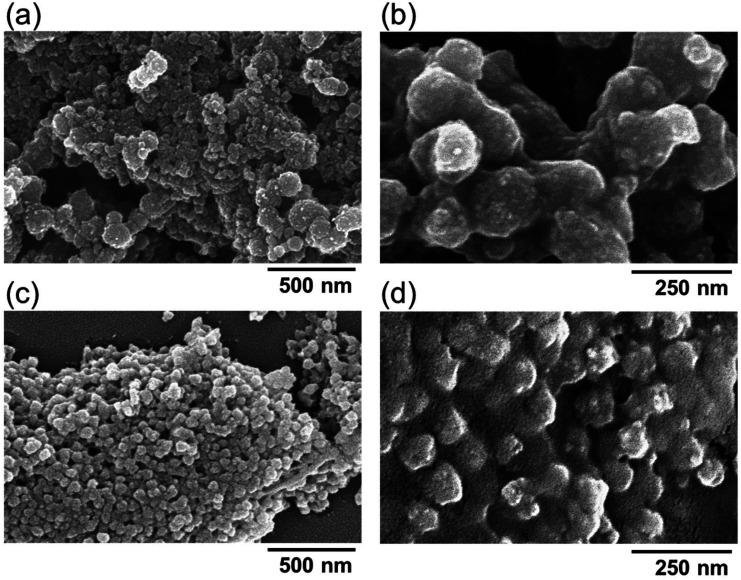
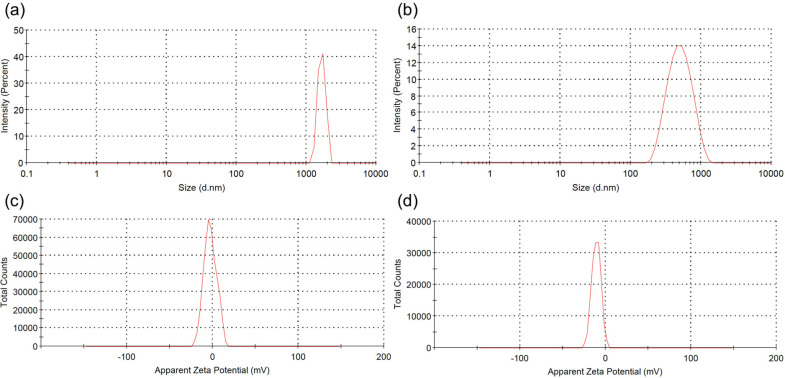
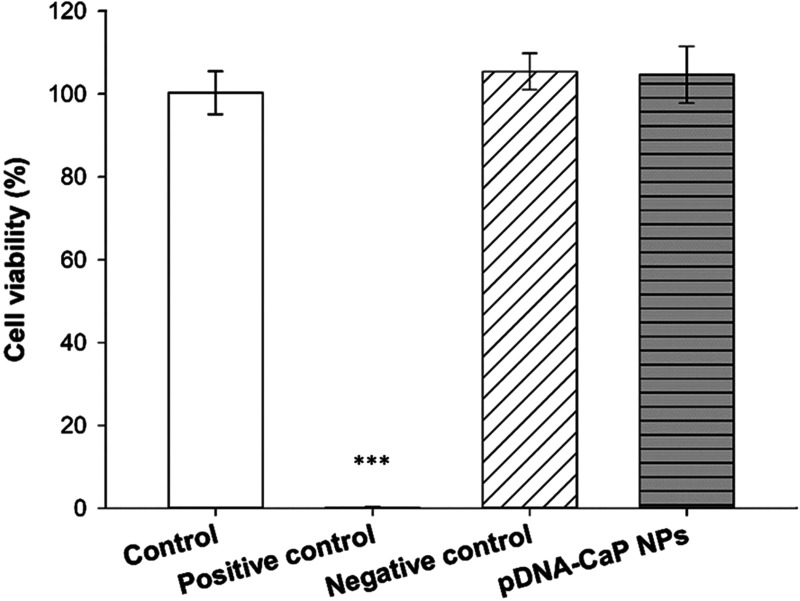
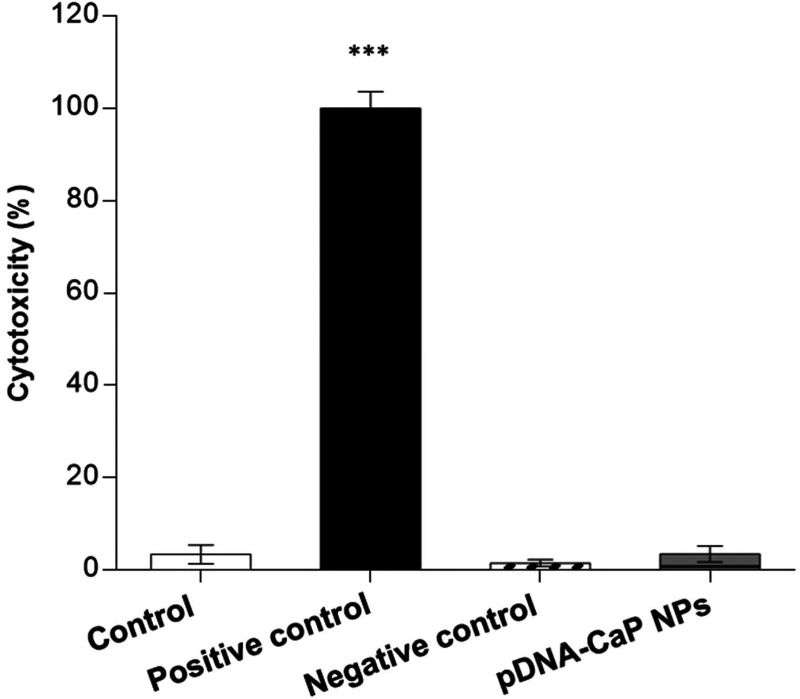
Achieving high cell transfection efficiency is essential for various cell types in numerous disease applications. However, the efficient introduction of genes into natural killer (NK) cells remains a challenge. In this study, we proposed a design strategy for delivering exogenous genes into the NK cell line, NK-92, using a modified non-viral gene transfection method. Calcium phosphate/DNA nanoparticles (pDNA-CaP NPs) were prepared using co-precipitation methods and combined with low-voltage pulse electroporation to facilitate NK-92 transfection. The results demonstrated that the developed pDNA-CaP NPs exhibited a uniform diameter of approximately 393.9 nm, a DNA entrapment efficiency of 65.8%, and a loading capacity of 15.9%. Furthermore, at three days post-transfection, both the transfection efficiency and cell viability of NK-92 were significantly improved compared to standalone plasmid DNA (pDNA) electroporation or solely relying on the endocytosis pathway of pDNA-CaP NPs. This study provides valuable insights into a novel approach that combines calcium phosphate nanoparticles with low-voltage electroporation for gene delivery into NK-92 cells, offering potential advancements in cell therapy.
在众多疾病应用中,实现多种细胞类型的高细胞转染效率至关重要。然而,将基因有效导入自然杀伤(NK)细胞仍然是一项挑战。在本研究中,我们提出了一种设计策略,使用改良的非病毒基因转染方法将外源基因导入NK细胞系NK-92。采用共沉淀法制备磷酸钙/DNA纳米颗粒(pDNA-CaP NPs),并结合低电压脉冲电穿孔以促进NK-92的转染。结果表明,所制备的pDNA-CaP NPs直径均匀,约为393.9nm,DNA包封率为65.8%,负载量为15.9%。此外,转染三天后,与单独的质粒DNA(pDNA)电穿孔或仅依赖pDNA-CaP NPs的内吞途径相比,NK-92的转染效率和细胞活力均显著提高。本研究为将磷酸钙纳米颗粒与低电压电穿孔相结合的基因递送新方法提供了有价值的见解,为细胞治疗带来了潜在的进展。