Adamska Olga, Wnuk Artur, Kamińska Agnieszka, Poniatowska Małgorzata, Maciąg Bartosz, Kamiński Maciej, Stolarczyk Artur, Matin Maima, Atanasov Atanas G, Łapiński Marcin, Jóźwik Artur
Department of Ophthalmology, Collegium Medicum, Cardinal Stefan Wyszynski University, Warsaw, Poland.
Hospital in Ostrow Mazowiecka, Ostrów Mazowiecka, Poland.
Front Pharmacol. 2024 Jul 29;15:1399719. doi: 10.3389/fphar.2024.1399719. eCollection 2024.
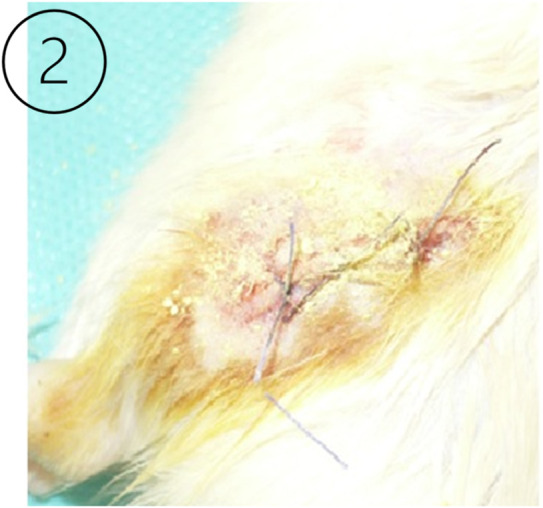
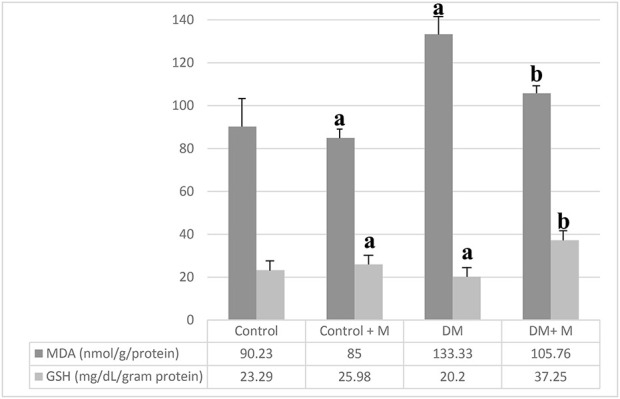
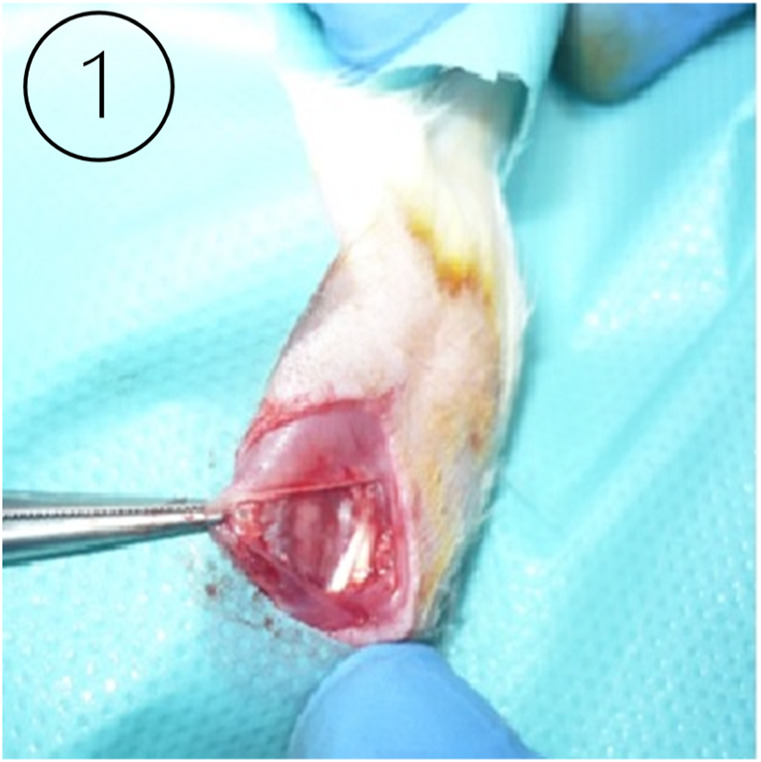
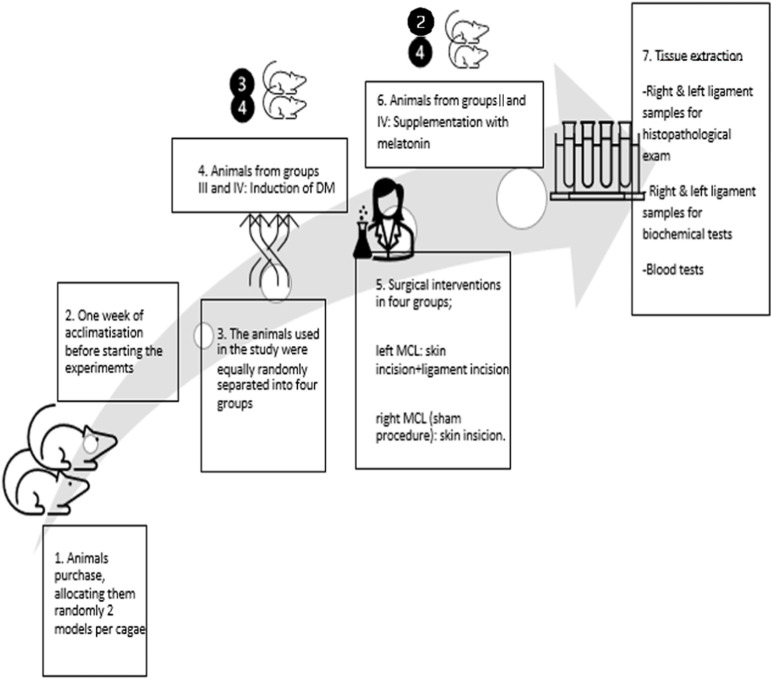
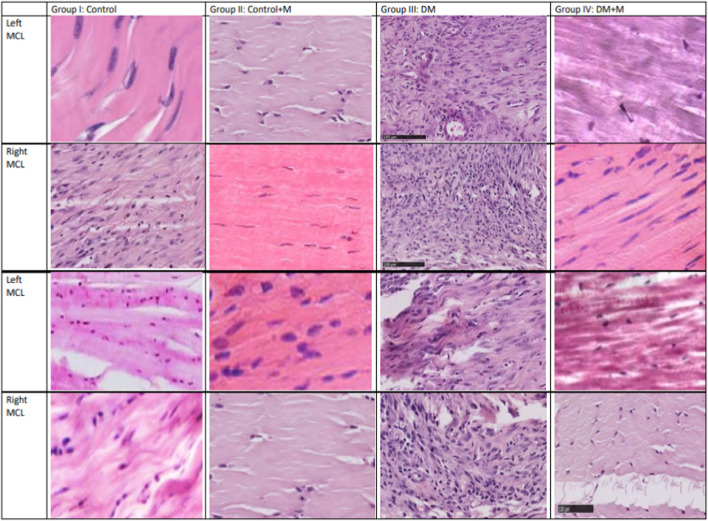
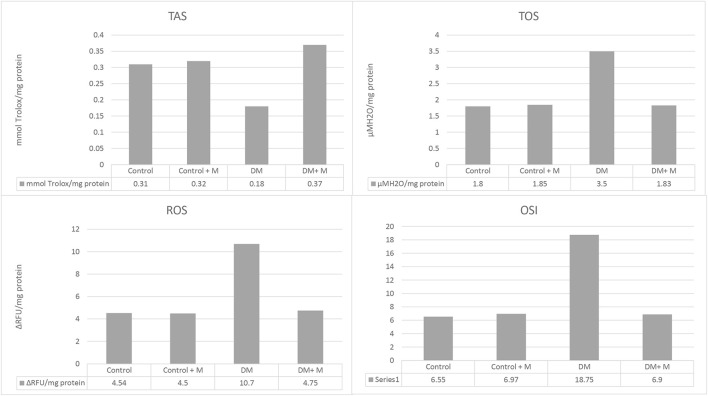
Diabetes mellitus (DM) is a prevalent metabolic disease. The clinical impact of sustained hyperglycemia on ligament healing has not been well characterized. Diabetes is a known cause of macro-, microvascular, and diabetic ulcer healing difficulties among tissues. Therefore, we aimed to investigate the healing potential occurring in injured and healthy ligaments among diabetic and healthy individuals using a rat model. We hypothesize that DM may contribute to altering the knee medial collateral ligament (MCL), thus its morphology, biochemical fitness, and functionality. The study cohort consisted of 40 rats. The animals were randomized into four equal groups. Groups I and II (20 rats) received saline subcutaneously and served as controls. Groups III and IV (20 rats) were injected with a single dose of streptozotocin (STZ). All animals underwent surgery to cut the left tibial collateral ligament in the hind limb and suture it. The access site was sutured to create inflammation and study the regenerative capacities of animals with normal carbohydrate metabolism and pharmacologically induced diabetes. Each animal then underwent sham surgery to access and suture the right tibial collateral ligament in the hind limb without ligament intervention. After the animals had undergone surgeries, groups II and IV were given melatonin supplementation for 4 weeks. Rats with DM presented with more fibrosis and calcification of the MCL and decreased healing potential. Treatment with melatonin in diabetic rats mitigated alterations and improved the antioxidant status of ligaments from the diabetic group.
糖尿病(DM)是一种常见的代谢性疾病。持续性高血糖对韧带愈合的临床影响尚未得到充分描述。糖尿病是已知的导致组织出现大血管、微血管病变以及糖尿病溃疡愈合困难的原因。因此,我们旨在使用大鼠模型研究糖尿病个体和健康个体中受伤和健康韧带的愈合潜力。我们假设糖尿病可能导致膝关节内侧副韧带(MCL)发生改变,进而影响其形态、生化适应性和功能。研究队列由40只大鼠组成。将动物随机分为四组,每组数量相等。第一组和第二组(共20只大鼠)皮下注射生理盐水作为对照组。第三组和第四组(共20只大鼠)注射单剂量链脲佐菌素(STZ)。所有动物均接受手术切断后肢左侧胫侧副韧带并进行缝合。缝合手术切口以引发炎症,从而研究碳水化合物代谢正常和药物诱导糖尿病的动物的再生能力。然后,对每只动物进行假手术,切开并缝合后肢右侧胫侧副韧带,但不干预韧带。动物手术后,第二组和第四组给予褪黑素补充剂,持续4周。患有糖尿病的大鼠的MCL出现更多纤维化和钙化现象,愈合潜力降低。给糖尿病大鼠使用褪黑素治疗可减轻这些改变,并改善糖尿病组韧带的抗氧化状态。