Division of Antitumor Pharmacology & Analytical Research Center for Organic and Biological Molecules & State Key Laboratory of Drug Research & Small-Molecule Drug Research Center, Shanghai Institute of Materia Medica, Chinese Academy of Sciences, Shanghai, China.
University of Chinese Academy of Sciences, Beijing, China.
Signal Transduct Target Ther. 2024 Aug 15;9(1):216. doi: 10.1038/s41392-024-01928-8.
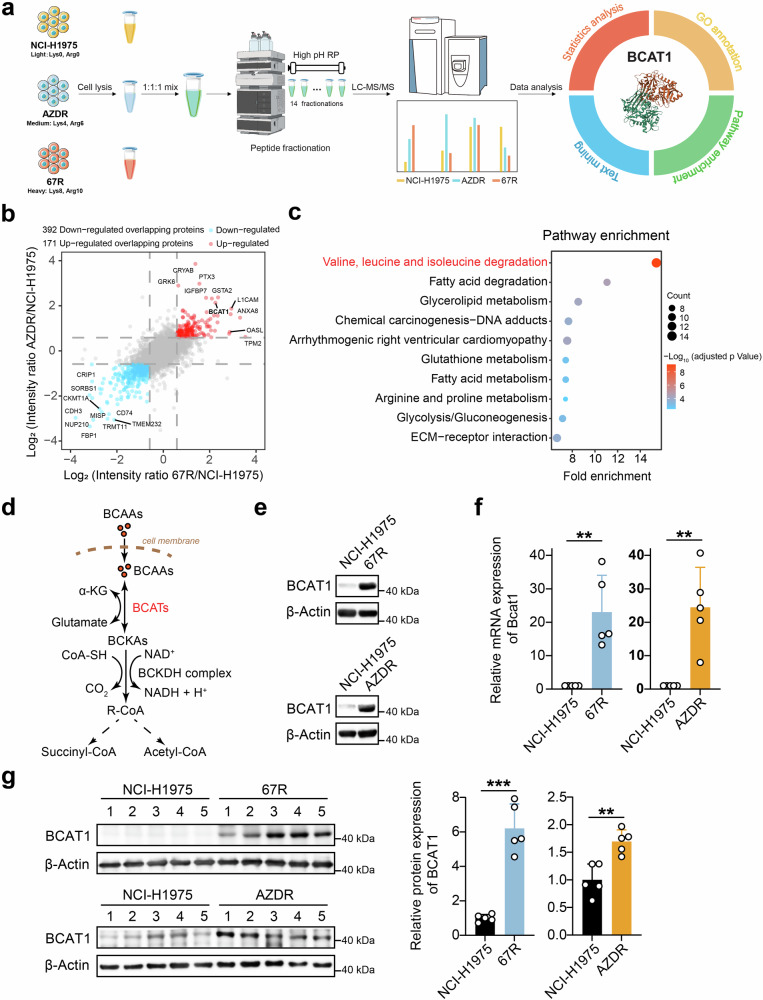
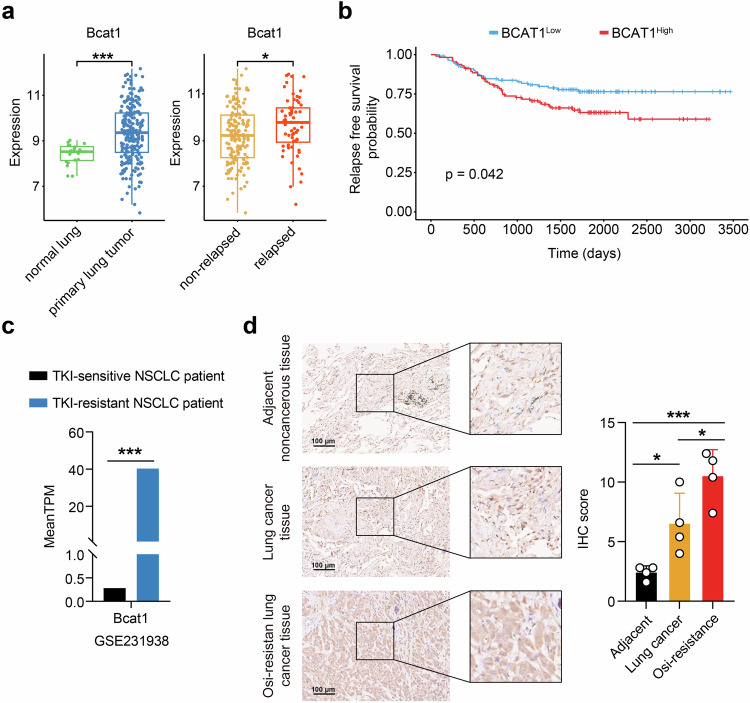
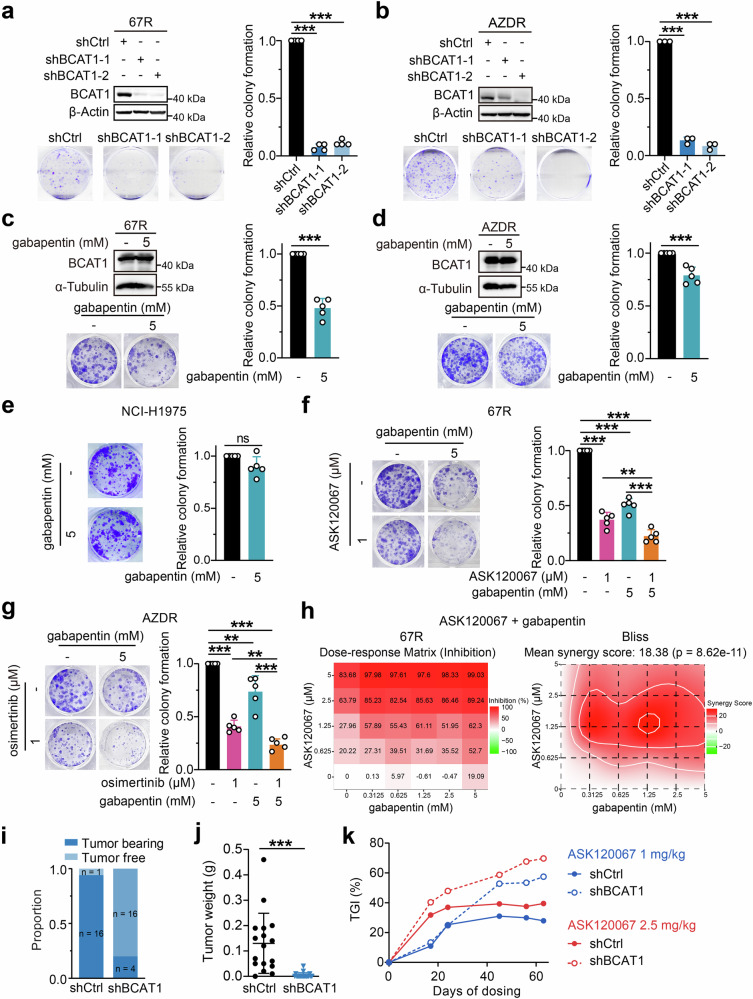
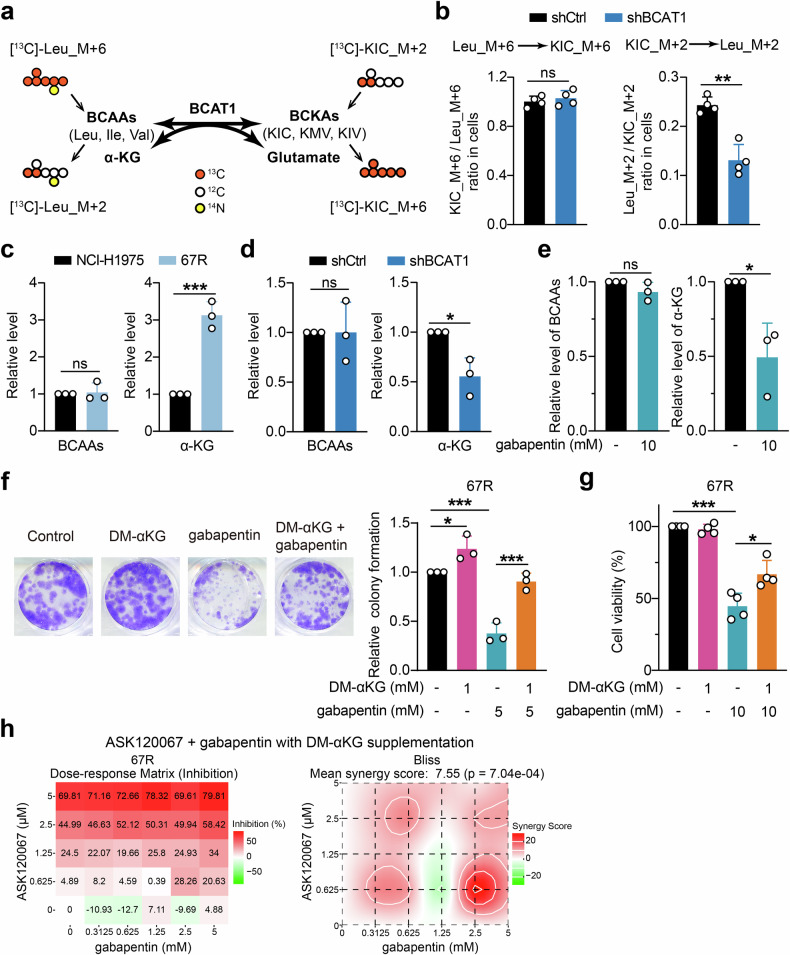
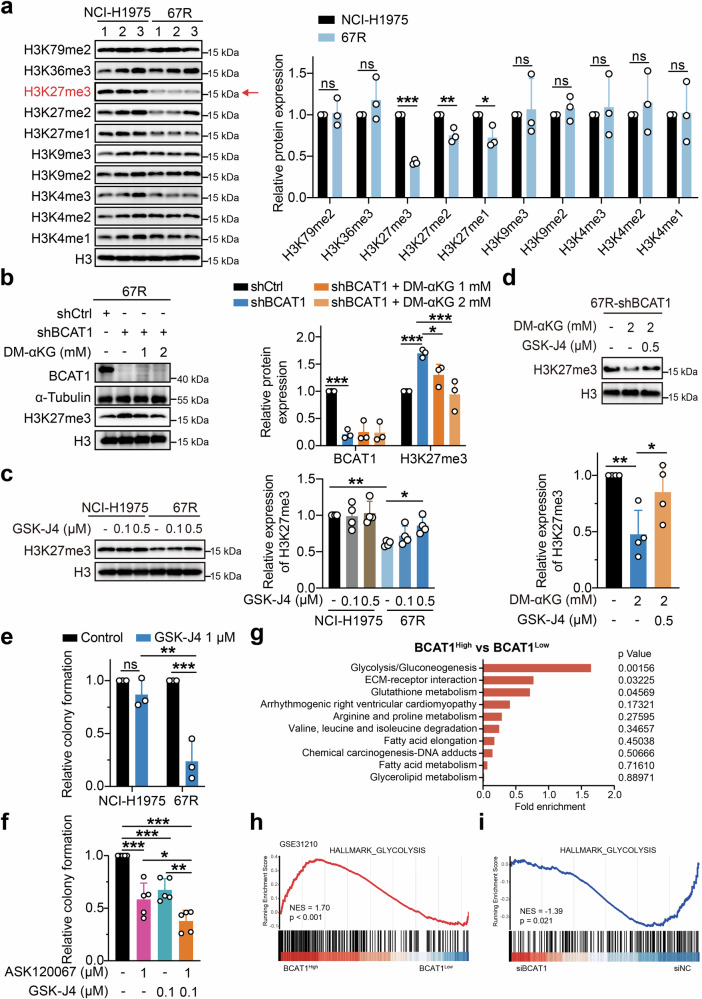
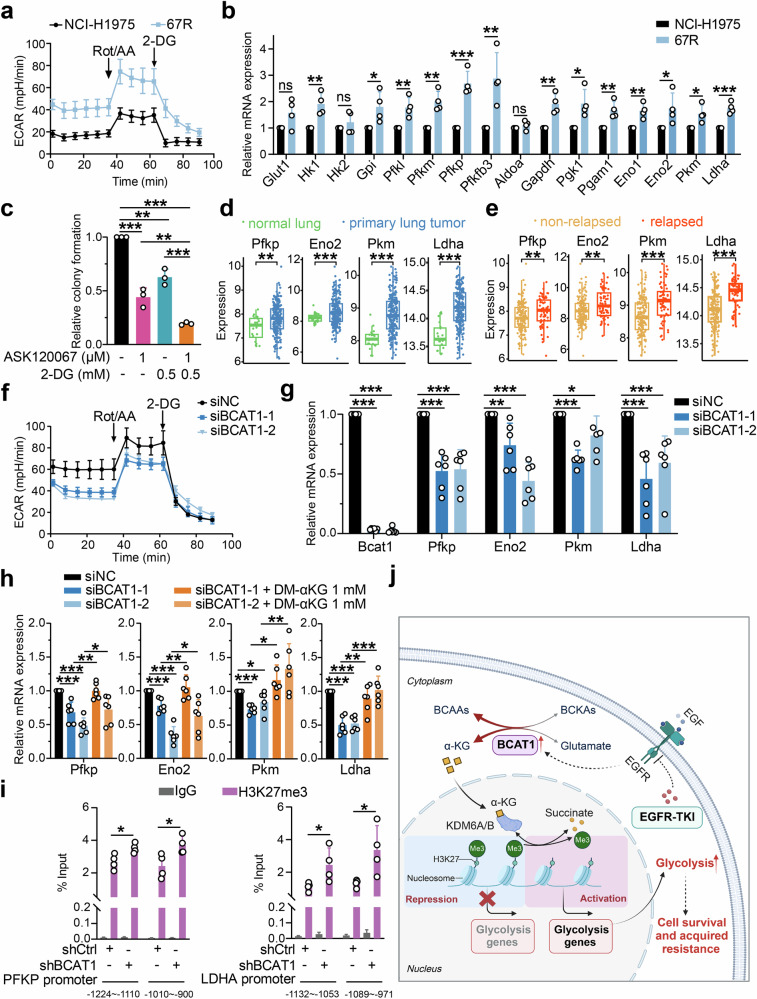
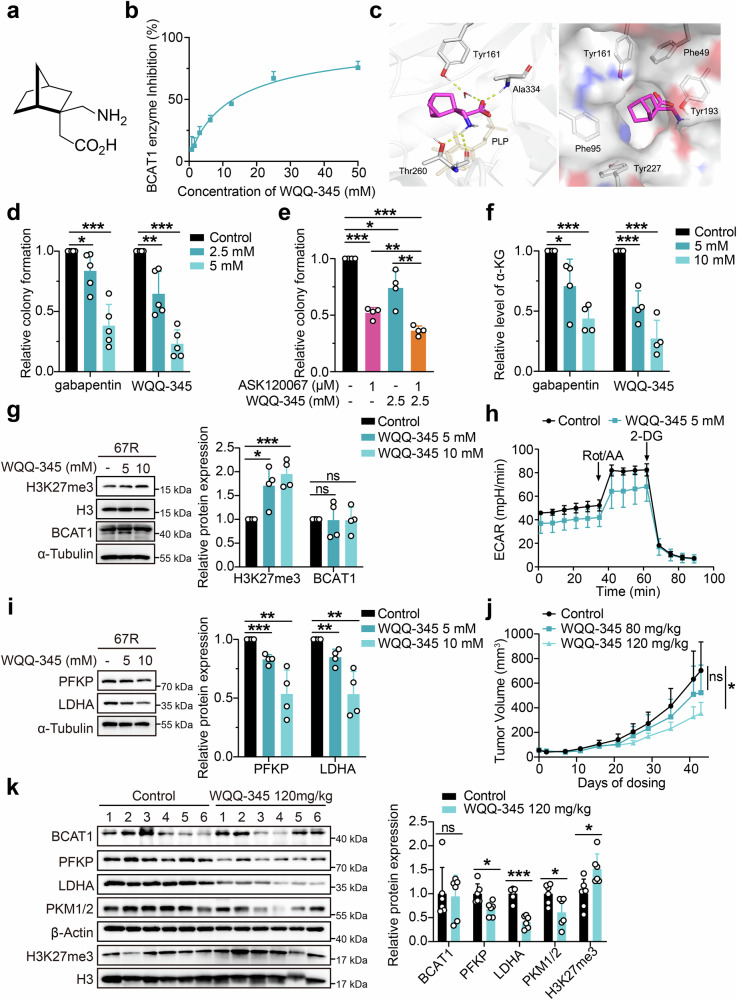
Third-generation EGFR tyrosine kinase inhibitors (TKIs), exemplified by osimertinib, have demonstrated promising clinical efficacy in the treatment of non-small cell lung cancer (NSCLC). Our previous work has identified ASK120067 as a novel third-generation EGFR TKI with remarkable antitumor effects that has undergone New Drug Application (NDA) submission in China. Despite substantial progress, acquired resistance to EGFR-TKIs remains a significant challenge, impeding the long-term effectiveness of therapeutic approaches. In this study, we conducted a comprehensive investigation utilizing high-throughput proteomics analysis on established TKI-resistant tumor models, and found a notable upregulation of branched-chain amino acid transaminase 1 (BCAT1) expression in both osimertinib- and ASK120067-resistant tumors compared with the parental TKI-sensitive NSCLC tumors. Genetic depletion or pharmacological inhibition of BCAT1 impaired the growth of resistant cells and partially re-sensitized tumor cells to EGFR TKIs. Mechanistically, upregulated BCAT1 in resistant cells reprogrammed branched-chain amino acid (BCAA) metabolism and promoted alpha ketoglutarate (α-KG)-dependent demethylation of lysine 27 on histone H3 (H3K27) and subsequent transcriptional derepression of glycolysis-related genes, thereby enhancing glycolysis and promoting tumor progression. Moreover, we identified WQQ-345 as a novel BCAT1 inhibitor exhibiting antitumor activity both in vitro and in vivo against TKI-resistant lung cancer with high BCAT1 expression. In summary, our study highlighted the crucial role of BCAT1 in mediating resistance to third-generation EGFR-TKIs through epigenetic activation of glycolysis in NSCLC, thereby supporting BCAT1 as a promising therapeutic target for the treatment of TKI-resistant NSCLC.
第三代 EGFR 酪氨酸激酶抑制剂(TKI),以奥希替尼为代表,在治疗非小细胞肺癌(NSCLC)方面显示出了有前景的临床疗效。我们之前的工作已经鉴定出 ASK120067 是一种新型的第三代 EGFR TKI,具有显著的抗肿瘤作用,并在中国提交了新药申请(NDA)。尽管取得了重大进展,但 EGFR-TKI 的获得性耐药仍然是一个重大挑战,阻碍了治疗方法的长期有效性。在这项研究中,我们利用高通量蛋白质组学分析对已建立的 TKI 耐药肿瘤模型进行了全面研究,发现与亲本 TKI 敏感 NSCLC 肿瘤相比,奥希替尼和 ASK120067 耐药肿瘤中支链氨基酸转氨酶 1(BCAT1)的表达显著上调。BCAT1 的遗传缺失或药理学抑制会损害耐药细胞的生长,并部分重新使肿瘤细胞对 EGFR TKI 敏感。在机制上,耐药细胞中上调的 BCAT1 重新编程支链氨基酸(BCAA)代谢,并促进组蛋白 H3(H3K27)上依赖α-酮戊二酸(α-KG)的赖氨酸 27 去甲基化以及随后的糖酵解相关基因转录去抑制,从而增强糖酵解并促进肿瘤进展。此外,我们鉴定出 WQQ-345 是一种新型的 BCAT1 抑制剂,在体外和体内对高 BCAT1 表达的 TKI 耐药肺癌均具有抗肿瘤活性。总之,我们的研究强调了 BCAT1 通过 NSCLC 中糖酵解的表观遗传激活在介导第三代 EGFR-TKI 耐药中的关键作用,从而支持 BCAT1 作为治疗 TKI 耐药 NSCLC 的有前途的治疗靶点。