Garg Ankur, On Kin Fan, Xiao Yang, Elkayam Elad, Cifani Paolo, David Yael, Joshua-Tor Leemor
W. M. Keck Structural Biology Laboratory, Cold Spring Harbor, New York, 11724 USA.
Cold Spring Harbor Laboratory, One Bungtown Road, Cold Spring Harbor, New York, 11724 USA.
bioRxiv. 2024 Aug 5:2024.08.05.606604. doi: 10.1101/2024.08.05.606604.
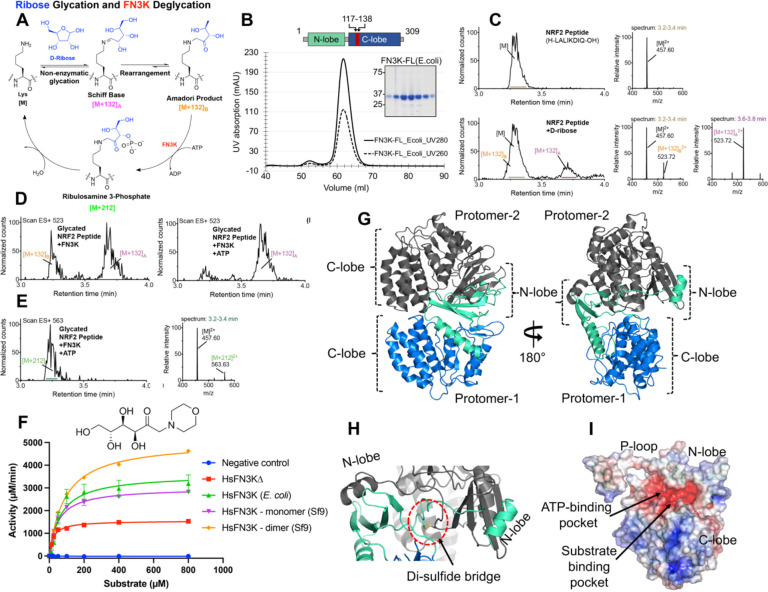
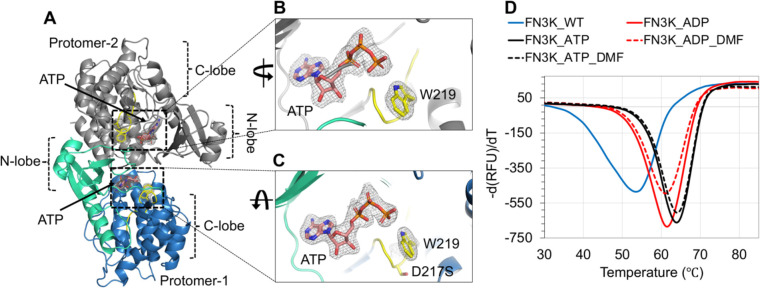
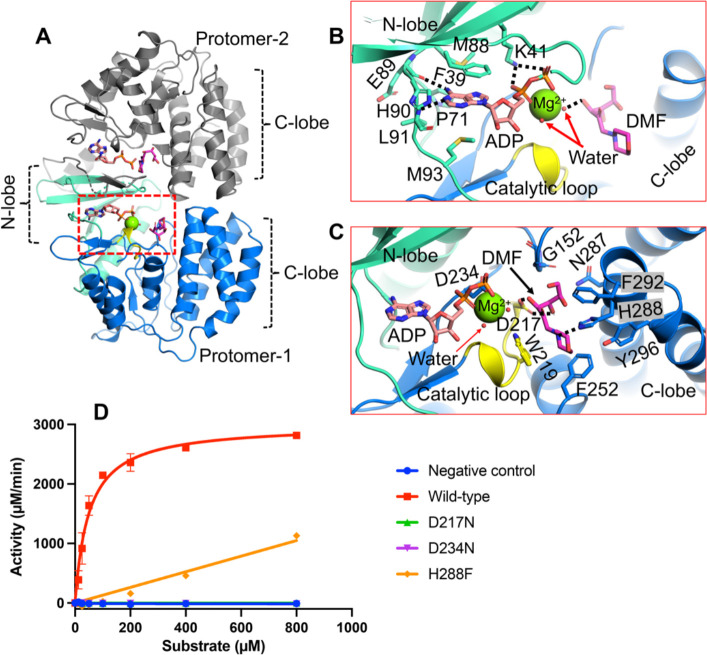
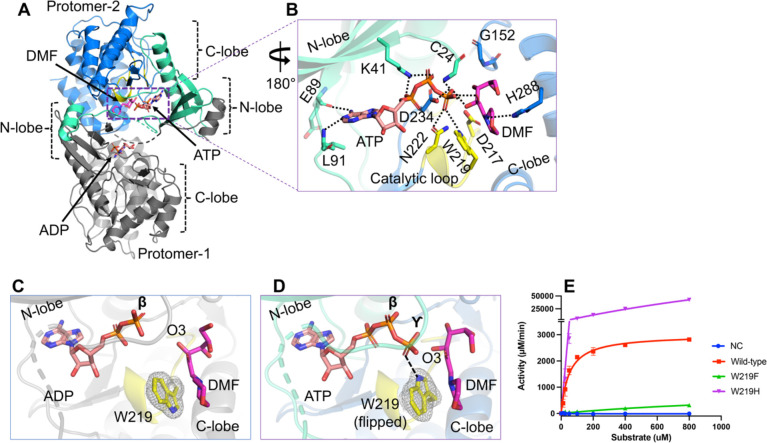
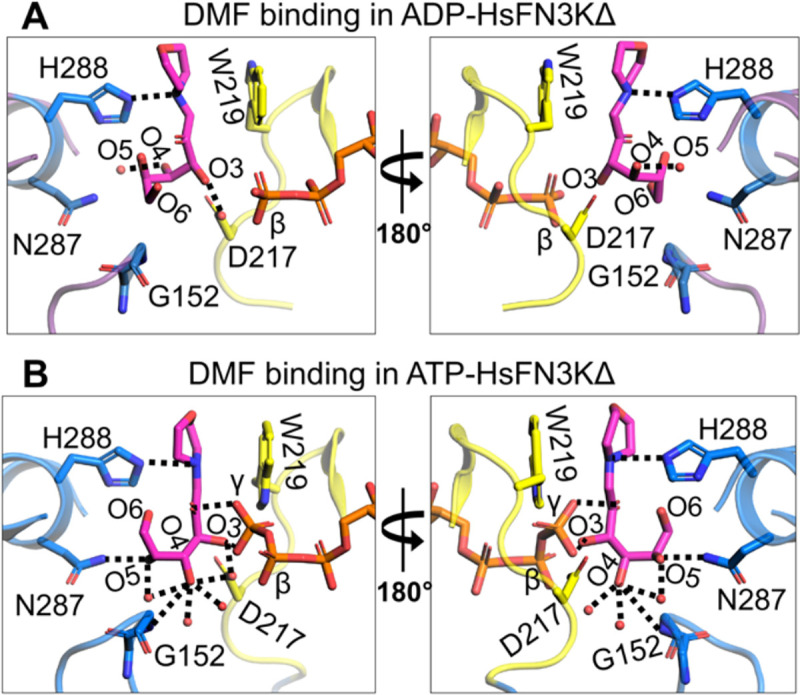
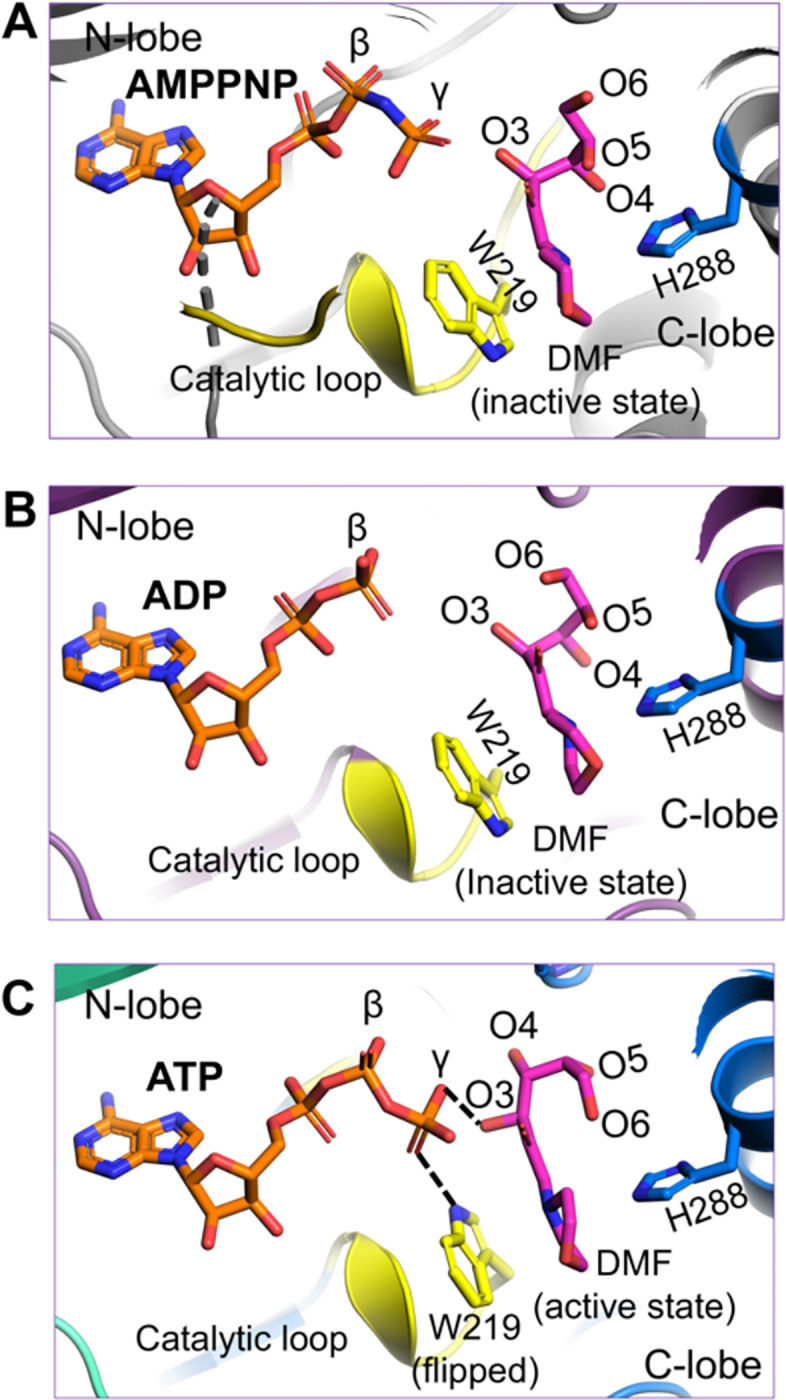
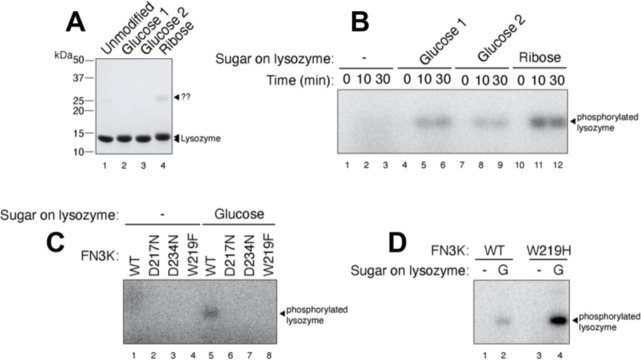
Glycation, a non-enzymatic post-translational modification occurring on proteins, can be actively reversed via site-specific phosphorylation of the fructose-lysine moiety by FN3K kinase, to impact the cellular function of target protein. A regulatory axis between FN3K and glycated protein targets has been associated with conditions like diabetes and cancer. However the molecular basis of this relationship has not been explored so far. Here, we determined a series of crystal structures of HsFN3K in apo-state, and in complex with different nucleotide analogs together with a sugar substrate mimic to reveal the features important for its kinase activity and substrate recognition. Additionally, the dynamics in sugar substrate binding during the kinase catalytic cycle provide important mechanistic insights into HsFN3K function. Our structural work provides the molecular basis for rationale small molecule design targeting FN3K.
糖基化是一种发生在蛋白质上的非酶促翻译后修饰,可通过FN3K激酶对果糖-赖氨酸部分进行位点特异性磷酸化而被有效逆转,从而影响靶蛋白的细胞功能。FN3K与糖化蛋白靶点之间的调控轴与糖尿病和癌症等疾病有关。然而,这种关系的分子基础迄今尚未得到探索。在这里,我们确定了人源FN3K(HsFN3K)的一系列无配体状态以及与不同核苷酸类似物和糖底物模拟物形成复合物的晶体结构,以揭示对其激酶活性和底物识别重要的特征。此外,激酶催化循环中糖底物结合的动力学为HsFN3K的功能提供了重要的机制见解。我们的结构研究为针对FN3K的合理小分子设计提供了分子基础。