Clément Gilles, Macaulay Timothy R, Bollinger Austin, Weiss Hannah, Wood Scott J
KBR, 2400 E NASA Parkway, Houston, TX, 77058, USA.
Neuroscience Laboratory, NASA Johnson Space Center, 2200 E NASA Parkway, Houston, TX, 77058, USA.
NPJ Microgravity. 2024 Aug 17;10(1):86. doi: 10.1038/s41526-024-00422-3.
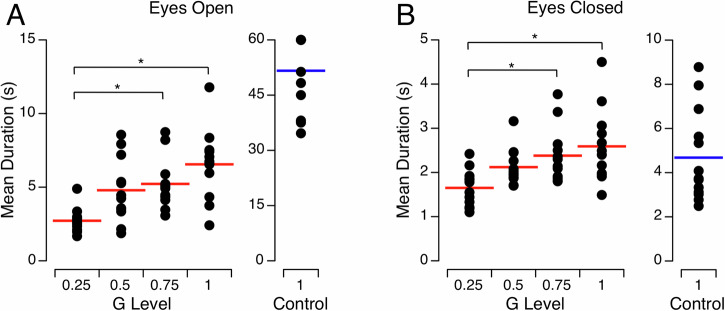
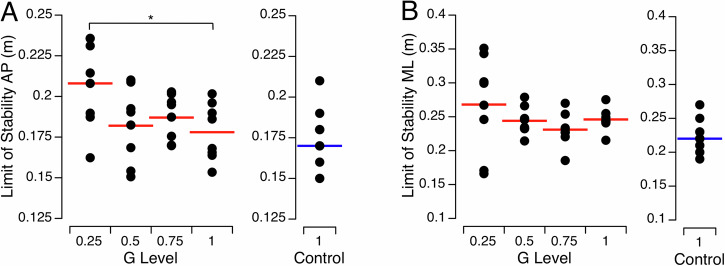
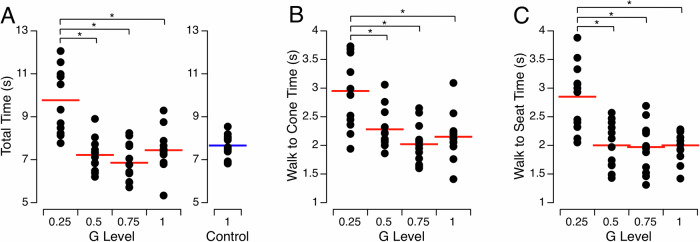
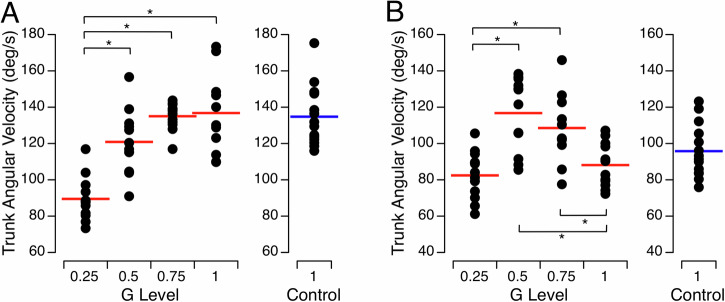
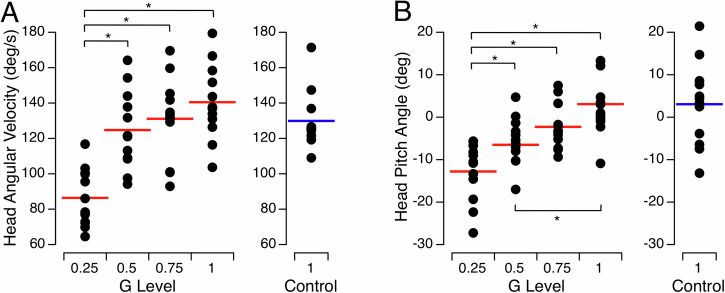
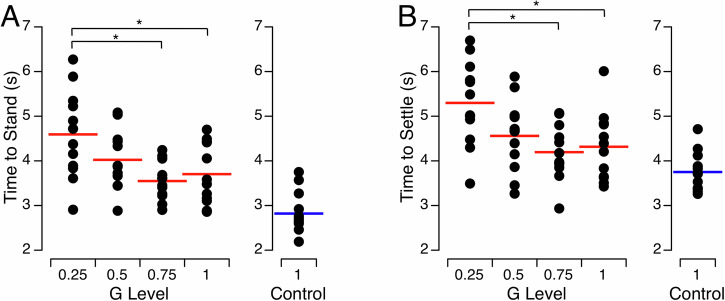
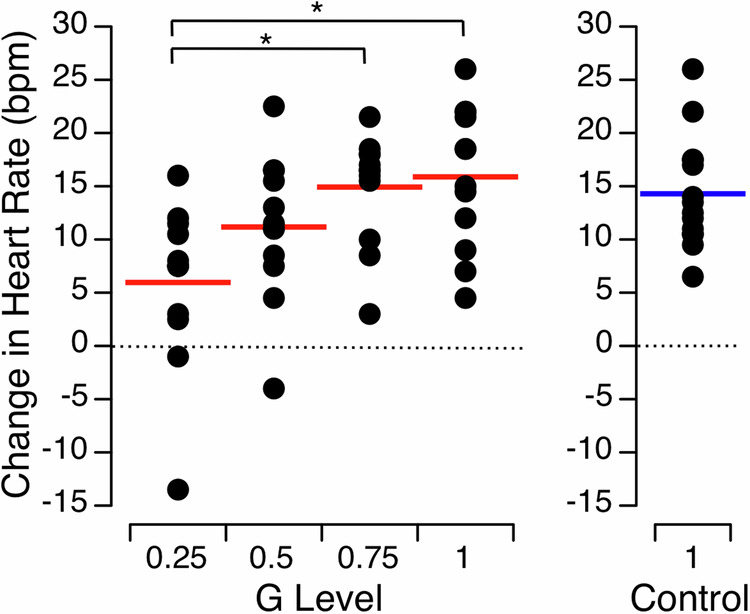
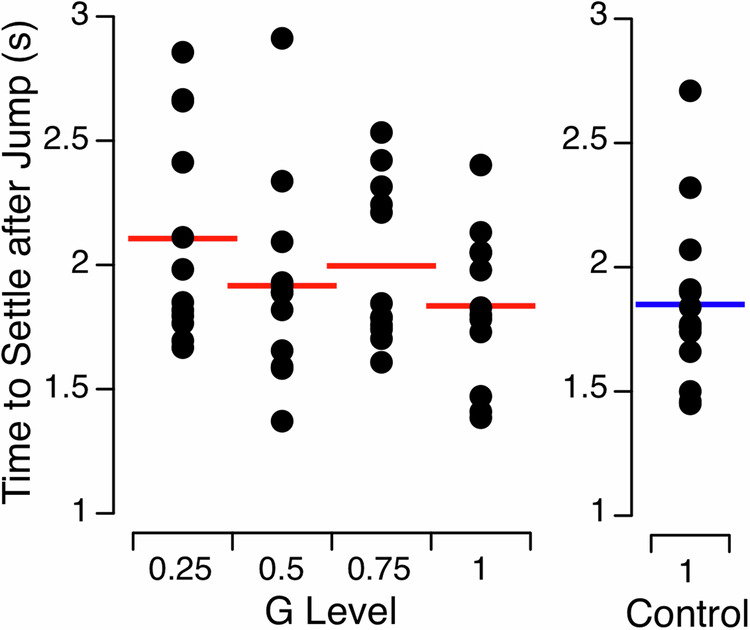
Test subjects were assessed in a partial gravity environment during parabolic flight while they performed mission-critical activities that challenged their balance and locomotion. These functional activities included rising from a seated position and walking, jumping down, recovering from falls, and maintaining an upright stance. Twelve volunteers were tested during 10 parabolas that produced 0.25×g, 0.5×g, or 0.75×g, and at 1×g during level flight intervals between parabolas. Additionally, 14 other subjects were tested using identical procedures in a 1×g laboratory setting. Partial gravity altered the performance of settling after standing and navigating around obstacles. As gravity levels decreased, the time required to stand up, settle, walk, and negotiate obstacles, and the number of falls increased. Information obtained from these tests will allow space agencies to assess the vestibular, sensorimotor, and cardiovascular risks associated with different levels of partial gravity.
在抛物线飞行过程中的部分重力环境下,对测试对象进行了评估,当时他们正在进行对其平衡和移动能力构成挑战的关键任务活动。这些功能活动包括从坐姿起身、行走、跳下、从跌倒中恢复以及保持直立姿势。在10次产生0.25×g、0.5×g或0.75×g的抛物线飞行过程中,对12名志愿者进行了测试,并在抛物线之间的水平飞行间隔期间在1×g条件下进行了测试。此外,在1×g的实验室环境中,使用相同程序对另外14名受试者进行了测试。部分重力改变了站立后稳定以及绕过障碍物移动的表现。随着重力水平降低,起身、稳定、行走和绕过障碍物所需的时间以及跌倒次数增加。从这些测试中获得的信息将使太空机构能够评估与不同水平的部分重力相关的前庭、感觉运动和心血管风险。