Oral and maxillofacial Surgery All India Institute of Medical Sciences Vijaypur, Jammu, India
Med Oral Patol Oral Cir Bucal. 2024 Sep 1;29(5):e690-e697. doi: 10.4317/medoral.26676.
The purpose of the study was to compare the efficacy of the use of 0.2% chlorhexidine irrigation and the oral antibiotics for the prevention of postoperative complication like pain, trismus, swelling and infection after the surgical extraction of IMTM.
A randomised, double blinded clinical trial was planned with two equal groups. Patients were randomly divided into two groups using computer-generated codes with an allocation ratio of 1:1. Group I (Control): Standard preoperative and postoperative systemic oral antibiotics and Group II (Study): No systemic antibiotics and Chlorhexidine irrigation local delivery. The primary outcomes evaluated were postoperative pain, mouth opening, swelling and infection. The secondary outcome variables were the number of analgesics and antibiotics taken by the patient in the postoperative period, the satisfaction of the patient and adverse events, were followed up regulary for 7 days postoperatively.
A total of 84 patients, divided into two equal groups participated in the study. In intergroup comparison of swelling, the difference was non-significant on postoperative day (POD) 1 and 7, except for POD 3, where it showed significantly lower results in the antibiotic group (p = 0.012). However, there was no significant difference in pain found between both groups at any of the postoperative time points, and the study group had a lesser need for rescue analgesics than the control group. A statistically significant difference in incidence of dry socket was observed (p = 0.03) and gastrointestinal adverse symptoms, but it showed insignificant results for wound dehiscence and pus discharge. Also, patient satisfaction was higher in the study group.
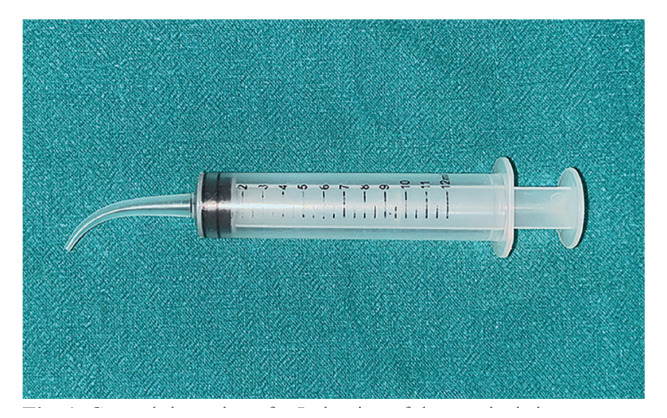
both antibiotics and localised delivery demonstrated comparable results in terms of swelling, pain and trismus. However, with lesser adverse events, the localised chlorhexidine delivery with curved tips outperformed the antibiotic group.
本研究旨在比较使用 0.2%洗必泰冲洗与口服抗生素预防 IMTM 手术后疼痛、牙关紧闭、肿胀和感染等并发症的效果。
计划进行一项随机、双盲临床试验,分为两组。患者使用计算机生成的代码随机分为两组,分配比例为 1:1。组 I(对照组):标准术前和术后全身口服抗生素;组 II(研究组):不使用全身抗生素和洗必泰局部冲洗。主要结局指标为术后疼痛、张口度、肿胀和感染。次要结局变量为患者术后服用的镇痛药和抗生素数量、患者满意度和不良事件,术后 7 天定期随访。
共有 84 名患者分为两组参与研究。在肿胀的组间比较中,除第 3 天(p = 0.012)外,第 1 天和第 7 天差异无统计学意义。然而,在任何术后时间点,两组之间的疼痛均无显著差异,研究组需要的解救镇痛药少于对照组。干槽症的发生率有统计学显著差异(p = 0.03)和胃肠道不良症状,但在创口裂开和脓液排出方面则无显著差异。此外,研究组患者满意度更高。
抗生素和局部冲洗在肿胀、疼痛和牙关紧闭方面的效果相当。然而,局部使用洗必泰冲洗具有更小的不良反应,优于抗生素组。