Department of Orthopedics and Traumatology, Istanbul University Faculty of Medicine, İstanbul, Türkiye.
Weill Cornell Medicine, Cornell University Ofce, New York, USA.
Acta Orthop Traumatol Turc. 2024 Jul 23;58(3):142-148. doi: 10.5152/j.aott.2024.24080.
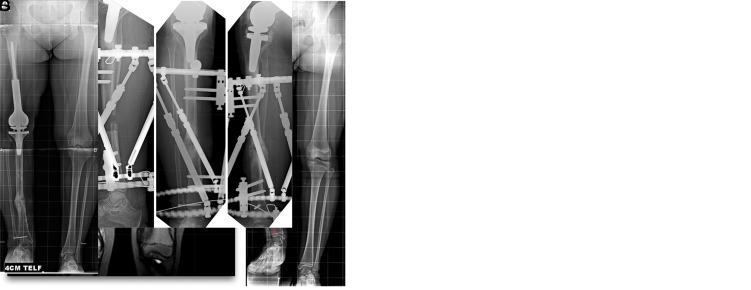
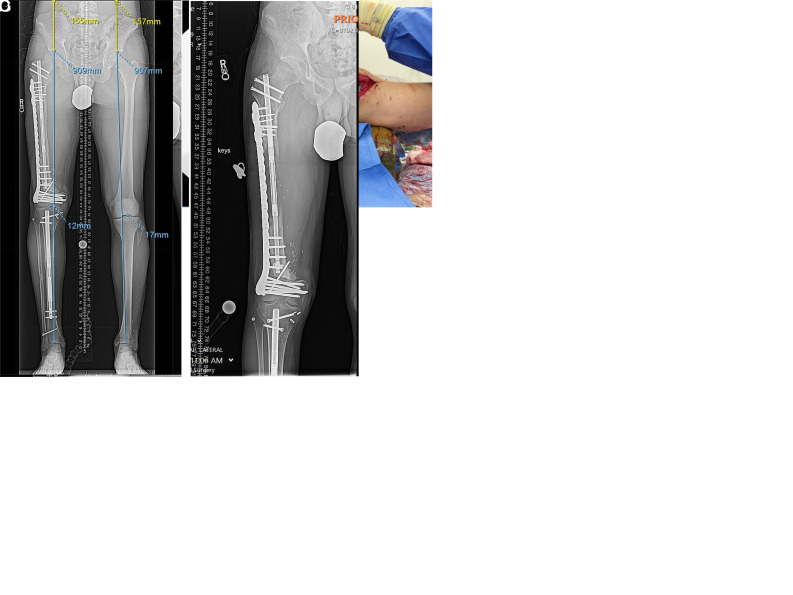
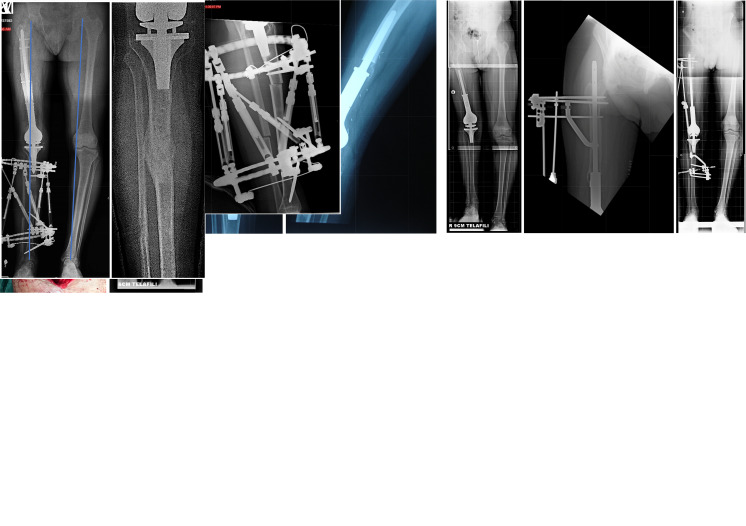
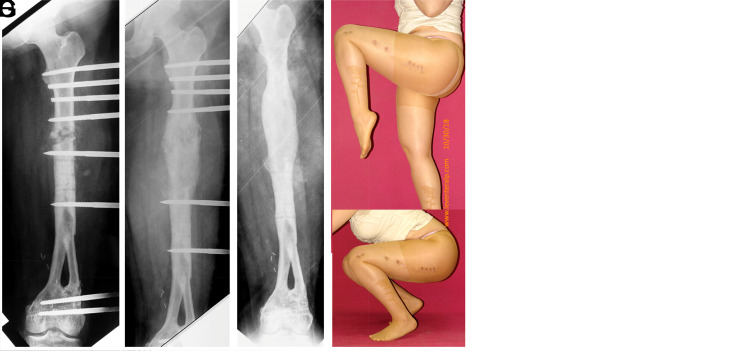
Pediatric bone sarcomas, particularly osteosarcomas, present unique challenges in the realm of orthopedic oncology, given their predilection for the metaphyseal regions of long bones and the intricate balance required between achieving oncologic control and preserving limb function. This abstract encapsulates findings from a comprehensive review aimed at advancing pediatric bone sarcoma care, focusing on navigating the complications and innovating solutions for complications of limb salvage and reconstruction focusing on limb length inequalities and accompanying bone defects. Advancements in imaging, surgical techniques, and adjuvant therapies have shifted the paradigm from amputation to limb-sparing surgeries, albeit with significant challenges, especially in young patients where growth potential complicates reconstructive outcomes. The series highlights the complexity of managing limb length discrepancies (LLD), the cornerstone of limb salvage challenges, and the innovative approaches to address them, including modular endoprosthetic reconstruction with expandable prostheses, magnetic lengthening nails and biological reconstruction strategies like vascularized fibula grafts. This review underlines the importance of a multidisciplinary approach in managing pediatric bone sarcomas, where the aim extends beyond mere survival to ensuring quality of life through functional limb preservation. It highlights the need for ongoing innovation in surgical and reconstructive techniques tailored to the pediatric population's unique needs, emphasizing the potential of emerging technologies and methodologies to improve outcomes. Future research should aim to fill the existing knowledge gaps, particularly in comparing pediatric and adult surgical outcomes, to refine treatment protocols and improve patient care in this challenging domain.
儿科骨肉瘤,特别是成骨肉瘤,在骨科肿瘤学领域存在独特的挑战,因为它们偏爱长骨的干骺端区域,并且需要在实现肿瘤控制和保留肢体功能之间取得精细的平衡。本摘要总结了旨在推进儿科骨肉瘤护理的全面综述的研究结果,重点关注解决保肢和重建并发症的方法,特别是关注肢体长度不等和伴随的骨缺损问题。影像学、手术技术和辅助治疗的进步已经将治疗模式从截肢转变为保肢手术,尽管存在重大挑战,尤其是在生长潜能使重建结果复杂化的年轻患者中。该系列强调了管理肢体长度差异(LLD)的复杂性,这是保肢挑战的基石,以及解决这些问题的创新方法,包括可扩展假体的模块化内置假体重建、磁力延长钉和血管化腓骨移植等生物重建策略。这篇综述强调了在管理儿科骨肉瘤时采用多学科方法的重要性,其目标不仅是生存,还要通过保留肢体功能来确保生活质量。它强调了针对儿科人群独特需求定制手术和重建技术的持续创新的必要性,强调了新兴技术和方法在改善结果方面的潜力。未来的研究应该旨在填补现有知识空白,特别是在比较儿科和成人手术结果方面,以完善治疗方案并改善这一具有挑战性领域的患者护理。