Liu Sainan, Huang Jinquan, Luo Jiayan, Bian Qihao, Weng Yajun, Li Li, Chen Junying
Key Laboratory of Advanced Technology for Materials of Chinese Education Ministry, School of Materials Science and Engineering, Southwest Jiaotong University, Chengdu 610031, China.
Institute of Biomedical Engineering, College of Medicine, Southwest Jiaotong University, Chengdu 610031, China.
Regen Biomater. 2024 Aug 6;11:rbae089. doi: 10.1093/rb/rbae089. eCollection 2024.
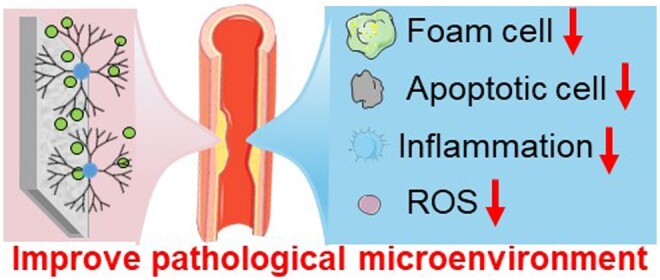
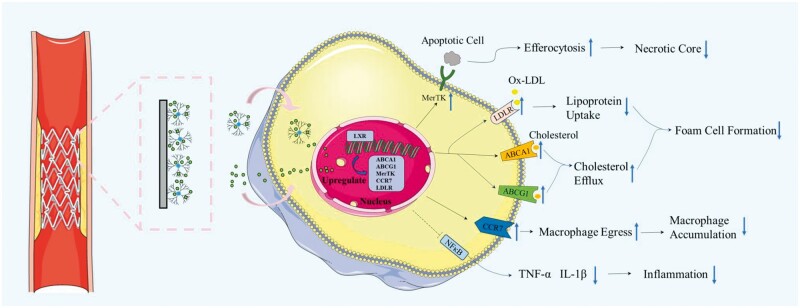
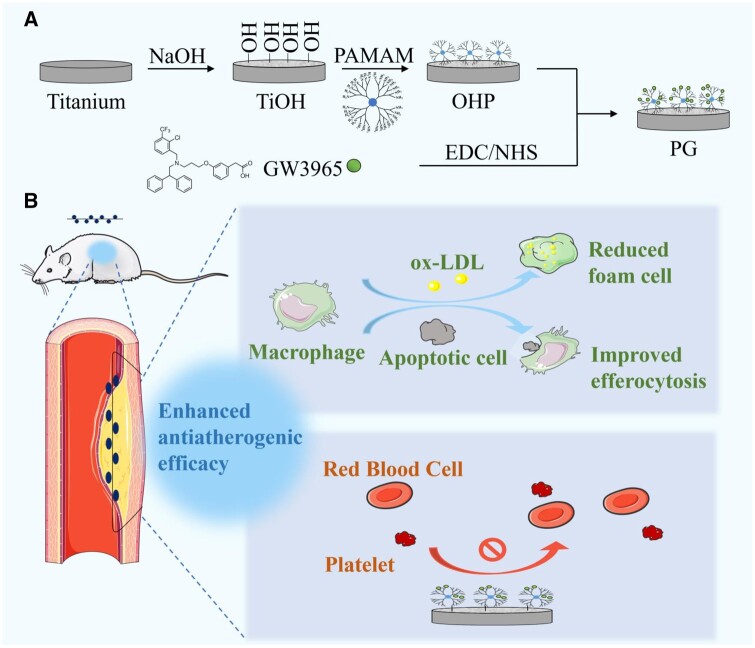
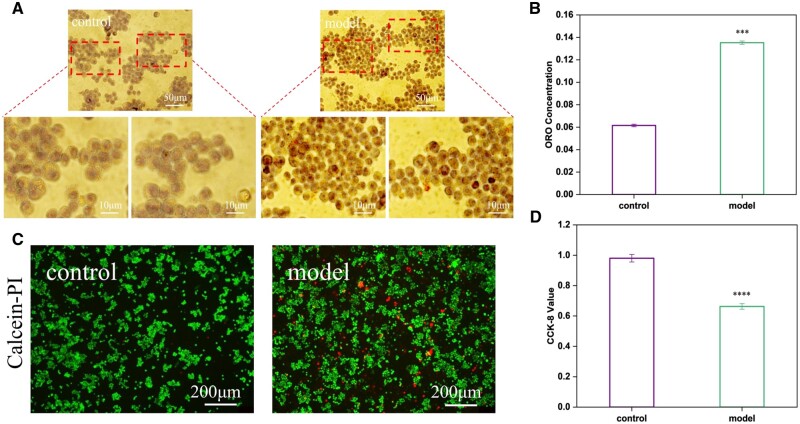
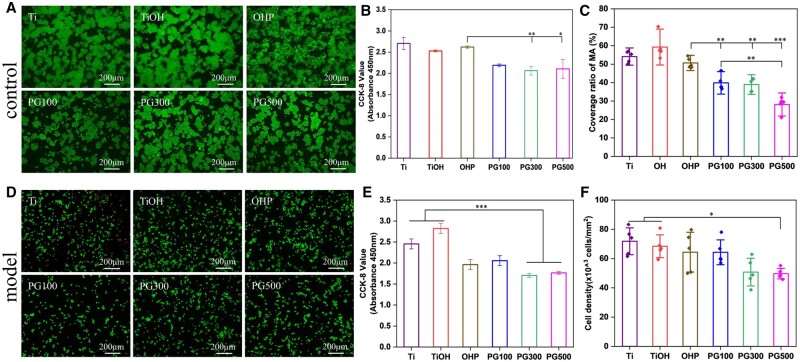
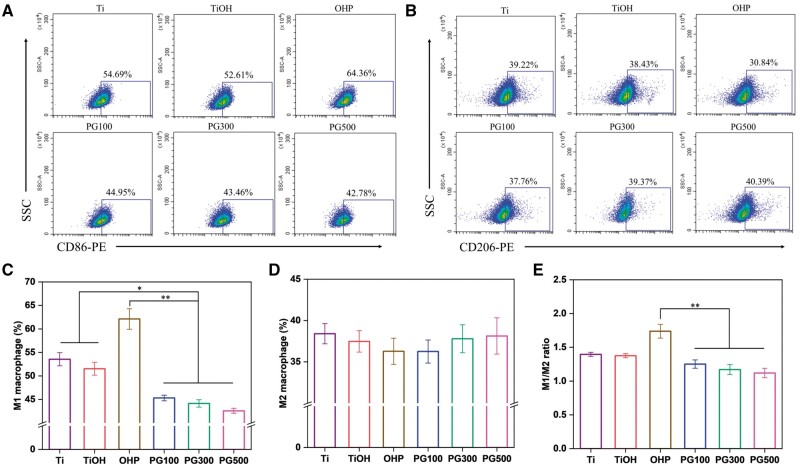
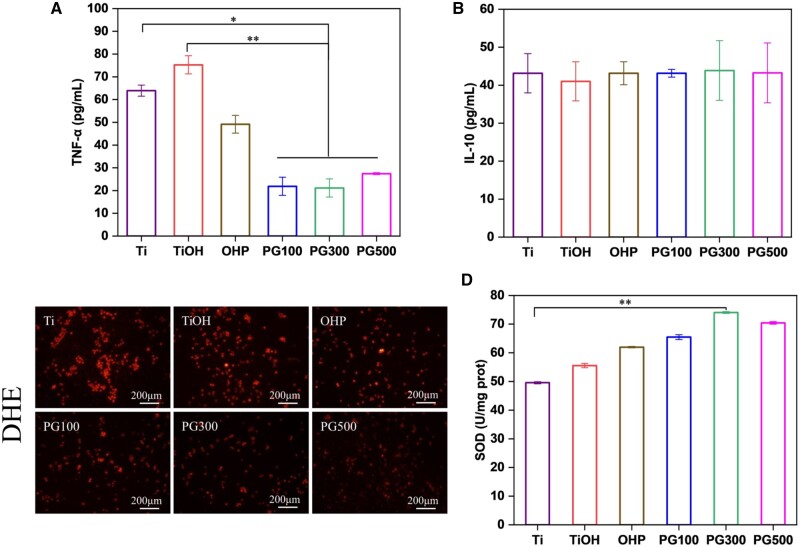
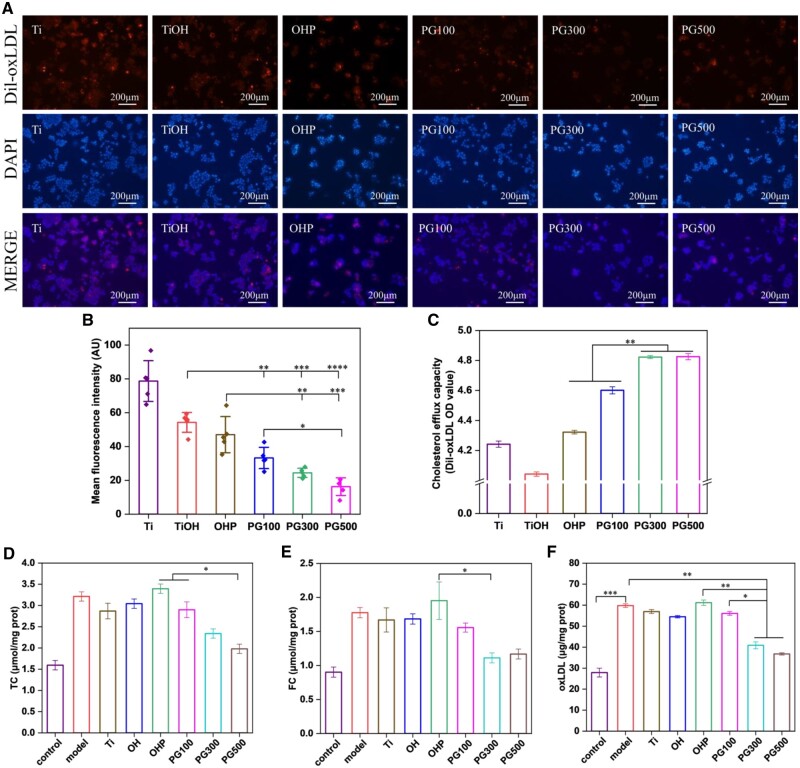
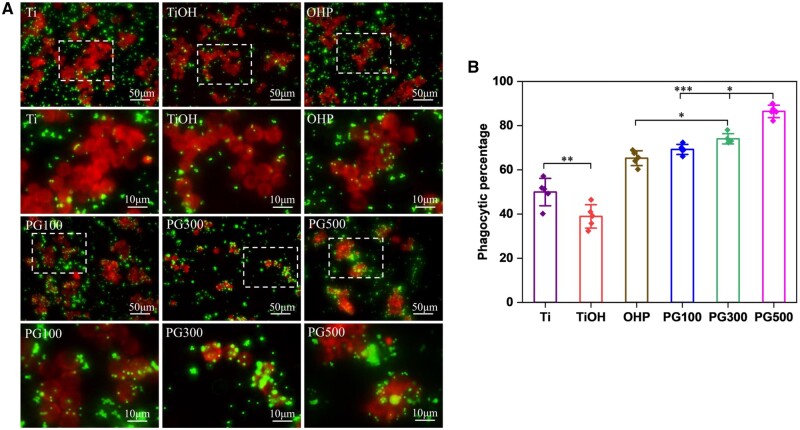
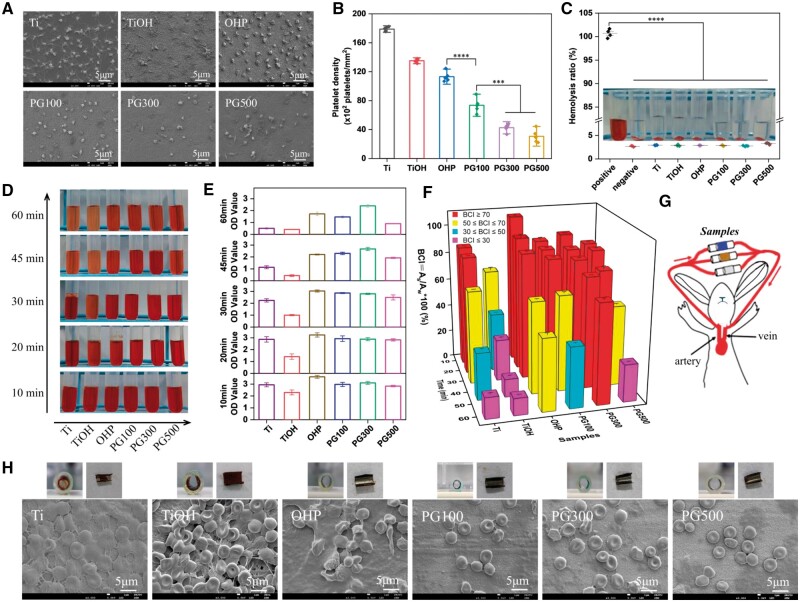
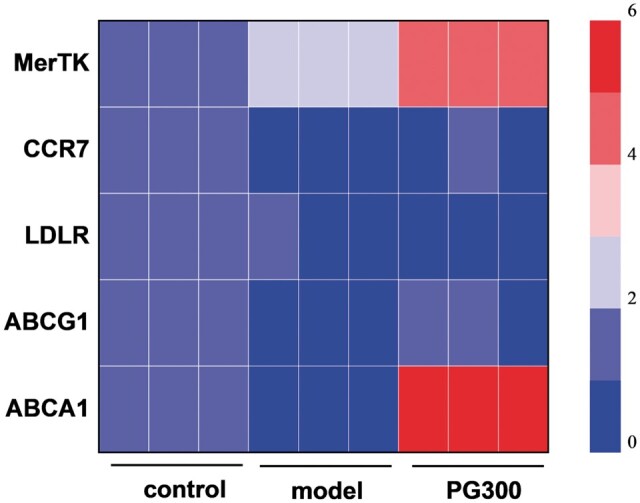
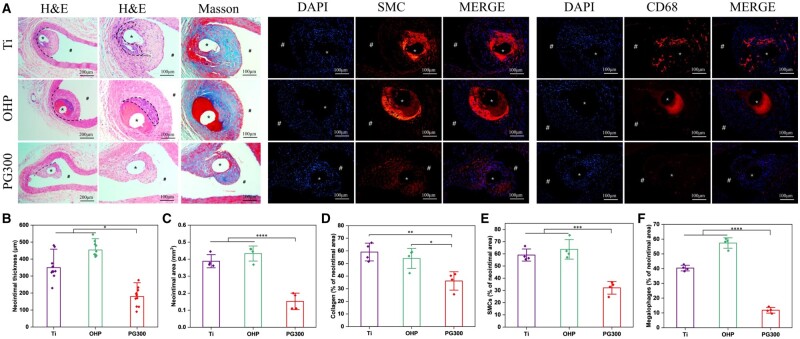
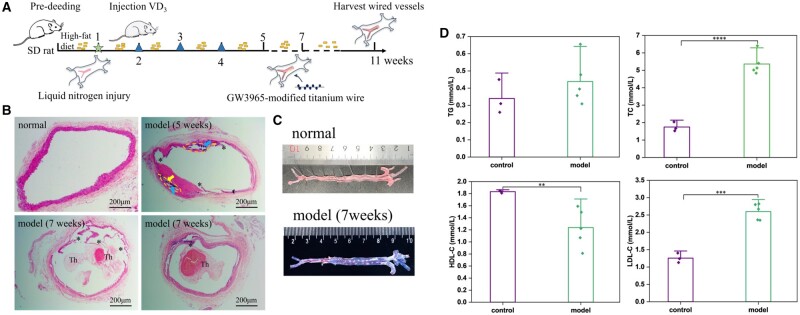
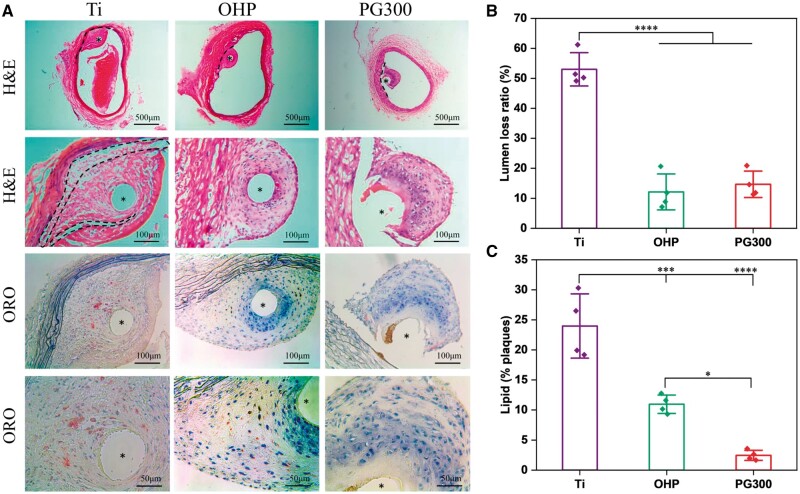
Percutaneous coronary interventional is the main treatment for coronary atherosclerosis. At present, most studies focus on blood components and smooth muscle cells to achieve anticoagulation or anti-proliferation effects, while the mediated effects of materials on macrophages are also the focus of attention. Macrophage foam cells loaded with elevated cholesterol is a prominent feature of atherosclerotic plaque. Activation of liver X receptor (LXR) to regulate cholesterol efflux and efferocytosis and reduce the number of macrophage foam cells in plaque is feasible for the regression of atherosclerosis. However, cholesterol efflux promotion remains confined to targeted therapies. Herein, LXR agonists (GW3965) were introduced on the surface of the material and delivered to atherogenic macrophages to improve drug utilization for anti-atherogenic therapy and plaque regression. LXR agonists act as plaque inhibition mediated by multichannel regulation macrophages, including lipid metabolism (ABCA1, ABCG1 and low-density lipoprotein receptor), macrophage migration (CCR7) and efferocytosis (MerTK). Material loaded with LXR agonists significantly reduced plaque burden in atherosclerotic model rats, most importantly, it did not cause hepatotoxicity and adverse reactions such as restenosis and thrombosis after material implantation. Both and evaluations confirmed its anti-atherosclerotic capability and safety. Overall, multi-functional LXR agonist-loaded materials with pathological microenvironment regulation effect are expected to be promising candidates for anti-atherosclerosis and have potential applications in cardiovascular devices surface engineering.
经皮冠状动脉介入治疗是冠状动脉粥样硬化的主要治疗方法。目前,大多数研究集中在血液成分和平滑肌细胞上以实现抗凝或抗增殖作用,而材料对巨噬细胞的介导作用也是关注的焦点。富含胆固醇的巨噬细胞泡沫细胞是动脉粥样硬化斑块的一个突出特征。激活肝脏X受体(LXR)以调节胆固醇外流和胞葬作用并减少斑块中巨噬细胞泡沫细胞的数量对于动脉粥样硬化的消退是可行的。然而,促进胆固醇外流仍局限于靶向治疗。在此,将LXR激动剂(GW3965)引入材料表面并递送至致动脉粥样硬化的巨噬细胞,以提高药物利用率用于抗动脉粥样硬化治疗和斑块消退。LXR激动剂通过多通道调节巨噬细胞介导斑块抑制,包括脂质代谢(ABCA1、ABCG1和低密度脂蛋白受体)、巨噬细胞迁移(CCR7)和胞葬作用(MerTK)。负载LXR激动剂的材料显著降低了动脉粥样硬化模型大鼠的斑块负担,最重要的是,它不会在材料植入后引起肝毒性以及再狭窄和血栓形成等不良反应。体内和体外评估均证实了其抗动脉粥样硬化能力和安全性。总体而言,具有病理微环境调节作用的多功能负载LXR激动剂的材料有望成为抗动脉粥样硬化的有前途的候选者,并在心血管装置表面工程中具有潜在应用。