Department of Hepatobiliary and Pancreatic Surgery, the First Affiliated Hospital of Zhengzhou University, Zhengzhou, China.
Institute of Hepatobiliary and Pancreatic Diseases, Zhengzhou University, Zhengzhou, China.
mSystems. 2024 Sep 17;9(9):e0079424. doi: 10.1128/msystems.00794-24. Epub 2024 Aug 21.
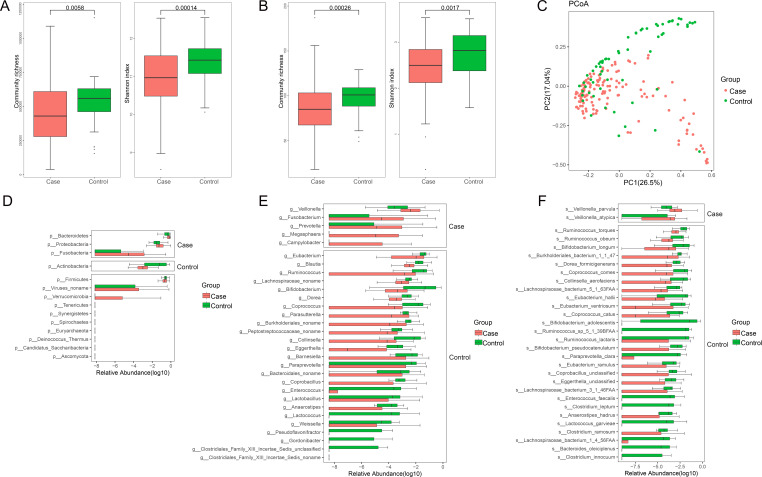
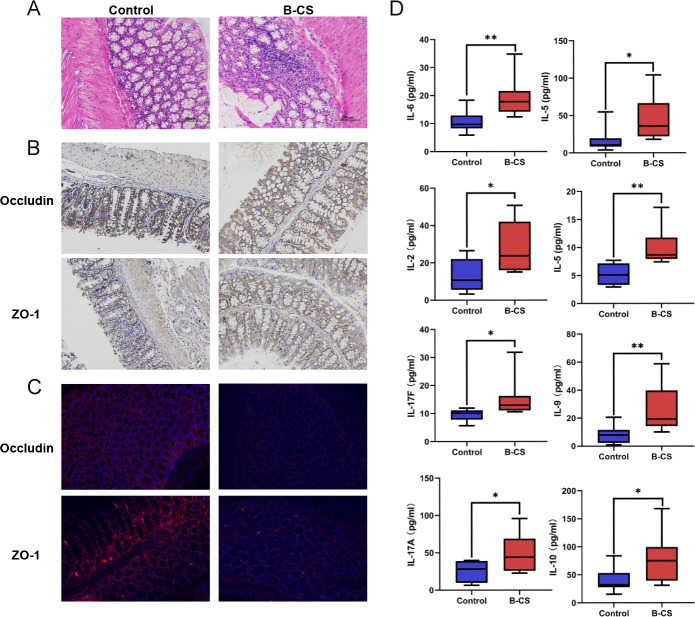
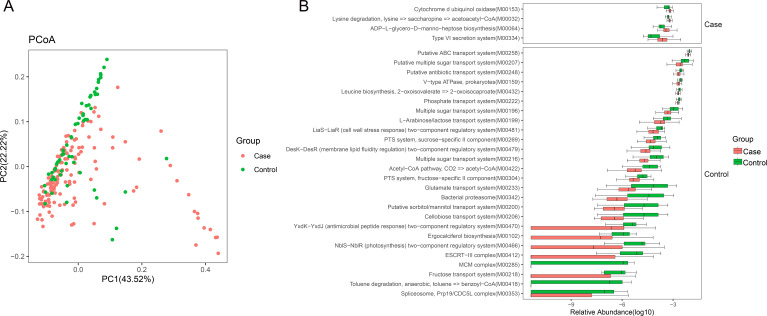
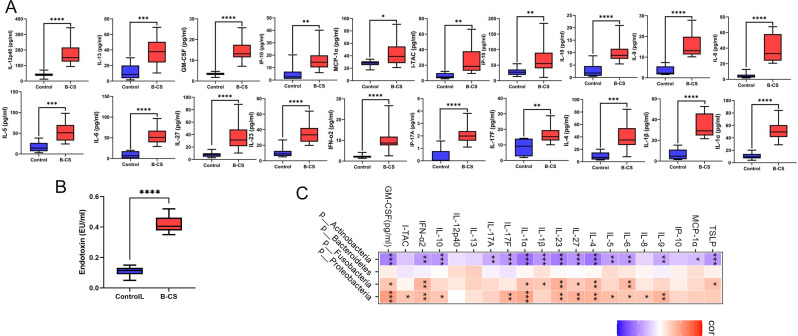
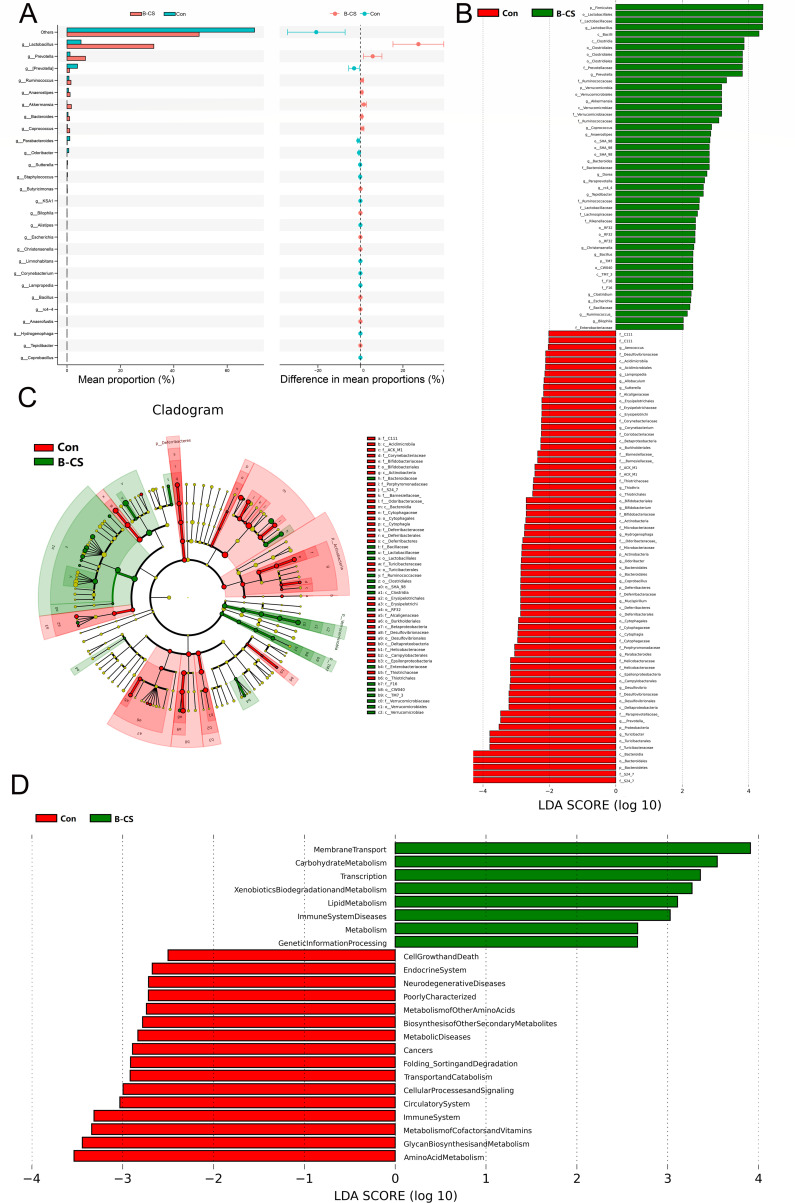
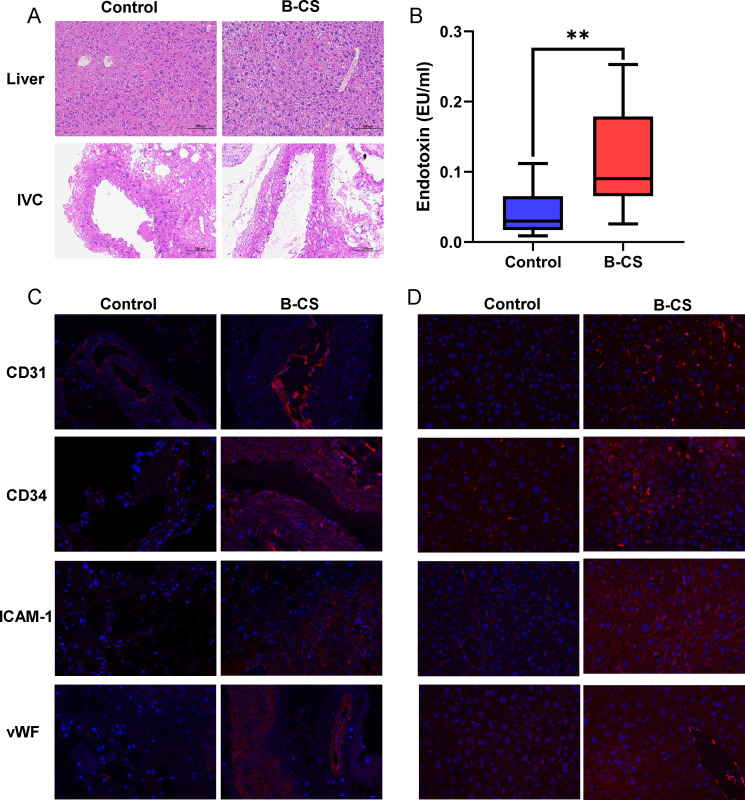
Budd-Chiari syndrome (B-CS) is a rare and lethal condition characterized by hepatic venous outflow tract blockage. Gut microbiota has been linked to numerous hepatic disorders, but its significance in B-CS pathogenesis is uncertain. First, we performed a case-control study ( = 140, = 63) to compare the fecal microbiota of B-CS and healthy individuals by metagenomics sequencing. B-CS patients' gut microbial composition and activity changed significantly, with a different metagenomic makeup, increased potentially pathogenic bacteria, including , and disease-linked microbial function. Imbalanced cytokines in patients were demonstrated to be associated with gut dysbiosis, which led us to suspect that B-CS is associated with gut microbiota and immune dysregulation. Next, 16S ribosomal DNA sequencing on fecal microbiota transplantation (FMT) mice models examined the link between gut dysbiosis and B-CS. FMT models showed damaged liver tissues, posterior inferior vena cava, and increased in the disturbed gut microbiota of FMT mice. Notably, B-CS-FMT impaired the morphological structure of colonic tissues and increased intestinal permeability. Furthermore, a significant increase of the same cytokines (IL-5, IL-6, IL-9, IL-10, IL-17A, IL-17F, and IL-13) and endotoxin levels in B-CS-FMT mice were observed. Our study suggested that gut microbial dysbiosis may cause B-CS through immunological dysregulation.
This study revealed that gut microbial dysbiosis may cause Budd-Chiari syndrome (B-CS). Gut dysbiosis enhanced intestinal permeability, and toxic metabolites and imbalanced cytokines activated the immune system. Consequently, the escalation of causative factors led to their concentration in the portal vein, thereby compromising both the liver parenchyma and outflow tract. Therefore, we proposed that gut microbial dysbiosis induced immune imbalance by chronic systemic inflammation, which contributed to the B-CS development. Furthermore, may mediate inflammation development and immune imbalance, showing potential in B-CS pathogenesis.
本研究旨在揭示肠道微生物失调是否可能导致布加综合征(BCS)。
我们进行了一项病例对照研究(n=140,对照组 n=63),通过宏基因组测序比较 BCS 患者和健康个体的粪便微生物组。我们还在粪便微生物移植(FMT)小鼠模型中进一步探讨了肠道微生物失调与 BCS 之间的关系。
BCS 患者的肠道微生物组成和活性发生了显著变化,具有不同的宏基因组组成,潜在的致病性细菌增加,包括 和与疾病相关的微生物功能。患者失衡的细胞因子与肠道菌群失调有关,这使我们怀疑 BCS 与肠道微生物群和免疫失调有关。
我们的研究表明,肠道微生物失调可能通过免疫失调引起 BCS。肠道菌群失调增强了肠道通透性,毒性代谢物和失衡的细胞因子激活了免疫系统。因此,致病因素的加剧导致它们在门静脉中积聚,从而损害肝脏实质和流出道。因此,我们提出肠道微生物失调通过慢性全身炎症引起免疫失衡,这可能导致 BCS 的发生。此外,可能介导炎症的发展和免疫失衡,在 BCS 的发病机制中具有潜在作用。