Department of Cardiology, Osaka Medical and Pharmaceutical University.
J Atheroscler Thromb. 2024 Nov 1;31(11):1496-1511. doi: 10.5551/jat.RV22025. Epub 2024 Aug 22.
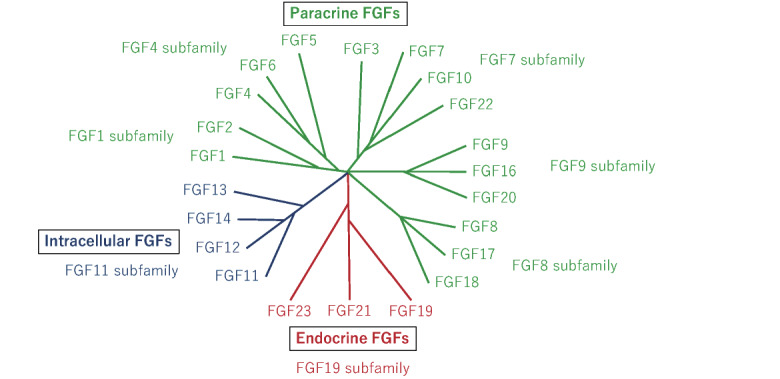
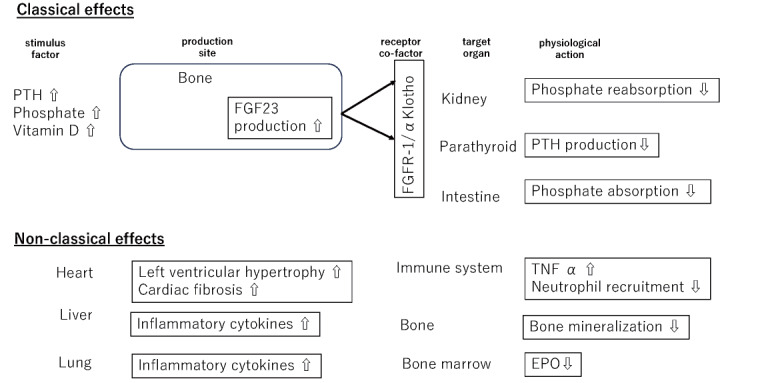
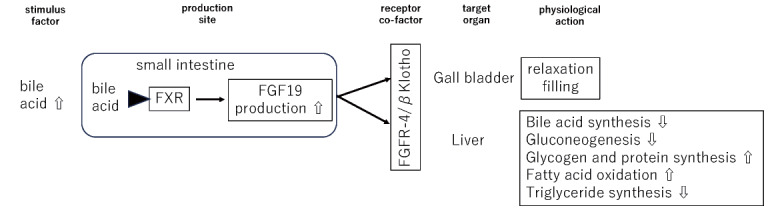
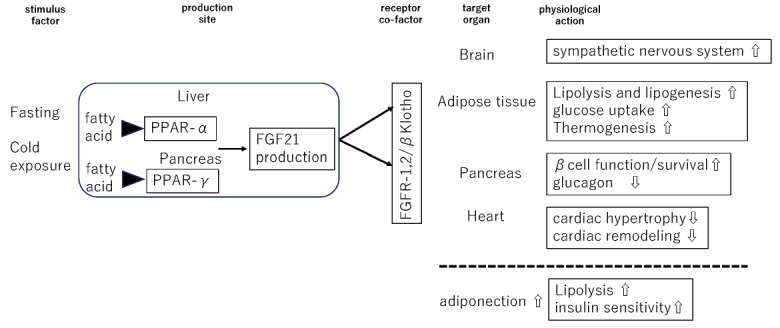
Despite advancements in managing traditional cardiovascular risk factors, many cardiovascular diseases (CVDs) persist. Fibroblast growth factors (FGFs) have emerged as potential diagnostic markers and therapeutic targets for CVDs. FGF1, FGF2, and FGF4 are primarily used for therapeutic angiogenesis. Clinical applications are being explored based on animal studies using approaches such as recombinant protein administration and adenovirus-mediated gene delivery, targeting patients with coronary artery disease and lower extremity arterial disease. Although promising results have been observed in animal models and early-stage clinical trials, further studies are required to assess their therapeutic potential. The FGF19 subfamily, consisting of FGF19, FGF21, and FGF23, act via endocrine signaling in various organs. FGF19, primarily expressed in the small intestine, plays important roles in glucose, lipid, and bile acid metabolism and has therapeutic potential for metabolic disorders. FGF21, found in various tissues, improves glucose metabolism and insulin sensitivity, suggesting potential for treating obesity and diabetes. FGF23, primarily secreted by osteocytes, regulates vitamin D and phosphate metabolism and serves as an important biomarker for chronic kidney disease and CVDs. Thus, FGFs holds promise for both therapeutic and diagnostic applications in metabolic and cardiovascular diseases. Understanding the mechanisms of FGF may pave the way for novel strategies to prevent and manage CVDs, potentially addressing the limitations of current treatments. This review explores the roles of FGF1, FGF2, FGF4, and the FGF19 subfamily in maintaining cardiovascular health. Further research and clinical trials are crucial to fully understand the therapeutic potential of FGFs in managing cardiovascular health.
尽管在管理传统心血管风险因素方面取得了进展,但许多心血管疾病(CVDs)仍然存在。成纤维细胞生长因子(FGFs)已成为 CVDs 的潜在诊断标志物和治疗靶点。FGF1、FGF2 和 FGF4 主要用于治疗性血管生成。正在根据动物研究探索临床应用,方法包括重组蛋白给药和腺病毒介导的基因传递,针对冠心病和下肢动脉疾病患者。尽管在动物模型和早期临床试验中观察到了有希望的结果,但仍需要进一步研究来评估它们的治疗潜力。FGF19 亚家族由 FGF19、FGF21 和 FGF23 组成,通过内分泌信号在各种器官中发挥作用。主要在小肠中表达的 FGF19 在葡萄糖、脂质和胆汁酸代谢中发挥重要作用,具有治疗代谢紊乱的潜力。在各种组织中发现的 FGF21 可改善葡萄糖代谢和胰岛素敏感性,表明其具有治疗肥胖症和糖尿病的潜力。主要由骨细胞分泌的 FGF23 调节维生素 D 和磷酸盐代谢,是慢性肾脏病和 CVDs 的重要生物标志物。因此,FGF 在代谢和心血管疾病的治疗和诊断应用方面具有潜力。了解 FGF 的机制可能为预防和管理 CVDs 开辟新的策略,可能解决当前治疗方法的局限性。本综述探讨了 FGF1、FGF2、FGF4 和 FGF19 亚家族在维持心血管健康方面的作用。进一步的研究和临床试验对于充分了解 FGF 在管理心血管健康方面的治疗潜力至关重要。