Department of Neurology, University of California Los Angeles (C.D., S.C.C.).
California Rehabilitation Institute, Los Angeles (C.D., S.C.C.).
Stroke. 2024 Oct;55(10):2579-2583. doi: 10.1161/STROKEAHA.124.048458. Epub 2024 Aug 22.
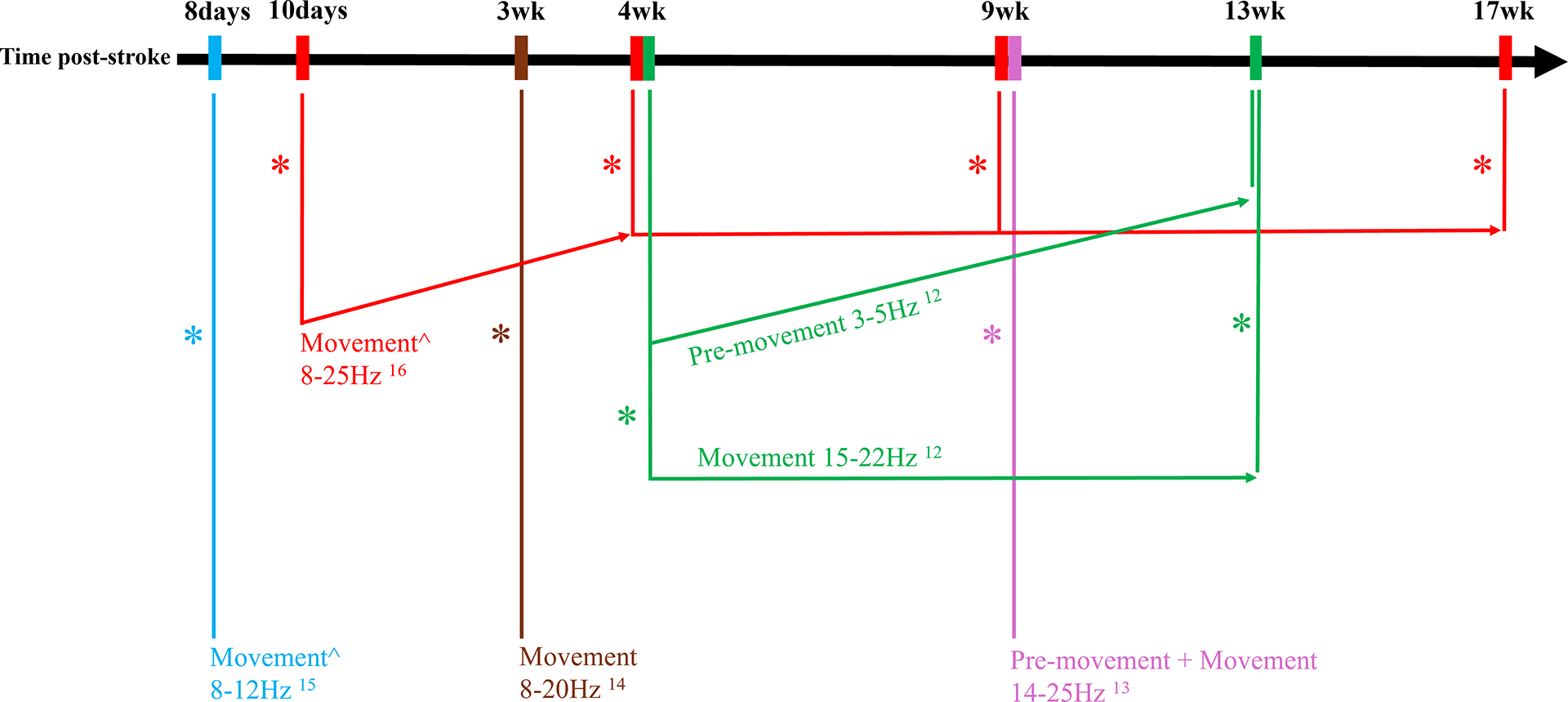
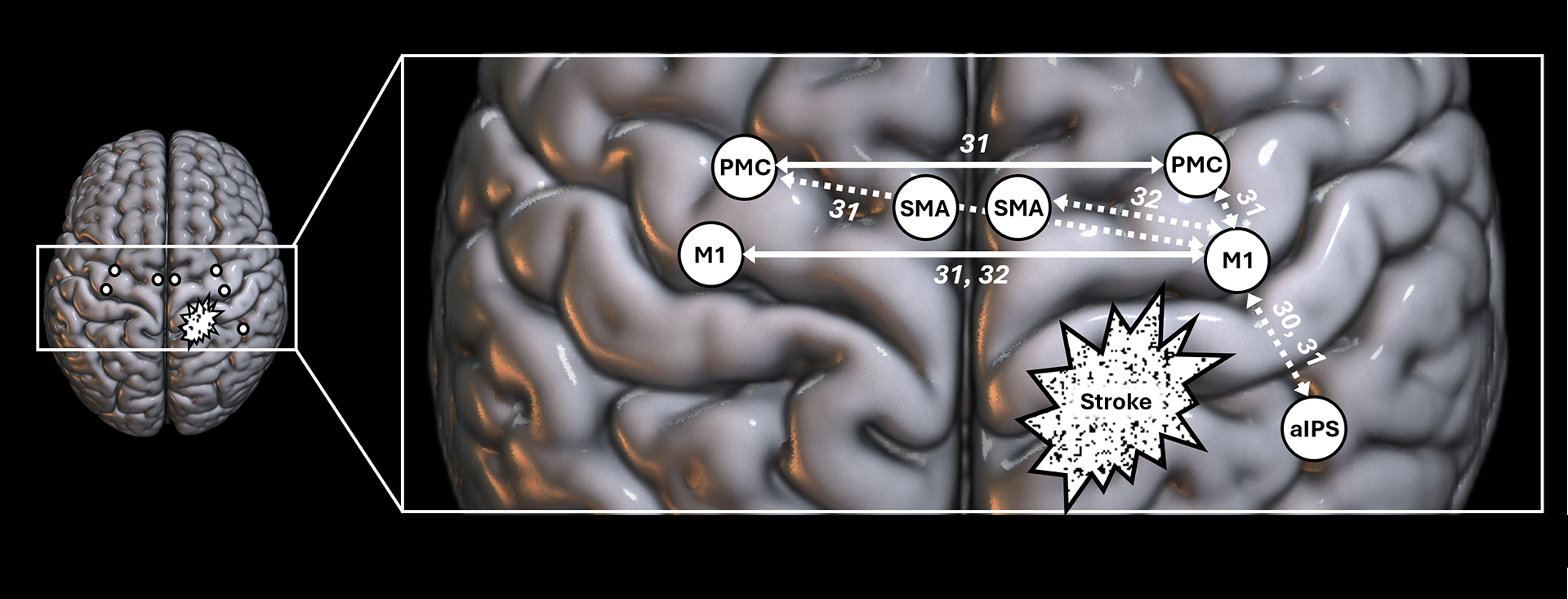
In many branches of medicine, treatment is guided by measuring its effects on underlying physiology. In this regard, the efficacy of rehabilitation/recovery therapies could be enhanced if their administration was guided by measurements that directly capture treatment effects on neural function. Measures of brain function via EEG may be useful toward this goal and have advantages such as ease of bedside acquisition, safety, and low cost. This review synthetizes EEG studies during the subacute phase poststroke, when spontaneous recovery is maximal, and focuses on movement. Event-related measures reflect cortical activation and inhibition, while connectivity measures capture the function of cortical networks. Several EEG-based measures are related to motor outcomes poststroke and warrant further evaluation. Ultimately, they may be useful for clinical decision-making and clinical trial design in stroke neurorehabilitation.
在医学的许多领域,治疗方法都是以测量其对潜在生理机能的影响为指导的。在这方面,如果康复/恢复疗法的实施可以通过直接测量治疗对神经功能的影响来指导,那么其疗效可能会得到提高。通过 EEG 测量大脑功能可能有助于实现这一目标,并且具有易于在床边获取、安全和低成本等优点。本综述综合了卒中后亚急性期(自发恢复达到最大值)的 EEG 研究,重点关注运动。事件相关测量反映了皮质的激活和抑制,而连通性测量则反映了皮质网络的功能。一些基于 EEG 的测量方法与卒中后运动结局相关,值得进一步评估。最终,它们可能对卒中神经康复的临床决策和临床试验设计有用。