Department of Hematology and Oncology, Division of Stem Cell Transplantation and Cellular Immunotherapies, University Hospital Schleswig-Holstein Kiel, Kiel University, Arnold-Heller-Str. 3, 24106, Kiel, Germany.
Intensive Care Med. 2024 Sep;50(9):1459-1469. doi: 10.1007/s00134-024-07576-4. Epub 2024 Aug 22.
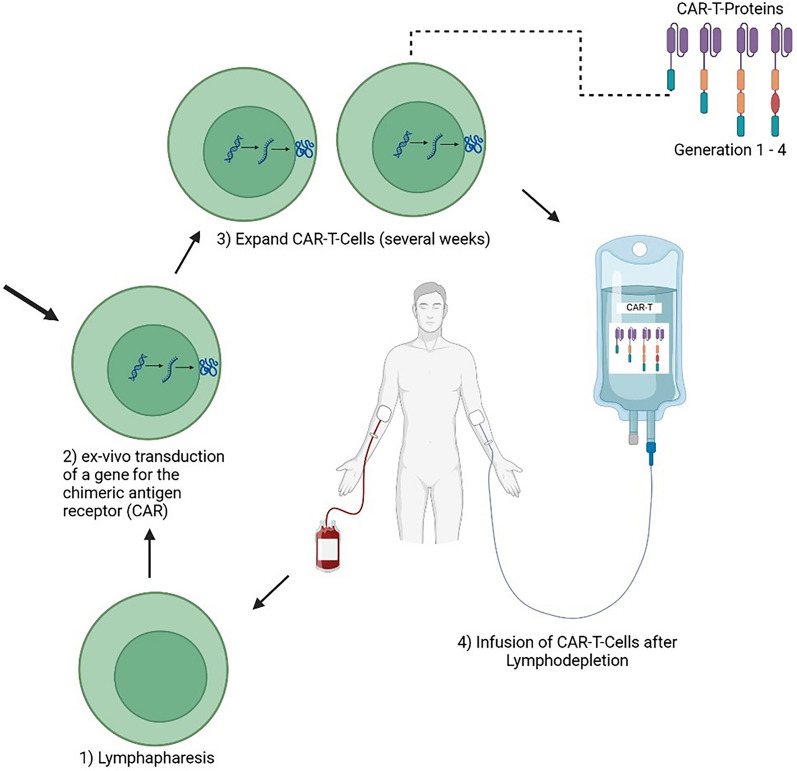
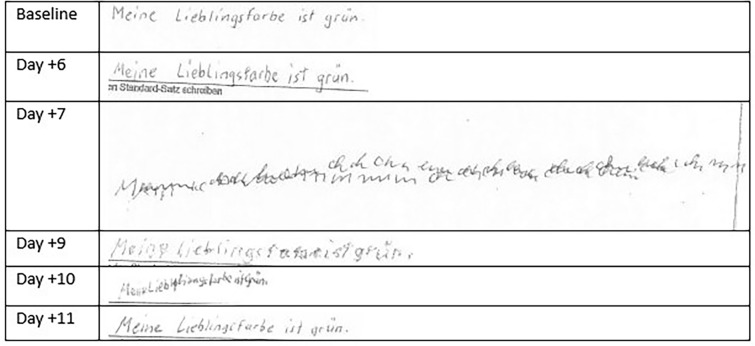
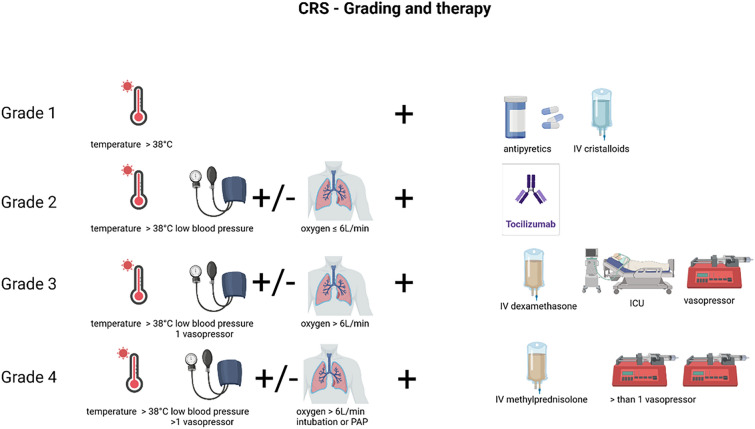
The use of chimeric antigen receptor T (CAR-T) cells is a significant therapeutic improvement increasing the prognosis for patients with a variety of hematological malignancies. However, this therapy has also sometimes life-threatening, complications. Therefore, knowledge of the treatment and management of these complications, especially in treatment centers and intensive care units, respectively, is of outstanding importance. This review provides recommendations for the diagnosis, management, and treatment of CAR-T cell-associated complications such as cytokine release syndrome, immune effector cell associated neurotoxicity syndrome, hematotoxicity, hypogammaglobulinemia, and CAR-T cell-induced pseudo-progression amongst others for physicians treating patients with CAR-T cell-associated complications and intensivists.
嵌合抗原受体 T (CAR-T) 细胞的应用是一种重大的治疗进展,提高了多种血液系统恶性肿瘤患者的预后。然而,这种治疗有时也会带来危及生命的并发症。因此,了解这些并发症的治疗和管理方法,尤其是在治疗中心和重症监护病房,具有非常重要的意义。本综述为治疗 CAR-T 细胞相关并发症的医生和重症监护医生提供了关于细胞因子释放综合征、免疫效应细胞相关神经毒性综合征、血液毒性、低丙种球蛋白血症和 CAR-T 细胞诱导的假性进展等 CAR-T 细胞相关并发症的诊断、管理和治疗的建议。