Department of Pancreatic Surgery, Fudan University Shanghai Cancer Center, Shanghai, 200032, China.
Department of Oncology, Shanghai Medical College, Fudan University, Shanghai, 200032, China.
Cell Death Dis. 2024 Aug 26;15(8):620. doi: 10.1038/s41419-024-06984-0.
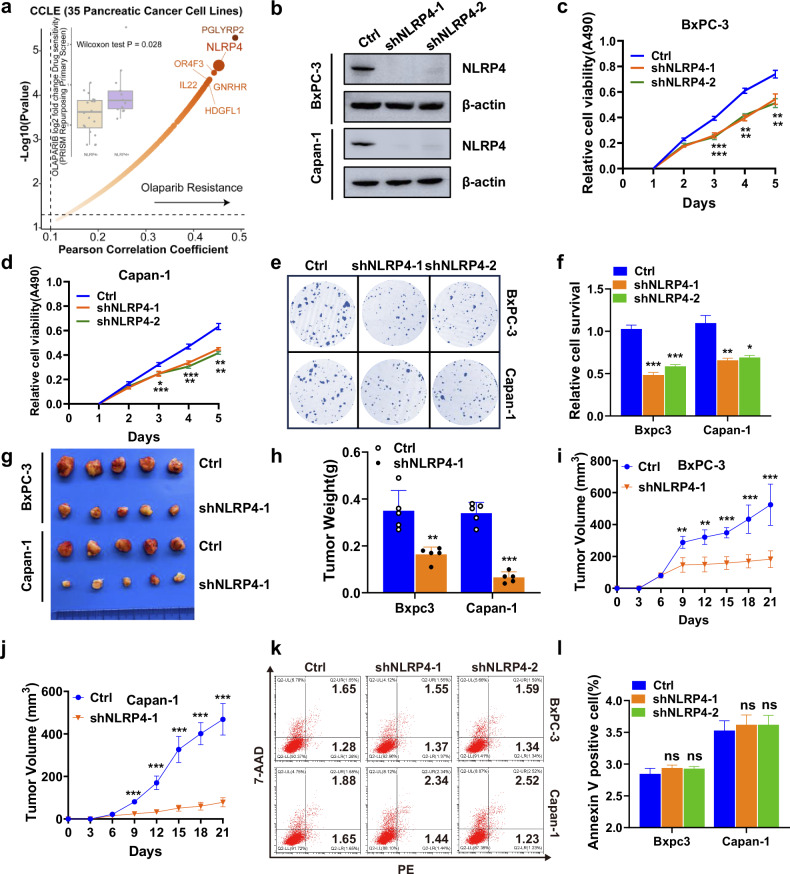
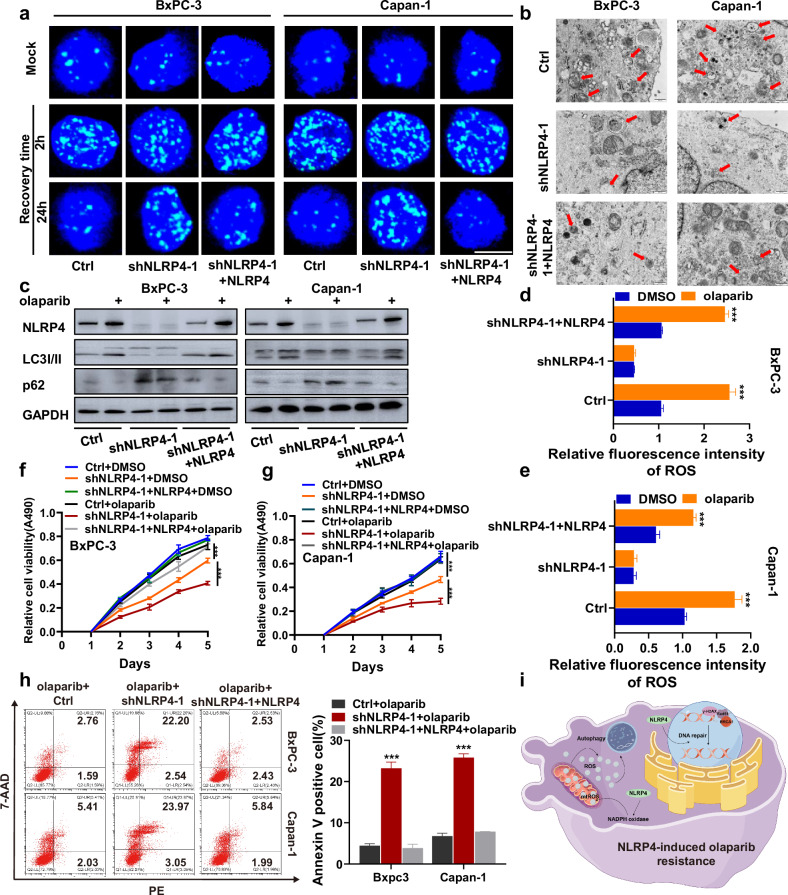
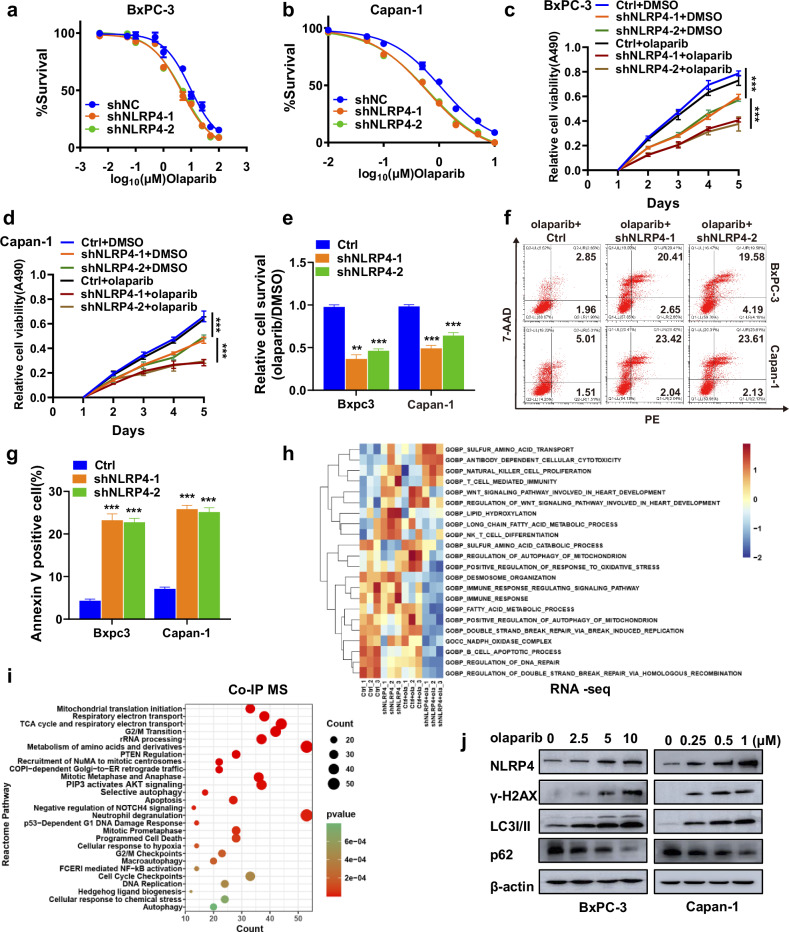
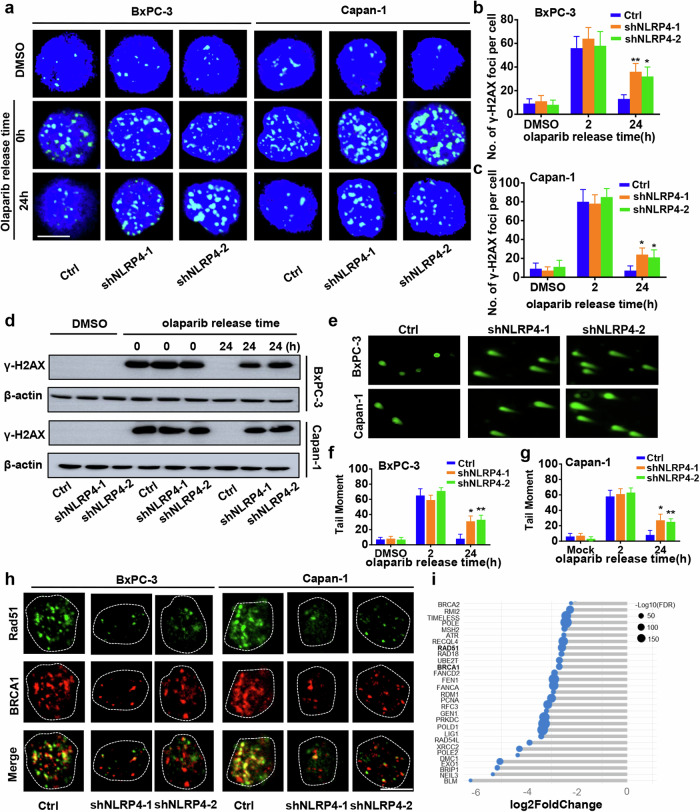
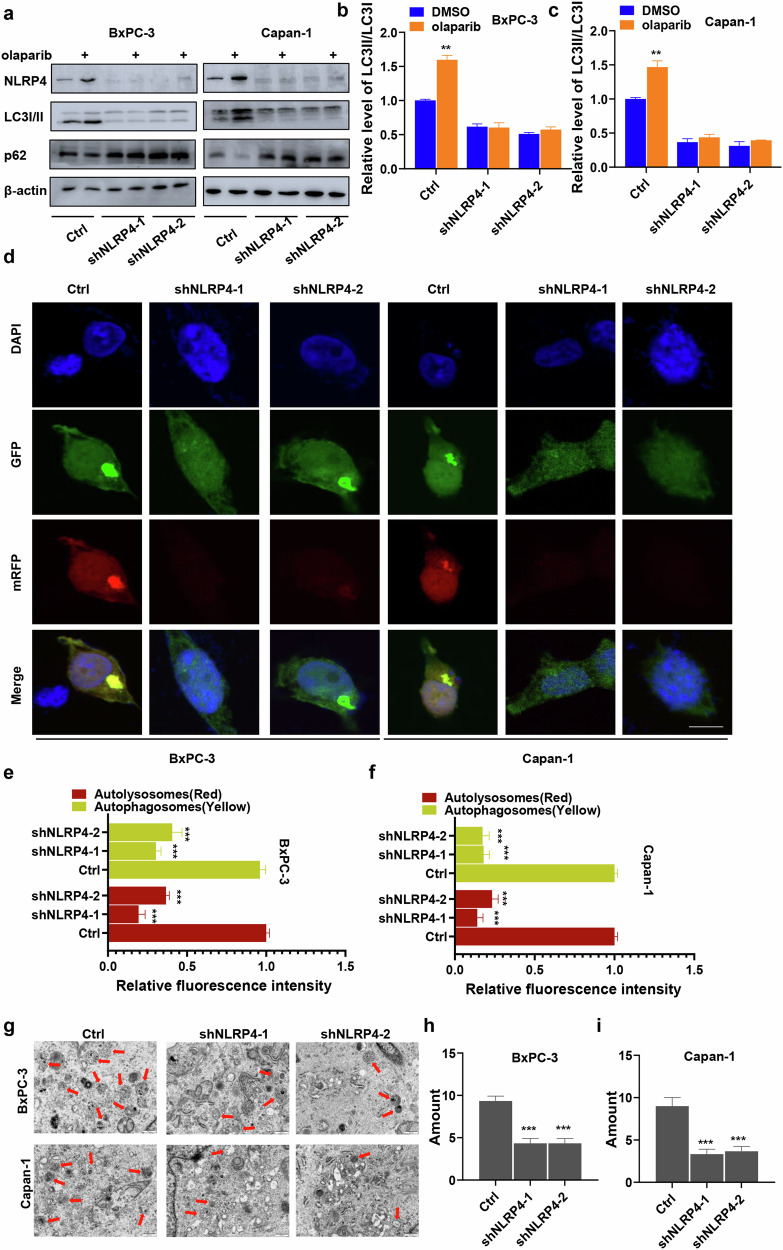
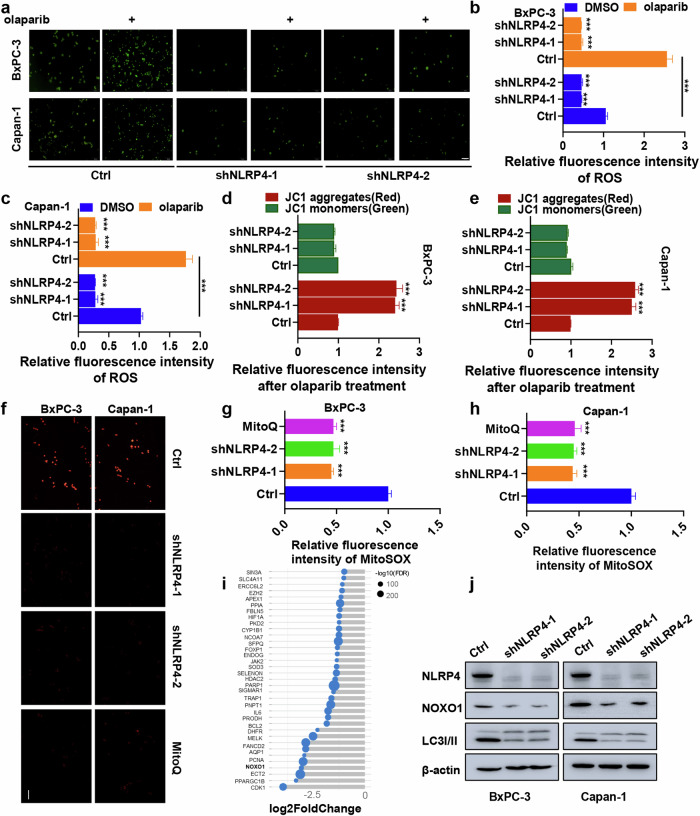
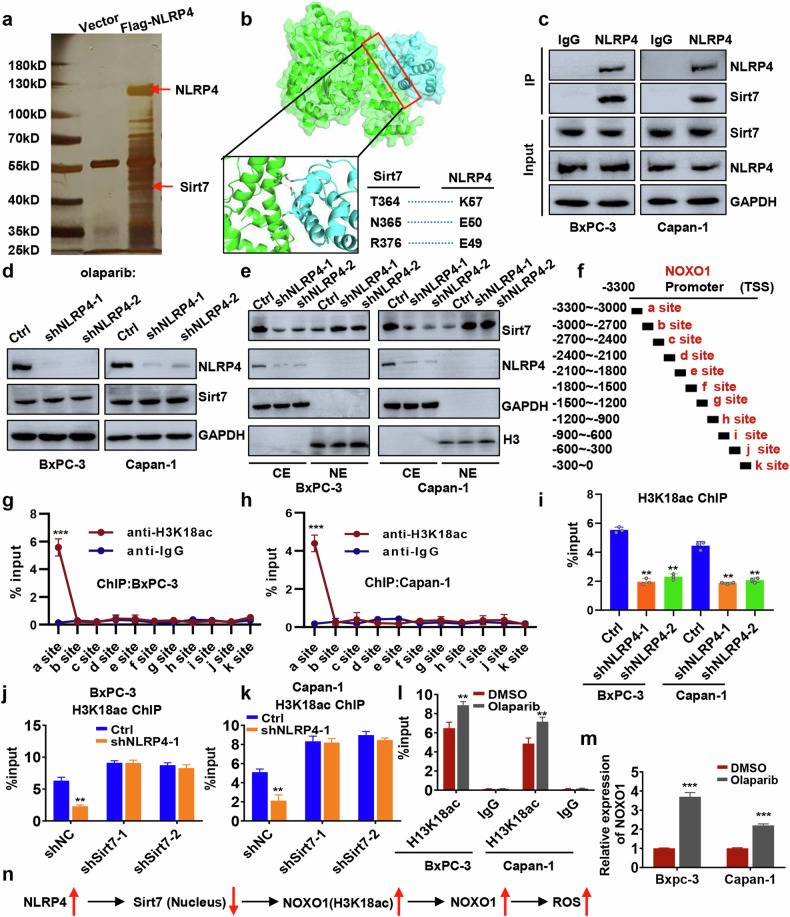
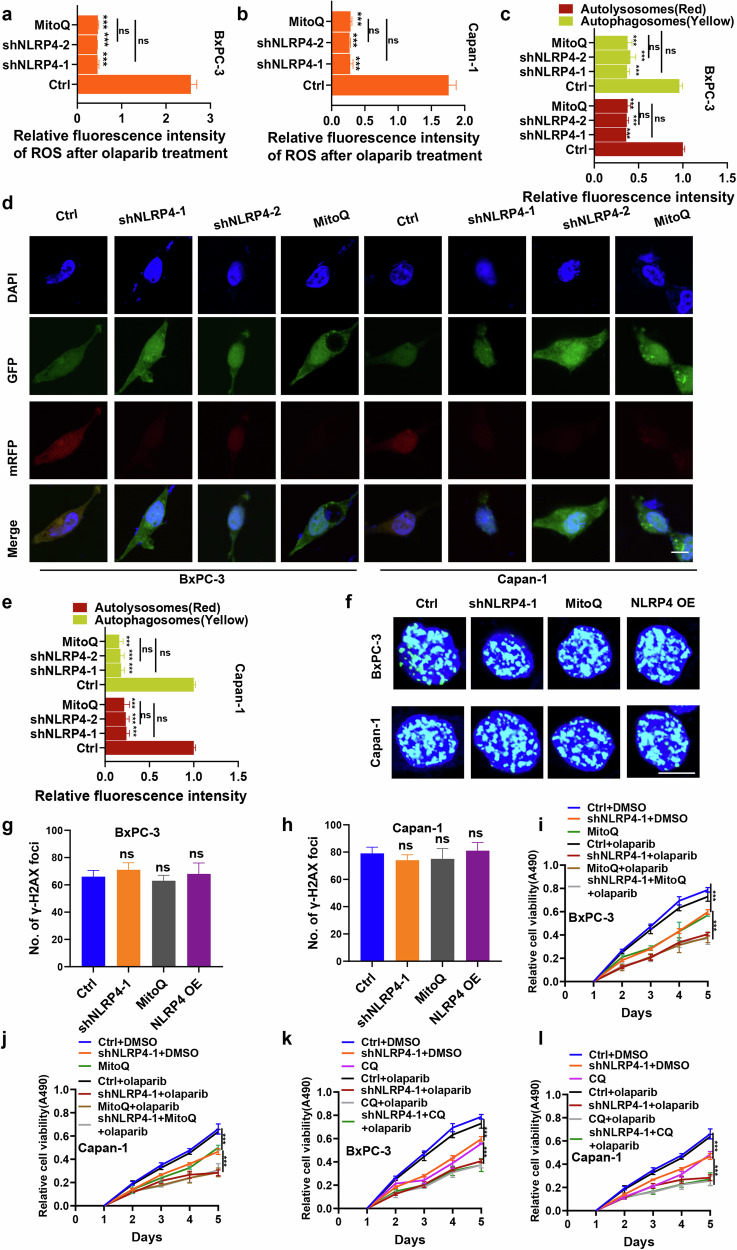
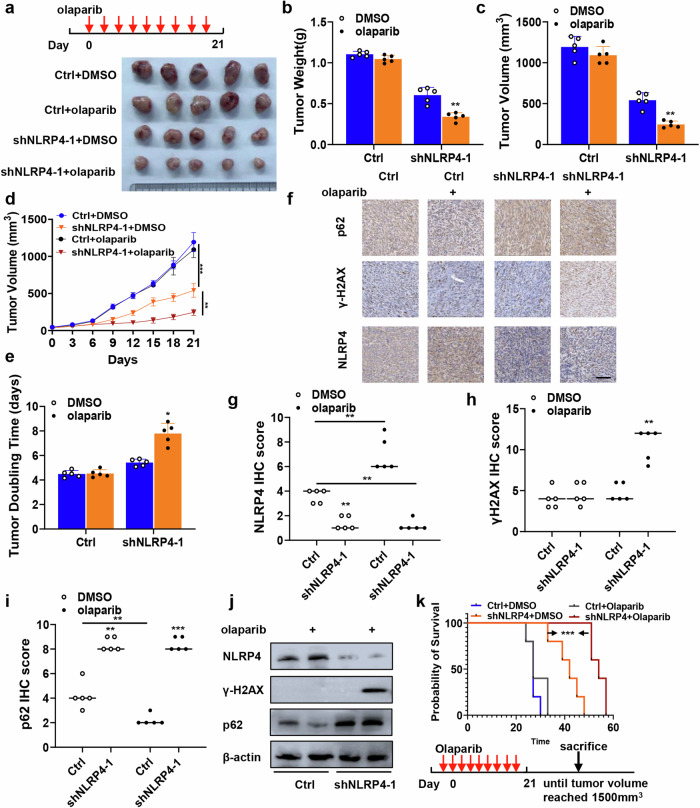
Olaparib has been approved as a therapeutic option for metastatic pancreatic ductal adenocarcinoma patients with BRCA1/2 mutations. However, a significant majority of pancreatic cancer patients have inherent resistance or develop tolerance to olaparib. It is crucial to comprehend the molecular mechanism underlying olaparib resistance to facilitate the development of targeted therapies for pancreatic cancer. In this study, we conducted an analysis of the DepMap database to investigate gene expression variations associated with olaparib sensitivity. Our findings revealed that NLRP4 upregulation contributes to increased resistance to olaparib in pancreatic cancer cells, both in vitro and in vivo. RNA sequencing and Co-IP MS analysis revealed that NLRP4 is involved in the DNA damage response and autophagy pathway. Our findings confirmed that NLRP4 enhances the capacity for DNA repair and induces the production of significant levels of reactive oxygen species (ROS) and autophagy in response to treatment with olaparib. Specifically, NLRP4-generated mitochondrial ROS promote autophagy in pancreatic cancer cells upon exposure to olaparib. However, NLRP4-induced ROS do not affect DNA damage. The inhibition of mitochondrial ROS using MitoQ and autophagy using chloroquine (CQ) may render cells more susceptible to the effects of olaparib. Taken together, our findings highlight the significant roles played by NLRP4 in the processes of autophagy and DNA repair when pancreatic cancer cells are treated with olaparib, thereby suggesting the potential therapeutic utility of olaparib in pancreatic cancer patients with low NLRP4 expression.
奥拉帕利已被批准作为具有 BRCA1/2 突变的转移性胰腺导管腺癌患者的治疗选择。然而,绝大多数胰腺癌患者对奥拉帕利具有内在耐药性或产生耐受性。了解奥拉帕利耐药的分子机制对于开发针对胰腺癌的靶向治疗至关重要。在这项研究中,我们对 DepMap 数据库进行了分析,以研究与奥拉帕利敏感性相关的基因表达变化。我们的研究结果表明,NLRP4 的上调导致胰腺癌细胞对奥拉帕利的耐药性增加,无论是在体外还是体内。RNA 测序和 Co-IP MS 分析表明,NLRP4 参与 DNA 损伤反应和自噬途径。我们的研究结果证实,NLRP4 增强了 DNA 修复能力,并在奥拉帕利治疗后诱导产生大量的活性氧 (ROS) 和自噬。具体来说,NLRP4 产生的线粒体 ROS 在暴露于奥拉帕利时促进胰腺癌细胞中的自噬。然而,NLRP4 诱导的 ROS 不影响 DNA 损伤。使用 MitoQ 抑制线粒体 ROS 和使用氯喹 (CQ) 抑制自噬可能使细胞对奥拉帕利的作用更敏感。综上所述,我们的研究结果强调了 NLRP4 在胰腺癌细胞用奥拉帕利治疗时自噬和 DNA 修复过程中的重要作用,这表明在 NLRP4 表达水平较低的胰腺癌患者中,奥拉帕利具有潜在的治疗应用价值。