Piccininno Domenico, Perrotta Giulio
Department of Forensic Criminology, Forensic Science Academy (FSA), 84083 Castel San Giorgio, Italy.
Istituto per lo Studio delle Psicoterapie (ISP), 00185 Rome, Italy.
Epidemiologia (Basel). 2024 Aug 12;5(3):511-524. doi: 10.3390/epidemiologia5030035.
In the literature, video game addiction in youths is correlated with dysfunctional symptoms of anxiety, emotional disorders, and mood disorders, and the pandemic period of 2020-2022 has favored the aggravation of this behavioral addiction. Therefore, we identified the need to analyze this phenomenon with an emphasis on the risks and correlates related to deviance and maladjustment from a prospective perspective, seeking to understand the impact of the individual variables examined.
To demonstrate whether the condition of "gaming non-pathological abuse" (GNPA) promotes psychopathological features of clinical interest, in the absence of a diagnosis of "gaming disorder" (GD).
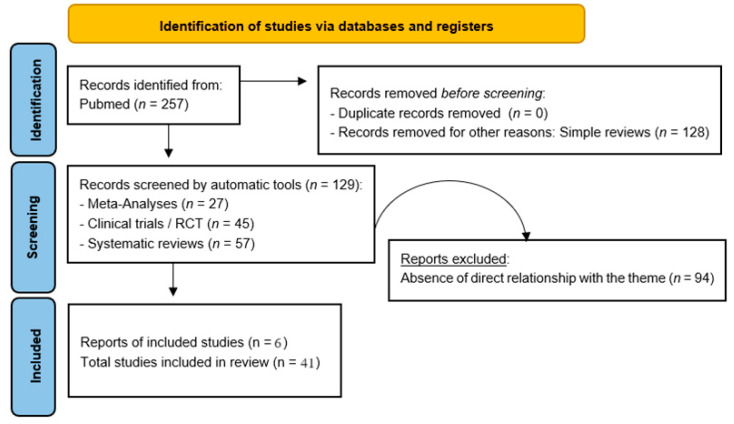
A search performed on PubMed and administration of an ad hoc sociological questionnaire were used to investigate individual variables of criminological interest in a representative population sample (531 males/females, 8-18 years old, M: 14.4, SD: 2.5).
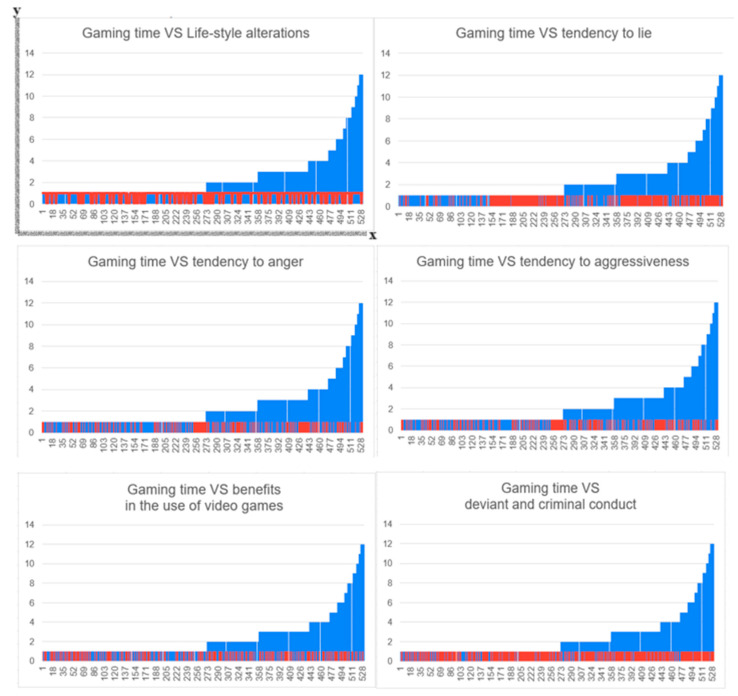
Statistical analysis showed that after the pandemic period, digital video game addiction was reinforced, feeding psychopathological traits consistent with anxiety, emotional disorders, and mood disorders. Variables correlated with impulsive, aggressive, and violent behavior related to age, gender, socio-environmental and economic background, and the severity of digital video game addiction.
In the youth population (8-18 years), "gaming non-pathological abuse" (GNPA) is related to aggressive, impulsive and violent behaviors that foster phenomena of social maladjustment and deviance, especially in individuals living in disadvantaged or otherwise complex socio-economic and family contexts. Looking forward, the study of structural and functional personality profiles is essential in order to anticipate and reduce the future risk of psychopathological and criminal behavior.
在文献中,青少年电子游戏成瘾与焦虑、情绪障碍和心境障碍的功能失调症状相关,而2020 - 2022年的疫情期间加剧了这种行为成瘾。因此,我们认识到有必要以前瞻性的视角分析这一现象,重点关注与越轨和适应不良相关的风险及关联因素,以了解所研究的个体变量的影响。
在未诊断为“游戏障碍”(GD)的情况下,证明“非病理性游戏滥用”(GNPA)状况是否会引发具有临床意义的精神病理学特征。
在PubMed上进行检索,并发放一份专门设计的社会学问卷,以调查具有犯罪学研究价值的个体变量,样本为具有代表性的人群(531名男性/女性,年龄8 - 18岁,平均年龄:14.4岁,标准差:2.5岁)。
统计分析表明,疫情期间过后,数字视频游戏成瘾情况加剧,助长了与焦虑、情绪障碍和心境障碍相符的精神病理学特征。与冲动、攻击和暴力行为相关的变量与年龄、性别、社会环境和经济背景以及数字视频游戏成瘾的严重程度有关。
在青少年人群(8 - 18岁)中,“非病理性游戏滥用”(GNPA)与攻击、冲动和暴力行为相关,这些行为会助长社会适应不良和越轨现象,尤其是在生活于弱势或其他复杂社会经济和家庭环境中的个体中。展望未来,研究人格的结构和功能特征对于预测和降低未来精神病理学和犯罪行为的风险至关重要。