Department of Molecular Reproduction, Development and Genetics, Indian Institute of Science, Bangalore, India.
Breast Cancer Now Toby Robins Research Centre, Department of Breast Research, The Institute of Cancer Research, London, U.K.
Cancer Genomics Proteomics. 2024 Sep-Oct;21(5):485-501. doi: 10.21873/cgp.20466.
BACKGROUND/AIM: Glioblastomas (GBM) are infiltrative malignant brain tumors which mostly recur within a year's time following surgical resection and chemo-radiation therapy. Studies on glioblastoma cells following radio-chemotherapy, have been demonstrated to induce trans-differentiation, cellular plasticity, activation of DNA damage response and stemness. As glioblastomas are heterogenous tumors that develop treatment resistance and plasticity, we investigated if there exist genome-wide DNA methylation changes in recurrent tumors.
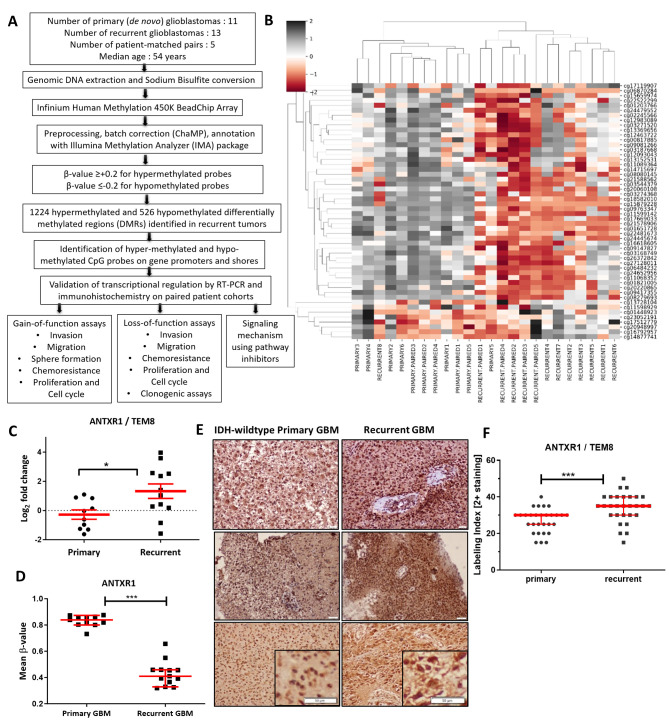
Utilizing genome-wide DNA methylation arrays, we compared the DNA methylation profile of 11 primary (first occurrence) tumors with 13 recurrent (relapsed) GBM, to delineate the contribution of epigenetic changes associated with therapy exposure, therapy resistance, and relapse of disease.
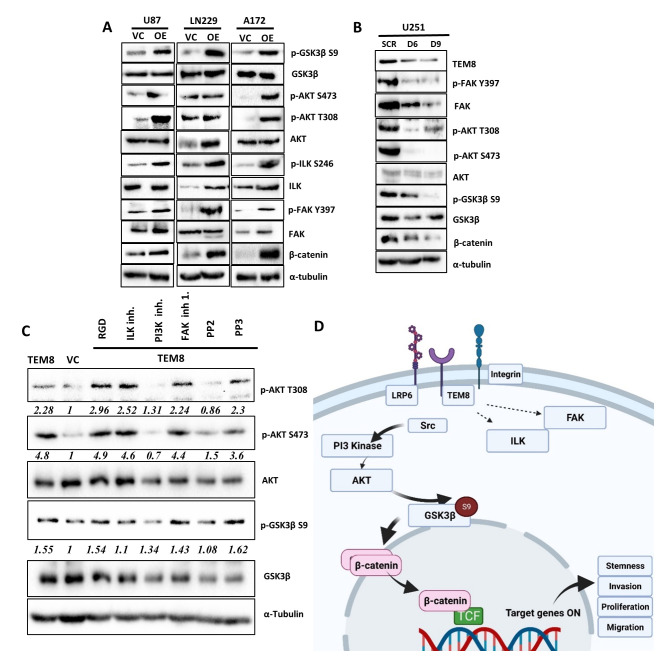
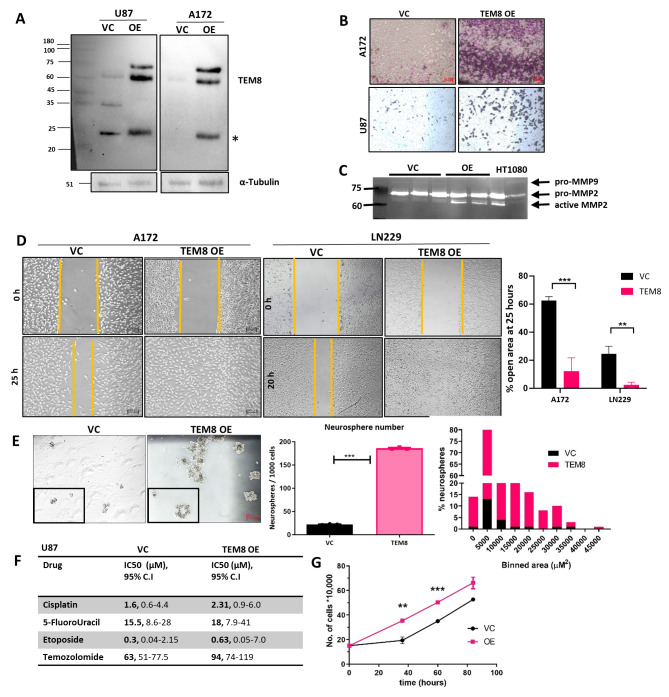
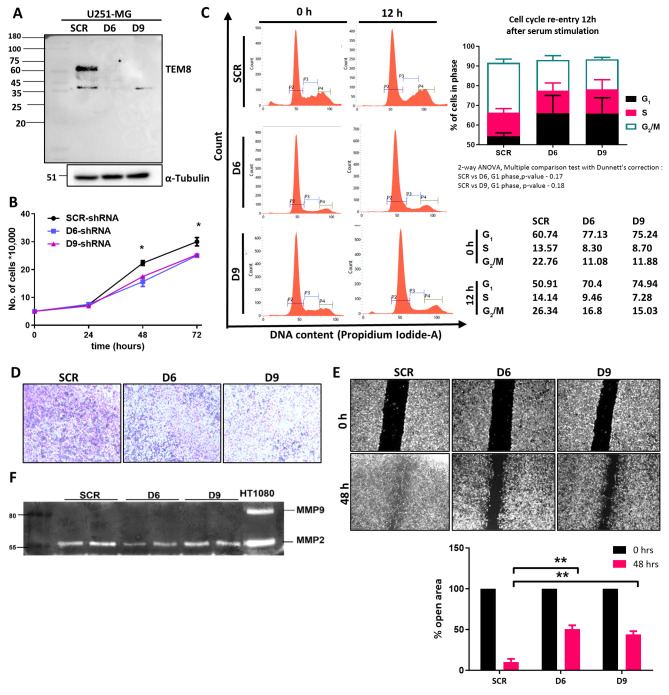
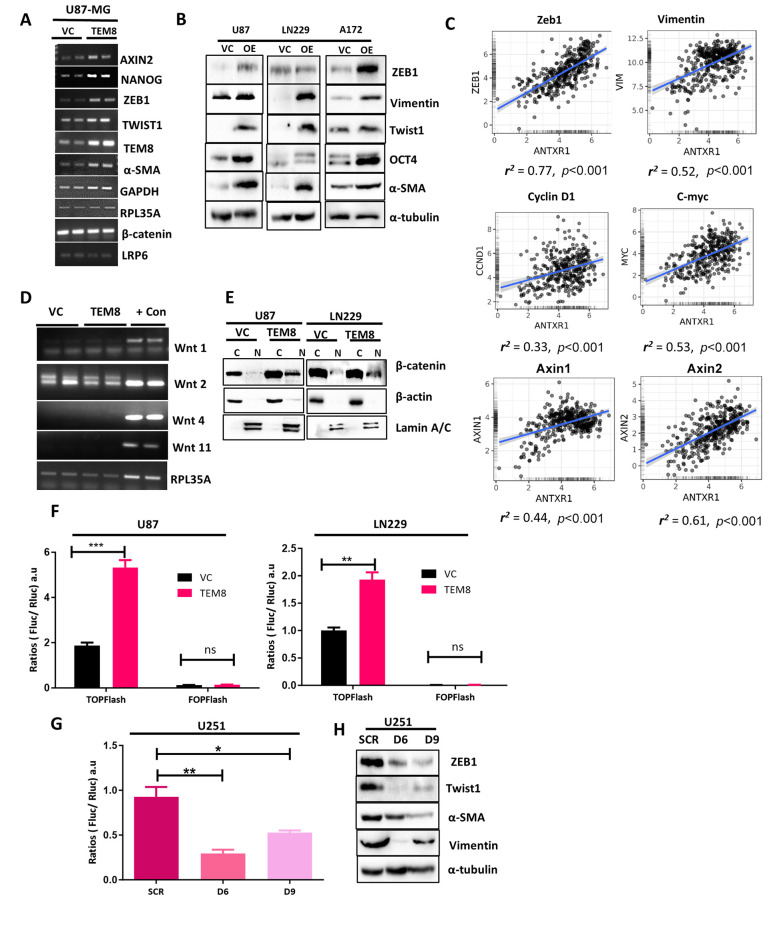
Our data revealed 1,224 hypermethylated- and 526 hypomethylated-probes in recurrent glioblastomas compared to primary disease. We found differential methylation of solute carrier and ion channel genes, interleukin receptor/ligand genes, tumor-suppressor genes and genes associated with metastasis. We functionally characterized one such hypomethylated-up-regulated gene, namely anthrax toxin receptor 1/tumor endothelial marker 8 (ANTXR1/TEM8), whose expression was validated to be significantly up-regulated in recurrent glioblastomas compared to primary tumors and confirmed by immunohistochemistry. Using overexpression and knockdown approaches, we showed that TEM8 induces proliferation, invasion, migration, and chemo-radioresistance in glioblastoma cells. Additionally, we demonstrated a novel mechanism of β-catenin stabilization and activation of the β-catenin transcriptional program due to TEM8 overexpression via a Src/PI3K/AKT/GSK3β/β-catenin pathway.
We report genome-wide DNA methylation changes in recurrent GBM and suggest involvement of the TEM8 gene in GBM recurrence and progression.
背景/目的:胶质母细胞瘤(GBM)是浸润性恶性脑肿瘤,在手术切除和化疗放疗后大多在一年内复发。放射化疗后的胶质母细胞瘤细胞研究表明,可诱导细胞转分化、细胞可塑性、DNA 损伤反应和干性激活。由于胶质母细胞瘤是具有治疗抵抗性和可塑性的异质性肿瘤,我们研究了是否存在复发性肿瘤的全基因组 DNA 甲基化变化。
我们利用全基因组 DNA 甲基化阵列,比较了 11 例原发性(首次发生)肿瘤和 13 例复发性(复发)GBM 的 DNA 甲基化图谱,以描绘与治疗暴露、治疗抵抗和疾病复发相关的表观遗传变化的贡献。
与原发性疾病相比,我们的数据显示复发性胶质母细胞瘤中有 1224 个高甲基化探针和 526 个低甲基化探针。我们发现溶质载体和离子通道基因、白细胞介素受体/配体基因、肿瘤抑制基因和与转移相关的基因的差异甲基化。我们对一个低甲基化上调的基因进行了功能表征,即炭疽毒素受体 1/肿瘤内皮标志物 8(ANTXR1/TEM8),其表达在复发性胶质母细胞瘤中明显高于原发性肿瘤,并通过免疫组织化学验证。通过过表达和敲低方法,我们表明 TEM8 诱导胶质母细胞瘤细胞的增殖、侵袭、迁移和化疗放疗抵抗。此外,我们还证明了由于 TEM8 过表达通过Src/PI3K/AKT/GSK3β/β-catenin 途径导致β-catenin 稳定和β-catenin 转录程序激活的新机制。
我们报告了复发性 GBM 的全基因组 DNA 甲基化变化,并提出 TEM8 基因参与 GBM 的复发和进展。