Chanh Ho Quang, Trieu Huynh Trung, Tran Kim Hung, Huynh Ngoc Thien Vuong, Huyen Vu Ngo Thanh, Moncada Alexandra, Thanh Nguyen Thi Kieu, Duyen Huynh Thi Le, Nguyen-Lyle Ngan, Vuong Nguyen Lam, Lam Phung Khanh, McBride Angela, Phan Tu Qui, Dong Thi Hoai Tam, Wills Bridget, Yacoub Sophie
Oxford University Clinical Research Unit, Ho Chi Minh City, 72707, Viet Nam.
Hospital for Tropical Diseases, Ho Chi Minh City, Viet Nam.
Oxf Open Immunol. 2024 Jun 3;5(1):iqae005. doi: 10.1093/oxfimm/iqae005. eCollection 2024.
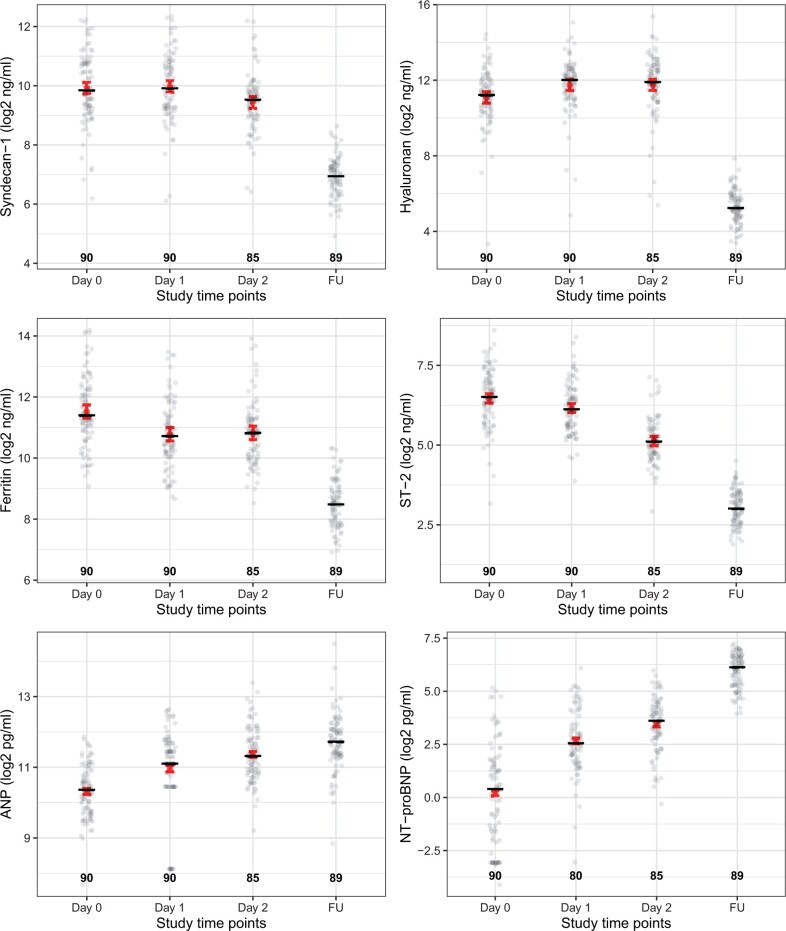
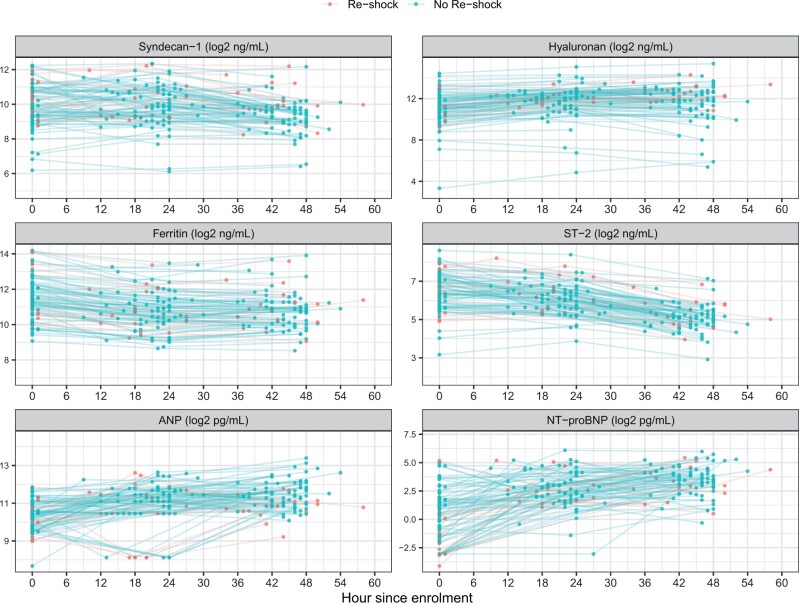
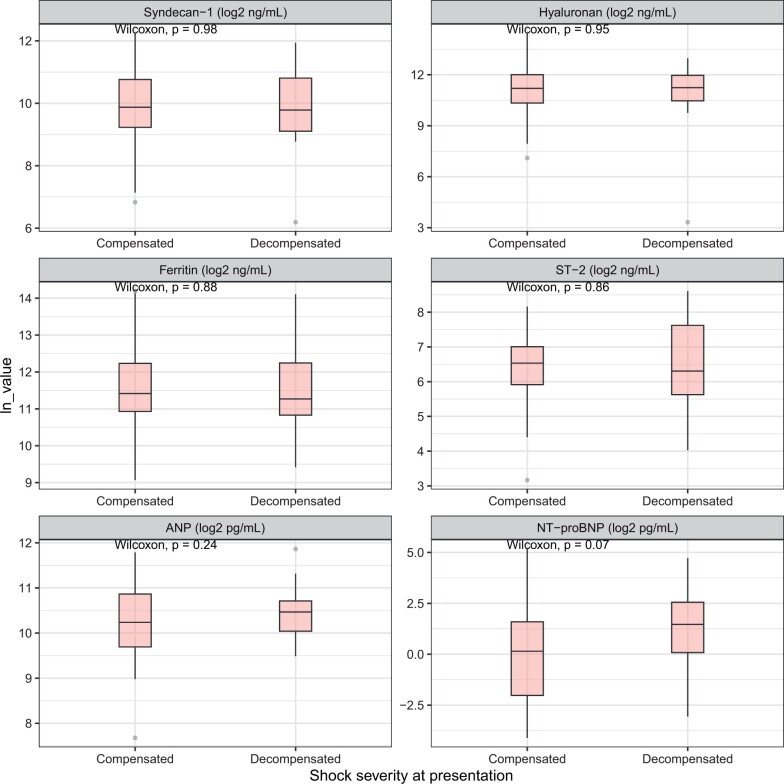
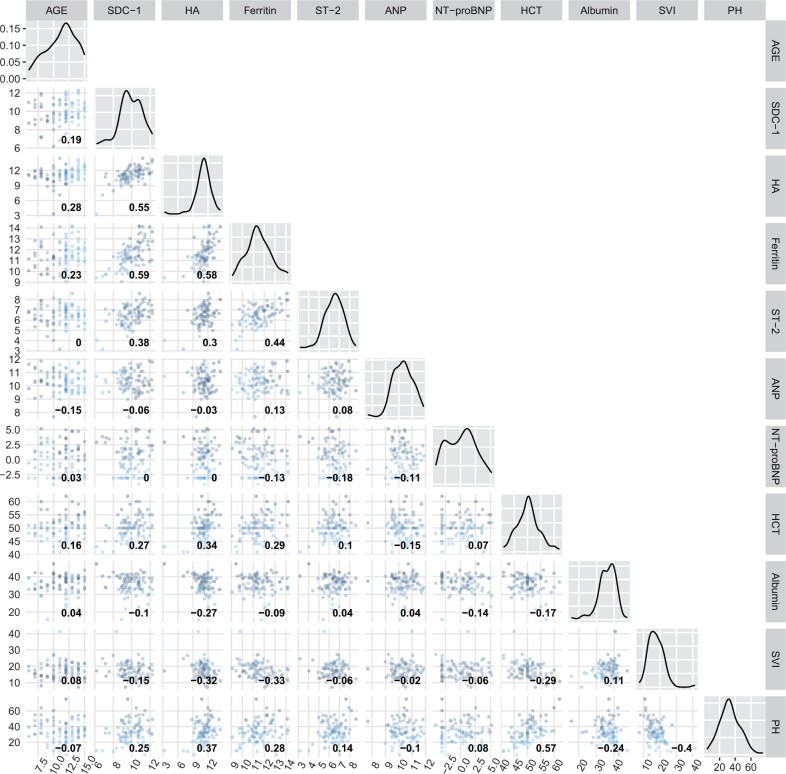
Glycocalyx disruption and hyperinflammatory responses are implicated in the pathogenesis of dengue-associated vascular leak, however little is known about their association with clinical outcomes of patients with dengue shock syndrome (DSS). We investigated the association of vascular and inflammatory biomarkers with clinical outcomes and their correlations with clinical markers of vascular leakage. We performed a prospective cohort study in Viet Nam. Children ≥5 years of age with a clinical diagnosis of DSS were enrolled into this study. Blood samples were taken daily during ICU stay and 7-10 days after hospital discharge for measurements of plasma levels of Syndecan-1, Hyaluronan, Suppression of tumourigenicity 2 (ST-2), Ferritin, N-terminal pro Brain Natriuretic Peptide (NT-proBNP), and Atrial Natriuretic Peptide (ANP). The primary outcome was recurrent shock. Ninety DSS patients were enrolled. Recurrent shock occurred in 16 patients. All biomarkers, except NT-proBNP, were elevated at presentation with shock. There were no differences between compensated and decompensated DSS patients. Glycocalyx markers were positively correlated with inflammatory biomarkers, haematocrit, percentage haemoconcentration, and negatively correlated with stroke volume index. While Syndecan-1, Hyaluronan, Ferritin, and ST-2 improved with time, ANP continued to be raised at follow-up. Enrolment Syndecan-1 levels were observed to be associated with developing recurrent shock although the association did not reach the statistical significance at the < 0.01 (OR = 1.82, 95% CI 1.07-3.35, = 0.038). Cardiovascular and inflammatory biomarkers are elevated in DSS, correlate with clinical vascular leakage parameters and follow different kinetics over time. Syndecan-1 may have potential utility in risk stratifying DSS patients in ICU.
糖萼破坏和过度炎症反应与登革热相关的血管渗漏发病机制有关,然而,关于它们与登革热休克综合征(DSS)患者临床结局的关联却知之甚少。我们研究了血管和炎症生物标志物与临床结局的关联以及它们与血管渗漏临床指标的相关性。我们在越南进行了一项前瞻性队列研究。将临床诊断为DSS的≥5岁儿童纳入本研究。在重症监护病房住院期间每天采集血样,并在出院后7 - 10天采集血样,以测量血浆中Syndecan - 1、透明质酸、抑瘤素2(ST - 2)、铁蛋白、N末端脑钠肽前体(NT - proBNP)和心房钠尿肽(ANP)的水平。主要结局是反复休克。90例DSS患者入组。16例患者发生反复休克。除NT - proBNP外,所有生物标志物在休克出现时均升高。代偿性和失代偿性DSS患者之间没有差异。糖萼标志物与炎症生物标志物、血细胞比容、血液浓缩百分比呈正相关,与每搏输出量指数呈负相关。虽然Syndecan - 1、透明质酸、铁蛋白和ST - 2随时间改善,但随访时ANP仍持续升高。观察到入组时Syndecan - 1水平与发生反复休克有关,尽管该关联在<0.01时未达到统计学意义(OR = 1.82,95% CI 1.07 - 3.35, = 0.038)。DSS患者的心血管和炎症生物标志物升高,与临床血管渗漏参数相关,且随时间呈现不同的动力学变化。Syndecan - 1在对重症监护病房的DSS患者进行风险分层方面可能具有潜在用途。