Xie Fei, Zhou Mei, Li Xiaojin, Li Shenghe, Ren Man, Wang Chonglong
College of Animal Science, Anhui Science and Technology University, Chuzhou 239000, China.
Anhui Province Key Laboratory of Animal Nutritional Regulation and Health, Chuzhou 233100, China.
Animals (Basel). 2024 Aug 12;14(16):2327. doi: 10.3390/ani14162327.
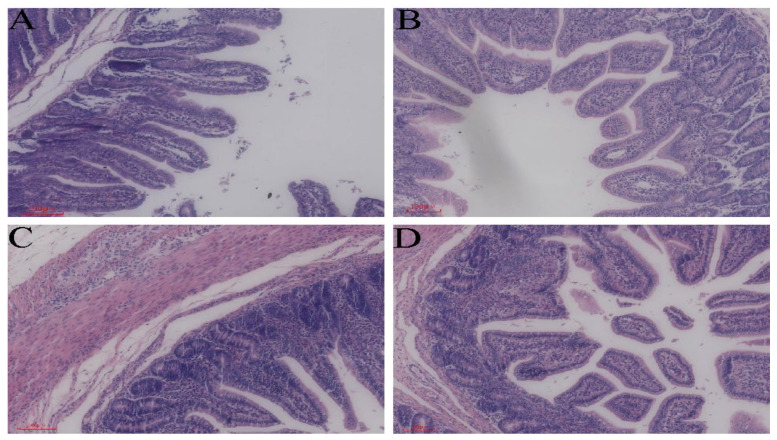
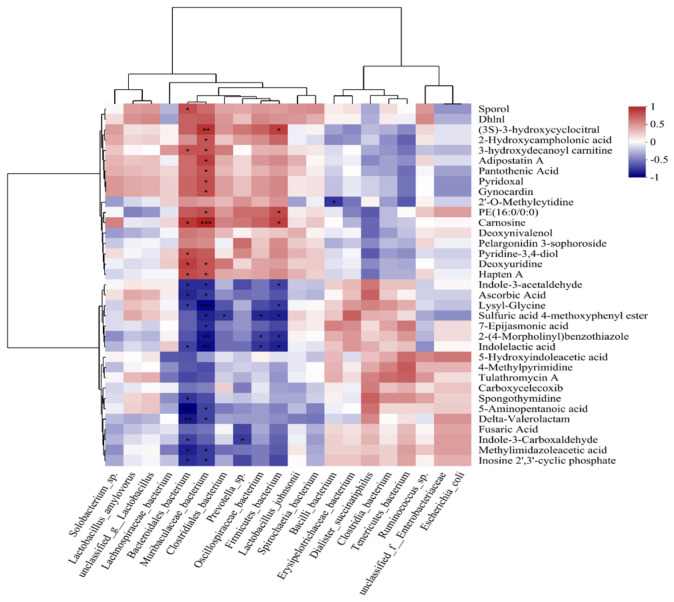
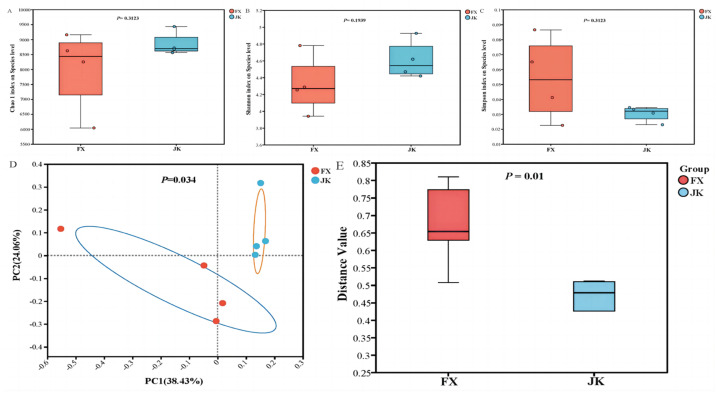
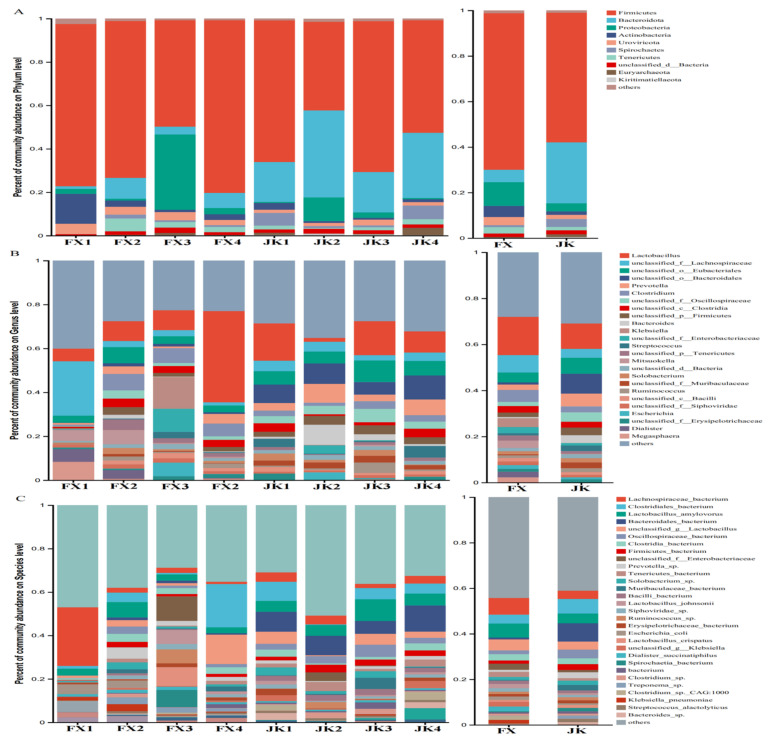
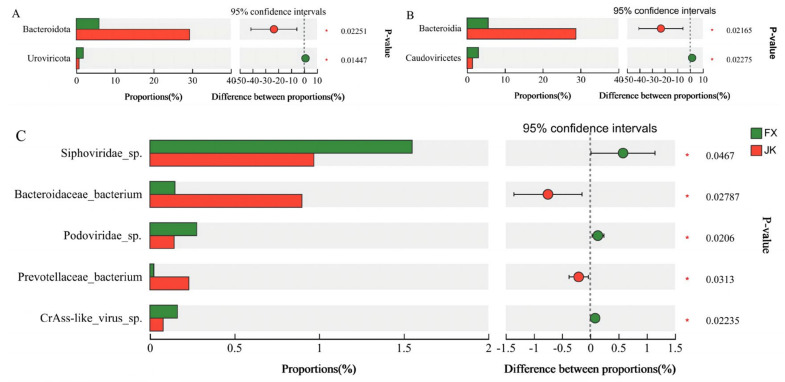
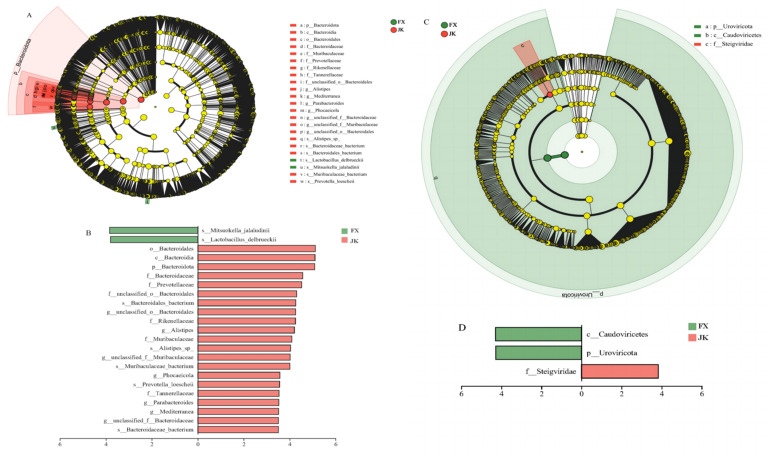
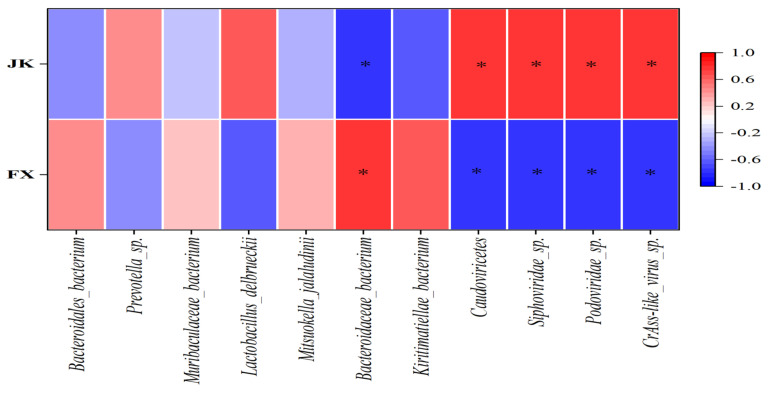
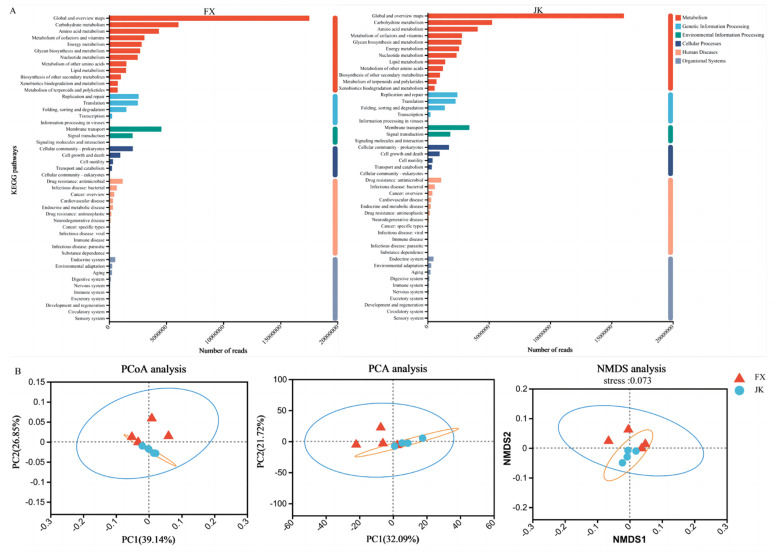
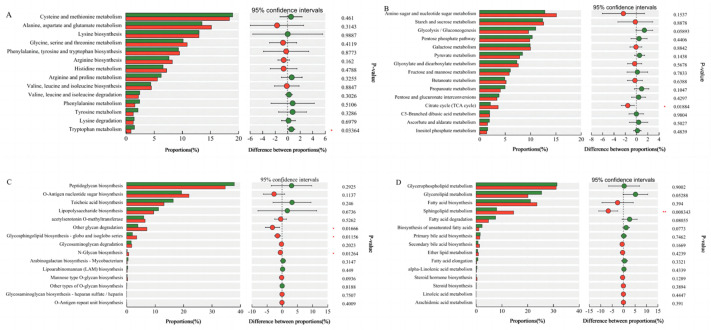
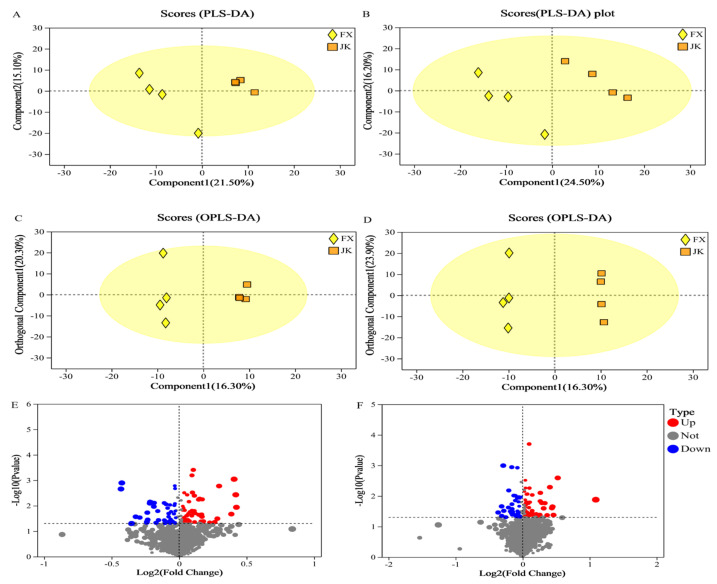
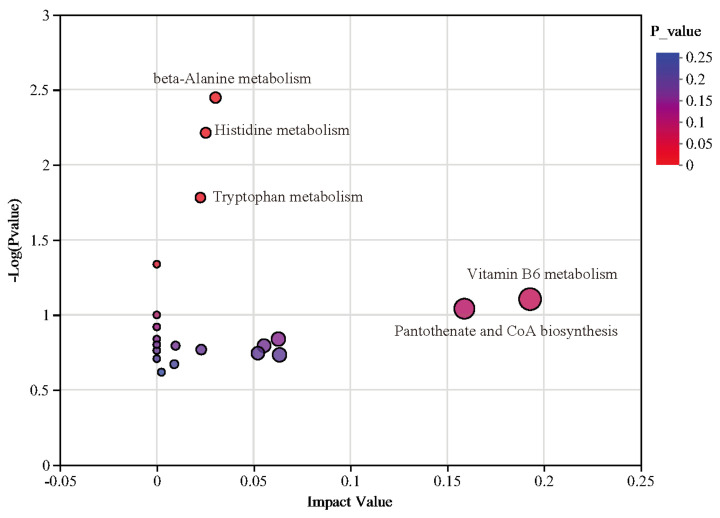
Recent studies have shown a correlation between piglet diarrhea and the gut microbiota. However, the precise mechanism by which intestinal microorganisms and their metabolites influence diarrhea in weaned piglets remains unclear. This study explored differences in the gut microbiota and associated metabolites between healthy and diarrheic-weaned piglets using macrogenomic and metabolomic analyses. The histomorphological results showed that diarrheic piglets had shorter jejunal and ileal villi, some of which were shed, compared to healthy piglets. Substantial differences in gut microbial diversity and metabolites were also observed, with and being the main differential organisms that were strongly correlated with host status. Microbial functions, mainly the metabolism of carbohydrates, glycans, lipids, and amino acids, as well as related enzyme activities, were substantially different. The major differential metabolites were carnosine, pantothenic acid (vitamin B), pyridoxal, methylimidazoleacetic acid, indole-3-acetaldehyde, and 5-hydroxyindoleacetic acid. These metabolites were enriched in beta-alanine, histidine, tryptophan, and vitamin B metabolism, and in the pantothenate and CoA biosynthesis pathways. Combined macrogenomic and metabolomic analyses revealed that carnosine, vitamin B, and pyridoxal were negatively correlated with ; methylimidazoleacetic acid, indole-3-acetaldehyde, and 5-hydroxyindoleacetic acid were positively correlated with . Whereas carnosine and vitamin B5 were positively correlated with , 5-hydroxyindoleacetic acid was negatively correlated. The decreased abundance of and the increased abundance of and related metabolites likely contribute to post-weaning diarrhea in piglets. Therefore, the abundance of and can likely serve as potential markers for identifying and preventing diarrhea in post-weaning piglets.
近期研究表明仔猪腹泻与肠道微生物群之间存在关联。然而,肠道微生物及其代谢产物影响断奶仔猪腹泻的确切机制仍不清楚。本研究采用宏基因组学和代谢组学分析方法,探究了健康断奶仔猪与腹泻断奶仔猪肠道微生物群及其相关代谢产物的差异。组织形态学结果显示,与健康仔猪相比,腹泻仔猪的空肠和回肠绒毛较短,部分绒毛脱落。还观察到肠道微生物多样性和代谢产物存在显著差异,[具体微生物名称1]和[具体微生物名称2]是与宿主状态密切相关的主要差异微生物。微生物功能,主要是碳水化合物、聚糖、脂质和氨基酸的代谢以及相关酶活性,存在显著差异。主要的差异代谢产物有肌肽、泛酸(维生素B5)、吡哆醛、甲基咪唑乙酸、吲哚-3-乙醛和5-羟吲哚乙酸。这些代谢产物在β-丙氨酸、组氨酸、色氨酸和维生素B代谢以及泛酸和辅酶A生物合成途径中富集。宏基因组学和代谢组学联合分析显示,肌肽、维生素B和吡哆醛与[具体微生物名称1]呈负相关;甲基咪唑乙酸、吲哚-3-乙醛和5-羟吲哚乙酸与[具体微生物名称1]呈正相关。而肌肽和维生素B5与[具体微生物名称2]呈正相关,5-羟吲哚乙酸与[具体微生物名称2]呈负相关。[具体微生物名称1]丰度降低以及[具体微生物名称2]及其相关代谢产物丰度增加可能导致仔猪断奶后腹泻。因此,[具体微生物名称1]和[具体微生物名称2]的丰度可能作为识别和预防断奶仔猪腹泻的潜在标志物。