Ciulei George, Orășan Olga Hilda, Cozma Angela, Negrean Vasile, Alexescu Teodora Gabriela, Țărmure Simina, Casoinic Florin Eugen, Lucaciu Roxana Liana, Hangan Adriana Corina, Procopciuc Lucia Maria
4th Department of Internal Medicine, Faculty of Medicine, University of Medicine and Pharmacy "Iuliu Hațieganu", 400012 Cluj-Napoca, Romania.
Department of Pharmaceutical Biochemistry and Clinical Laboratory, Faculty of Pharmacy, University of Medicine and Pharmacy "Iuliu Hațieganu", 400012 Cluj-Napoca, Romania.
Biomedicines. 2024 Aug 22;12(8):1922. doi: 10.3390/biomedicines12081922.
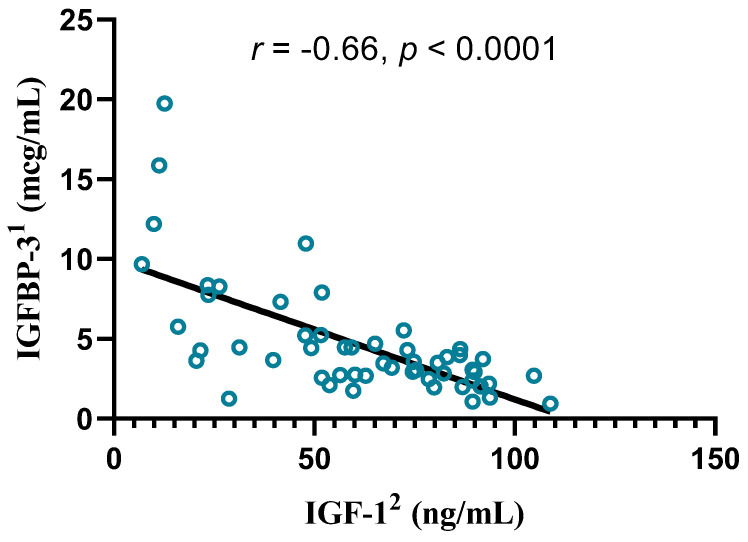
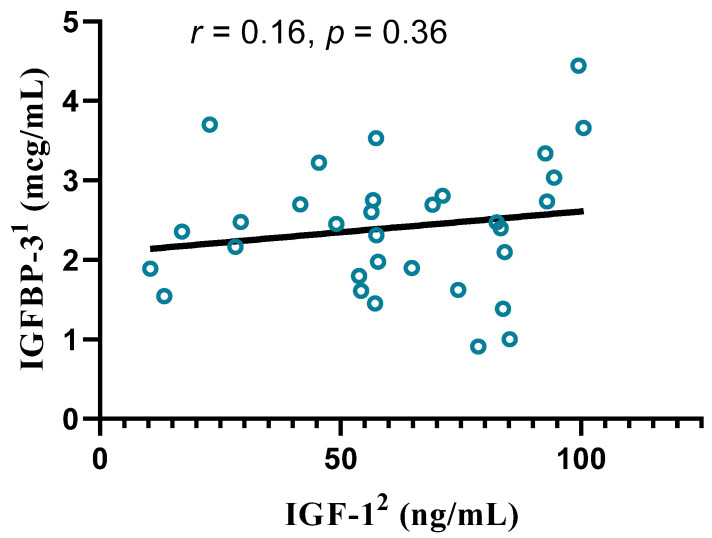
(1) Colorectal cancer is a major cause of cancer-related death, with colorectal adenomas (CRAs) serving as precursors. Identifying risk factors such as vitamin D deficiency and the insulin-like growth factor (IGF) axis is crucial for prevention. (2) This case-control study included 85 participants (53 CRA patients and 32 controls) who underwent colonoscopy. We measured serum vitamin D3 (cholecalciferol), calcidiol (vitamin D metabolite), calcitriol (active vitamin D metabolite), insulin-like growth factor-1 (IGF-1), and insulin-like growth factor binding protein-3 (IGFBP-3) to explore their associations with CRA risk. (3) Results: We found that lower cholecalciferol levels were a significant risk factor for CRA (OR = 4.63, = 0.004). Although no significant differences in calcidiol and calcitriol levels were observed between CRA patients and controls, calcidiol deficiency was common in the study population. IGF-1 levels inversely correlated with age, calcitriol, and IGFBP-3 in CRA patients. (4) This study highlights the potential of lower cholecalciferol levels to detect patients at risk of CRA when calcidiol values cannot, suggesting the importance of evaluating different vitamin D metabolites in cancer prevention research. Our findings underscore the need to further investigate the interactions between calcitriol, the active form of vitamin D, and the IGF axis in colorectal cancer development.
(1)结直肠癌是癌症相关死亡的主要原因,结直肠腺瘤(CRA)是其癌前病变。识别维生素D缺乏和胰岛素样生长因子(IGF)轴等风险因素对预防至关重要。(2)这项病例对照研究纳入了85名接受结肠镜检查的参与者(53例CRA患者和32名对照)。我们测量了血清维生素D3(胆钙化醇)、骨化二醇(维生素D代谢物)、骨化三醇(活性维生素D代谢物)、胰岛素样生长因子-1(IGF-1)和胰岛素样生长因子结合蛋白-3(IGFBP-3),以探讨它们与CRA风险的关联。(3)结果:我们发现较低的胆钙化醇水平是CRA的一个显著风险因素(比值比=4.63,P=0.004)。虽然在CRA患者和对照之间未观察到骨化二醇和骨化三醇水平的显著差异,但骨化二醇缺乏在研究人群中很常见。在CRA患者中,IGF-1水平与年龄、骨化三醇和IGFBP-3呈负相关。(4)本研究强调了当骨化二醇值无法检测时,较低的胆钙化醇水平在检测CRA风险患者方面的潜力,这表明在癌症预防研究中评估不同维生素D代谢物的重要性。我们的研究结果强调了进一步研究骨化三醇(维生素D的活性形式)与IGF轴在结直肠癌发生中的相互作用的必要性。