Division of Psychiatry, Department of Medicine and Surgery, University of Insubria, Viale Luigi Borri 57, 21100 Varese, Italy.
VP Dole Research Group, G. De Lisio Institute of Behavioural Sciences, Via di Pratale 3, 56121 Pisa, Italy.
Int J Environ Res Public Health. 2024 Aug 21;21(8):1105. doi: 10.3390/ijerph21081105.
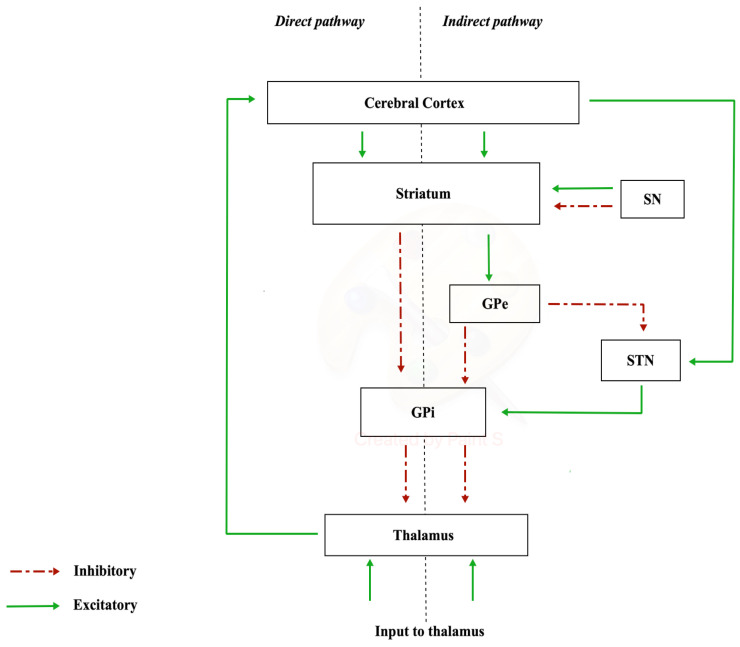
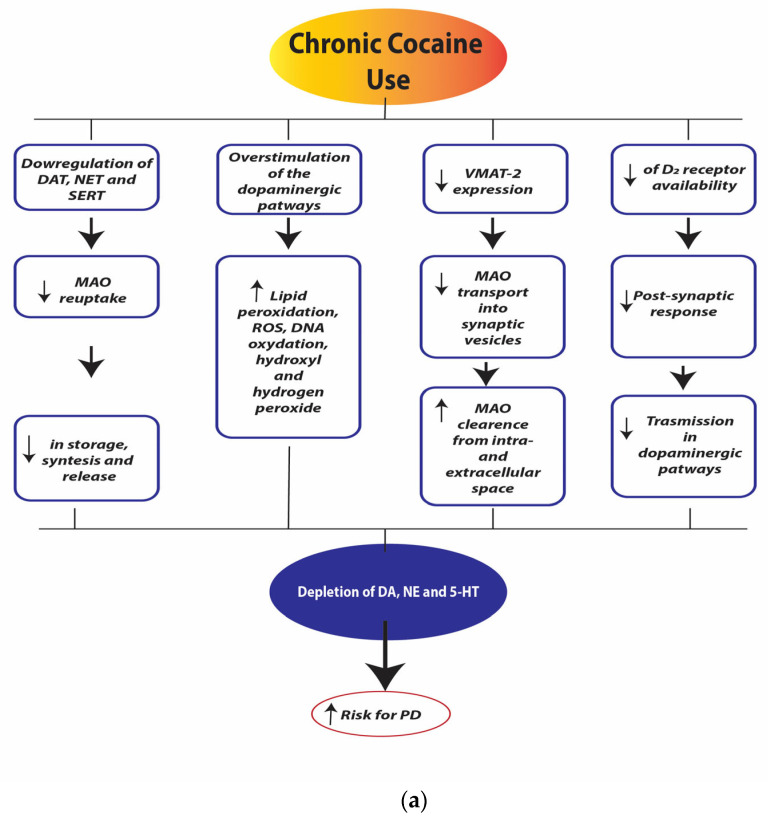
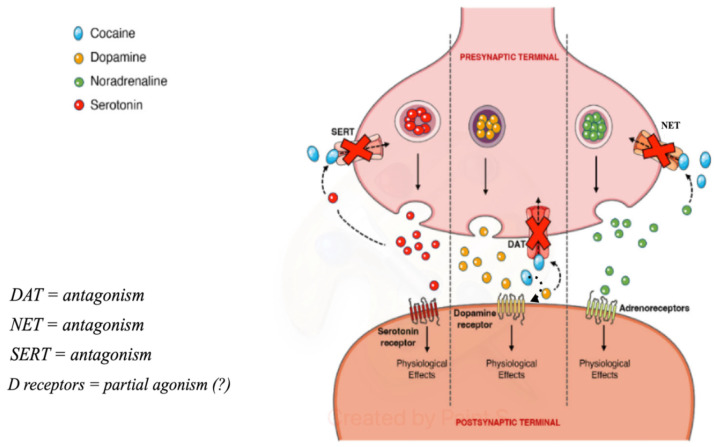
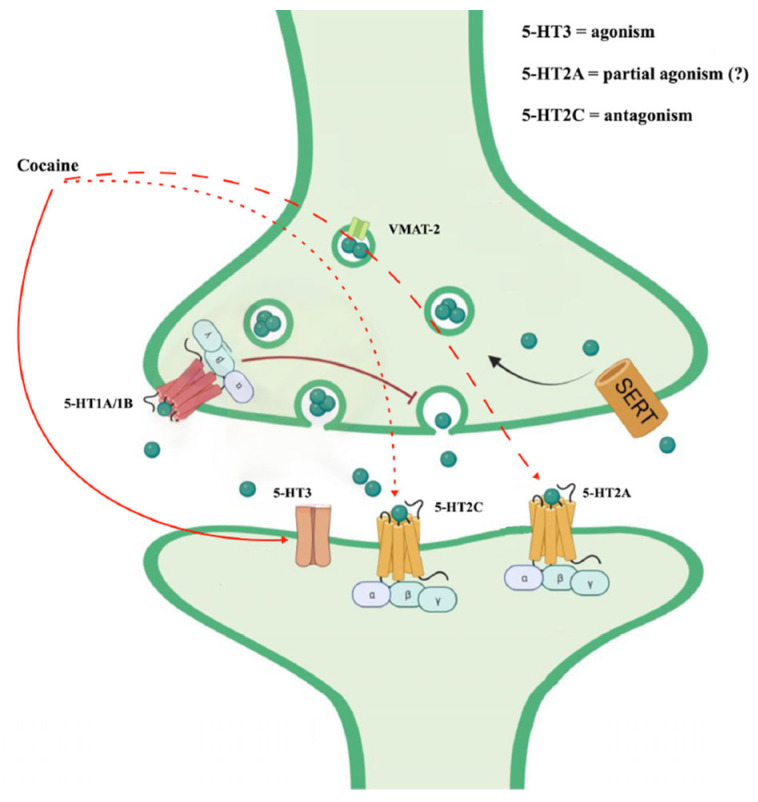
Over the years, the growing "epidemic" spread of cocaine use represents a crucial public health and social problem worldwide. According to the 2023 World Drug Report, 0.4% of the world's population aged 15 to 64 report using cocaine; this number corresponds to approximately 24.6 million cocaine users worldwide and approximately 1 million subjects with cocaine use disorder (CUD). While we specifically know the short-term side effects induced by cocaine, unfortunately, we currently do not have exhaustive information about the medium/long-term side effects of the substance on the body. The scientific literature progressively highlights that the chronic use of cocaine is related to an increase in cardio- and cerebrovascular risk and probably to a greater incidence of psychomotor symptoms and neurodegenerative processes. Several studies have highlighted an increased risk of antipsychotic-induced extrapyramidal symptoms (EPSs) in patients with psychotic spectrum disorders comorbid with psychostimulant abuse. EPSs include movement dysfunction such as dystonia, akathisia, tardive dyskinesia, and characteristic symptoms of Parkinsonism such as rigidity, bradykinesia, and tremor. In the present paper, we propose a model of interpretation of the neurobiological mechanisms underlying the hypothesized increased vulnerability in chronic cocaine abusers to neurodegenerative disorders with psychomotor symptoms. Specifically, we supposed that the chronic administration of cocaine produces significant neurobiological changes, causing a complex dysregulation of various neurotransmitter systems, mainly affecting subcortical structures and the dopaminergic pathways. We believe that a better understanding of these cellular and molecular mechanisms involved in cocaine-induced neuropsychotoxicity may have helpful clinical implications and provide targets for therapeutic intervention.
多年来,可卡因使用的日益“流行”蔓延代表了全球一个重要的公共卫生和社会问题。根据 2023 年世界毒品报告,全球 15 至 64 岁人口中有 0.4%报告使用可卡因;这一数字相当于全球约有 2460 万可卡因使用者和约 100 万可卡因使用障碍(CUD)患者。虽然我们确切地知道可卡因引起的短期副作用,但不幸的是,我们目前没有关于该物质对身体的中/长期副作用的详尽信息。科学文献逐渐强调,慢性使用可卡因与心血管和脑血管风险增加有关,并且可能与更多的精神运动症状和神经退行性过程有关。几项研究强调了在伴有精神兴奋剂滥用的精神病谱障碍患者中,抗精神病药引起的锥体外系症状(EPS)风险增加。EPS 包括运动功能障碍,如肌张力障碍、静坐不能、迟发性运动障碍和帕金森病的特征性症状,如僵硬、运动迟缓震颤。在本文中,我们提出了一个假设,即慢性可卡因滥用者对伴有精神运动症状的神经退行性疾病的易感性增加的神经生物学机制的解释模型。具体来说,我们假设慢性可卡因给药会产生显著的神经生物学变化,导致各种神经递质系统的复杂失调,主要影响皮质下结构和多巴胺能途径。我们相信,更好地了解这些涉及可卡因诱导的神经毒性的细胞和分子机制可能具有有益的临床意义,并为治疗干预提供靶点。