Department of Family Medicine, Faculty of Medicine, Newfoundland and Labrador, Centre for Rural Health Studies, Memorial University of Newfoundland, 300 Prince Philip Dr, St. John's, NL, A1B 3V6, Canada.
Faculty of Medicine, Memorial University of Newfoundland, Newfoundland and Labrador, St. John's, Canada.
BMC Health Serv Res. 2024 Sep 2;24(1):1013. doi: 10.1186/s12913-024-11194-7.
A Learning Health Care Community (LHCC) is a framework to enhance health care through mutual accountability between the health care system and the community. LHCC components include infrastructure for health-related data capture, care improvement targets, a supportive policy environment, and community engagement. The LHCC involves health care providers, researchers, decision-makers, and community members who work to identify health care needs and address them with evidence-based solutions. The objective of this study was to summarize the barriers and enablers to building an LHCC in rural areas.
A systematic review was conducted by searching electronic databases. Eligibility criteria was determined by the research team. Published literature on LHCCs in rural areas was systematically collected and organized. Screening was completed independently by two authors. Detailed information about rural health care, activities, and barriers and enablers to building an LHCC in rural areas was extracted. Qualitative analysis was used to identify core themes.
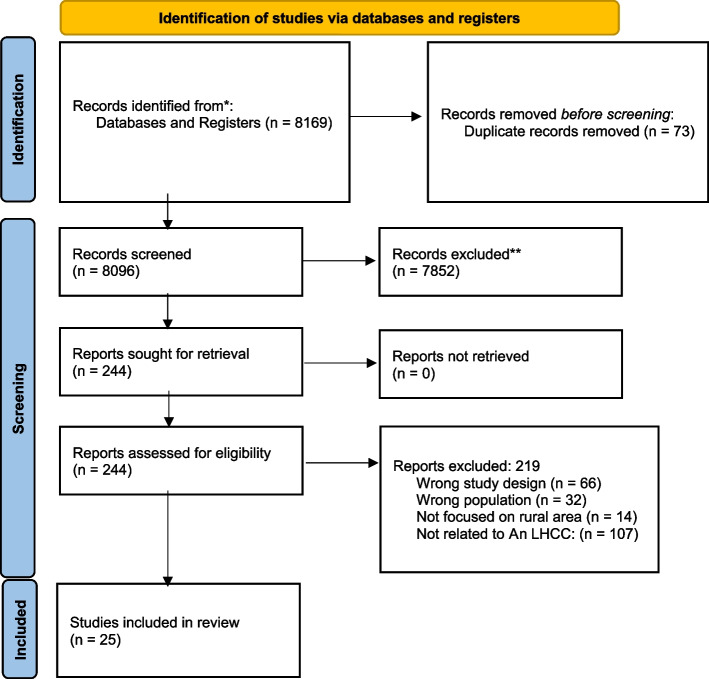
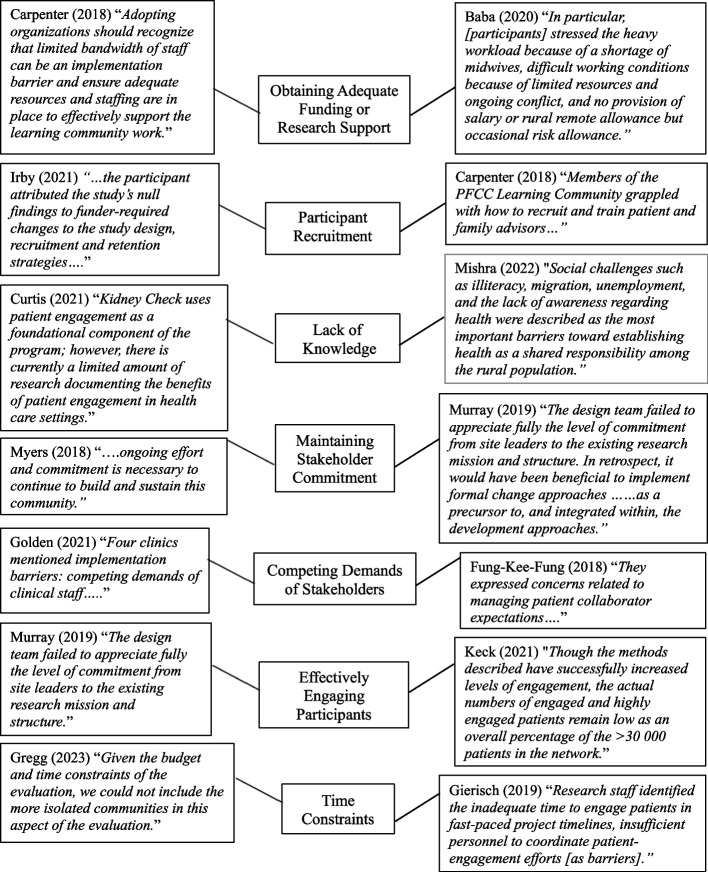
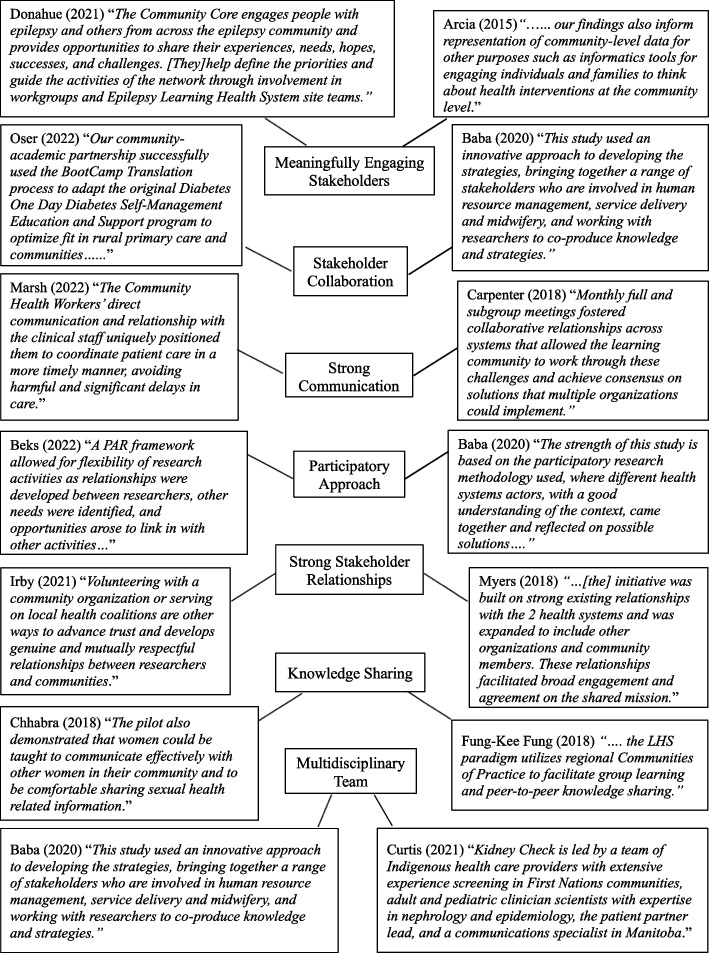
Among 8169 identified articles, 25 were eligible. LHCCs aimed to increase collaboration and co-learning between community members and health care providers, integrate community feedback in health care services, and to share information. Main barriers included obtaining adequate funding and participant recruitment. Enablers included meaningful engagement of stakeholders and stakeholder collaboration.
The LHCC is built on a foundation of meaningful use of health data and empowers health care practitioners and community members in informed decision-making. By reducing the gap between knowledge generation and its application to practice, the LHCC has the potential to transform health care delivery in rural areas.
学习型医疗保健社区(Learning Health Care Community,LHCC)是通过医疗保健系统和社区之间的相互问责制来增强医疗保健的框架。LHCC 的组成部分包括与健康相关的数据采集基础设施、改善护理的目标、支持性政策环境和社区参与。LHCC 涉及医疗保健提供者、研究人员、决策者和社区成员,他们共同努力确定医疗保健需求,并通过循证解决方案来解决这些需求。本研究的目的是总结在农村地区建立 LHCC 的障碍和促进因素。
通过搜索电子数据库进行系统评价。研究小组确定了入选标准。系统地收集和组织了农村地区 LHCC 的已发表文献。两名作者独立完成筛选。提取有关农村医疗保健、活动以及在农村地区建立 LHCC 的障碍和促进因素的详细信息。采用定性分析确定核心主题。
在 8169 篇已识别的文章中,有 25 篇符合入选标准。LHCC 的目的是增加社区成员和医疗保健提供者之间的协作和共同学习,将社区反馈纳入医疗保健服务中,并共享信息。主要障碍包括获得足够的资金和参与者招募。促进因素包括利益相关者的有意义参与和利益相关者的合作。
LHCC 建立在充分利用健康数据的基础上,使医疗保健从业者和社区成员能够在知情决策中发挥作用。通过缩小知识生成与实践应用之间的差距,LHCC 有可能改变农村地区的医疗保健服务提供方式。