Jhaveri Rishiddh, Cannanbilla Lakshmipriya, Bhat K S Arpitha, Sankaran Mahesh, Krishnadas Meghna
CSIR - Centre for Cellular and Molecular Biology Hyderabad India.
Academy of Scientific and Innovative Research (AcSIR) Ghaziabad India.
Ecol Evol. 2024 Sep 1;14(9):e70155. doi: 10.1002/ece3.70155. eCollection 2024 Sep.
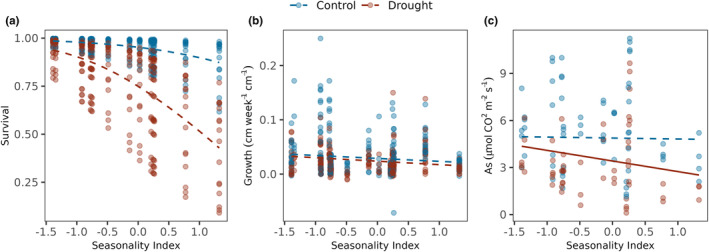
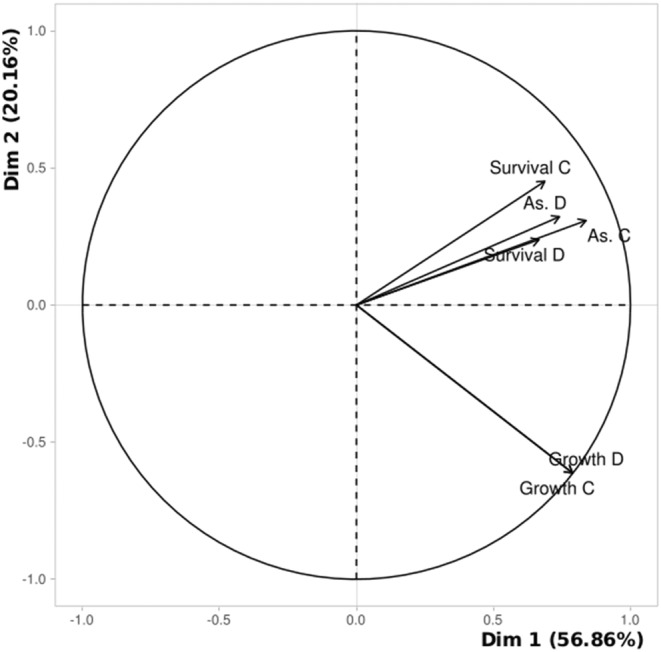
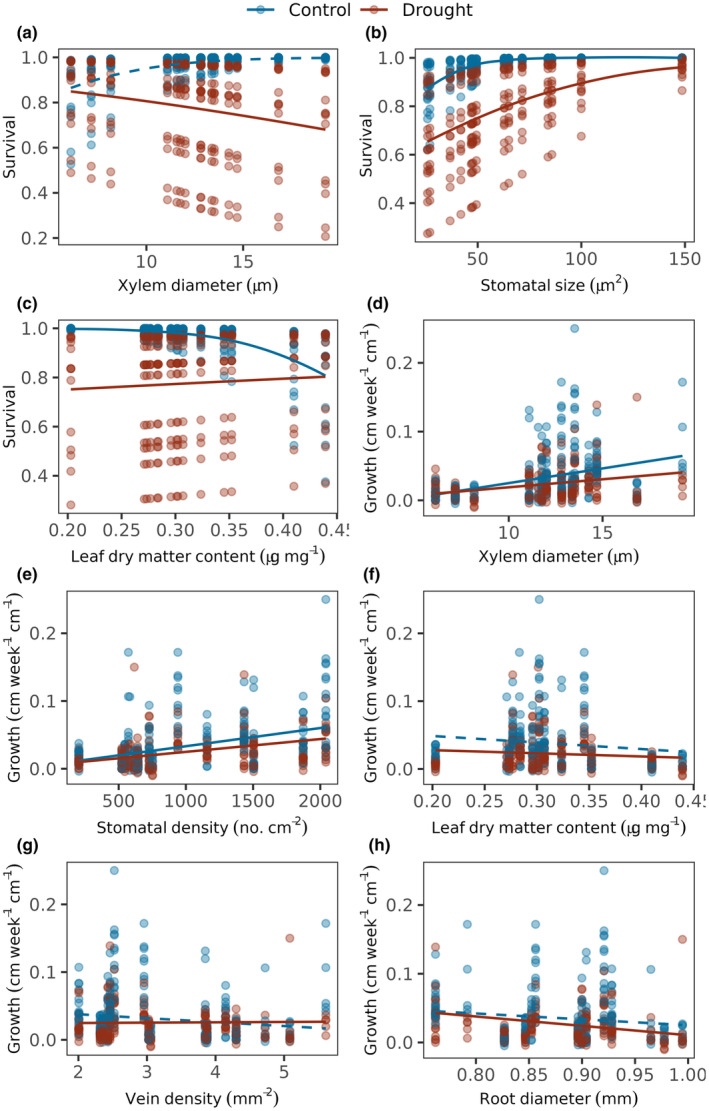
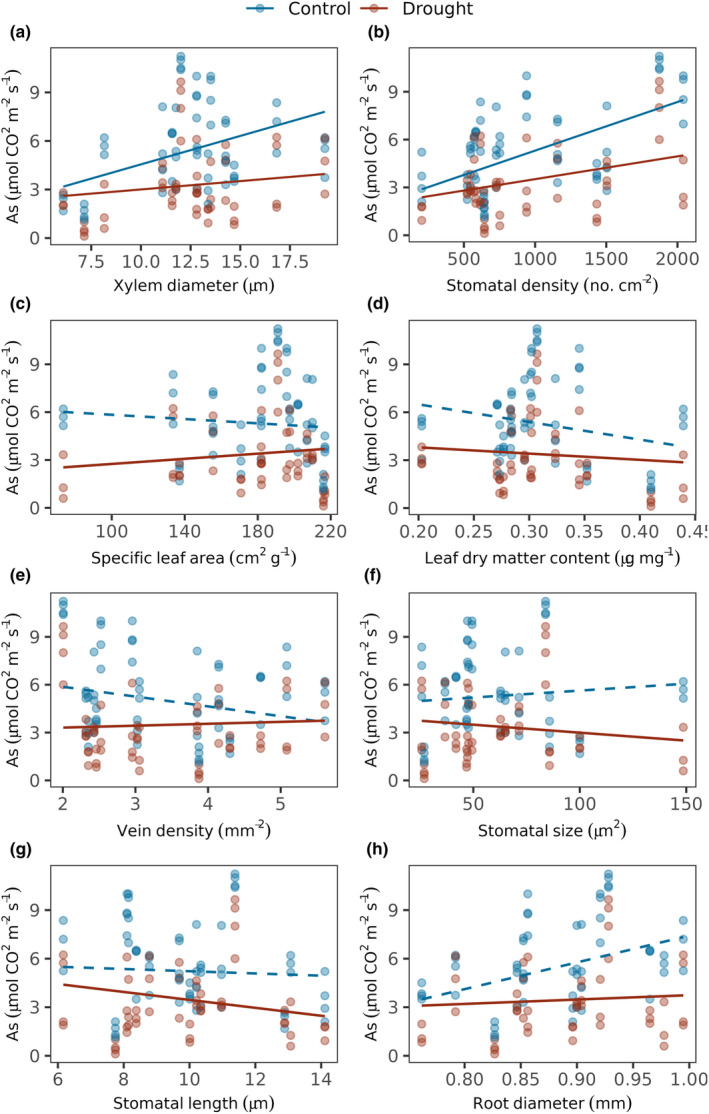
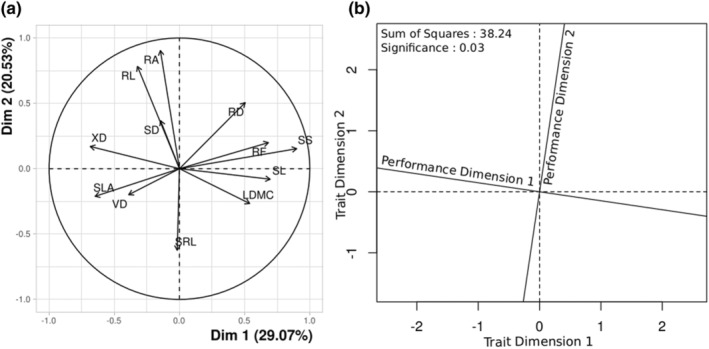
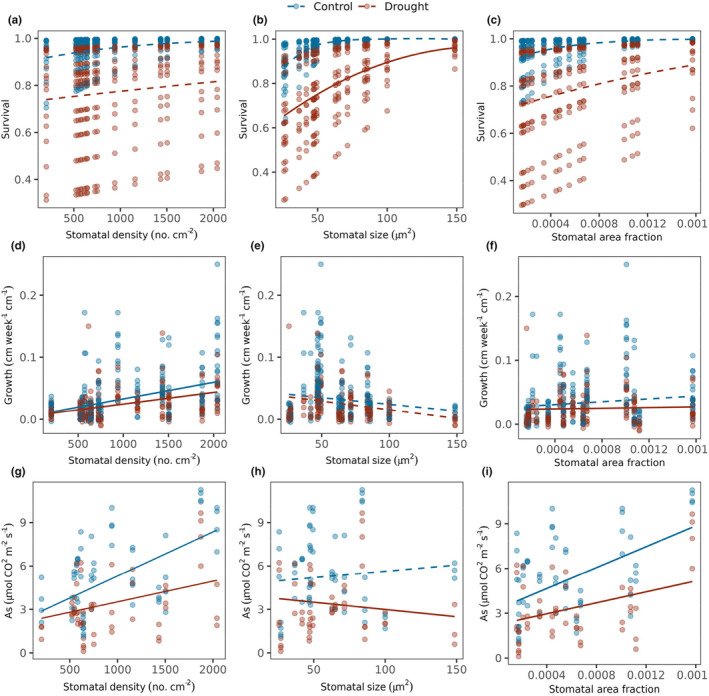
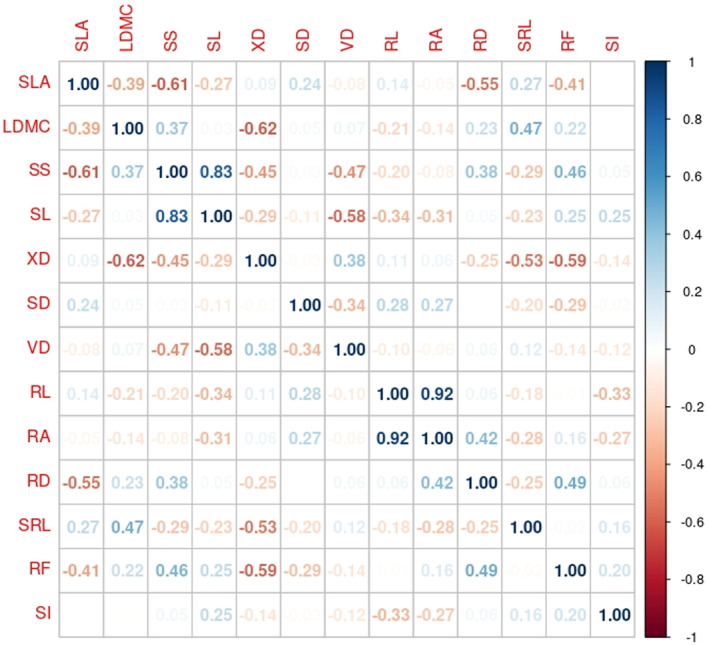
Water availability regulates plant community dynamics but the drought response of seedlings remains poorly known, despite their vulnerability, especially for the Asian tropics. In particular, discerning how functional traits of seedlings mediate drought response can aid generalizable predictions of tree responses to global environmental change. We assessed interspecific variation in drought response explained by above- and below-ground seedling traits. We conducted a dry-down experiment in the greenhouse using 16 tree species from the humid forests of Western Ghats in southern India, chosen to represent differences in affinity to conditions of high and low seasonal drought (seasonality affiliation). We compared survival, growth, and photosynthetic performance under drought and well-watered conditions and assessed the extent to which species' responses were explained by seasonality affiliation and 12 traits of root, stem and leaf. We found that the species from seasonally dry forest reduced photosynthetic rate in drought compared with well-watered conditions, but seasonality affiliation did not explain differences in growth and survival. Performance in drought vs well-watered conditions were best explained by anatomical traits of xylem, veins and stomata. Species with larger xylem reduced their growth and photosynthesis to tolerate desiccation. In drought, species with smaller stomata correlated with lower survival even though photosynthetic activity decreased by a larger extent with larger stomata. Overall, anatomical traits of xylem and stomata, directly related to water transport and gas-exchange, played a more prominent role than commonly used traits (e.g., specific leaf area, leaf dry matter content) in explaining species response to drought, and may offer a good proxy for physiological traits related to drought tolerance of seedlings.
水分有效性调节着植物群落动态,但尽管幼苗易受干旱影响,尤其是在亚洲热带地区,其干旱响应仍鲜为人知。特别是,识别幼苗的功能性状如何介导干旱响应有助于对树木对全球环境变化的响应进行可推广的预测。我们评估了由地上和地下幼苗性状所解释的干旱响应中的种间变异。我们在温室中对来自印度南部西高止山脉湿润森林的16种树木进行了干旱处理实验,这些树种被选来代表对高低季节性干旱条件(季节性归属)的亲和力差异。我们比较了干旱和水分充足条件下的存活率、生长情况和光合性能,并评估了季节性归属以及根、茎和叶的12个性状对物种响应的解释程度。我们发现,与水分充足条件相比,来自季节性干燥森林的物种在干旱条件下光合速率降低,但季节性归属并不能解释生长和存活的差异。干旱与水分充足条件下的表现最好由木质部、叶脉和气孔的解剖性状来解释。木质部较大的物种会降低其生长和光合作用以耐受干燥。在干旱条件下,气孔较小的物种存活率较低,尽管气孔较大时光合活性下降幅度更大。总体而言,与水分运输和气体交换直接相关的木质部和气孔的解剖性状,在解释物种对干旱的响应方面比常用性状(如比叶面积、叶片干物质含量)发挥了更突出的作用,并且可能为与幼苗耐旱性相关的生理性状提供一个良好的替代指标。