Department of Obstetrics and Gynecology, Tokyo Medical University, 6-7-1 Nishi Shinjuku, Shinjuku-ku, Tokyo, 160-0023, Japan.
Department of Obstetrics and Gynecology, Saitama Medical Center, Saitama Medical University, 1981 Kamoda, Kawagoe-shi, Saitama, 350-8550, Japan.
Int J Clin Oncol. 2024 Dec;29(12):1959-1966. doi: 10.1007/s10147-024-02614-z. Epub 2024 Sep 4.
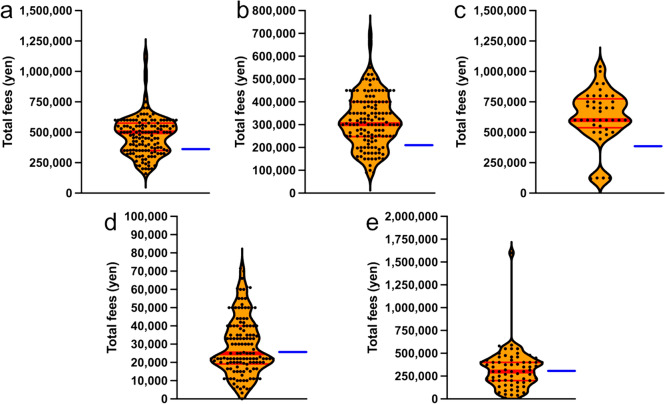
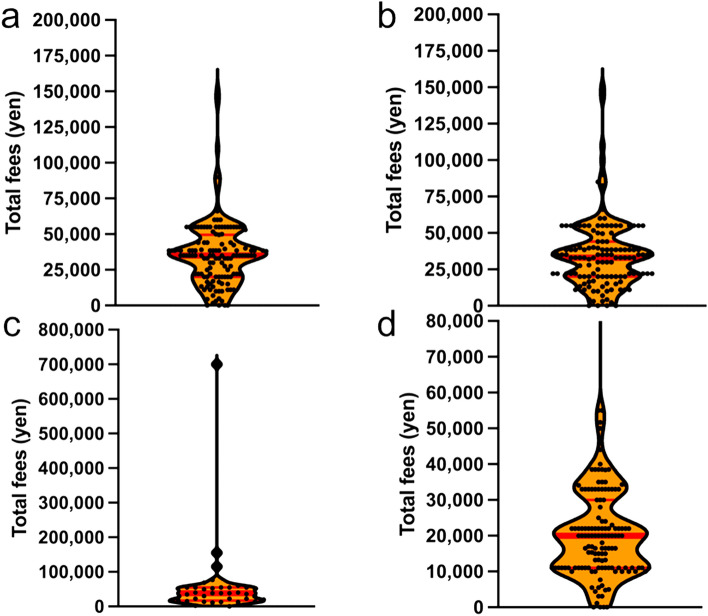
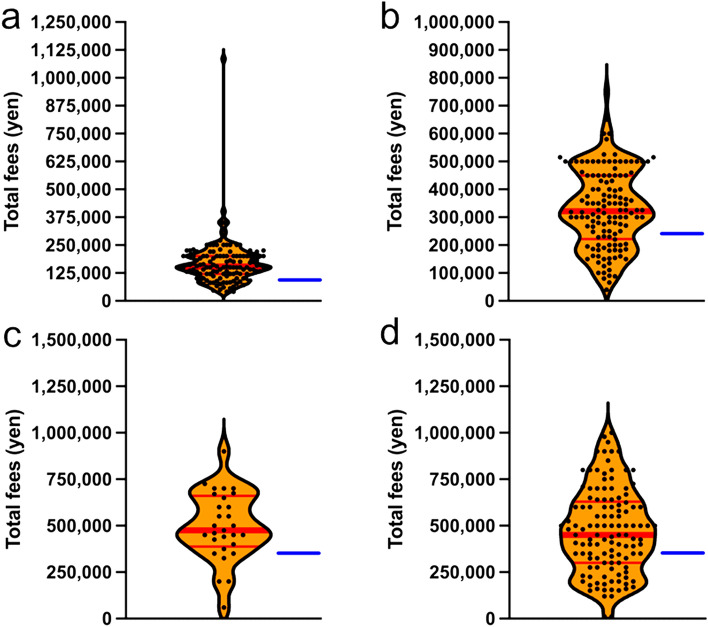
The expenses related to fertility preservation or subsequent assisted reproductive treatments are significant for adolescents and young adult patients in Japan's current healthcare system. With fertility preservation becoming more widespread in developed countries, it is expected that these costs will be covered by insurance or subsidies. It is critical for patients, healthcare providers, and the government to know the costs that patients will be responsible for. In Japan, the costs of fertility preservation and subsequent assisted reproductive technology are not covered by insurance, but patients can apply for subsidies from the local and central governments if certain conditions are met. Presently, the above-mentioned costs, as well as the amount paid by the patient, vary by facility. Therefore, it is essential to ensure patients' continued access to necessary medical care despite the associated costs.
In this study, questionnaires were mailed to 186 certified fertility preservation facilities in Japan to assess patients who had undergone fertility preservation or assisted reproduction. The questionnaires were sent between October 27, 2023 and March 31, 2024, with 140 of the 186 facilities responding (response rate: 75.3%).
Our findings show that approximately one-third of the costs was borne by the patients.
Given these circumstances, sustainable pricing and insurance coverage are necessary for both patients and facilities.
在日本现行的医疗体系下,青少年和年轻成年患者的生育力保存或后续辅助生殖治疗费用较高。随着生育力保存在发达国家的普及,预计这些费用将由保险或补贴来支付。患者、医疗服务提供者和政府都需要了解患者将承担的费用。在日本,生育力保存和后续辅助生殖技术的费用不包括在保险范围内,但如果符合某些条件,患者可以向地方和中央政府申请补贴。目前,上述费用以及患者支付的费用因机构而异。因此,尽管存在相关费用,但仍有必要确保患者能够继续获得必要的医疗服务。
本研究向日本 186 家经认证的生育力保存机构邮寄了问卷,以评估接受生育力保存或辅助生殖的患者。问卷于 2023 年 10 月 27 日至 2024 年 3 月 31 日之间发送,其中 140 家机构做出了回应(回应率:75.3%)。
我们的研究结果表明,大约三分之一的费用由患者承担。
鉴于这种情况,患者和医疗机构都需要可持续的定价和保险覆盖。