Okobi Okelue E, Ayo-Farai Oluwatoyin, Tran My, Ibeneme Chidalu, Ihezie Cosmas O, Ezie Oboatarhe B, Adeakin-Dada Tinuade O
Family Medicine, Larkin Community Hospital, Miami, USA.
Family Medicine, Medficient Health Systems, Laurel, USA.
Cureus. 2024 Aug 6;16(8):e66323. doi: 10.7759/cureus.66323. eCollection 2024 Aug.
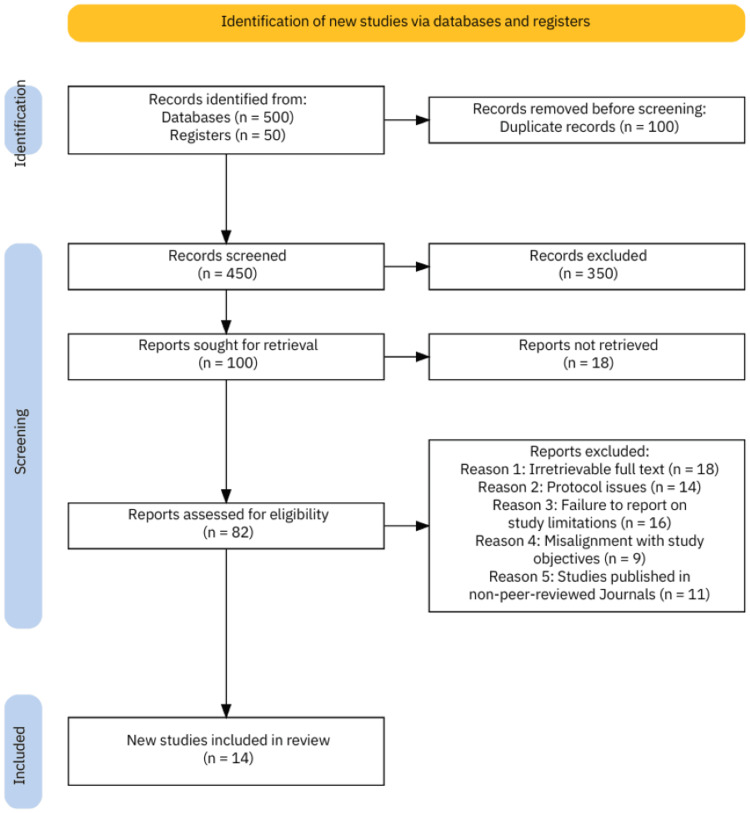
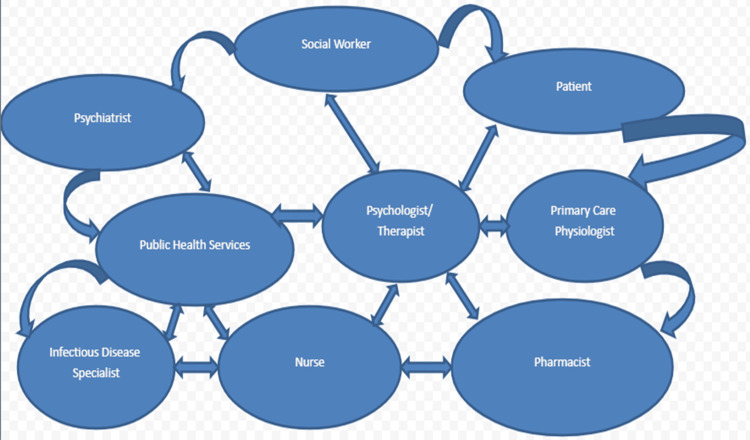
The complex connection between some infectious illnesses and some psychiatric disorders is an important area of study, with infections known to cause a diverse range of psychiatric symptoms. This association poses significant challenges for physicians in differentiating between mental illnesses induced by infections and those stemming from underlying psychiatric conditions. This study systematically synthesizes literature from various databases that explain the relationship between certain infectious diseases and specific psychiatric disorders. The systematic review explores mechanisms such as neuroinflammation, direct central nervous system (CNS) infection, and the interaction between the immune system and psychiatric conditions. The study examines various infectious pathogens, including viruses, bacteria, parasites, prion diseases, and fungi. An analysis of these findings is presented in the study's discussion section, along with a review of therapeutic methods such as drug use and psychological treatment. The review emphasizes the need for multidisciplinary teamwork and thorough clinical examinations in managing psychiatric symptoms caused by infections. It also highlights the significant role of public health measures in mitigating the impact of psychiatric diseases related to infectious illnesses. The study finds that current therapeutic methods include pharmacological and psychological treatments, which can effectively manage these conditions. The study has concluded that psychiatric manifestations are prevalent across various infectious diseases, including those caused by viruses, bacteria, parasites, and fungi. Key mechanisms identified include neuroinflammation, direct infection of the CNS, and the immuno-psychiatric interface, all of which contribute to the development of psychiatric symptoms. The future of managing these complex conditions lies in a comprehensive approach that combines clinical, therapeutic, and public health strategies.
一些传染病与某些精神障碍之间的复杂联系是一个重要的研究领域,已知感染会引发各种各样的精神症状。这种关联给医生区分由感染引起的精神疾病和由潜在精神状况引起的精神疾病带来了重大挑战。本研究系统地综合了来自各种数据库的文献,这些文献解释了某些传染病与特定精神障碍之间的关系。该系统综述探讨了神经炎症、中枢神经系统(CNS)直接感染以及免疫系统与精神状况之间的相互作用等机制。该研究考察了各种传染性病原体,包括病毒、细菌、寄生虫、朊病毒病和真菌。研究的讨论部分呈现了对这些发现的分析,以及对药物使用和心理治疗等治疗方法的综述。该综述强调在管理由感染引起的精神症状时需要多学科团队合作和全面的临床检查。它还强调了公共卫生措施在减轻与传染病相关的精神疾病影响方面的重要作用。研究发现,目前的治疗方法包括药物治疗和心理治疗,这些方法可以有效控制这些状况。该研究得出结论,精神表现普遍存在于各种传染病中,包括由病毒、细菌、寄生虫和真菌引起的传染病。确定的关键机制包括神经炎症、中枢神经系统的直接感染以及免疫 - 精神界面,所有这些都促成了精神症状的发展。管理这些复杂状况的未来在于一种结合临床、治疗和公共卫生策略的综合方法。