Alam Md Nur-E, Deowan Shamim Ahmed, Efty Shakil Shahriar, Chowdhury Fariha, Haque Milon Ahsanul, Nurnabi Mohammad
Department of Applied Chemistry and Chemical Engineering, University of Dhaka, Dhaka, 1000, Bangladesh.
Leather Research Institute (LRI), Bangladesh Council of Scientific and Industrial Research (BCSIR), Savar, Dhaka, 1350, Bangladesh.
Heliyon. 2024 Aug 16;10(16):e36215. doi: 10.1016/j.heliyon.2024.e36215. eCollection 2024 Aug 30.
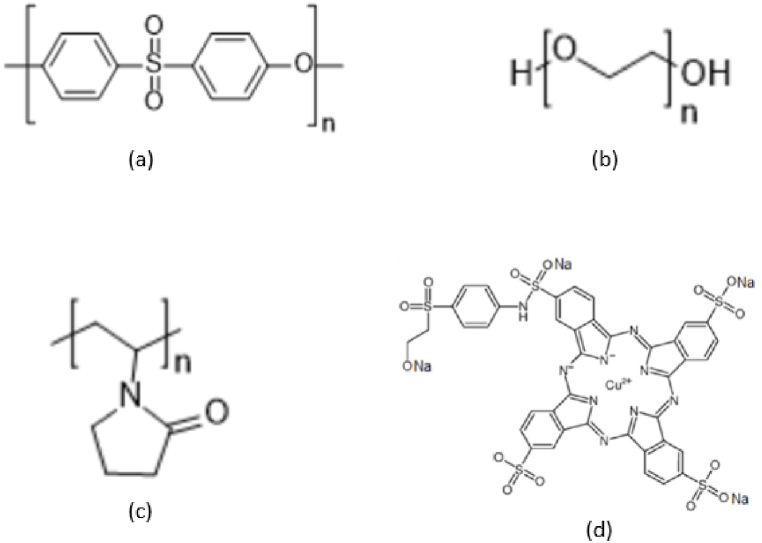
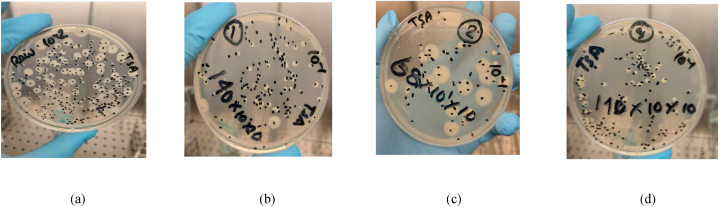
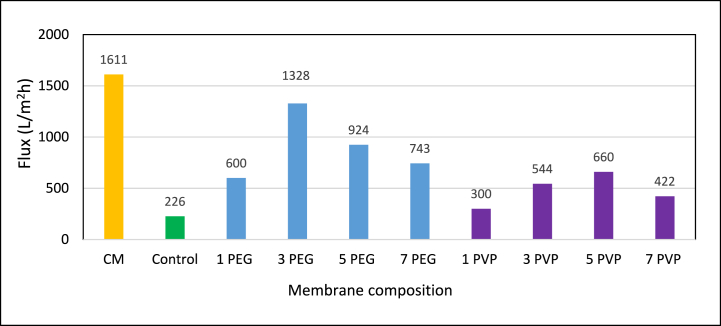
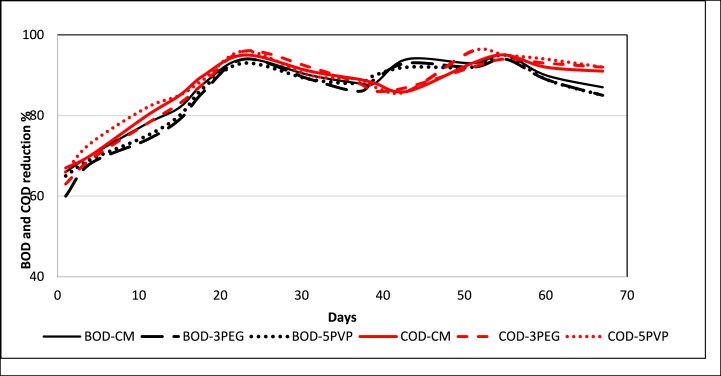
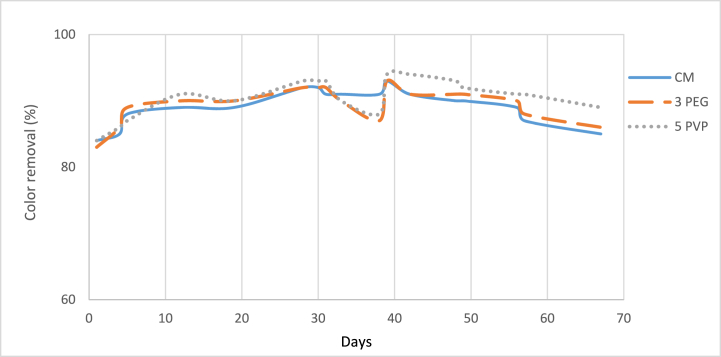
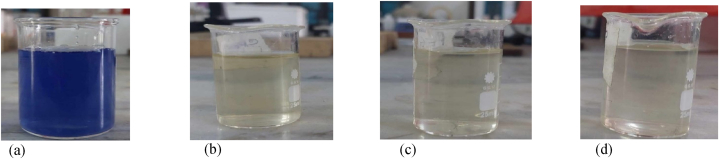
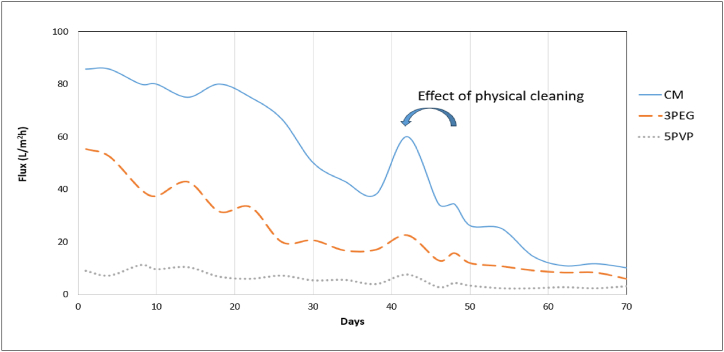
Various industries polluting the water bodies by discharging untreated wastewater directly into the environment and conventional wastewater treatments are often insufficient for effectively treating the pollutants. However, membrane bioreactors (MBRs) offer a promising solution for wastewater treatment where membrane serving as the heart of the system. In this study, polyethersulfone (PES) was used as the membrane material and hydrophilicity of the membranes were tuned up by mixing with hydrophilic additives such as polyethylene glycol (PEG) and polyvinylpyrrolidone (PVP) and the membranes have shown promising results in treating wastewater, particularly in terms of chemical oxygen demand (COD), biochemical oxygen demand (BOD), and color removal. For example, PES-PEG membrane demonstrated COD, BOD, and color removal of 96 %, 94 %, and 92 %, respectively while those were 95 %, 94 %, and 92 %, respectively for PES-based commercial membrane. Although the performances of fabricated membranes were comparable to that of commercial membrane in COD, BOD, and color removal efficiencies, there is room for improvement in permeate yields. Notably, the average permeate efficiency for MBR modules produced with PES-3PEG and PES-5PVP membranes was recorded as 47 % (18 L/mh) and 13 % (5 L/mh) respectively of the commercial membrane (38 L/mh). Despite the variance in permeate yields, the fabricated membranes also showcased significant efficacy in removing microorganisms, a crucial aspect of wastewater treatment. Their performance in this regard proved highly comparable to that of the commercial membrane, emphasizing the potential of these fabricated membranes in enhancing the wastewater treatment.
各行各业通过直接向环境中排放未经处理的废水来污染水体,而传统的废水处理方法往往不足以有效处理污染物。然而,膜生物反应器(MBR)为废水处理提供了一个有前景的解决方案,其中膜是系统的核心。在本研究中,聚醚砜(PES)被用作膜材料,通过与聚乙二醇(PEG)和聚乙烯吡咯烷酮(PVP)等亲水性添加剂混合来调节膜的亲水性,这些膜在废水处理方面显示出了有前景的结果,特别是在化学需氧量(COD)、生化需氧量(BOD)和脱色方面。例如,PES-PEG膜的COD、BOD和脱色率分别为96%、94%和92%,而基于PES的商业膜的相应数值分别为95%、94%和92%。尽管所制备膜在COD、BOD和脱色效率方面的性能与商业膜相当,但在渗透通量方面仍有改进空间。值得注意的是,用PES-3PEG和PES-5PVP膜生产的MBR组件的平均渗透效率分别记录为商业膜(38 L/mh)的47%(18 L/mh)和13%(5 L/mh)。尽管渗透通量存在差异,但所制备的膜在去除微生物方面也显示出显著效果,这是废水处理的一个关键方面。它们在这方面的性能被证明与商业膜高度可比,强调了这些所制备膜在加强废水处理方面的潜力。