Zhou Yangyu, Huang Yemei, Yang Chen, Zang Xuelei, Deng Hengyu, Liu Jing, Zhao Enqi, Tian Tingyue, Pan Lei, Xue Xinying
Department of Respiratory and Critical Care, Emergency and Critical Care Medical Center, Beijing Shijitan Hospital, Capital Medical University, Beijing, China.
Department of Respiratory and Critical Care, Weifang Medical College, Weifang, China.
Mycology. 2024 Feb 14;15(3):345-359. doi: 10.1080/21501203.2023.2295409. eCollection 2024.
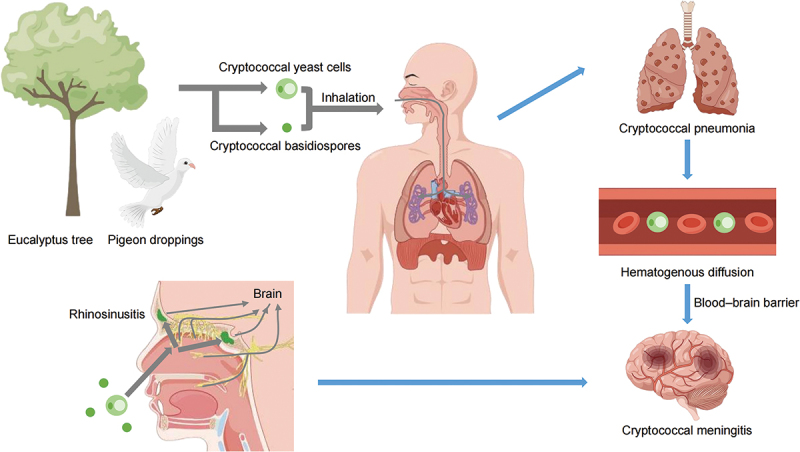
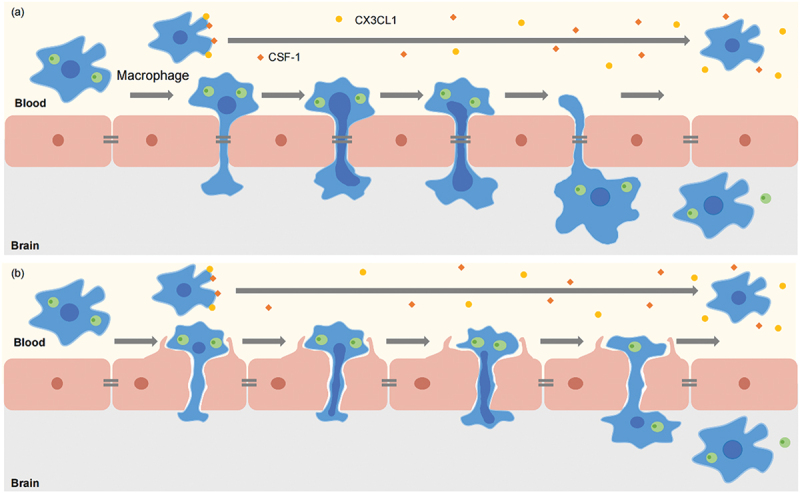
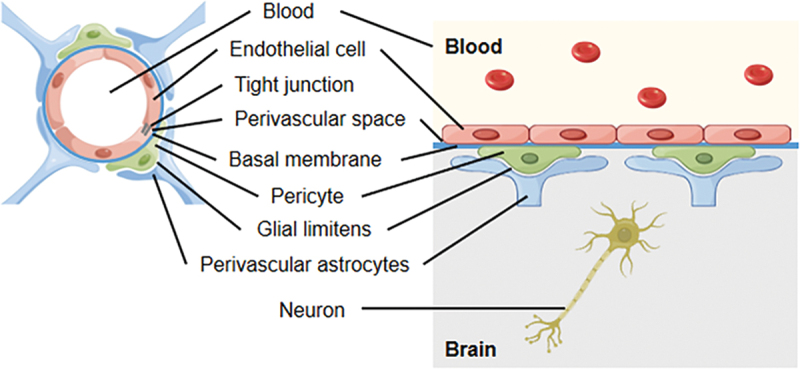
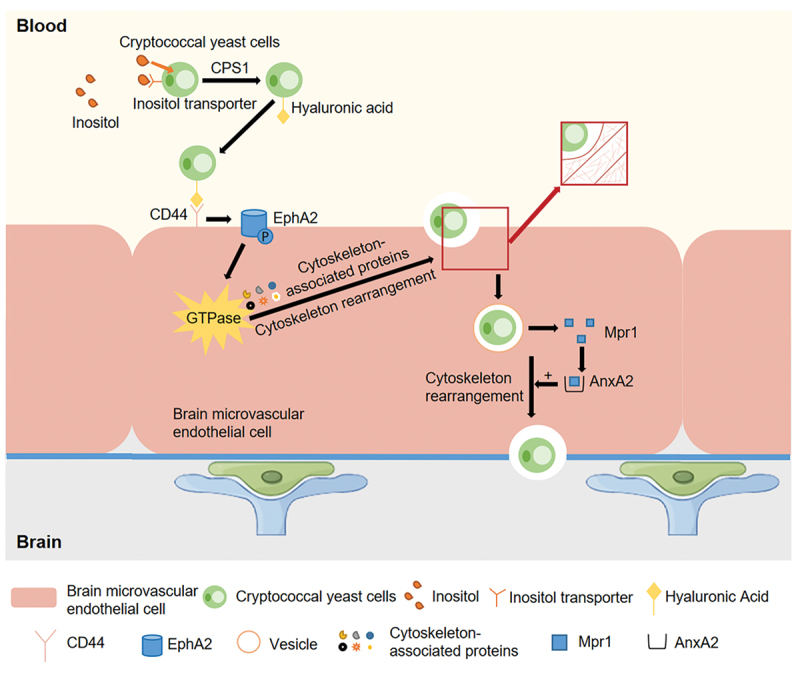
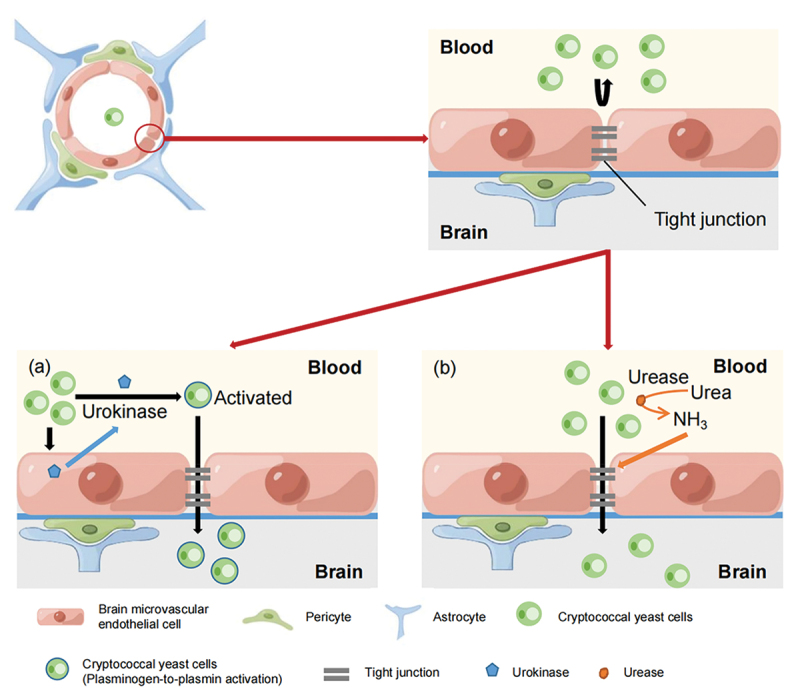
Generally, initially infects the respiratory tract, but can spread, eventually crossing the blood-brain barrier (BBB) and causing meningitis or meningoencephalitis. Specifically, invades the vascular endothelial cells of the BBB, from which it enters the brain. The main mechanisms through which crosses the BBB are transcellular traversal, the paracellular pathway, and via Trojan horse. In this paper, the mechanisms by which crosses the BBB were explained in detail. In addition to pathways of entry to the brain, this paper presents a discussion on some rare cryptococcal infections and provides some insights for future research directions.
一般来说,[病原体名称]最初感染呼吸道,但可扩散,最终穿过血脑屏障(BBB)并引起脑膜炎或脑膜脑炎。具体而言,[病原体名称]侵入血脑屏障的血管内皮细胞,由此进入大脑。[病原体名称]穿过血脑屏障的主要机制是跨细胞穿越、细胞旁途径和通过特洛伊木马机制。本文详细解释了[病原体名称]穿过血脑屏障的机制。除了进入大脑的途径外,本文还讨论了一些罕见的隐球菌感染,并为未来的研究方向提供了一些见解。