Cabral Ronny Peterson, Ribeiro Ana Paula Dantas, Monte Marina Gaiato, Fujimori Anderson Seiji Soares, Tonon Carolina Rodrigues, Ferreira Natalia Fernanda, Zanatti Silmeia Garcia, Minicucci Marcos Ferreira, Zornoff Leonardo Antonio Mamede, Paiva Sergio Alberto Rupp de, Polegato Bertha Furlan
Botucatu Bioscience Institute, São Paulo State University (Unesp), Brazil.
Botucatu Medical School, São Paulo State University (Unesp), Brazil.
Heliyon. 2024 Aug 23;10(17):e36834. doi: 10.1016/j.heliyon.2024.e36834. eCollection 2024 Sep 15.
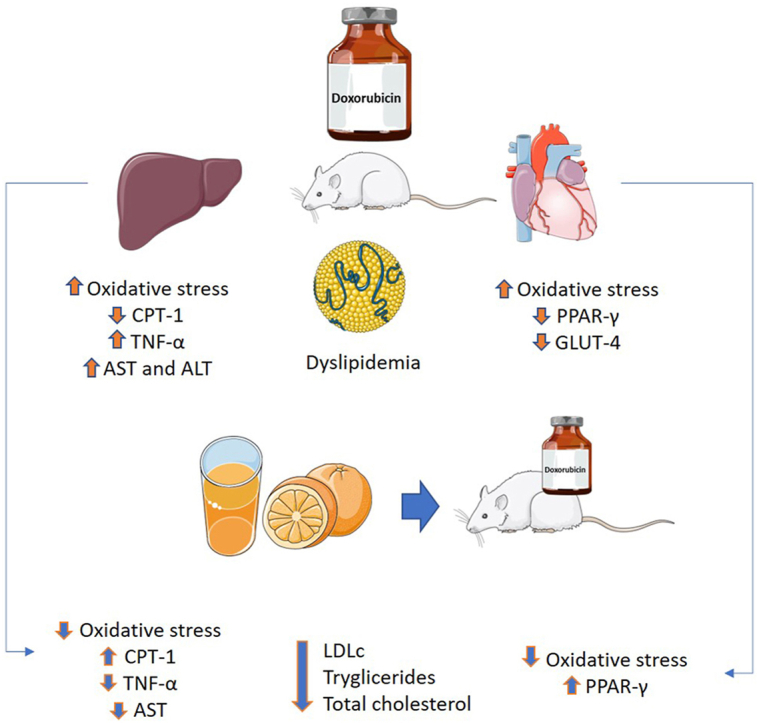
Doxorubicin (DOX) is a highly effective chemotherapy drug widely used to treat cancer, but its use is limited due to multisystemic toxicity. Lipid metabolism is also affected by doxorubicin. Orange juice can reduce dyslipidemia in other clinical situations and has already been shown to attenuate cardiotoxicity. Our aim is to evaluate the effects of Pera orange juice ( L. ) on mitigating lipid metabolism imbalance, metabolic pathways, and DOX induced cytotoxic effects in the heart and liver.
Twenty-four male Wistar rats were allocated into 3 groups: Control (C); DOX (D); and DOX plus Pera orange juice (DOJ). DOJ received orange juice for 4 weeks, while C and D received water. At the end of each week, D and DOJ groups received 4 mg/kg/week DOX, intraperitoneal. At the end of 4 weeks animals were submitted to echocardiography and euthanasia.
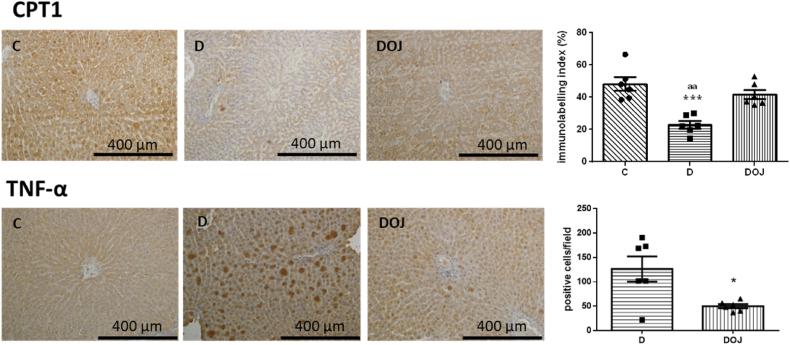
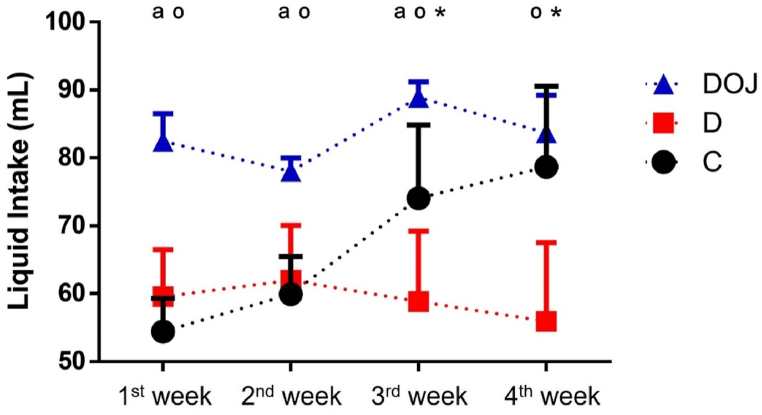
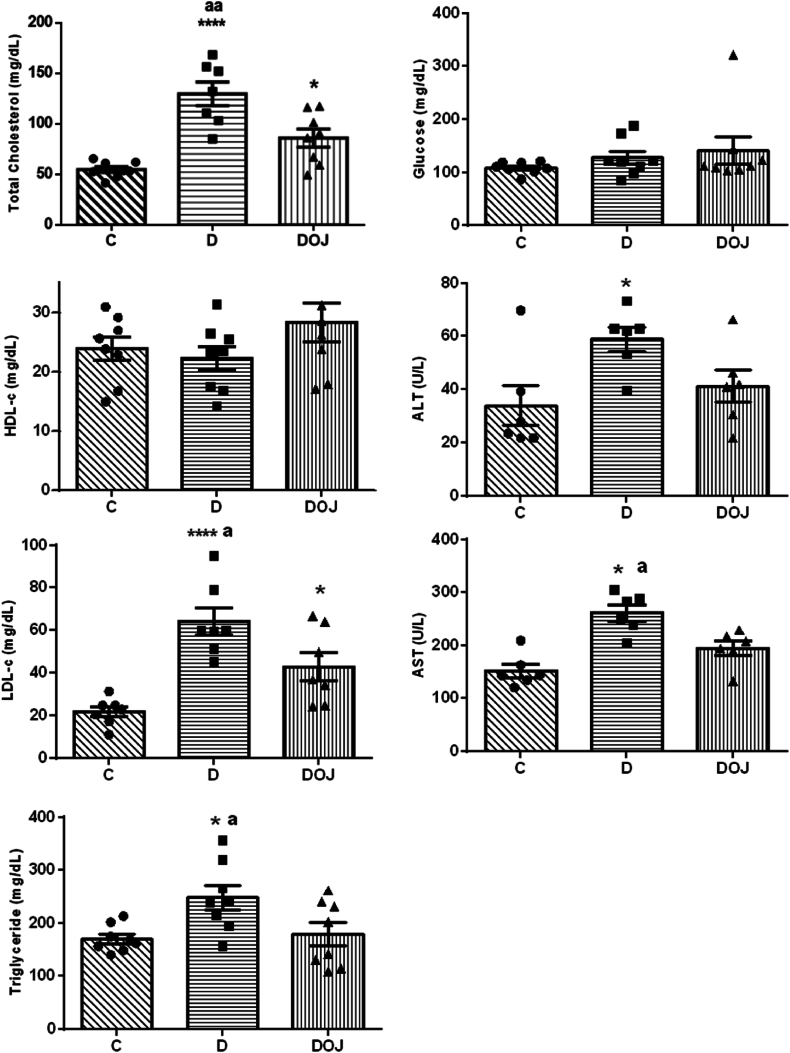
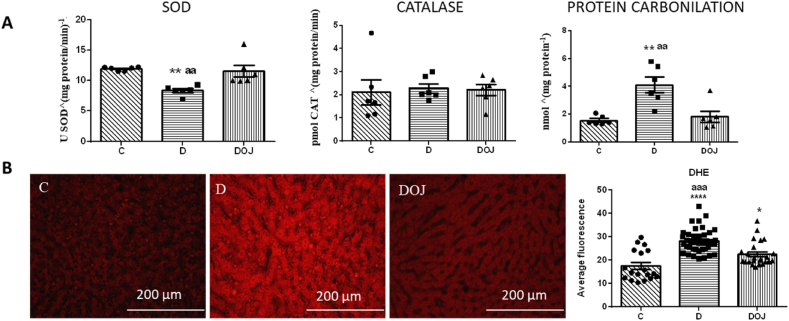
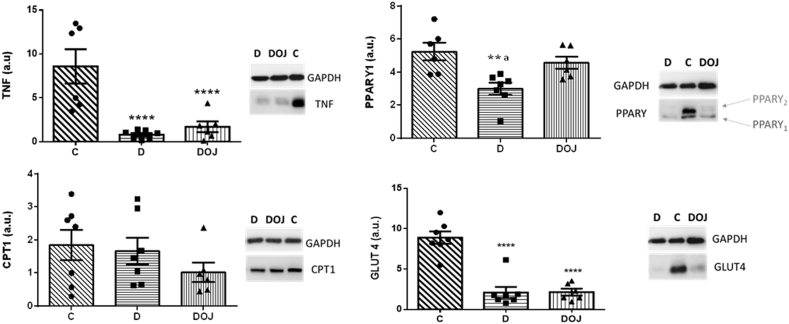
Animals treated with DOX decreased water intake and lost weight over time. At echocardiography, DOX treated rats presented morphologic alterations in the heart. DOX increased aspartate aminotransferase (AST), alanine aminotransferase (ALT), total cholesterol, high density lipoprotein (HDL), low-density lipoprotein (LDL), and triglycerides. It also reduced superoxide dismutase (SOD) activity, increased protein carbonylation in the heart and dihydroethidium (DHE) expression in the liver, decreased glucose transporter type 4 (GLUT4) and the nuclear receptor peroxisome proliferator-activated receptor γ (PPARγ) in the heart, and reduced carnitine palmitoyltransferase I (CPT1) in the liver.
DOX caused dyslipidemia, liver and cardiac toxicity by increasing oxidative stress, and altered energy metabolic parameters in both organs. Despite not improving changes in left ventricular morphology, orange juice did attenuate oxidative stress and mitigate the metabolic effects of DOX.
阿霉素(DOX)是一种广泛用于治疗癌症的高效化疗药物,但由于其多系统毒性,其应用受到限制。脂质代谢也会受到阿霉素的影响。橙汁可以减轻其他临床情况下的血脂异常,并且已经显示出可减轻心脏毒性。我们的目的是评估佩拉橙汁(L.)对减轻脂质代谢失衡、代谢途径以及阿霉素诱导的心脏和肝脏细胞毒性作用的影响。
将24只雄性Wistar大鼠分为3组:对照组(C);阿霉素组(D);阿霉素加佩拉橙汁组(DOJ)。DOJ组接受橙汁4周,而C组和D组接受水。在每周结束时,D组和DOJ组腹腔注射4mg/kg/周的阿霉素。4周结束时,对动物进行超声心动图检查并实施安乐死。
用阿霉素治疗的动物随着时间的推移饮水量减少且体重减轻。在超声心动图检查中,接受阿霉素治疗的大鼠心脏出现形态学改变。阿霉素使天冬氨酸转氨酶(AST)、丙氨酸转氨酶(ALT)、总胆固醇、高密度脂蛋白(HDL)、低密度脂蛋白(LDL)和甘油三酯升高。它还降低了超氧化物歧化酶(SOD)活性,增加了心脏中的蛋白质羰基化以及肝脏中的二氢乙锭(DHE)表达,降低了心脏中葡萄糖转运蛋白4(GLUT4)和核受体过氧化物酶体增殖物激活受体γ(PPARγ)的水平,并降低了肝脏中的肉碱棕榈酰转移酶I(CPT1)。
阿霉素通过增加氧化应激导致血脂异常、肝脏和心脏毒性,并改变了两个器官的能量代谢参数。尽管橙汁未能改善左心室形态的变化,但它确实减轻了氧化应激并减轻了阿霉素的代谢作用。