Zhang Chu, Wang Gui, Yin Xin, Gou Lingshan, Guo Mengyuan, Suo Feng, Zhuang Tao, Yuan Zhenya, Liu Yanan, Gu Maosheng, Yao Ruiqin
Xuzhou Key Laboratory of Neurobiology, Department of Cell Biology and Neurobiology, Xuzhou Medical University, Xuzhou, Jiangsu, 221004, China.
Department of Genetic Medicine, Xuzhou Maternity and Child Health Care Hospital Affiliated to Xuzhou Medical University, Xuzhou, Jiangsu, 221009, China.
J Pharm Anal. 2024 Aug;14(8):100976. doi: 10.1016/j.jpha.2024.100976. Epub 2024 Apr 11.
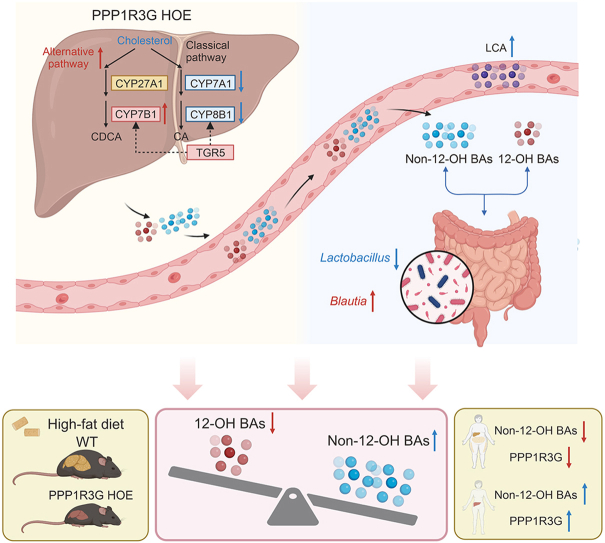
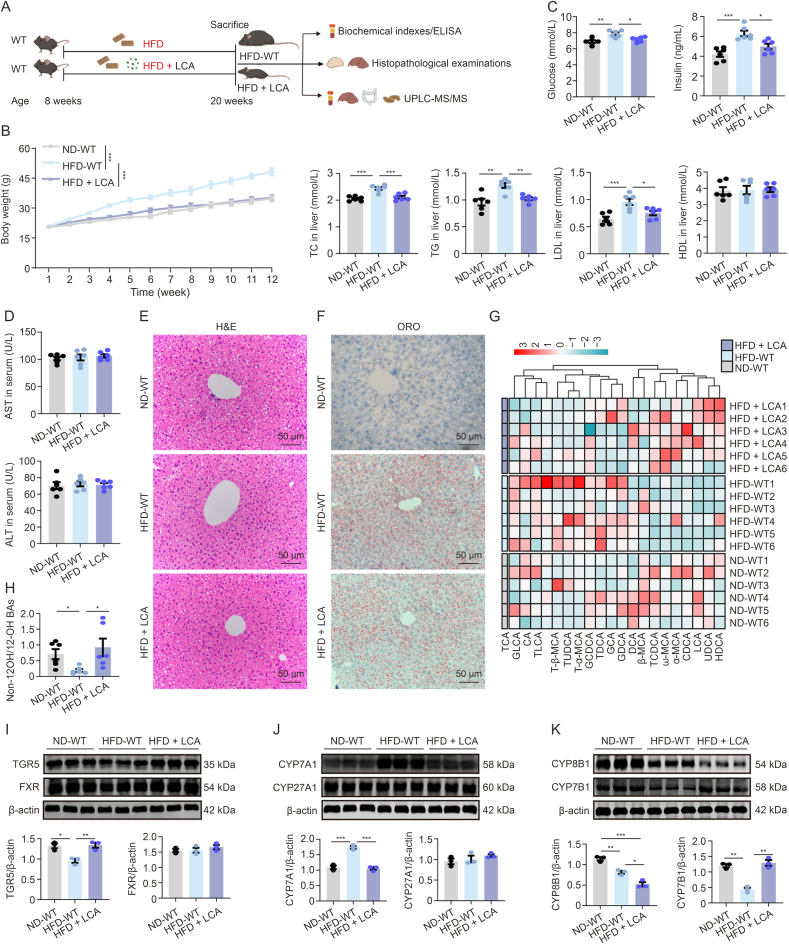
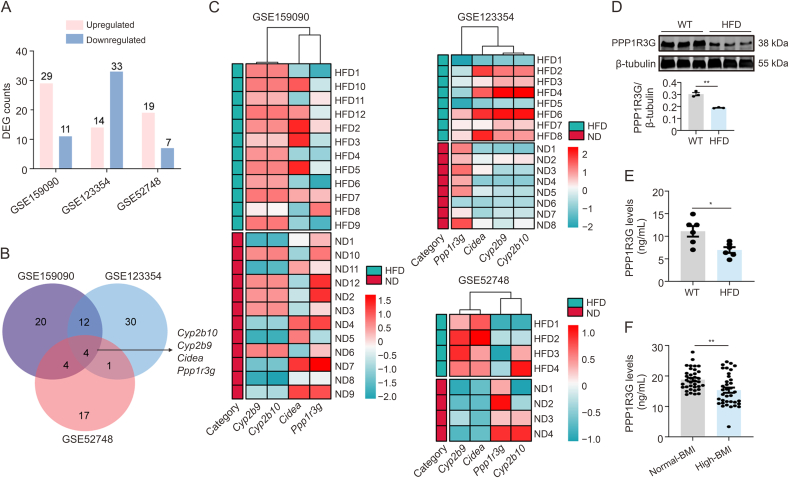
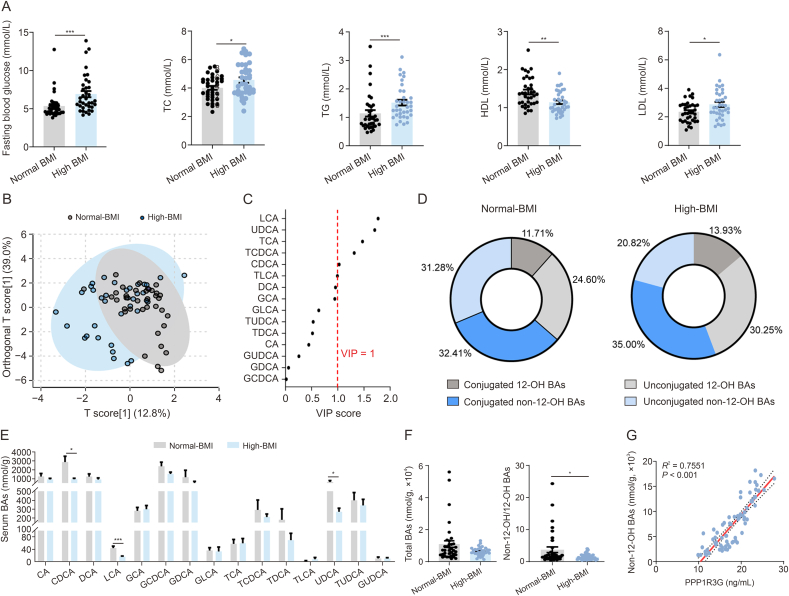
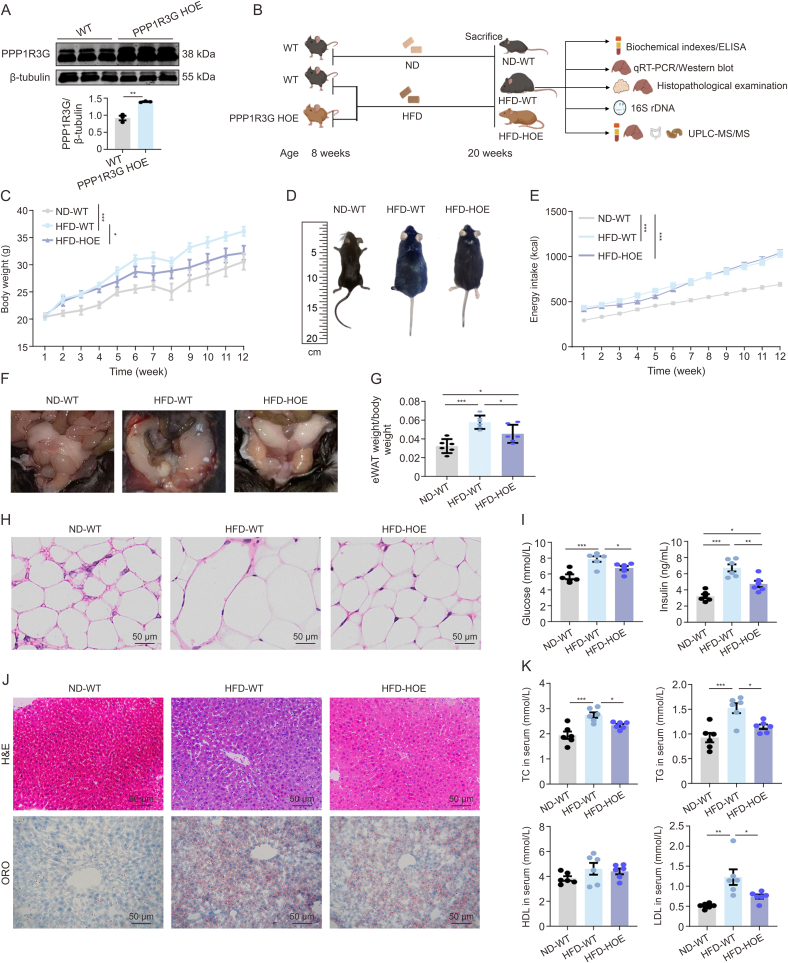
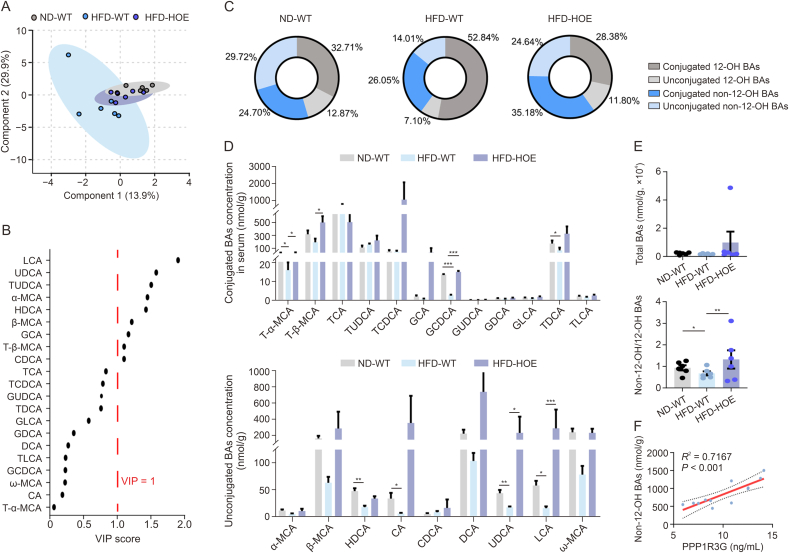
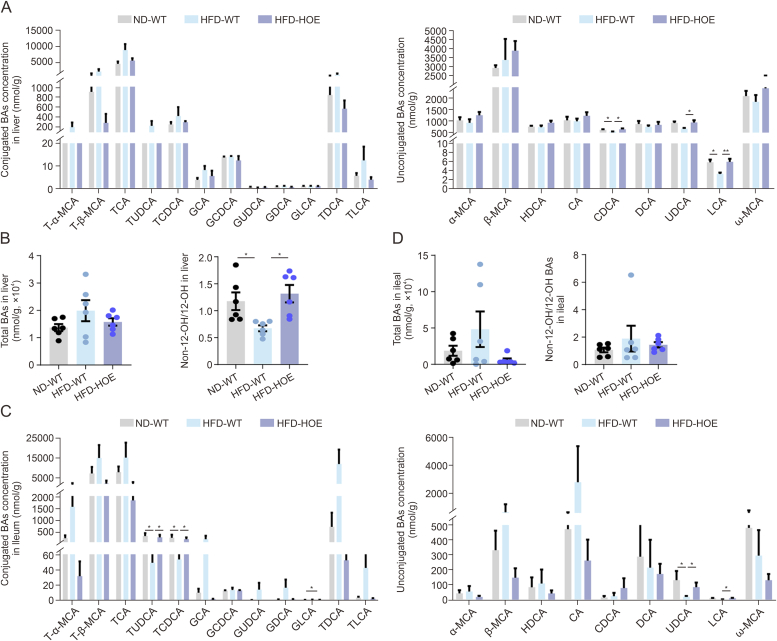
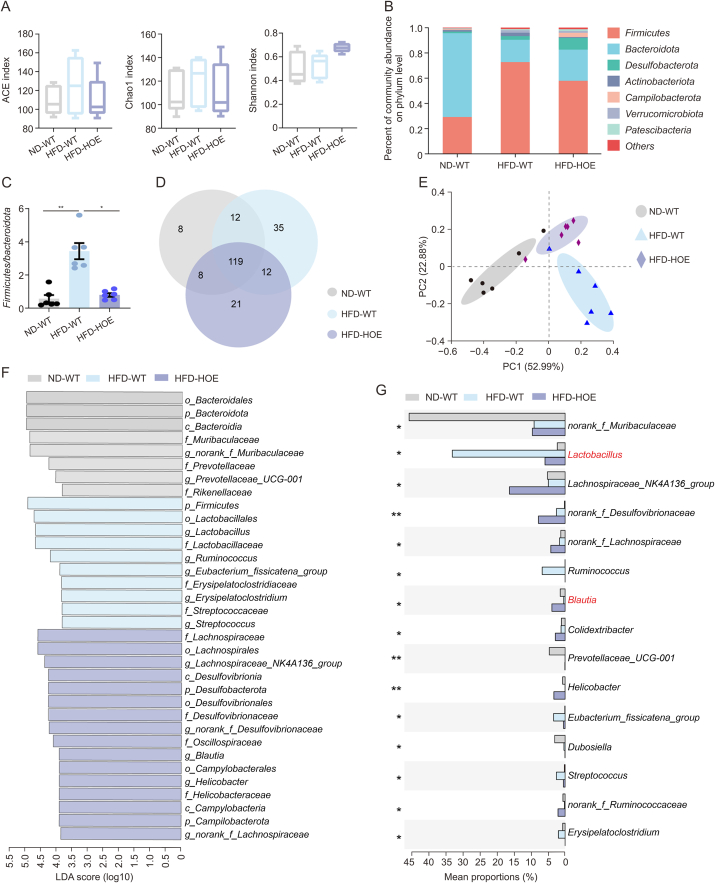
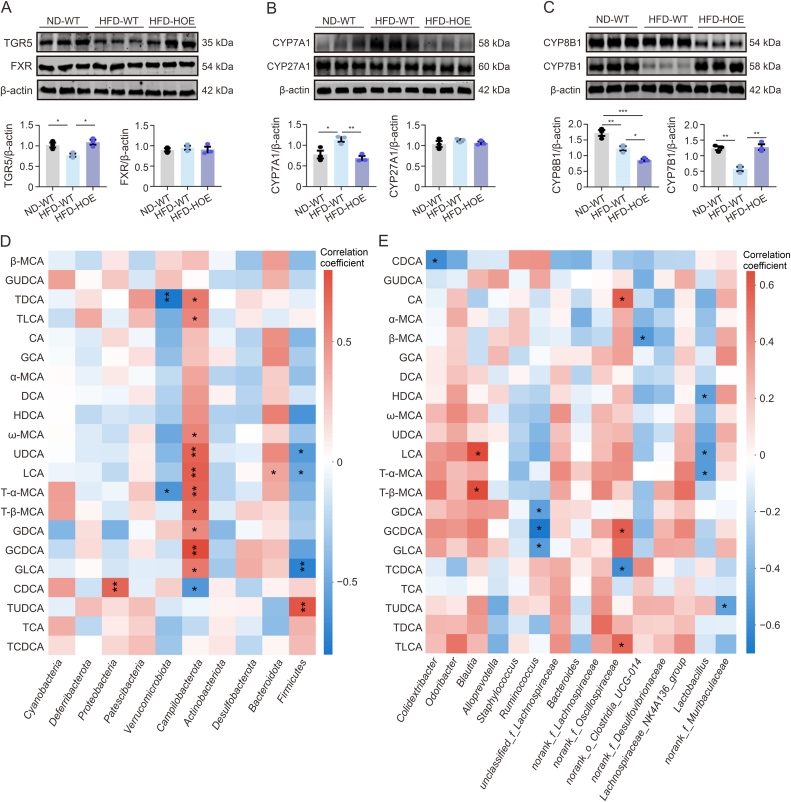
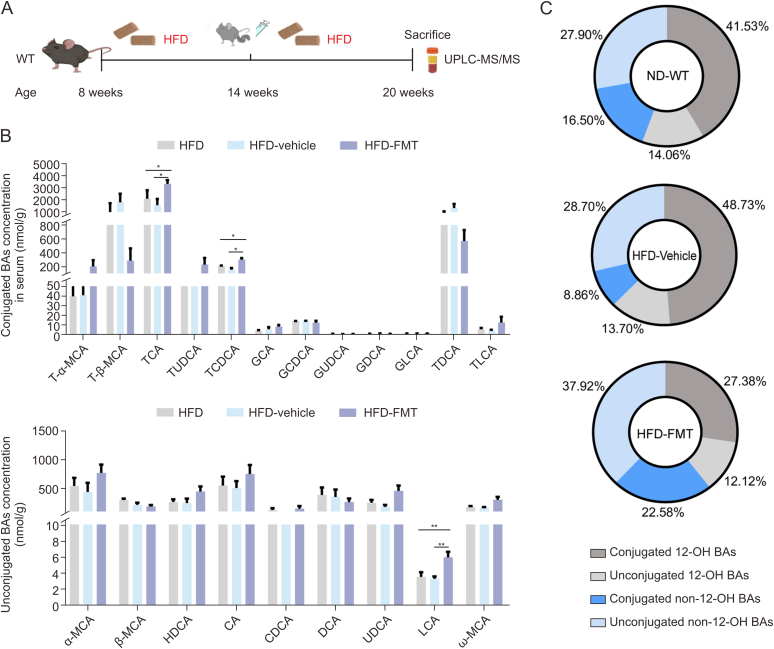
Intestinal dysbiosis and disrupted bile acid (BA) homeostasis are associated with obesity, but the precise mechanisms remain insufficiently explored. Hepatic protein phosphatase 1 regulatory subunit 3G (PPP1R3G) plays a pivotal role in regulating glycolipid metabolism; nevertheless, its obesity-combatting potency remains unclear. In this study, a substantial reduction was observed in serum PPP1R3G levels in high-body mass index (BMI) and high-fat diet (HFD)-exposed mice, establishing a positive correlation between PPP1R3G and non-12α-hydroxylated (non-12-OH) BA content. Additionally, hepatocyte-specific overexpression of (PPP1R3G HOE) mitigated HFD-induced obesity as evidenced by reduced weight, fat mass, and an improved serum lipid profile; hepatic steatosis alleviation was confirmed by normalized liver enzymes and histology. PPP1R3G HOE considerably impacted systemic BA homeostasis, which notably increased the non-12-OH BAs ratio, particularly lithocholic acid (LCA). 16S ribosomal DNA (16S rDNA) sequencing assay indicated that PPP1R3G HOE reversed HFD-induced gut dysbiosis by reducing the / ratio and population, and elevating the relative abundance of , which exhibited a positive correlation with serum LCA levels. A fecal microbiome transplantation test confirmed that the anti-obesity effect of hepatic PPP1R3G was gut microbiota-dependent. Mechanistically, PPP1R3G HOE markedly suppressed hepatic cholesterol 7α-hydroxylase (CYP7A1) and sterol-12α-hydroxylase (CYP8B1), and concurrently upregulated oxysterol 7-α hydroxylase and G protein-coupled BA receptor 5 (TGR5) expression under HFD conditions. Furthermore, LCA administration significantly mitigated the HFD-induced obesity phenotype and elevated non-12-OH BA levels. These findings emphasize the significance of hepatic PPP1R3G in ameliorating diet-induced adiposity and hepatic steatosis through the gut microbiota-BA axis, which may serve as potential therapeutic targets for obesity-related disorders.
肠道菌群失调和胆汁酸(BA)稳态破坏与肥胖相关,但确切机制仍未得到充分探索。肝蛋白磷酸酶1调节亚基3G(PPP1R3G)在调节糖脂代谢中起关键作用;然而,其对抗肥胖的效力仍不清楚。在本研究中,观察到高体重指数(BMI)和高脂饮食(HFD)喂养的小鼠血清PPP1R3G水平大幅降低,且PPP1R3G与非12α-羟基化(non-12-OH)BA含量呈正相关。此外,肝细胞特异性过表达(PPP1R3G HOE)减轻了HFD诱导的肥胖,表现为体重、脂肪量减轻以及血清脂质谱改善;肝酶和组织学正常化证实肝脂肪变性得到缓解。PPP1R3G HOE对全身BA稳态有显著影响,显著增加了non-12-OH BAs比例,尤其是石胆酸(LCA)。16S核糖体DNA(16S rDNA)测序分析表明,PPP1R3G HOE通过降低/比值和种群数量,提高相对丰度,逆转了HFD诱导的肠道菌群失调,而与血清LCA水平呈正相关。粪便微生物群移植试验证实,肝脏PPP1R3G的抗肥胖作用依赖于肠道微生物群。机制上,在HFD条件下,PPP1R3G HOE显著抑制肝脏胆固醇7α-羟化酶(CYP7A1)和固醇-12α-羟化酶(CYP8B1),同时上调氧甾醇7-α羟化酶和G蛋白偶联BA受体5(TGR5)的表达。此外,给予LCA可显著减轻HFD诱导的肥胖表型,并提高non-12-OH BA水平。这些发现强调了肝脏PPP1R3G通过肠道微生物群-BA轴改善饮食诱导的肥胖和肝脂肪变性的重要性,这可能成为肥胖相关疾病的潜在治疗靶点。