Research Center of Clinical Medicine, Affiliated Hospital of Nantong University, Medical School of Nantong University, Nantong, 226001, China.
Department of Laboratory Medicine, Affiliated Hospital of Nantong University, Medical School of Nantong University, Nantong, 226001, China.
J Nanobiotechnology. 2024 Sep 12;22(1):557. doi: 10.1186/s12951-024-02827-4.
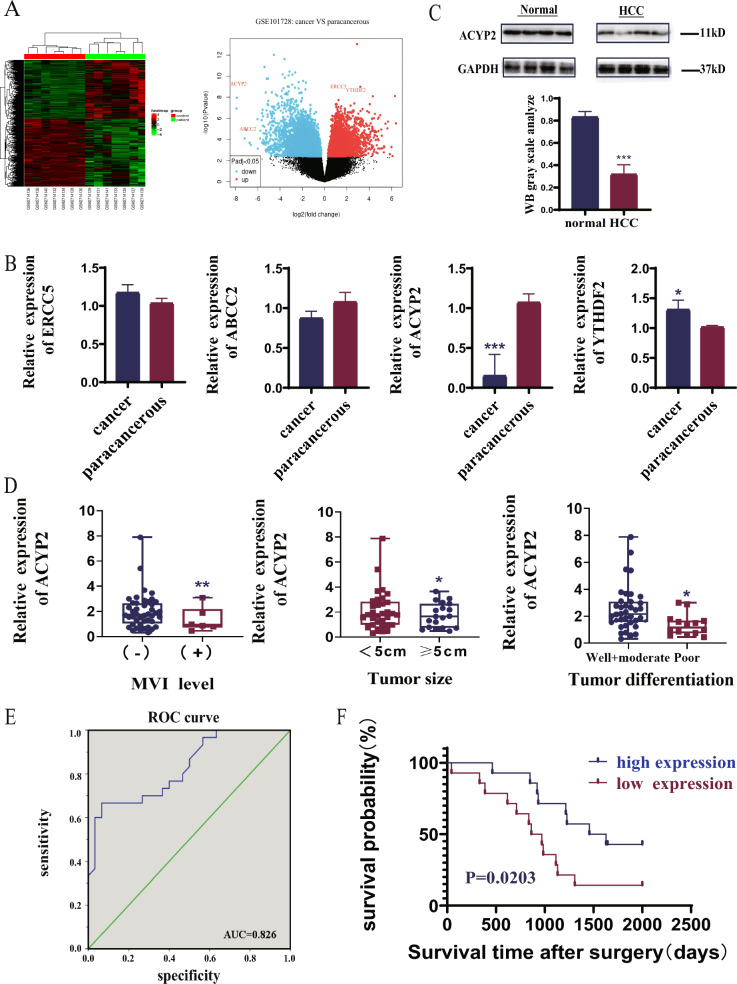
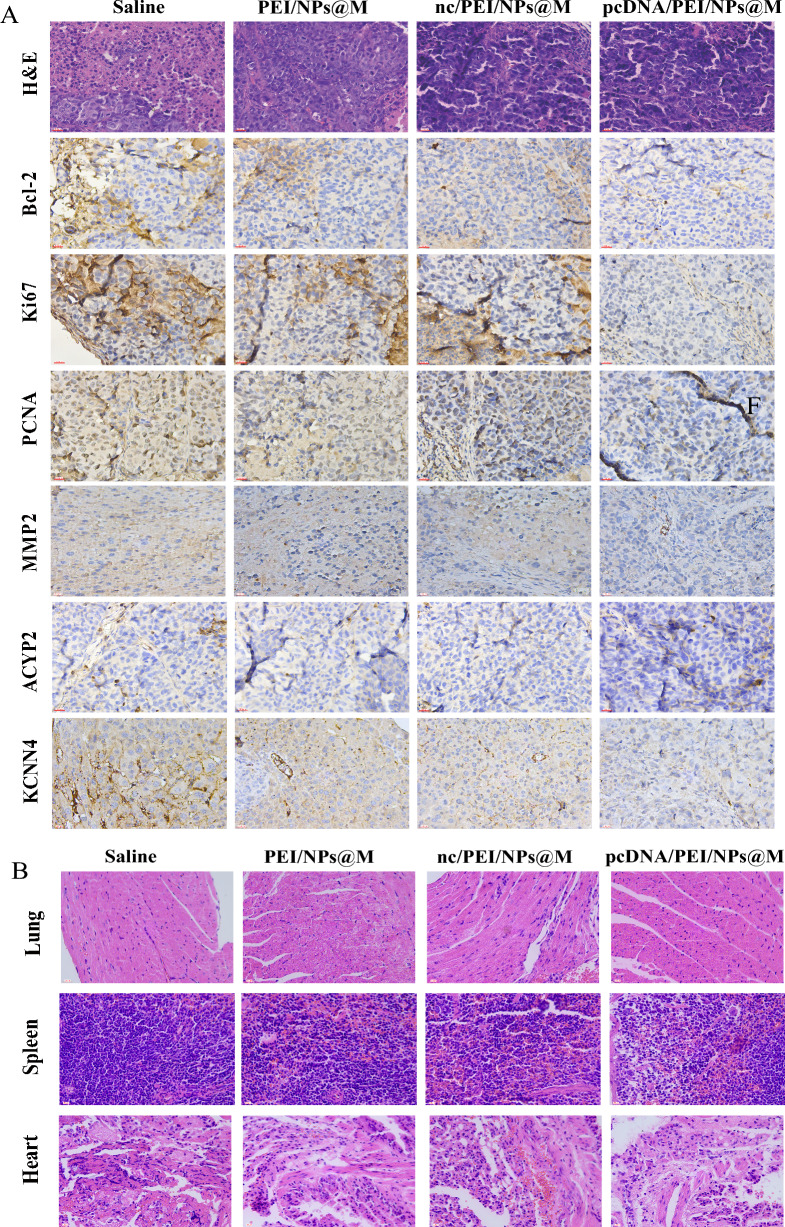
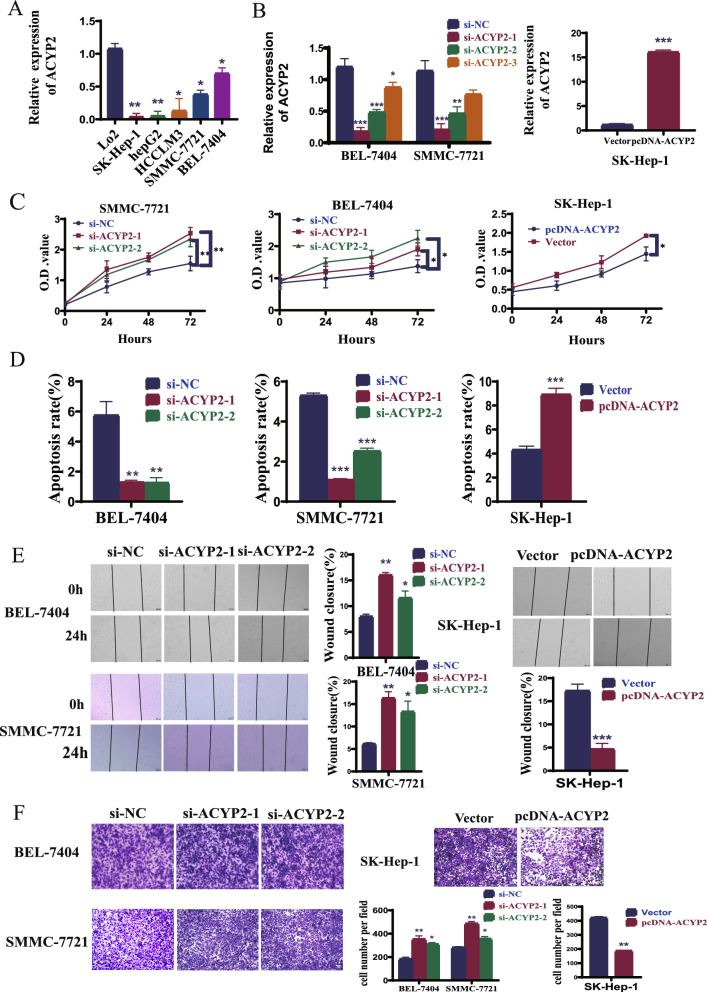
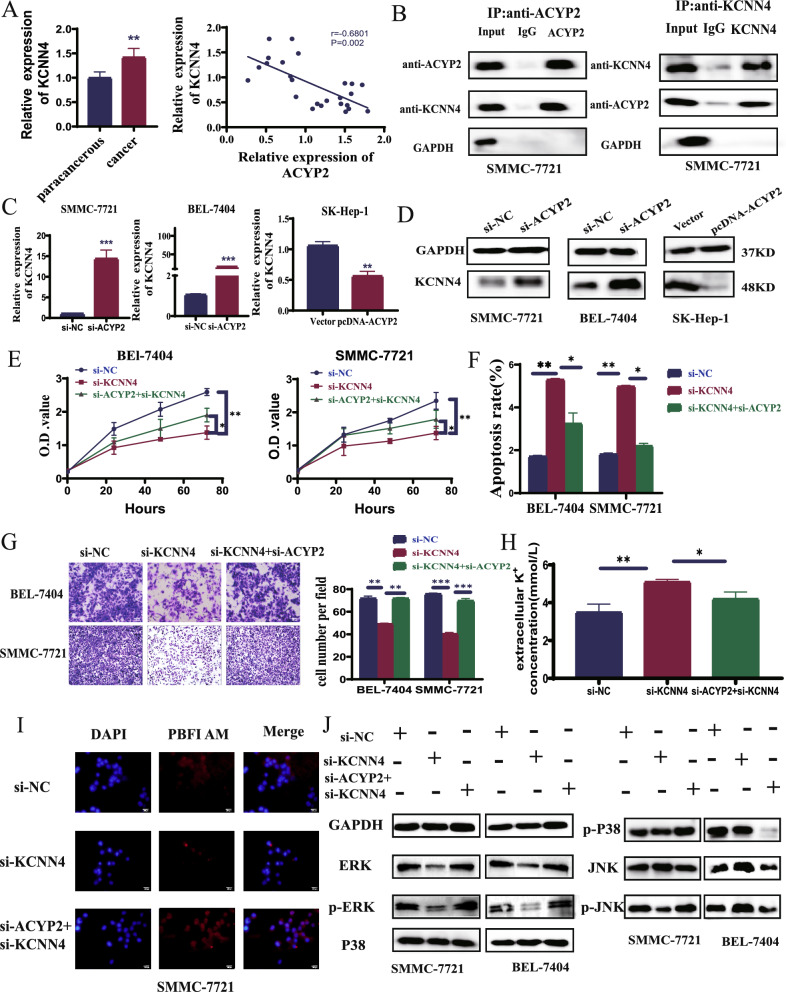
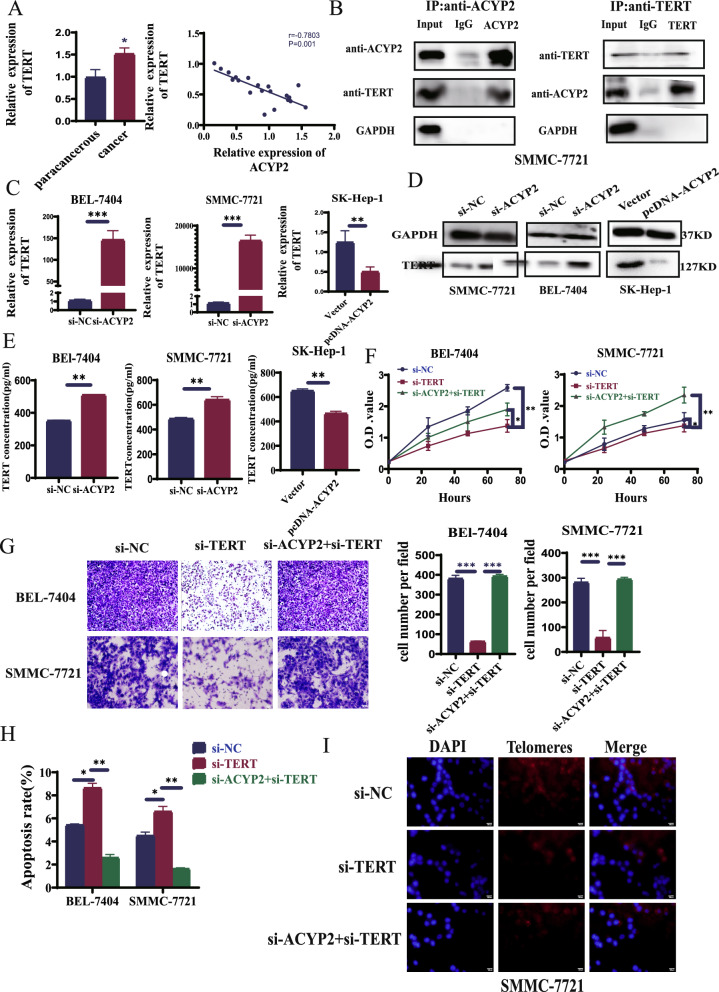
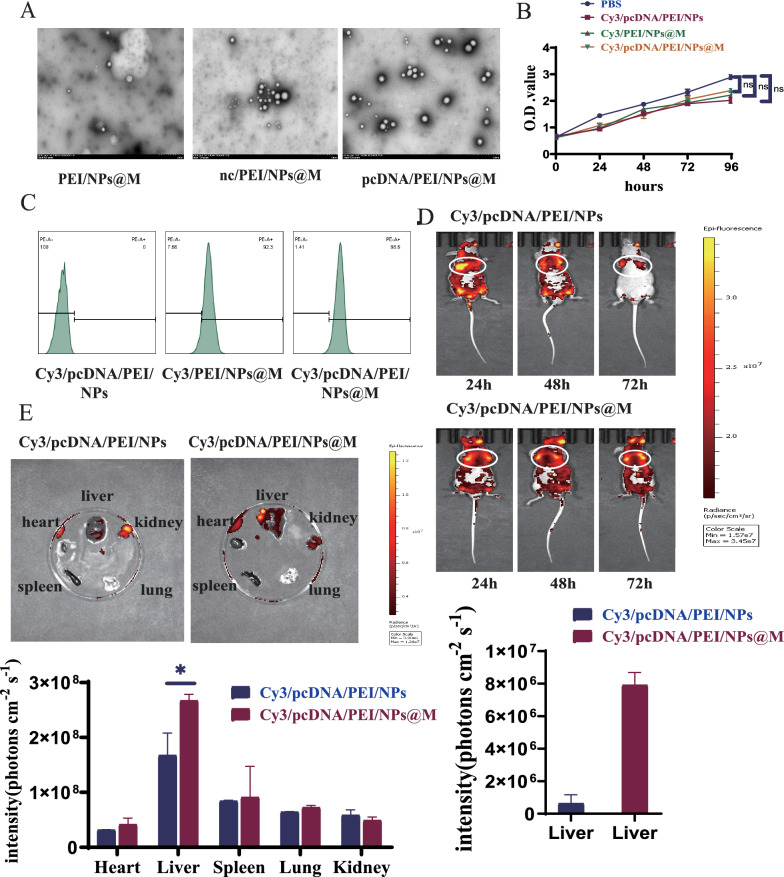
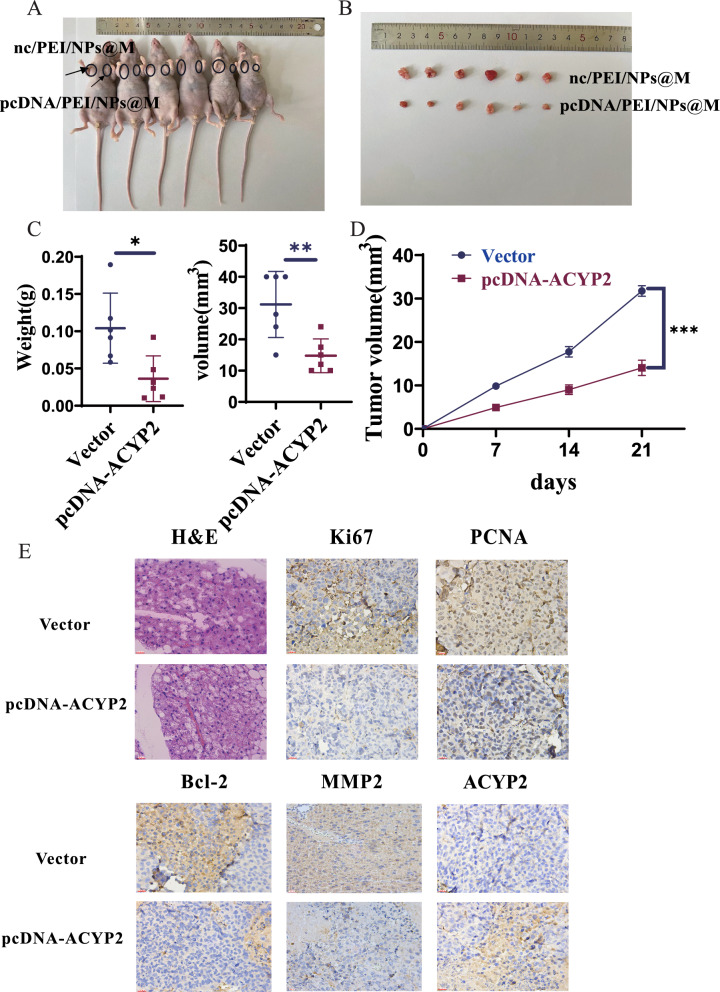
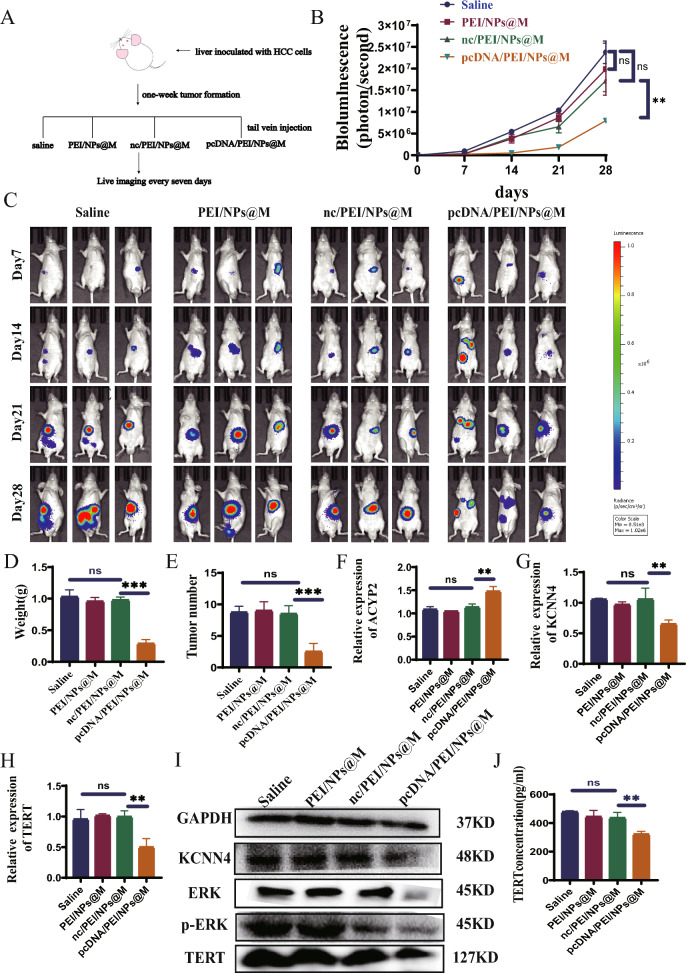
An increasing body of evidence suggests that acylphosphatase-2 (ACYP2) polymorphisms are correlated with an increased susceptibility to a range of malignancies. Nevertheless, its potential functions, molecular mechanisms in hepatocellular carcinoma (HCC) and whether it can be act as a therapeutic target remain uninvestigated. Herein, ACYP2 was found to be lowly expressed in HCC and was negatively correlated with tumor size, tumor differentiation, microvascular invasion and the prognosis of HCC patients. Functional investigations revealed that overexpression of ACYP2 inhibited the proliferation and metastasis of HCC cells while promoting apoptosis; knockdown of ACYP2 had the exact opposite effect. Additionally, it was observed that ACYP2 was distributed in both the cytoplasm and nucleus of HCC cells. According to the mechanistic studies, the expression of potassium calcium-activated channel subfamily N member 4 (KCNN4) was negatively regulated by cytoplasmic ACYP2, resulting in the inhibition of K outflow and subsequent inactivation of the ERK pathway, which impeded the growth and metastasis of HCC. Furthermore, the activity of telomerase reverse transcriptase (TERT) was inhibited by nuclear ACYP2, leading to the reduction in length of telomeres and consequent reversal of HCC cell immortalization. Additionally, a novel targeted nanotherapy strategy was developed wherein the pcDNA-ACYP2 vector was encapsulated within polyetherimide nanoparticles (PEI/NPs), which were subsequently coated with HCC cell membranes (namely pcDNA/PEI/NPs@M). Safety and targeting characteristics abound for these nanocomposites, in both subcutaneous graft tumor models and orthotopic mouse models, they inhibited the progression of HCC by impeding TERT activity and the KCNN4/ERK pathway. In conclusion, our research identifies novel molecular mechanisms involving cytoplasmic and nuclear ACYP2 that inhibit the progression of HCC. Moreover, pcDNA/PEI/NPs@M represents a targeted therapeutic strategy for HCC that holds great promising.
越来越多的证据表明,酰基磷酸酶-2 (ACYP2) 多态性与多种恶性肿瘤的易感性增加有关。然而,其潜在功能、在肝细胞癌 (HCC) 中的分子机制以及是否可以作为治疗靶点仍未得到研究。本研究发现 ACYP2 在 HCC 中低表达,与肿瘤大小、肿瘤分化、微血管侵犯和 HCC 患者的预后呈负相关。功能研究表明,ACYP2 的过表达抑制 HCC 细胞的增殖和转移,同时促进细胞凋亡;ACYP2 的敲低则产生相反的效果。此外,还观察到 ACYP2 分布在 HCC 细胞的细胞质和细胞核中。根据机制研究,细胞质 ACYP2 负调控钾钙激活通道亚家族 N 成员 4 (KCNN4) 的表达,导致钾外流抑制和 ERK 通路失活,从而阻碍 HCC 的生长和转移。此外,核 ACYP2 抑制端粒酶逆转录酶 (TERT) 的活性,导致端粒长度缩短,从而逆转 HCC 细胞永生化。此外,还开发了一种新型靶向纳米治疗策略,即将 pcDNA-ACYP2 载体包裹在聚醚酰亚胺纳米粒子 (PEI/NPs) 中,然后用 HCC 细胞膜包裹(即 pcDNA/PEI/NPs@M)。这些纳米复合材料具有安全性和靶向特性,在皮下移植瘤模型和原位小鼠模型中,通过抑制 TERT 活性和 KCNN4/ERK 通路,抑制 HCC 的进展。总之,我们的研究确定了涉及细胞质和核 ACYP2 的新型分子机制,抑制 HCC 的进展。此外,pcDNA/PEI/NPs@M 代表了一种针对 HCC 的靶向治疗策略,具有广阔的应用前景。