Tao Jinxin, Larson Ramsey G, Mintz Yonatan, Alagoz Oguzhan, Hoppe Kara K
Industrial and Systems Engineering, University of Wisconsin Madison, Madison, WI, United States.
Department of Obstetrics and Gynecology, MultiCare Rockwood Clinic, Spokane, WA, United States.
JMIR AI. 2024 Sep 13;3:e48588. doi: 10.2196/48588.
Hypertension is the most common reason for postpartum hospital readmission. Better prediction of postpartum readmission will improve the health care of patients. These models will allow better use of resources and decrease health care costs.
This study aimed to evaluate clinical predictors of postpartum readmission for hypertension using a novel machine learning (ML) model that can effectively predict readmissions and balance treatment costs. We examined whether blood pressure and other measures during labor, not just postpartum measures, would be important predictors of readmission.
We conducted a retrospective cohort study from the PeriData website data set from a single midwestern academic center of all women who delivered from 2009 to 2018. This study consists of 2 data sets; 1 spanning the years 2009-2015 and the other spanning the years 2016-2018. A total of 47 clinical and demographic variables were collected including blood pressure measurements during labor and post partum, laboratory values, and medication administration. Hospital readmissions were verified by patient chart review. In total, 32,645 were considered in the study. For our analysis, we trained several cost-sensitive ML models to predict the primary outcome of hypertension-related postpartum readmission within 42 days post partum. Models were evaluated using cross-validation and on independent data sets (models trained on data from 2009 to 2015 were validated on the data from 2016 to 2018). To assess clinical viability, a cost analysis of the models was performed to see how their recommendations could affect treatment costs.
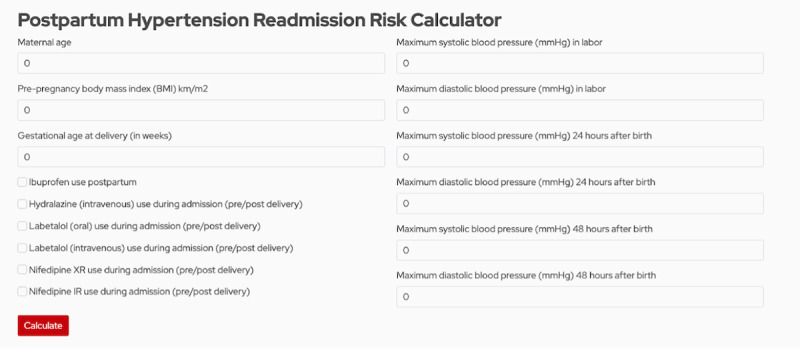
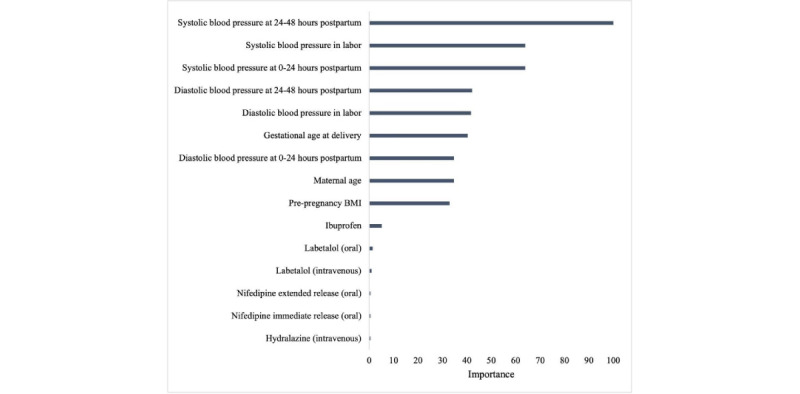
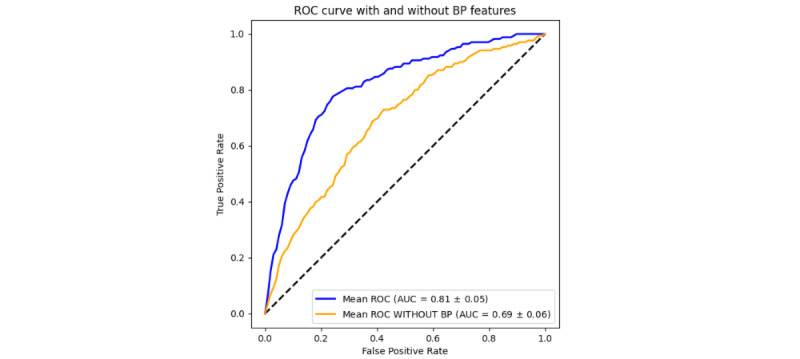
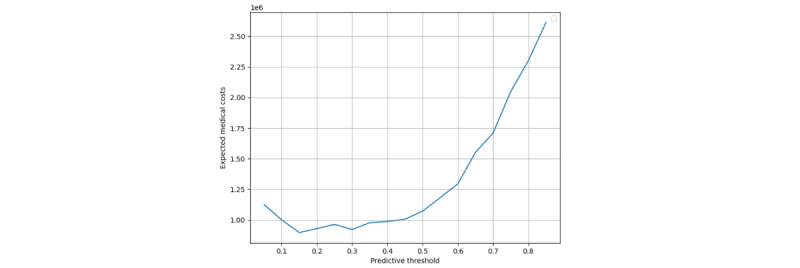
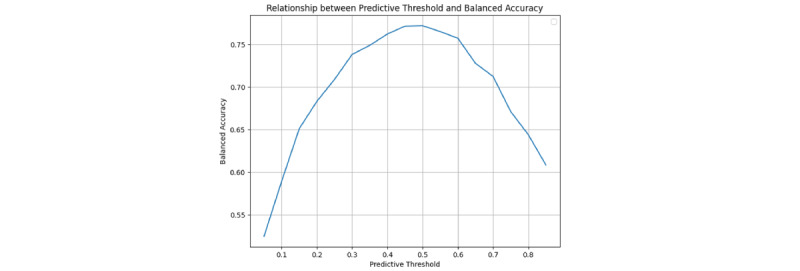
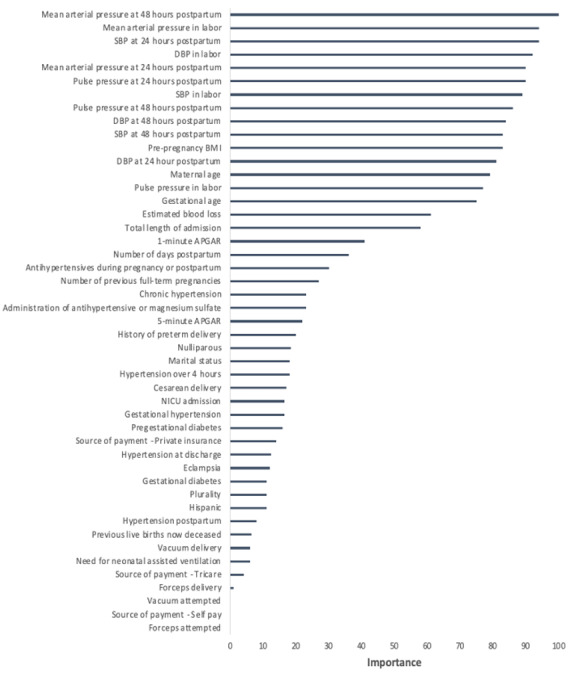
Of the 32,645 patients included in the study, 170 were readmitted due to a hypertension-related diagnosis. A cost-sensitive random forest method was found to be the most effective with a balanced accuracy of 76.61% for predicting readmission. Using a feature importance and area under the curve analysis, the most important variables for predicting readmission were blood pressures in labor and 24-48 hours post partum increasing the area under the curve of the model from 0.69 (SD 0.06) to 0.81 (SD 0.06), (P=.05). Cost analysis showed that the resulting model could have reduced associated readmission costs by US $6000 against comparable models with similar F-score and balanced accuracy. The most effective model was then implemented as a risk calculator that is publicly available. The code for this calculator and the model is also publicly available at a GitHub repository.
Blood pressure measurements during labor through 48 hours post partum can be combined with other variables to predict women at risk for postpartum readmission. Using ML techniques in conjunction with these data have the potential to improve health outcomes and reduce associated costs. The use of the calculator can greatly assist clinicians in providing care to patients and improve medical decision-making.
高血压是产后再次入院最常见的原因。更好地预测产后再次入院情况将改善患者的医疗保健。这些模型将有助于更有效地利用资源并降低医疗成本。
本研究旨在使用一种新型机器学习(ML)模型评估产后高血压再次入院的临床预测因素,该模型能够有效预测再次入院情况并平衡治疗成本。我们研究了分娩期间(而非仅产后)的血压及其他指标是否为再次入院的重要预测因素。
我们对来自美国中西部一个学术中心的PeriData网站数据集进行了一项回顾性队列研究,研究对象为2009年至2018年期间分娩的所有女性。本研究由两个数据集组成;一个涵盖2009 - 2015年,另一个涵盖2016 - 2018年。共收集了47个临床和人口统计学变量,包括分娩期间及产后的血压测量值、实验室检查值和用药情况。通过查阅患者病历核实再次入院情况。本研究共纳入32,645名患者。为进行分析,我们训练了多个成本敏感型ML模型,以预测产后42天内与高血压相关的产后再次入院这一主要结局。使用交叉验证和独立数据集对模型进行评估(在2009年至2015年数据上训练的模型在2016年至2018年数据上进行验证)。为评估临床可行性,对模型进行成本分析,以了解其建议如何影响治疗成本。
在纳入研究的32,645名患者中,170名因高血压相关诊断再次入院。发现一种成本敏感型随机森林方法最为有效,预测再次入院的平衡准确率为76.61%。通过特征重要性和曲线下面积分析,预测再次入院的最重要变量是分娩时及产后24 - 48小时的血压,这使模型的曲线下面积从0.69(标准差0.06)增加到0.81(标准差0.06),(P = 0.05)。成本分析表明,与具有相似F值和平衡准确率的可比模型相比,所得模型可使相关再次入院成本降低6000美元。然后将最有效的模型实现为一个可公开获取的风险计算器。该计算器和模型的代码也可在GitHub存储库中公开获取。
分娩至产后48小时的血压测量值可与其他变量相结合,以预测有产后再次入院风险的女性。将ML技术与这些数据结合使用有改善健康结局并降低相关成本的潜力。使用该计算器可极大地帮助临床医生为患者提供护理并改善医疗决策。