Kaleeny Joseph D, Janis Jeffrey E
From the Department of Plastic and Reconstructive Surgery, The Ohio State University Wexner Medical Center, Columbus, Ohio.
Plast Reconstr Surg Glob Open. 2024 Sep 13;12(9):e6160. doi: 10.1097/GOX.0000000000006160. eCollection 2024 Sep.
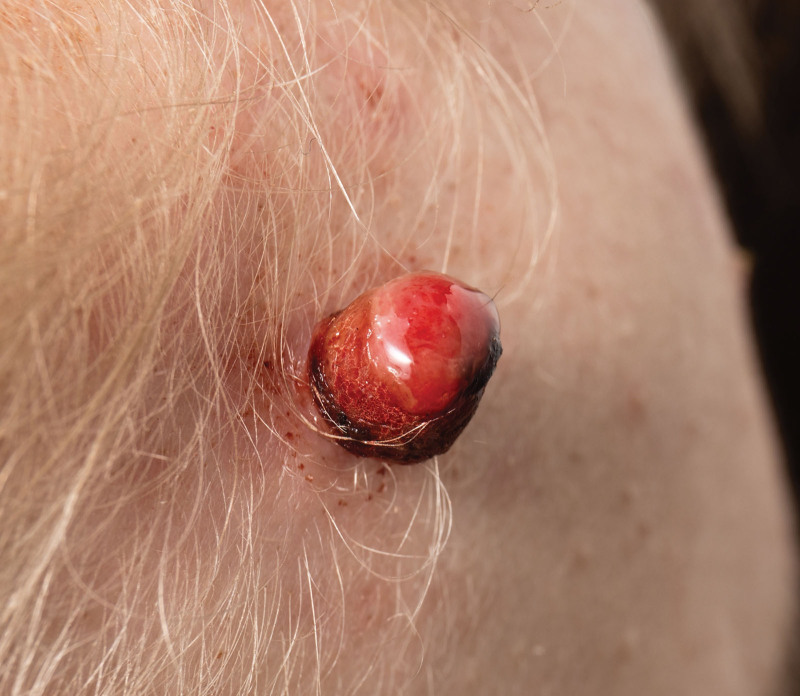
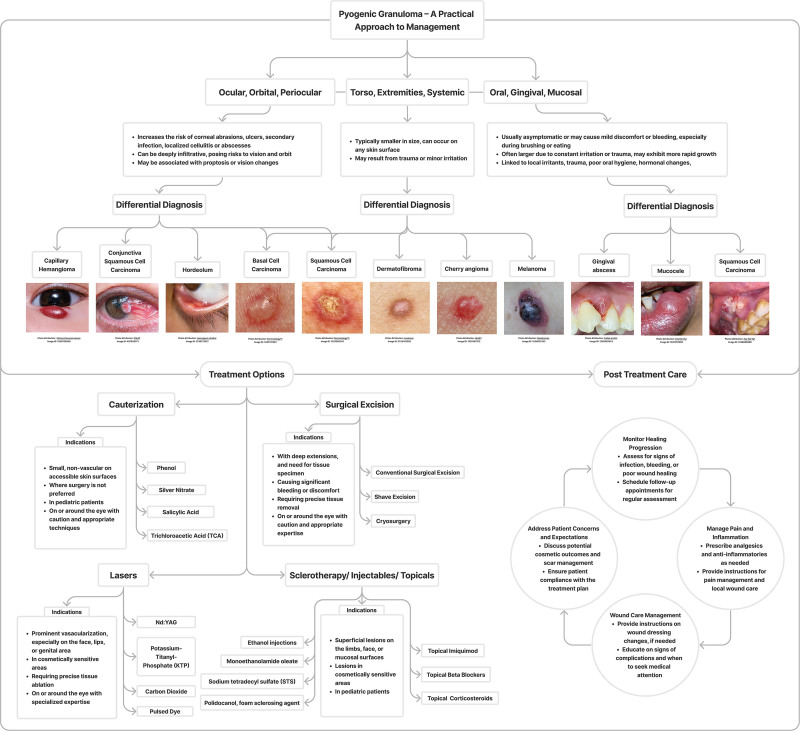
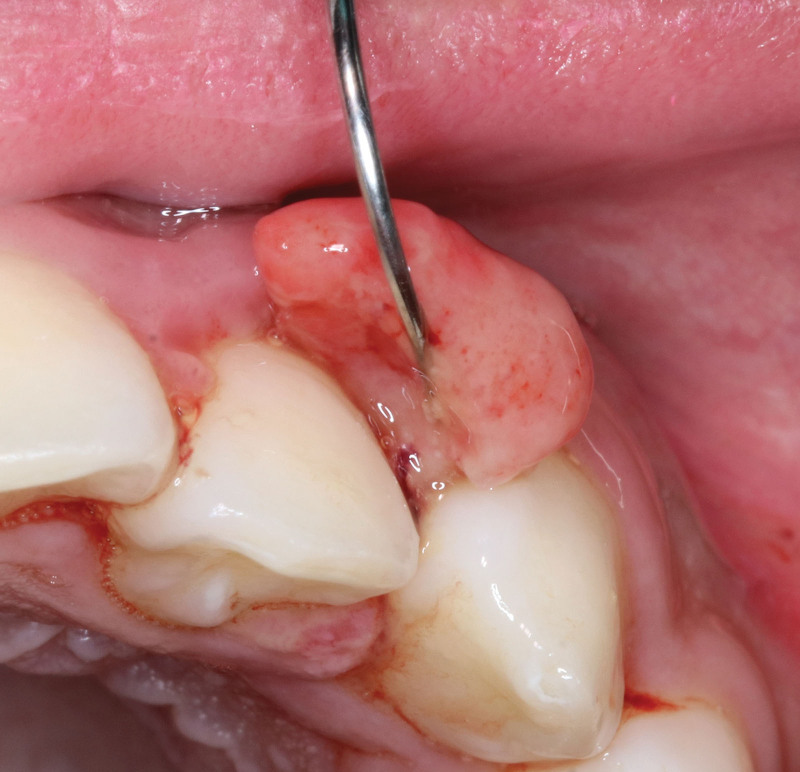
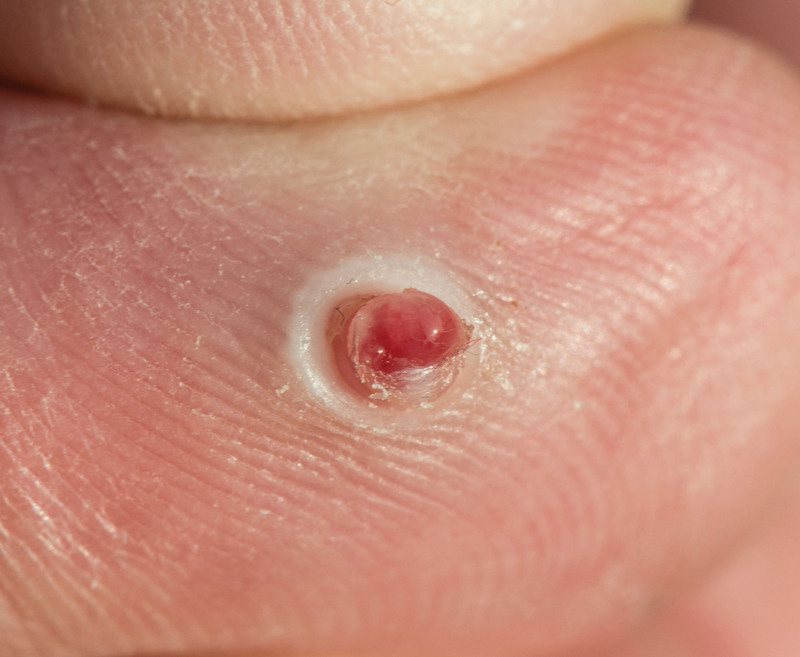
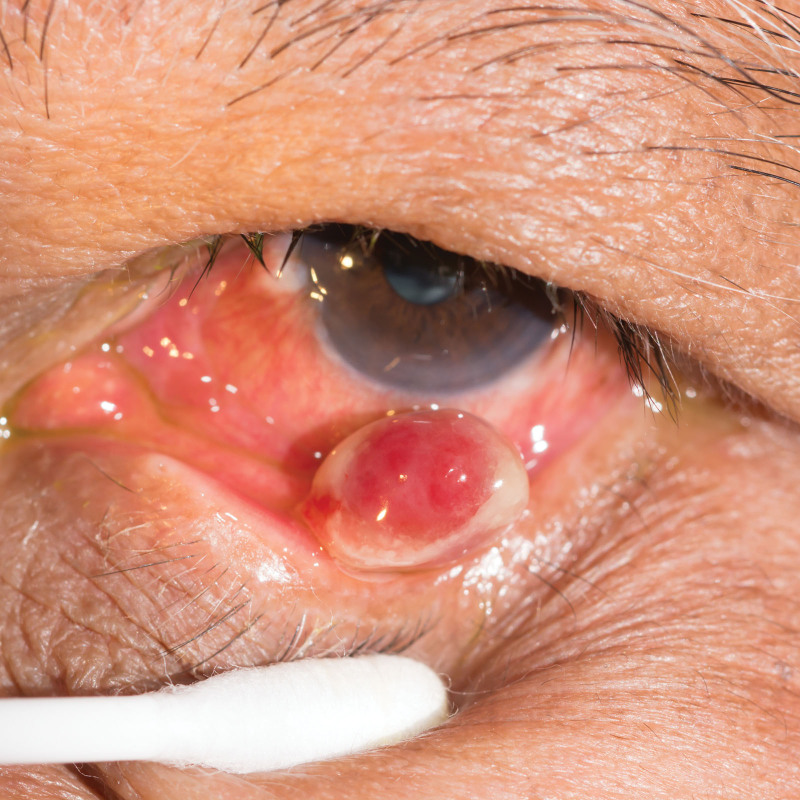
Pyogenic granuloma (PG), or lobular capillary hemangioma, poses a clinical challenge with its uncertain etiology and treatment options. Although the clinical features and prevalence of PGs are well established, definitive evidence-based treatments remain elusive. This practical review aims to illuminate the complexities of PG management by analyzing surgical interventions based on literature analysis.
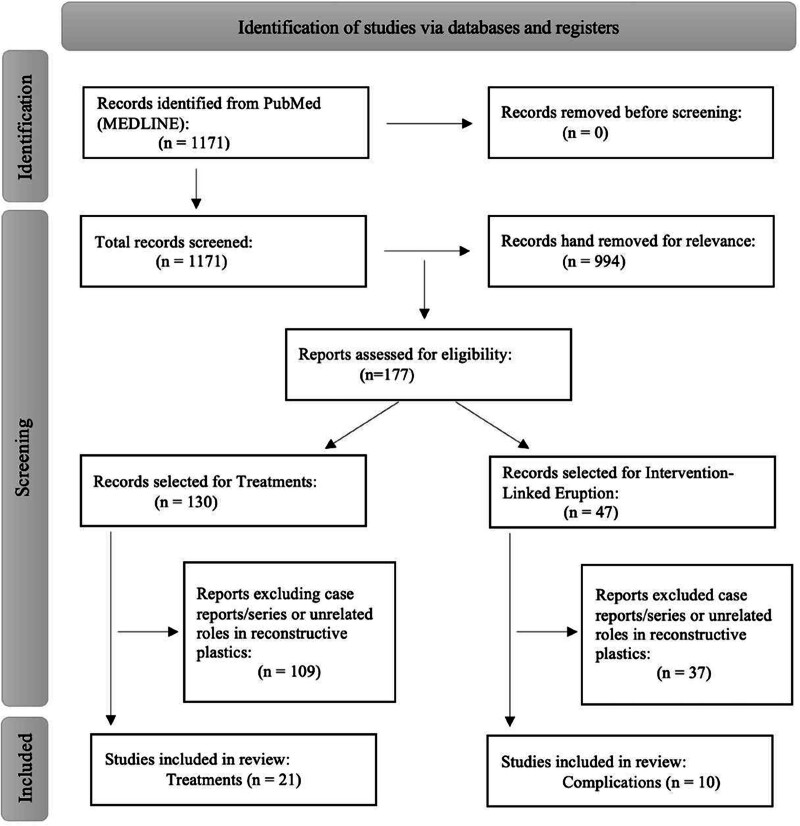
A PubMed/Medline search of "pyogenic granuloma" and "surgery" yielded 1171 studies. Inclusion criteria targeted intervention-associated PG complications over 5% and treatment modalities, excluding nonclinical studies and topics unrelated to plastic and reconstructive surgery. Screening involved Oxford level of evidence, patient data extraction, complications, intervention types, success rates, sessions, follow-ups, and treatments.
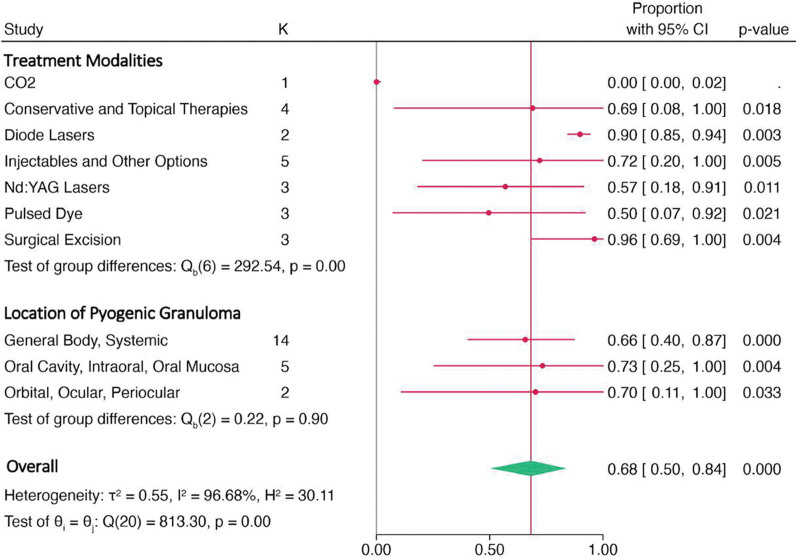
Thirty-one studies met inclusion criteria. Most studies were retrospective (67.7%). Ten studies satisfied intervention-linked eruptions, primarily oculoplastic, whereas 21 investigated both surgical and nonsurgical treatment modalities. Across interventions, 3579 patients (age: 34.2-85.7 years) were involved. Postsurgical PG complications averaged 15.1% and were treated predominantly with surgical excision, achieving nearly complete resolution. Surgical and nonsurgical treatment studies included 1233 patients (age: 3-46.5 years), demonstrating a 68.2% average resolution after a single session, with surgical excision exhibiting the highest success rate (96.2%) and minimal complications.
This practical review highlights the complexities of managing PG, emphasizing a spectrum of effective treatments and potential postoperative complications. Ophthalmologic procedures showed PG incidences of 9%-24.4%. Surgical excision proved highly effective, surpassing methods like lasers and injectables that exhibited varied success rates requiring multiple treatment sessions. Challenges included study diversity and varying evidence levels, warranting further comparative research for PG management strategies.
化脓性肉芽肿(PG),即小叶性毛细血管瘤,因其病因和治疗选择不明确而带来临床挑战。尽管PG的临床特征和患病率已明确,但基于确凿证据的确定性治疗方法仍难以捉摸。本实用综述旨在通过对文献分析的手术干预措施进行分析,阐明PG管理的复杂性。
在PubMed/Medline上搜索“化脓性肉芽肿”和“手术”,得到1171项研究。纳入标准针对超过5%的与干预相关的PG并发症及治疗方式,排除非临床研究以及与整形和重建手术无关的主题。筛选涉及牛津证据水平、患者数据提取、并发症、干预类型、成功率、疗程、随访和治疗方法。
31项研究符合纳入标准。大多数研究为回顾性研究(67.7%)。10项研究满足与干预相关的皮疹情况,主要是眼部整形方面的,而21项研究同时调查了手术和非手术治疗方式。在各项干预措施中,涉及3579例患者(年龄:34.2 - 85.7岁)。术后PG并发症平均为15.1%,主要采用手术切除治疗,几乎完全消退。手术和非手术治疗研究纳入了1233例患者(年龄:3 - 46.5岁),单次治疗后平均消退率为68.2%;手术切除成功率最高(96.2%)且并发症最少。
本实用综述突出了PG管理的复杂性,强调了一系列有效的治疗方法以及潜在的术后并发症。眼科手术中PG发生率为9% - 24.4%。手术切除被证明非常有效,超过了激光和注射等方法,后者成功率各异且需要多次治疗。挑战包括研究的多样性和不同的证据水平,这需要对PG管理策略进行进一步的比较研究。