Shi Zhenzhen, Xiao Shuo, Zhang Qiang
Gangarosa Department of Environmental Health, Rollins School of Public Health, Emory University, Atlanta, GA 30322, USA.
Department of Pharmacology and Toxicology, Ernest Mario School of Pharmacy, Environmental and Occupational Health Sciences Institute (EOHSI), Center for Environmental Exposures and Disease (CEED), Rutgers University, Piscataway, NJ 08854, USA.
bioRxiv. 2024 Sep 8:2024.09.04.611257. doi: 10.1101/2024.09.04.611257.
Endocrine-disrupting chemicals (EDCs) often exhibit nonmonotonic dose-response (NMDR) relationships, posing significant challenges to health risk assessment and regulations. Several molecular mechanisms operating locally in cells have been proposed, including opposing actions via different receptors, mixed-ligand heterodimer formation, and receptor downregulation. Systemic negative feedback regulation of hormone homeostasis, which is a common feature of many endocrine systems, has also been invoked as a mechanism; however, whether and how exactly such global feedback structure may underpin NMDRs is poorly understood.
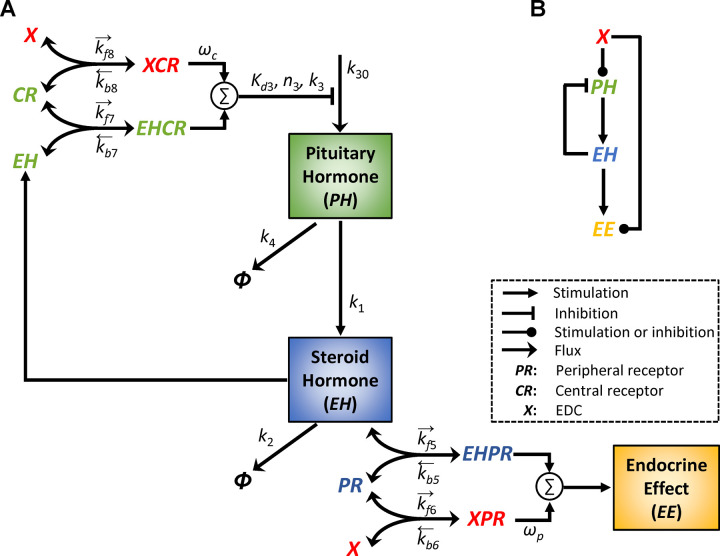
We hypothesize that an EDC may compete with the endogenous hormone for receptors (i) at the central site to interfere with the feedback regulation thus altering the physiological hormone level, and (ii) at the peripheral site to disrupt the hormone action; this dual-action may oppose each other, producing nonmonotonic endocrine effects. The objective here is to explore - through computational modeling - how NMDRs may arise through this potential mechanism and the relevant biological variabilities that enable susceptibility to nonmonotonic effects.
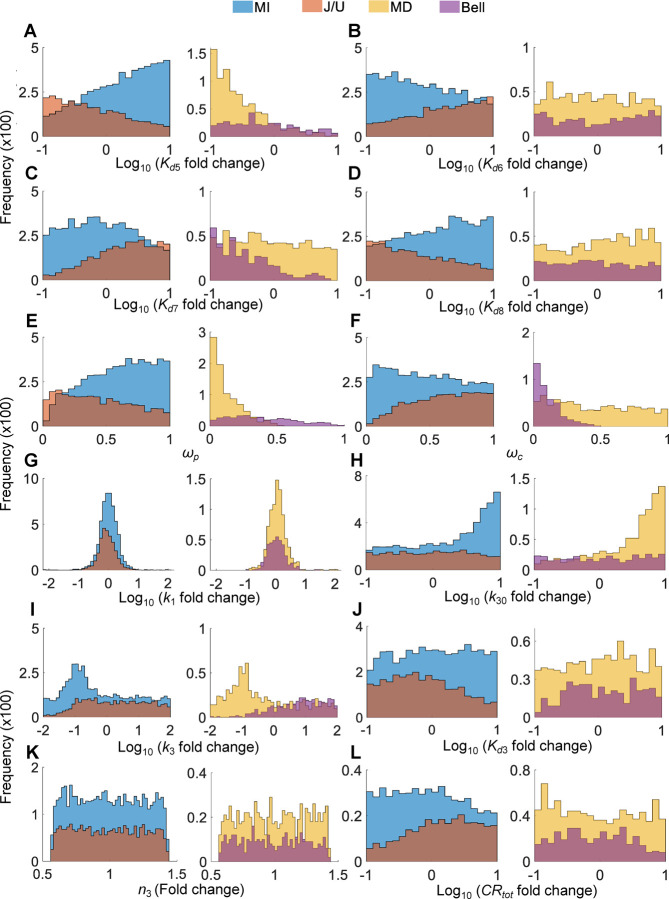
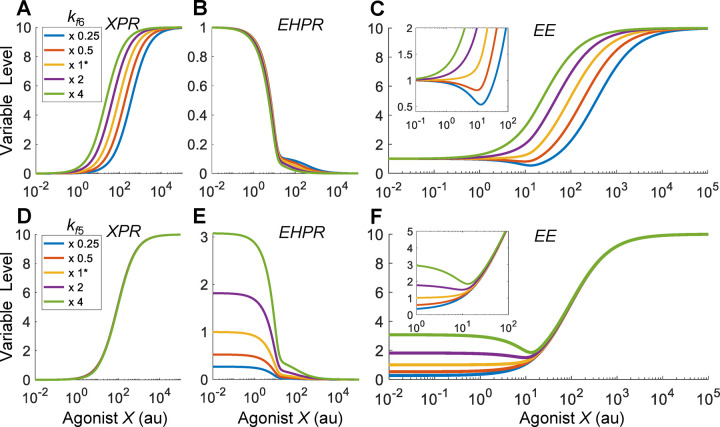
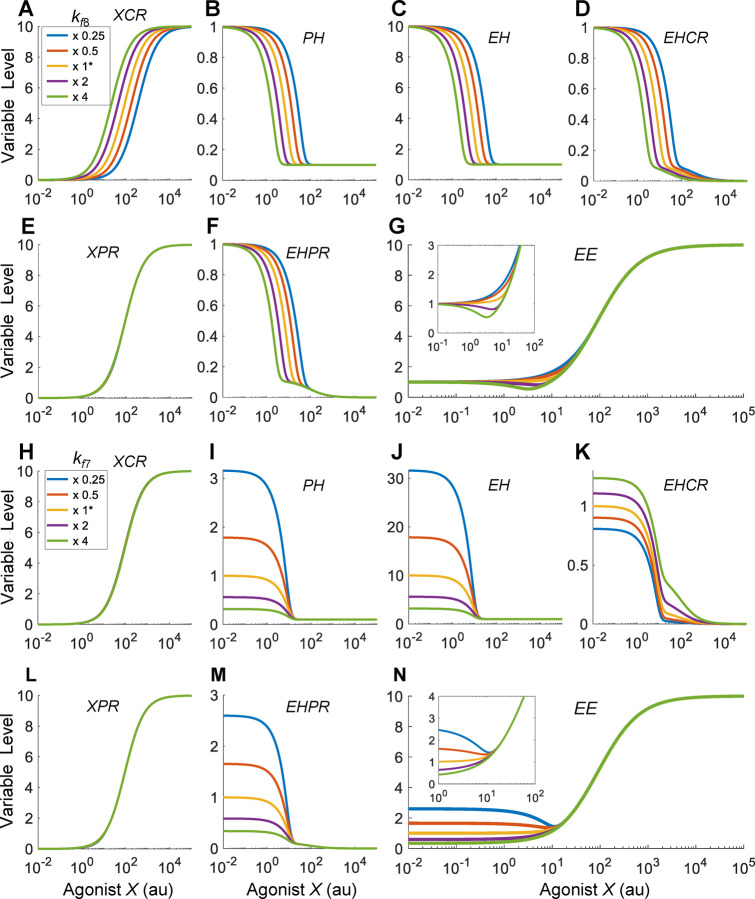
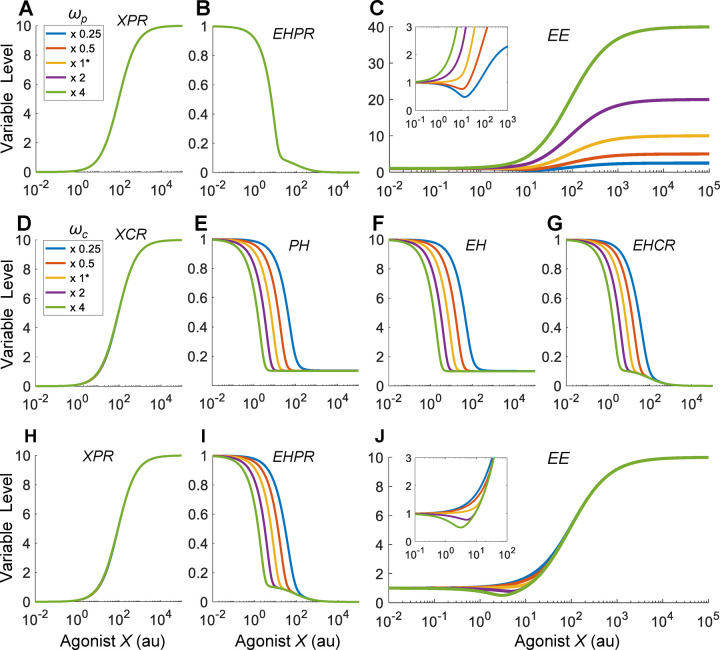
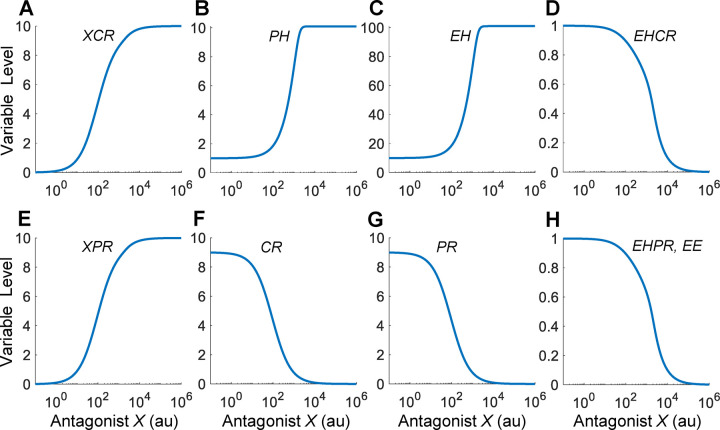
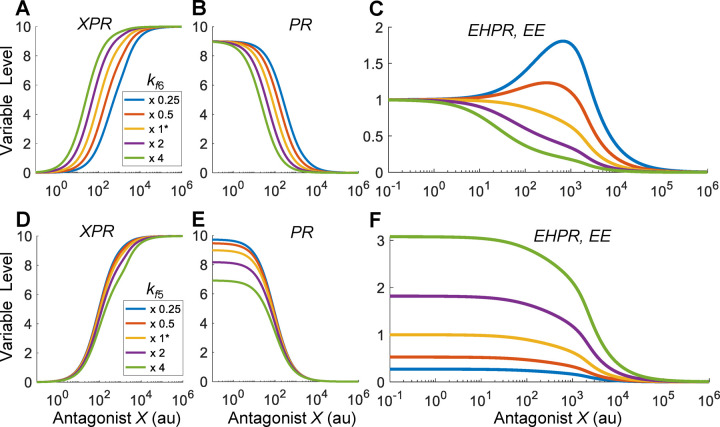
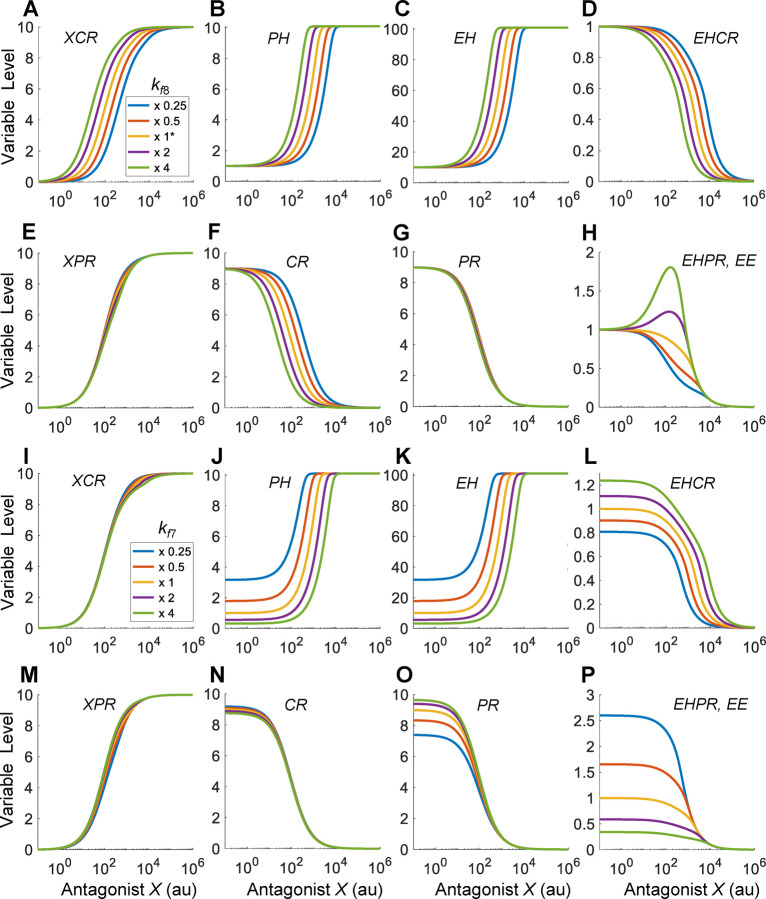
We constructed a dynamical model of a generic hypothalamic-pituitary-endocrine (HPE) axis with negative feedback regulation between a pituitary hormone and a terminal effector hormone (EH). The effects of model parameters, including receptor binding affinities and efficacies, on NMDR were examined for EDC agonists and antagonists. Monte Carlo human population simulations were then conducted to systemically explore biological parameter conditions that engender NMDR.
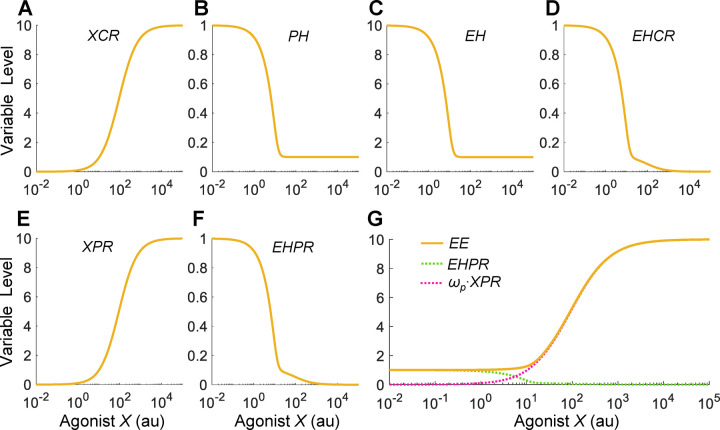
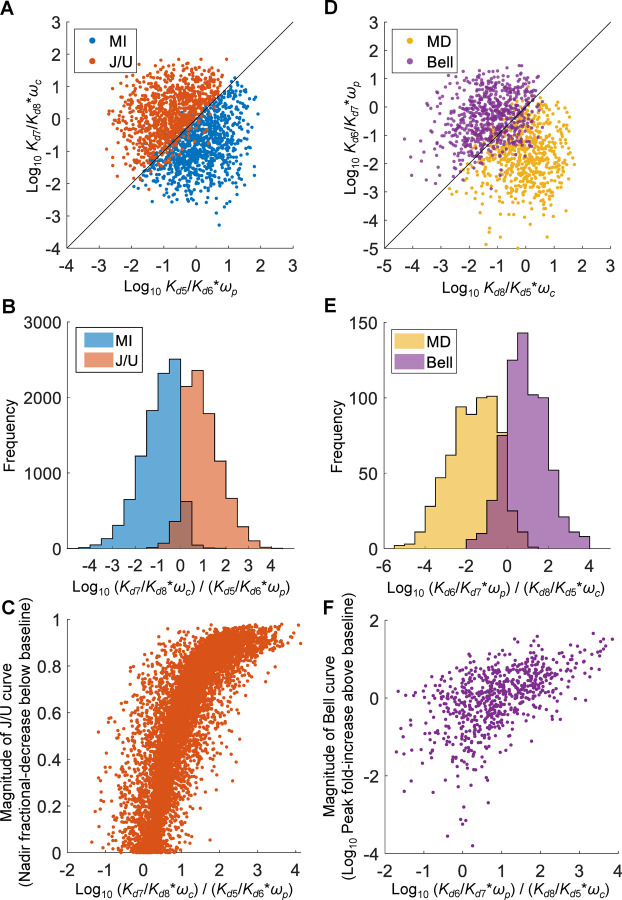
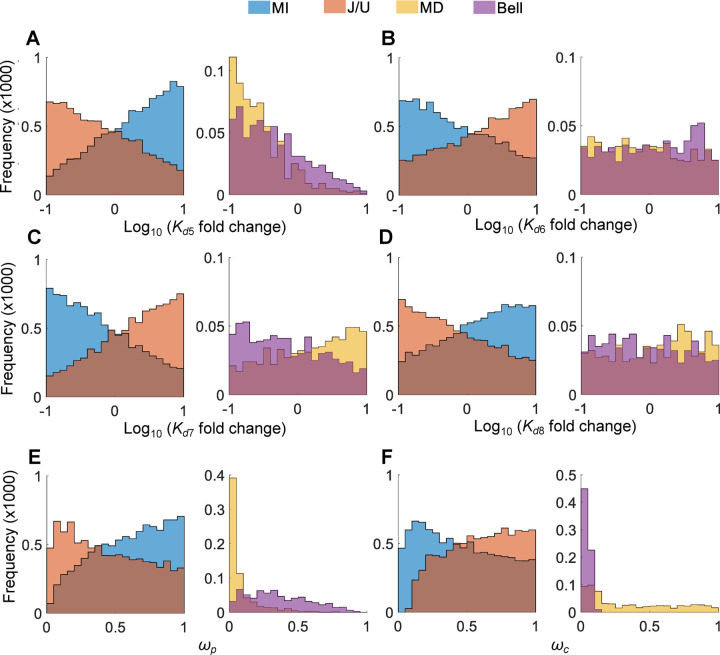
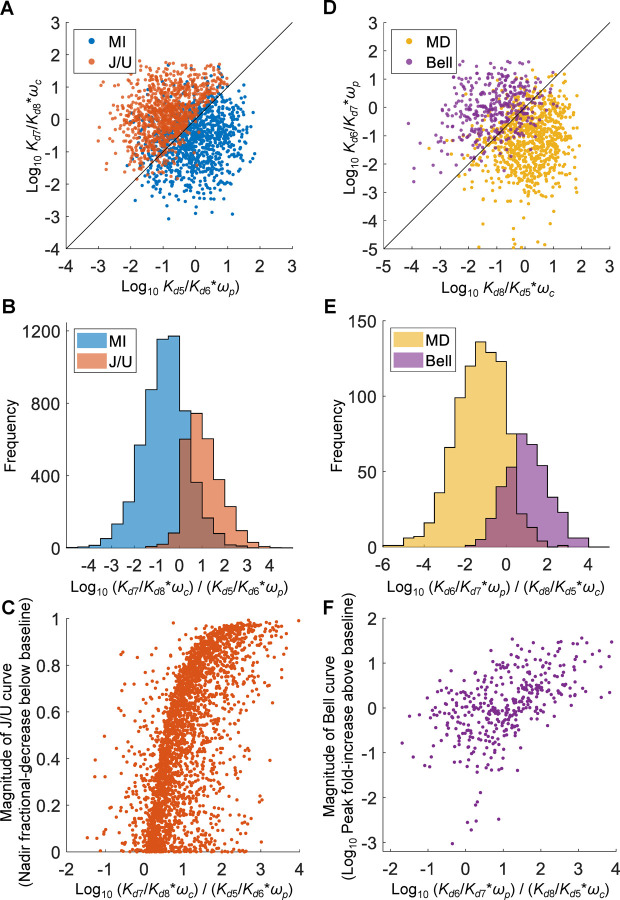
When an EDC interferes sufficiently with the central feedback action of EH, the net endocrine effect at the peripheral target site can be opposite to what is expected of an agonist or antagonist at low concentrations. J/U or Bell-shaped NMDRs arise when the EDC has differential binding affinities and/or efficacies, relative to EH, for the peripheral and central receptors. Quantitative relationships between these biological variabilities and associated distributions were discovered, which can distinguish J/U and Bell-shaped NMDRs from monotonic responses.
The ubiquitous negative feedback regulation in endocrine systems can act as a universal mechanism for counterintuitive and nonmonotonic effects of EDCs. Depending on key receptor kinetic and signaling properties of EDCs and endogenous hormones, some individuals may be more susceptible to these complex endocrine effects.
内分泌干扰化学物质(EDCs)常常呈现非单调剂量反应(NMDR)关系,这给健康风险评估和监管带来了重大挑战。已经提出了几种在细胞内局部起作用的分子机制,包括通过不同受体的拮抗作用、混合配体异二聚体的形成以及受体下调。激素稳态的全身负反馈调节是许多内分泌系统的共同特征,也被认为是一种机制;然而,这种整体反馈结构是否以及如何确切地支撑非单调剂量反应关系尚不清楚。
我们假设一种内分泌干扰化学物质可能与内源性激素竞争受体,(i)在中枢部位干扰反馈调节,从而改变生理激素水平,以及(ii)在周边部位破坏激素作用;这种双重作用可能相互拮抗,产生非单调内分泌效应。这里的目的是通过计算建模探索非单调剂量反应关系如何通过这种潜在机制产生,以及使个体易受非单调效应影响的相关生物学变异性。
我们构建了一个通用的下丘脑 - 垂体 - 内分泌(HPE)轴的动力学模型,该模型在垂体激素和终末效应激素(EH)之间存在负反馈调节。研究了模型参数,包括受体结合亲和力和效能,对内分泌干扰化学物质激动剂和拮抗剂的非单调剂量反应关系的影响。然后进行蒙特卡罗人群模拟,系统地探索产生非单调剂量反应关系的生物学参数条件。
当一种内分泌干扰化学物质充分干扰终末效应激素的中枢反馈作用时,在周边靶部位的净内分泌效应在低浓度时可能与激动剂或拮抗剂的预期效应相反。当内分泌干扰化学物质相对于终末效应激素对周边和中枢受体具有不同的结合亲和力和/或效能时,会出现J型/钟形非单调剂量反应关系。发现了这些生物学变异性与相关分布之间的定量关系,这可以将J型/钟形非单调剂量反应关系与单调反应区分开来。
内分泌系统中普遍存在的负反馈调节可以作为内分泌干扰化学物质产生反直觉和非单调效应的普遍机制。根据内分泌干扰化学物质和内源性激素的关键受体动力学和信号特性,一些个体可能更容易受到这些复杂内分泌效应的影响。